


Victorian Export Porcelain Vases
Victorian export porcelain vases bring vibrant international artistry into a room, offering rich colour and pattern from global trade routes.

Victorian Export Porcelain Vases
Victorian export porcelain vases encompass nineteenth-century decorative vessels created in East Asia specifically for Western markets. These objects reflect a fascinating cross-cultural exchange, combining traditional Eastern forms with the decorative tastes of the Victorian era.
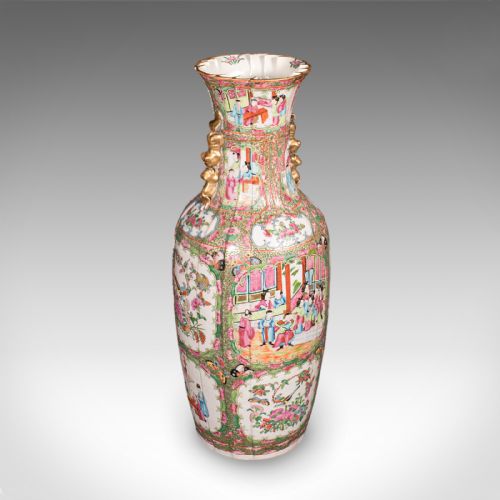
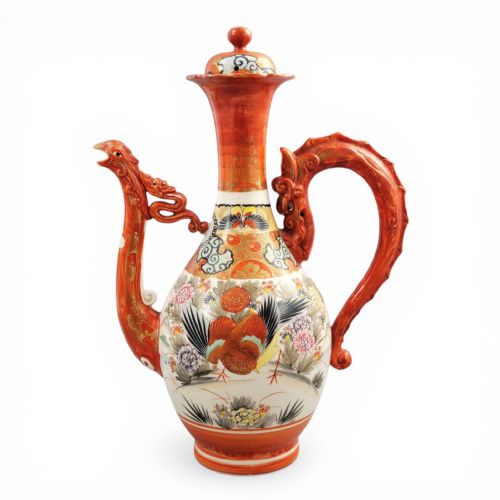
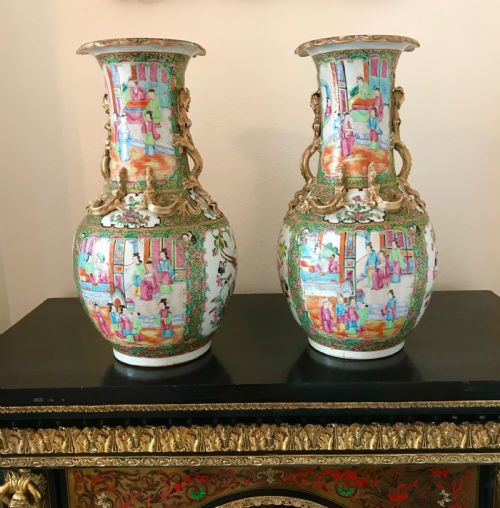
Buyers encountering this selection will frequently find pieces adapted as table lamps or oil lanterns, alongside traditional spill vases and centrepieces. The forms range from large pairs of Imari spill vases to slender Canton vessels and intricate ewers.
The origin of these items spans Chinese and Japanese production centres, including Qing dynasty workshops and Meiji period kilns. Such pieces bring distinct historic character and varied regional styles into British interiors.
Materials and construction
Makers shaped these vessels from fine porcelain, decorating them with vibrant overglaze enamel and intricate hand-painted motifs. Many examples incorporate gilding or gold leaf highlights to enhance the rich visual texture of the surface designs.
Several surviving pieces show subsequent nineteenth-century European interventions, such as ormolu mounts, brass fittings, or electrical rewiring to transform decorative vases into functional lighting. Fabric shades and glass elements also appear on items converted into lamps.
Current listings feature porcelain, enamel, brass, gold leaf, and glass across nineteenth-century Chinese and Japanese styles.
Judging quality and execution
The fineness of the hand-painted enamel work and the precision of the overglaze detailing separate superior examples from standard production. Superior pieces display crisp definition in complex floral, animal, and figurative scenes.
The integration of secondary materials such as ormolu mounts or brass bases influences the overall character of the piece. Skillful mounting complements the porcelain body without obscuring the original nineteenth-century craftsmanship.
The Victorian Export Porcelain Vases Glossary
- Imari
- A style of Japanese porcelain decorated in underglaze blue, iron red, and gold. These bold patterns were widely exported to Europe during the Victorian period.
- Canton
- A style of Chinese export porcelain characterised by crowded panels of figures, birds, and flowers in bright enamels. Production centred on the southern port city for Western trade.
- Ormolu
- Gilded bronze used for decorative mounts on porcelain vessels. Victorian pieces frequently utilised this technique to elevate decorative appeal and adapt vases into lamps.
- Spill vase
- A tall, narrow vessel designed to hold thin wooden spills used for lighting candles or fires. These practical domestic items often double as decorative mantelpiece ornaments.
Victorian Export Porcelain Vases: Frequently Asked Questions
What are victorian export porcelain vases?
These objects are nineteenth-century ceramic vessels manufactured in China and Japan for the Western decorative market. They combine traditional Eastern motifs with the aesthetic preferences of Victorian British homes.
Many survive as pairs or individual centrepieces, reflecting the global trade networks and interior design trends of the period.
How were these vases used?
Originally created as decorative display pieces or functional spill holders, many examples were later adapted into table lamps and oil lanterns. This conversion often involved adding ormolu mounts, brass hardware, and fabric shades.
In Victorian drawing rooms, such items served as striking focal points that demonstrated an appreciation for exotic international goods.
How do I live with them?
These vases suit placement on sturdy sideboards, mantelpieces, or large tables where their detailed enamels can be appreciated up close. When configured as lamps, they provide both ambient lighting and historic visual character.
Care should be taken to protect delicate overglaze enamels and gold leaf highlights from harsh cleaning agents and direct sunlight.
How do I tell styles apart?
Distinguishing between styles relies on examining the palette and subject matter of the porcelain decoration. Chinese Canton and Famille Rose wares display distinct floral and figurative panels, whereas Japanese Imari utilises a sharper red and blue palette.
Reference to periods such as the Meiji period or Qing dynasty helps clarify the regional origin and manufacturing context of each piece.