




Victorian Enamelled Jewellery
Victorian enamelled jewellery brings together rich mineral colours and intricate metalwork, offering wearable history through lockets, rings, and brooches.
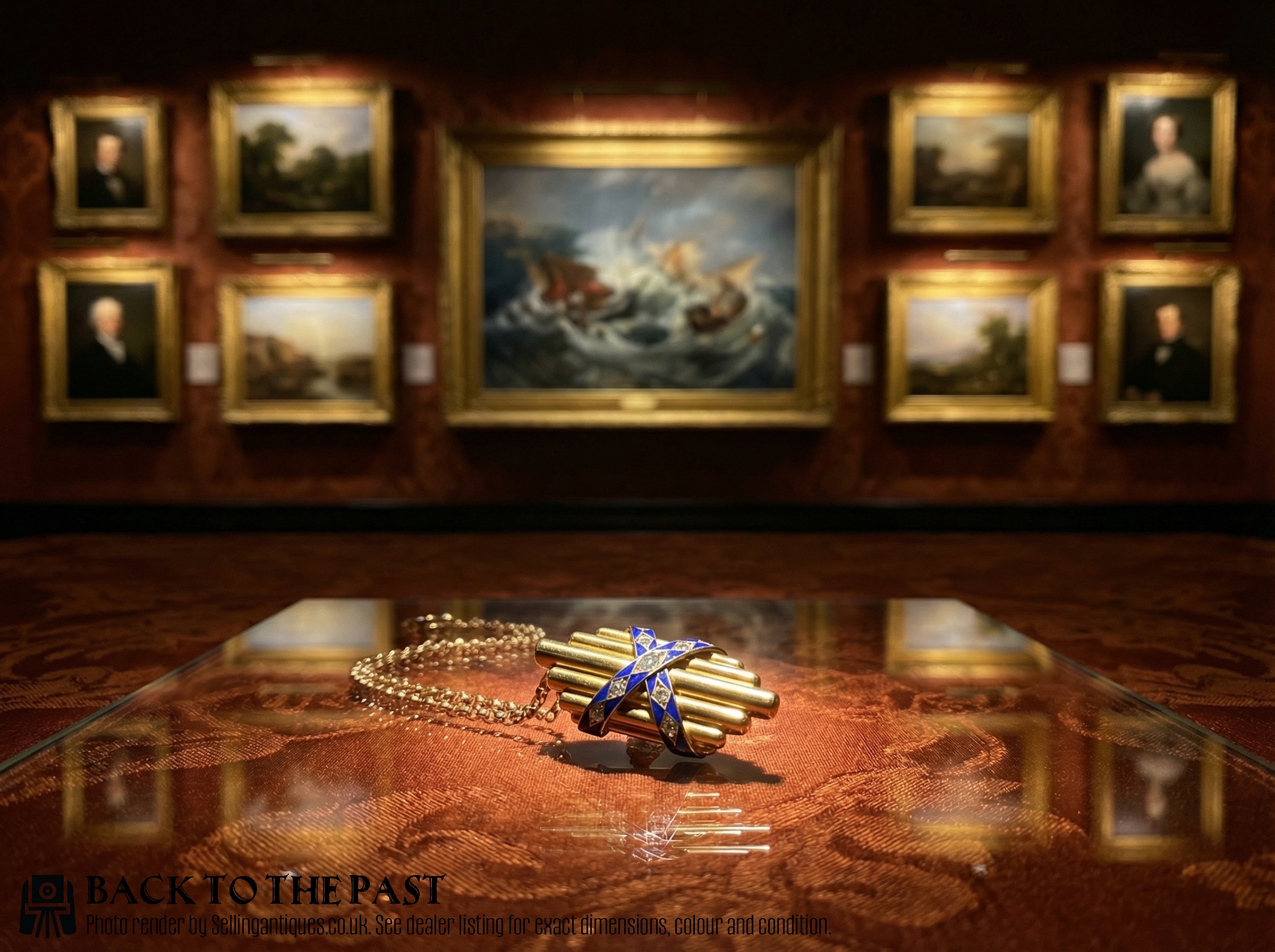
Victorian Enamelled Jewellery
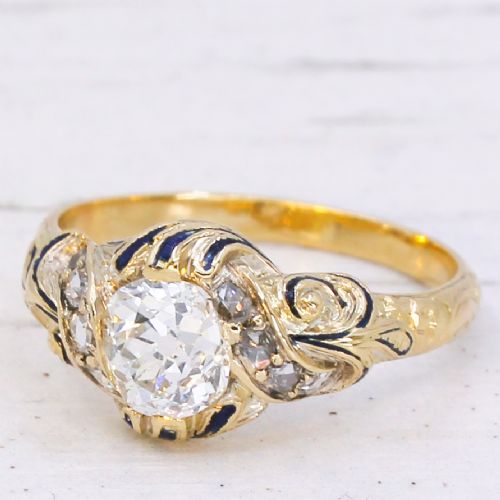
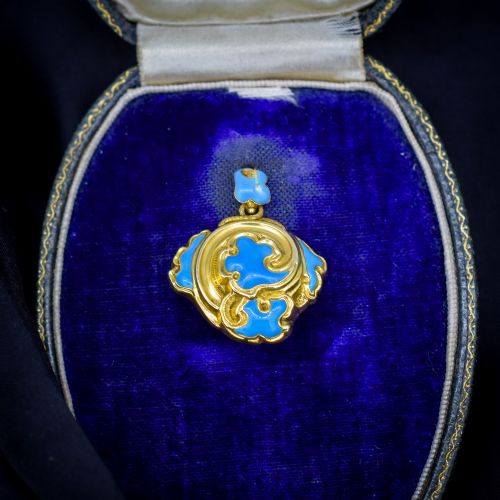
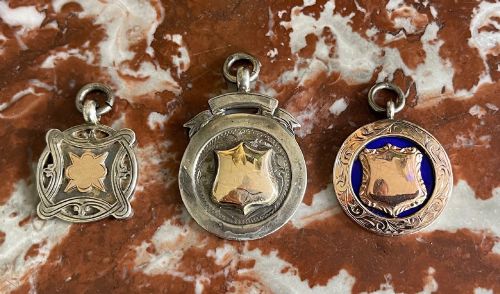
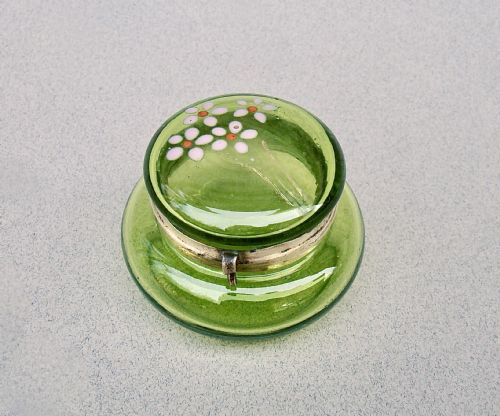
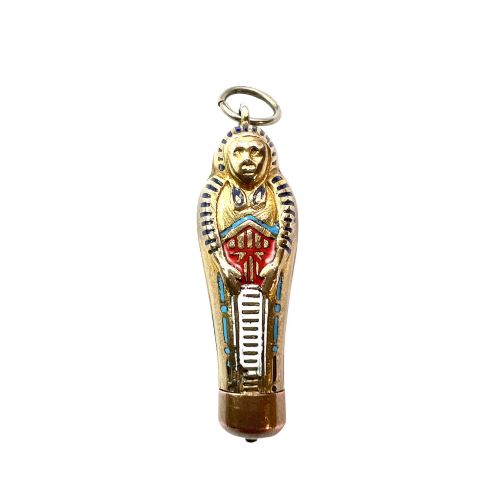
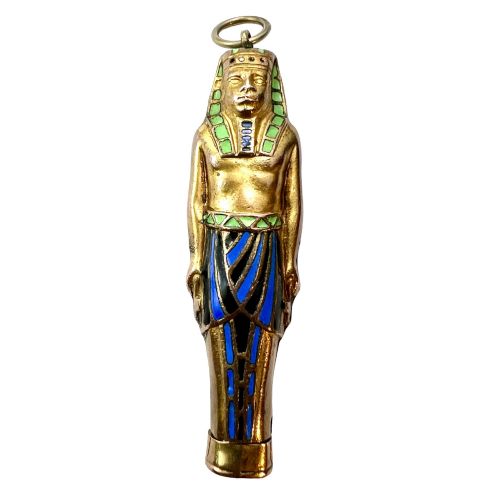
Victorian enamelled jewellery encompasses a varied selection of ornamental objects, featuring brooches, pendants, lockets, rings, and necklaces created during the nineteenth century. These pieces often combine vitreous decoration with precious metals, capturing the aesthetic interests of the period from solemn mourning items to vibrant revivalist designs.
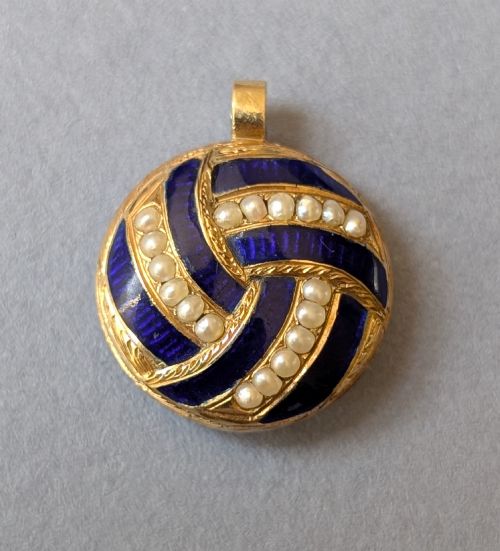
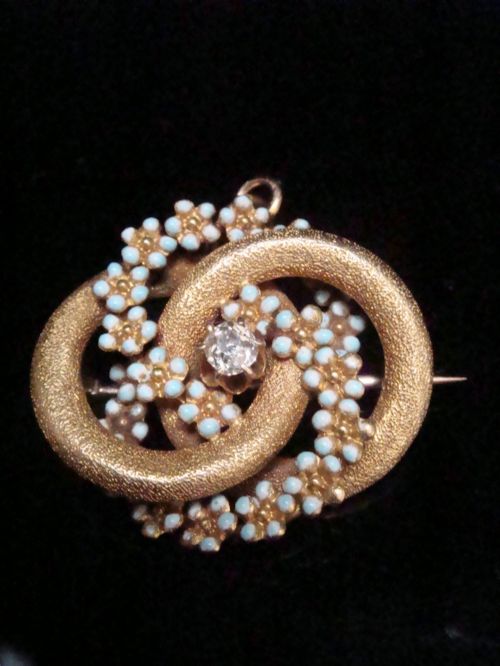
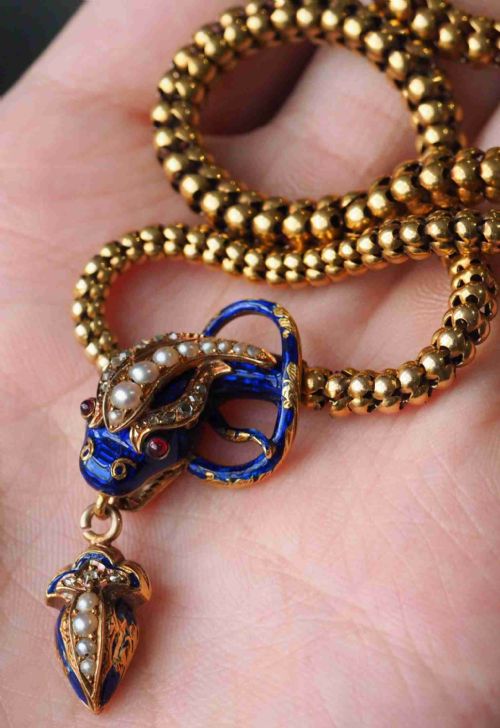
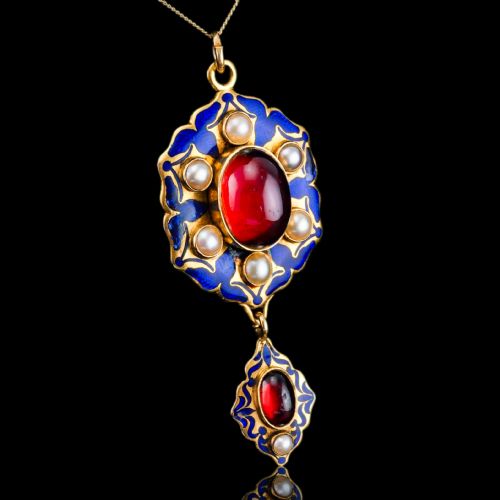
The versions most frequently encountered on this page include gold and silver lockets, pendants, and brooches adorned with blue, black, or red enamel. Many items incorporate pearls, diamonds, and garnets, reflecting the broader decorative tastes spanning from the mid-nineteenth century into the Edwardian era.
Materials and Techniques
Craftsmen utilised various grades of gold, including 15ct and 18ct, alongside silver and silver-gilt, as the structural foundation for these ornaments. Vitreous enamel was fused to the metal surface through high-temperature firing, creating smooth coloured fields or intricate patterns.
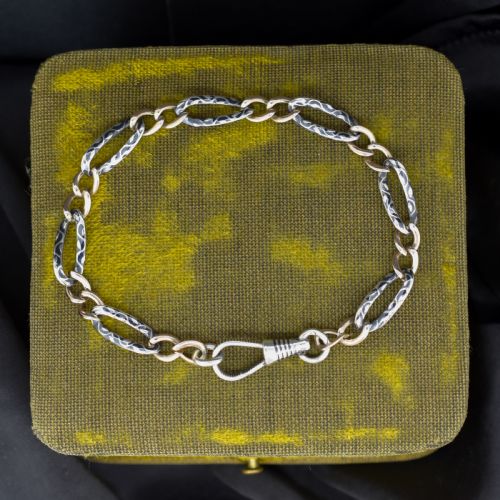
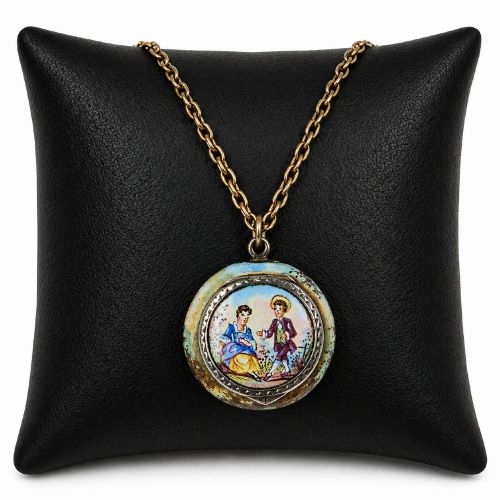
Gemstones such as rose-cut diamonds, natural pearls, and garnets were frequently set alongside the enamel work, sometimes supplemented by hand-painted miniatures or niello detailing to add depth and narrative focus.
Several pieces conceal tiny compartments beneath their glossy enamel surfaces, originally intended to hold secret locks of hair.
Quality and Craftsmanship
The standard of execution in the enamelling itself distinguishes finer examples, noting the evenness of the vitreous surface and the absence of thermal cracking. Superior pieces display precise integration between the enamel work and the surrounding precious metal mount.
Complexity of design and the incorporation of higher carat gold or certified gemstones elevate certain items above standard production. The survival condition of the delicate glass paste or enamel surface remains a central consideration for the integrity of the piece.
The Victorian Enamelled Jewellery Glossary
- Enamel
- A glassy substance fused to metal through heat. It provides vibrant colour and a smooth decorative finish to jewellery surfaces.
- Locket
- A small hinged case designed to hold a miniature portrait or lock of hair. These are frequently embellished with enamel and pearls on the cover.
- Niello
- A black metallic alloy used as an inlay on engraved metal. It creates sharp contrast against silver backgrounds.
- Guilloche
- A decorative technique where a precise repeating pattern is mechanically engraved into metal beneath translucent enamel. This allows light to reflect through the coloured glass.
- Holbeinesque
- A nineteenth-century revival style inspired by sixteenth-century ornaments. These pieces typically feature heavy gold work, enamel, and dangling pearls or gemstones.
Victorian Enamelled Jewellery: Frequently Asked Questions
How do I care for Victorian enamel?
Vitreous enamel is essentially glass fused to metal, meaning it requires gentle handling to prevent scratching or chipping. Clean pieces using a soft cloth without harsh chemical dips or ultrasonic cleaners.
Store items individually in padded boxes to avoid contact with harder gemstones that might damage the surface during movement.
What is mourning jewellery?
Mourning jewellery was created to commemorate deceased loved ones, often featuring black enamel, seed pearls, and compartments for hair behind glass panels. These pieces served as a tangible connection to family members during a period when bereavement customs were strictly observed.
The inclusion of blue enamel alongside black sometimes denoted specific degrees of mourning or remembrance rather than strict grief.
How can I tell the period of a piece?
Dating relies on examining the metal purity marks, fastening mechanisms, and stylistic revival motifs present in the construction. Pieces from the mid-nineteenth century often display distinct characteristics like closed-back gemstone settings and specific gold carat standards.
Maker marks and silver hallmarks, where present, offer precise reference points for narrowing down the year of manufacture.
Can these items be worn daily?
While many of these items were built to last, their age and delicate enamel surfaces mean they benefit from careful, occasional wear rather than daily use. Rings and bracelets experience more physical impact and require particular attention to protect the glass inlay from knocks.
Removing jewellery before swimming, sleeping, or manual tasks preserves the integrity of both the enamel and the fragile stone settings.