


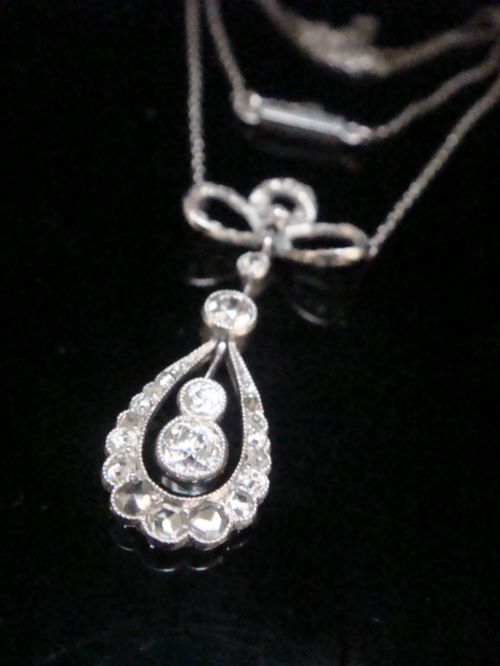

Edwardian Gold Diamond Pendant
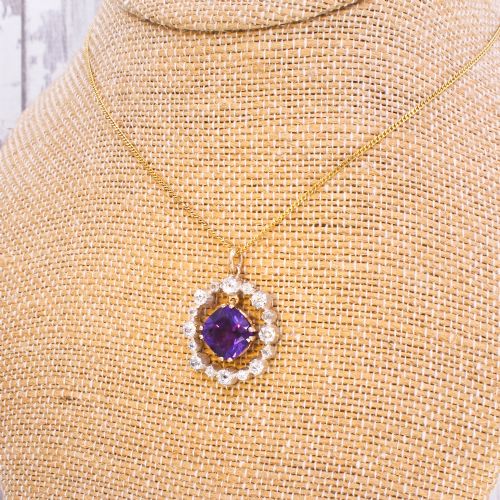
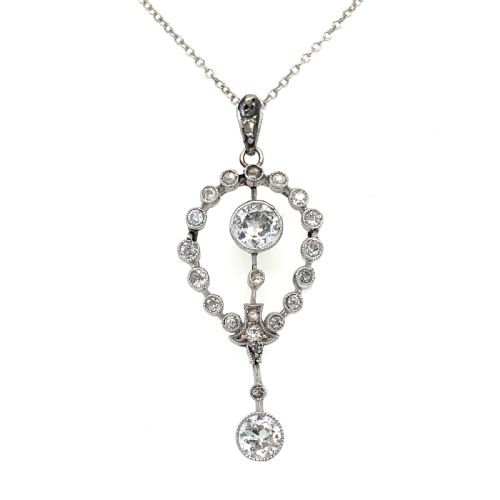
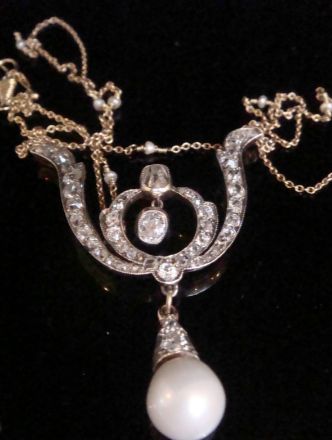
An edwardian gold diamond pendant captures the delicate, garland-style elegance of early twentieth-century jewellery design.
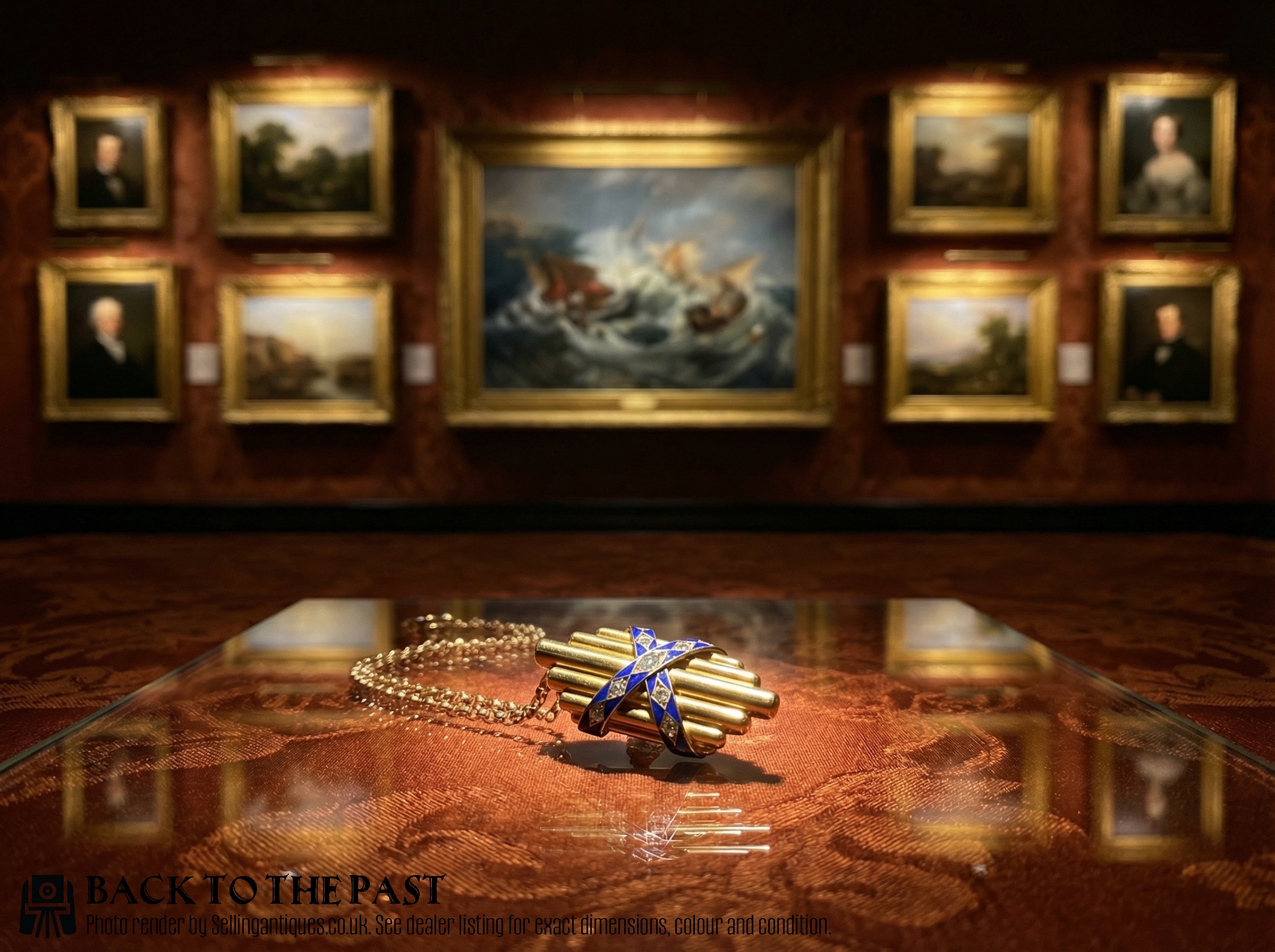
Edwardian Gold Diamond Pendant
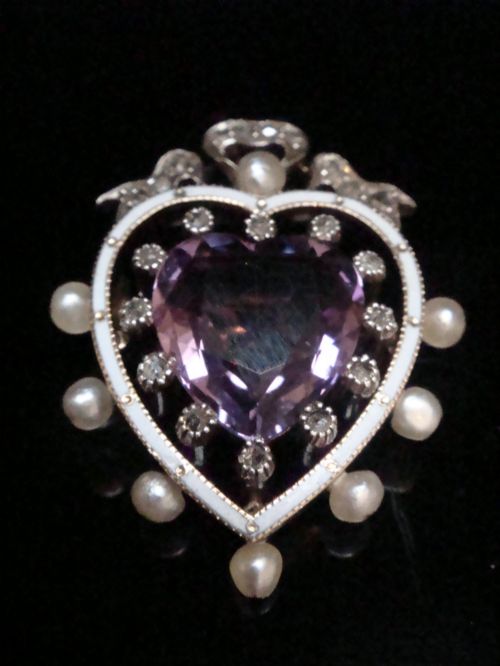
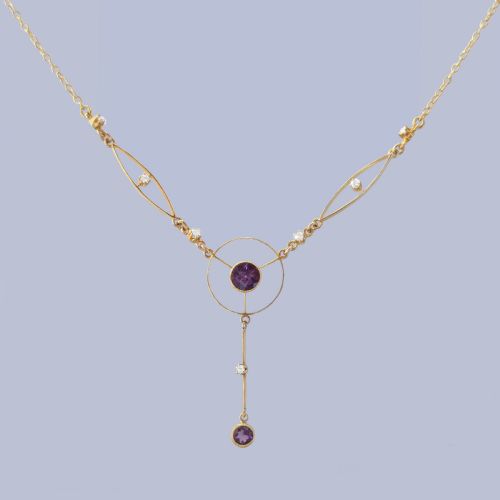
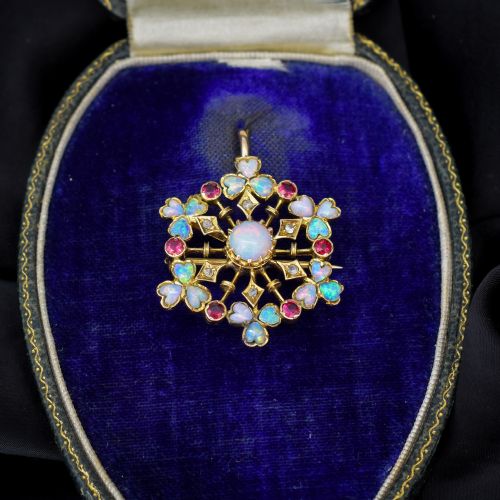
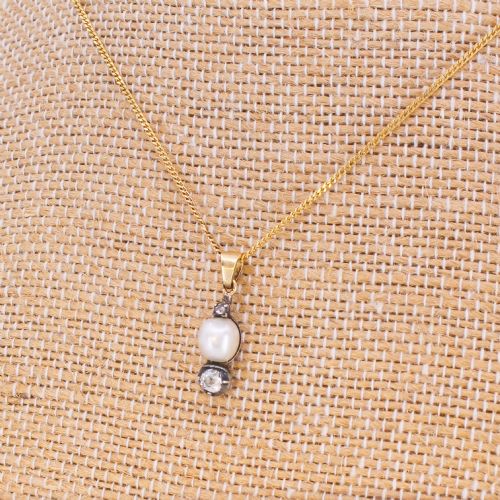
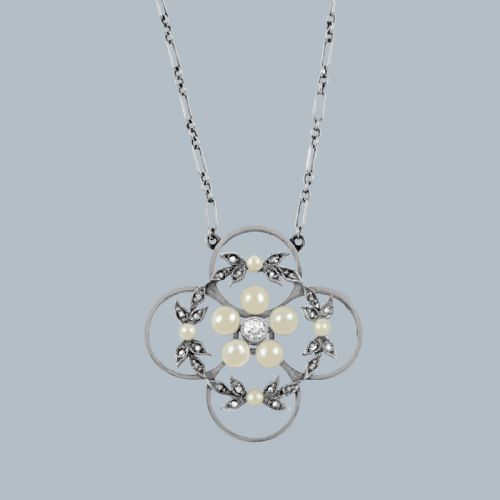
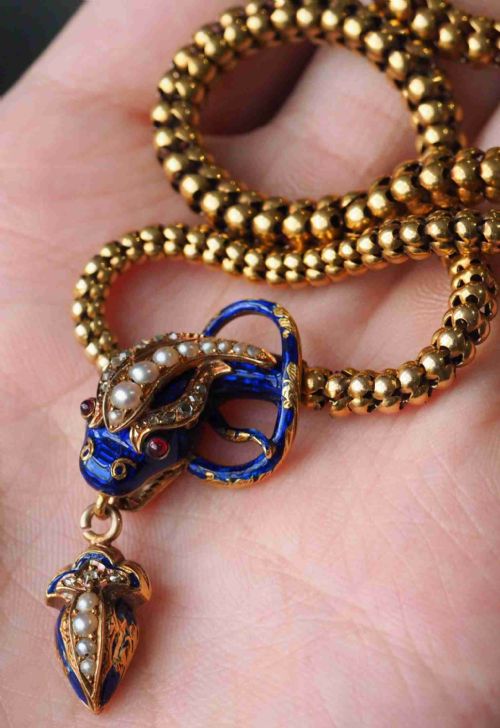
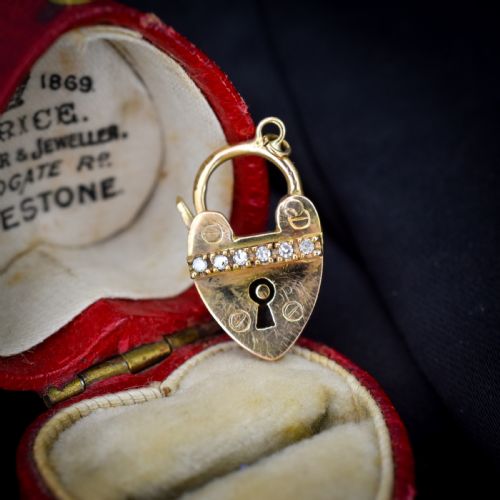
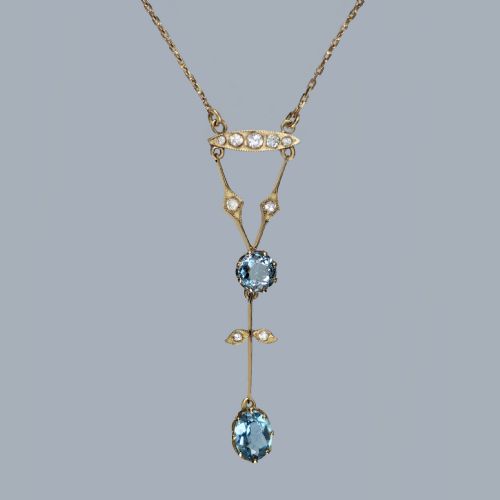
An edwardian gold diamond pendant is a refined jewel typically suspending from a fine chain, often taking the form of openwork scrolls, bows, hearts, or lavaliers. The selection here leans heavily towards pieces created during the Edwardian period and around nineteen-ten, frequently pairing diamonds with pearls or coloured gems such as aquamarine, amethyst, and opal.
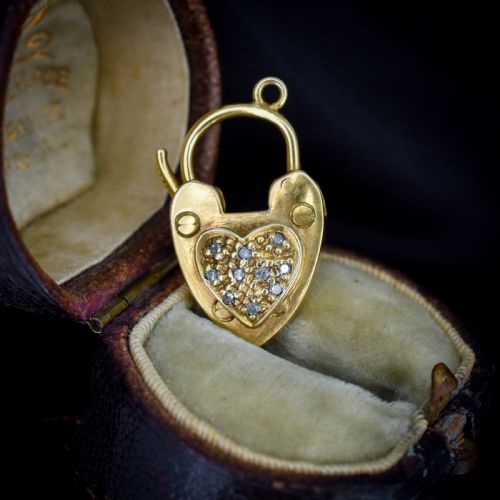
Makers of the era designed these pieces to catch the light during evening wear, employing light platinum settings over gold to maximise the brilliance of old cut stones. Alongside dedicated pendants, the inventory includes convertible brooches and lockets that reflect the versatile ornamentation favoured at the turn of the century.
Materials and construction
Goldsmiths of the Edwardian era combined yellow gold, rose gold, and emerging white metals like platinum to create high-contrast mountings for diamonds. Platinum-topped gold allowed for exceptionally fine claws and millegrain edges without sacrificing structural strength.
Stones were predominantly hand-cut as old European or rose cuts, set alongside natural pearls, enamel, and vibrant gemstones. Component parts were frequently pierced and engraved by hand to achieve the characteristic lace-like lightness of the period.
The listings span the Victorian, Edwardian, and Art Deco periods, showcasing platinum, silver, and gold alongside diamonds, pearls, and opals.
The spectrum of quality
Quality in these jewels rests upon the delicacy of the pierced metalwork and the precision of the stone setting. Finer examples display crisp millegrain beadwork and symmetrical garland motifs executed entirely by hand.
The selection of secondary gems and the match of natural pearls also dictate standing; superior pieces integrate clean aquamarines, opals, or demantoid garnets alongside well-matched old cut diamonds with minimal inclusions.
The Edwardian Gold Diamond Pendant Glossary
- Millegrain
- A decorative technique featuring a row of tiny raised metal beads along the edges of a setting. This method softens the metallic boundary and adds a subtle texture.
- Old cut
- A precursor to the modern brilliant cut diamond, featuring a smaller table, higher crown, and open culet. These stones were hand-shaped to catch candlelight.
- Lavalier
- A necklace design featuring a pendant drop suspended from a central link or chain. It gained immense popularity during the Edwardian and Art Nouveau eras.
- Guilloche enamel
- A decorative technique where transparent enamel is layered over engine-turned metal. This creates intricate, repeating geometric patterns beneath the glossy coloured surface.
Edwardian Gold Diamond Pendant: Frequently Asked Questions
How do I care for an antique pendant?
Clean your piece gently using a soft brush and warm soapy water, avoiding harsh ultrasonic cleaners that might dislodge natural pearls or fragile gems. Store the jewel separately in a lined box to prevent scratching the softer gold or platinum mountings.
Because many Edwardian settings rely on closed backs or delicate foil-backed stones, keep moisture away from the reverse of the pendant. Regular professional checks of the claws will ensure your old cut diamonds remain secure.
How can I tell if a pendant is genuinely Edwardian?
Examine the metal combination, as genuine pieces frequently employ platinum-topped yellow or rose gold to imitate the bright finish of later white gold. Look closely for hand-cut millegrain borders and old European cut diamonds rather than modern brilliant cuts.
Hand-engraved details on the reverse and original pin fittings or bale loops also point towards early twentieth-century benchwork rather than later reproductions.
Can I convert a brooch into a pendant?
Many items from this era were originally made as convertible brooches that included detachable bails or folding loops. You can often thread a fine chain through the existing pin mechanism or hinged loop without altering the antique metalwork.
Consult a specialist jeweller before adding permanent loops to a solid brooch back, as reversible conversions preserve the historical integrity of the piece.