
Victorian Ecclesiastical Antiques
Victorian ecclesiastical antiques bring the solemnity of historic chapel interiors into domestic spaces through heavy timber furnishings and gleaming altar metalwork.
Victorian Ecclesiastical Antiques
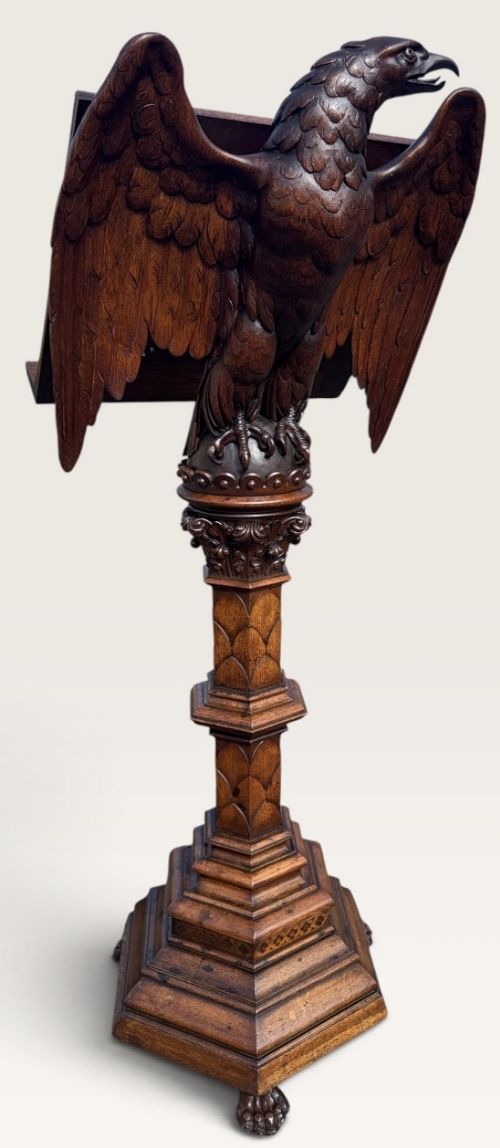
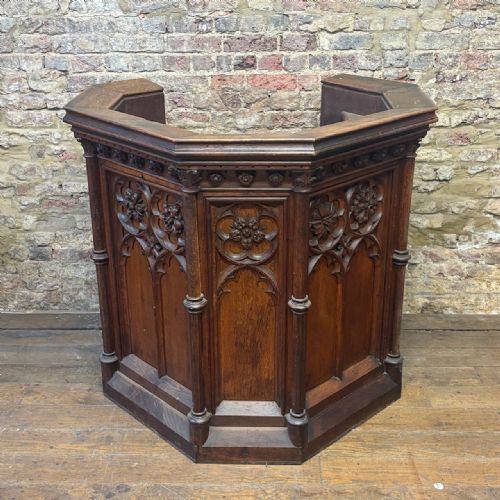
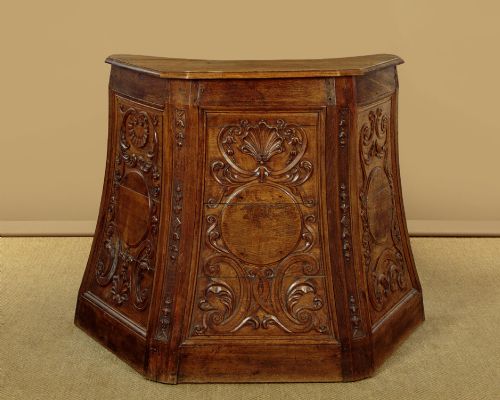
When you examine victorian ecclesiastical antiques, you encounter functional items built for sacred spaces during the nineteenth century. The selection spans robust oak seating, brass altar accessories, and carved pulpits.
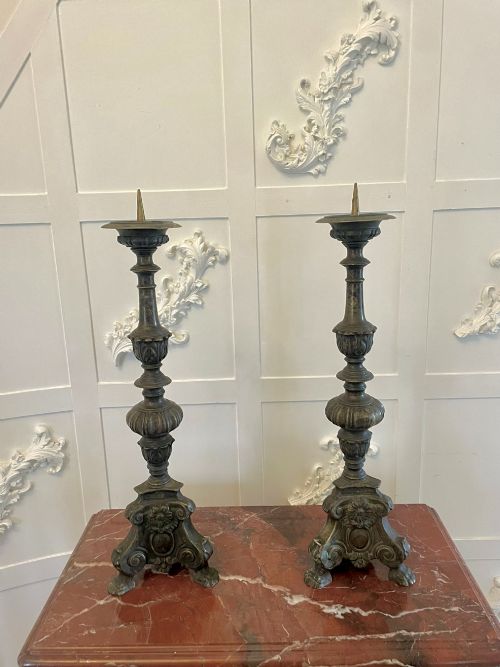
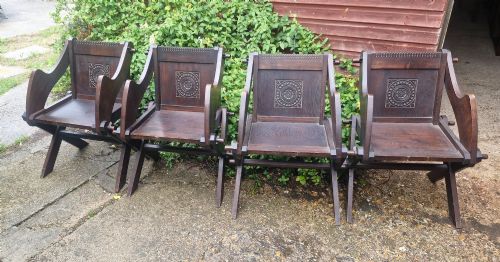
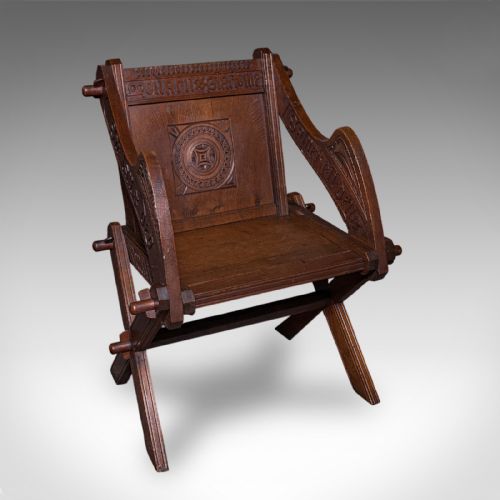
You meet sturdy oak pews, Glastonbury armchairs, and pricket candlesticks alongside prayer desks and chalices. These pieces emerge predominantly from the Victorian period, with styles firmly rooted in the Gothic Revival tradition.
Materials and Technique
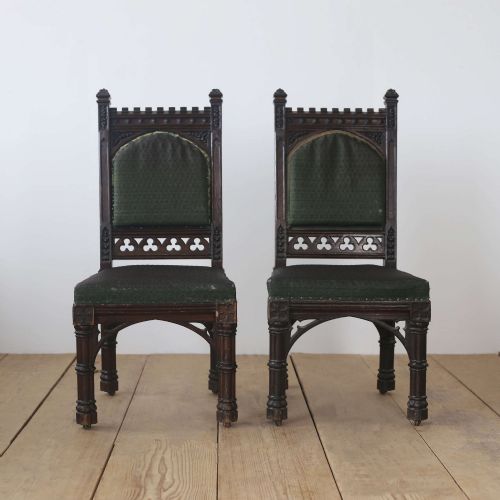
Maker workshops relied heavily on native timbers, predominantly oak and pitch pine, shaped into robust seating and architectural fittings. Joinery was built to withstand heavy daily use in chapels and cathedrals.
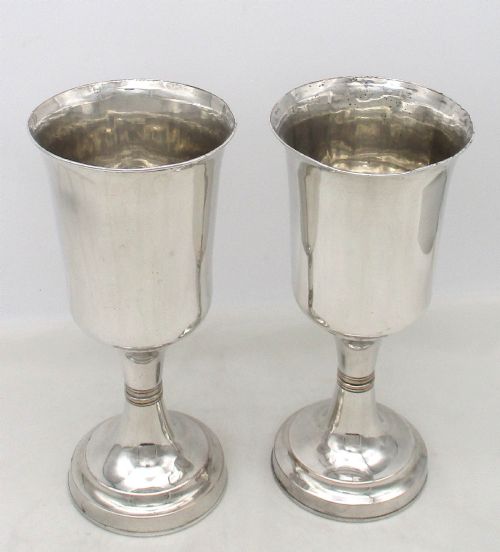
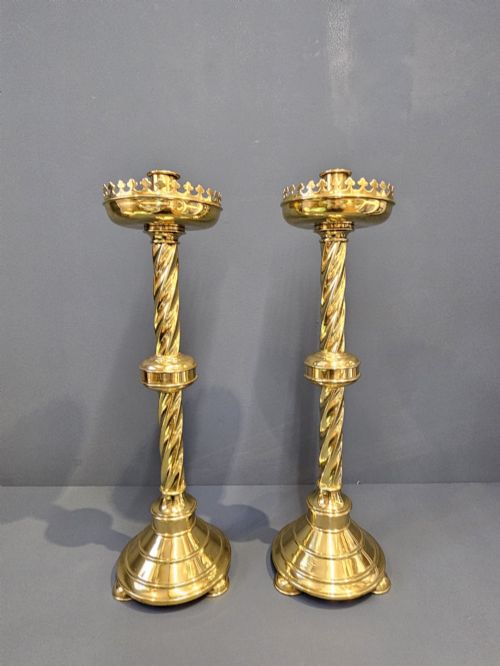
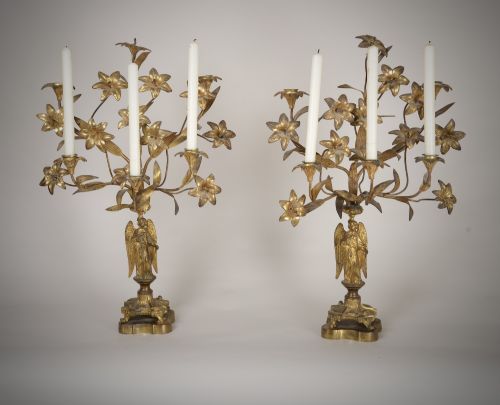
Metalwork utilises brass, bronze, and silver plate, often cast or plated to create durable altar garnitures and pricket candlesticks. Carving and joinery techniques reflect traditional craft methods applied to ecclesiastical commissions.
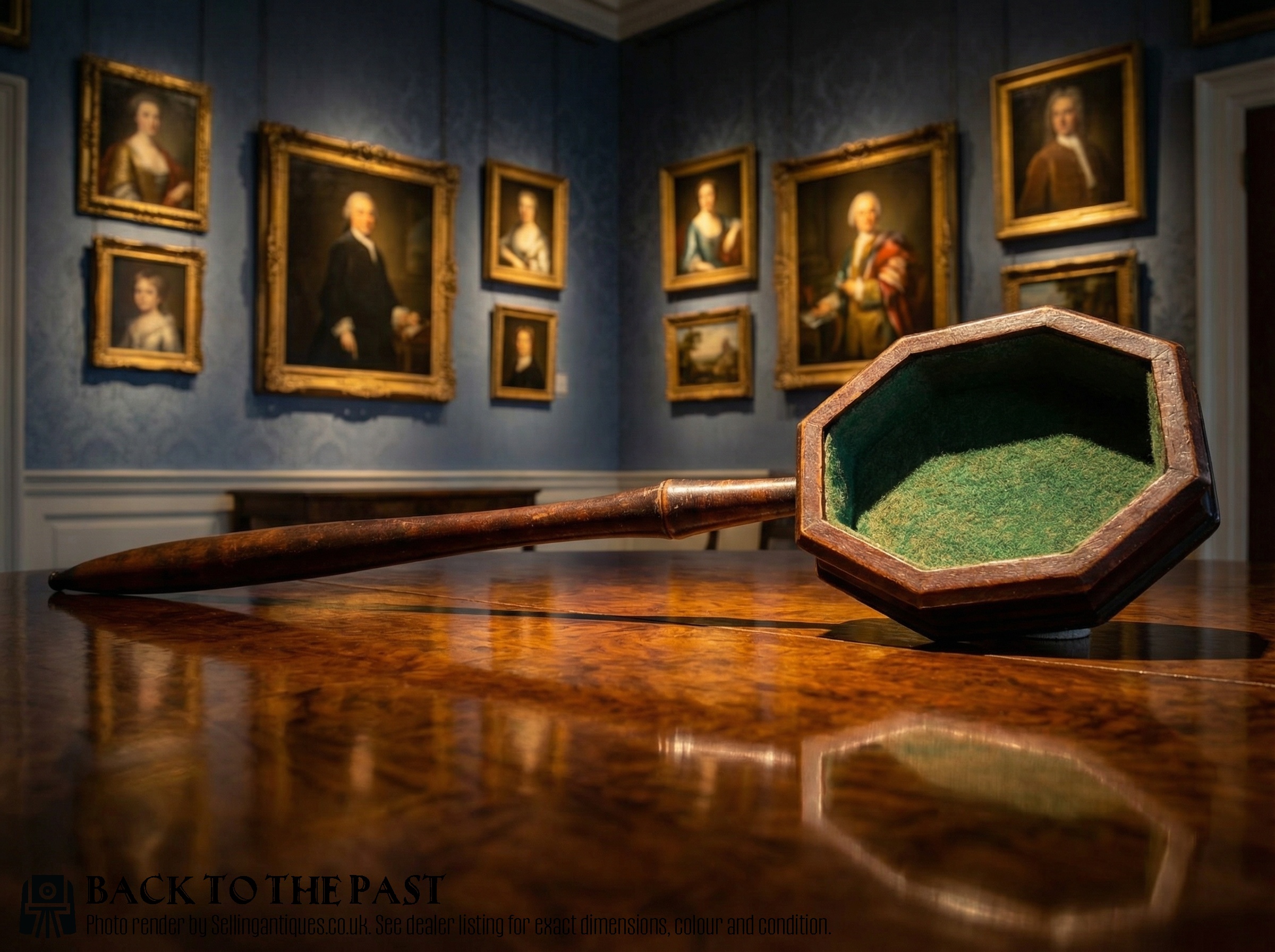
A collection box fitted with a long arm offers a glimpse into historic congregations where parishioners needed an extended reach to pass the contribution pouch.
Evaluating Standards
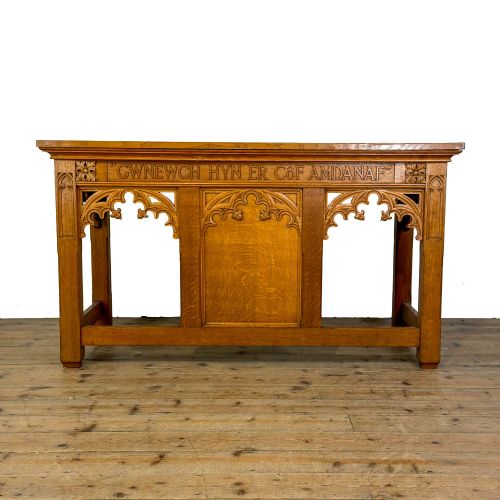
Quality rests upon the crispness of the timber carving and the architectural proportion of the piece. Heavy oak furniture derives its distinction from deep relief work and solid construction rather than surface ornament.
Metal items are judged by the weight of the cast brass or bronze and the preservation of the original plating. Pieces bearing specific ecclesiastical provenance or maker marks distinguish themselves from standard production items.
FA BARRETT·Osborne Garrett & Co
The Victorian Ecclesiastical Antiques Glossary
- Glastonbury chair
- A low wooden armchair with an X-shaped frame, flat arms, and a sloping panel back. This form appears frequently in nineteenth century ecclesiastical settings.
- Pricket candlestick
- A candle holder featuring a sharp metal spike at the centre to secure a wax taper. These tall fixtures traditionally stood upon altars.
- Prie-dieu
- A small wooden desk designed for private prayer, incorporating a sloping shelf for a book and a padded lower kneeler. They are typically constructed from carved oak.
- Pyx box
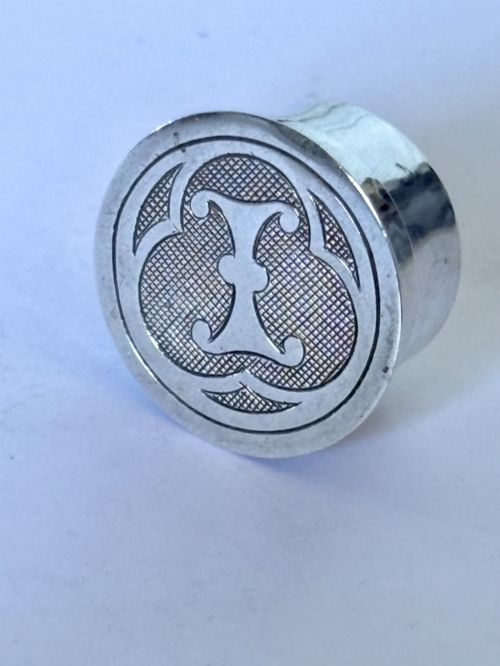
- A small portable vessel used to hold sacred bread. In silver or metal, these containers are often inscribed and hallmarked.
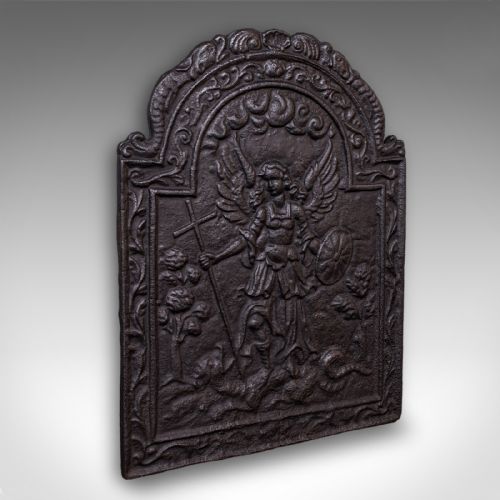
- Fire back
- A heavy cast iron plate placed at the back of a fireplace to reflect heat and protect the masonry. Some ecclesiastical examples incorporate religious motifs.
Victorian Ecclesiastical Antiques: Frequently Asked Questions
How do I use a church pew at home?
Church pews and benches fit naturally into hallways, dining areas, or alongside large wooden tables. Their narrow depth makes them practical for spaces where bulkier seating would obstruct movement.
Most examples are constructed from solid oak or pitch pine and remain sturdy enough for daily seating. Adding loose cushions softens the rigid wooden backrests for everyday living.
How are brass candlesticks cleaned?
Historic brass altar candlesticks typically accumulate centuries of oxidation, which many collectors prefer to leave intact. Vigorous polishing can strip away aged patination and reduce the character of the metal.
Dusting with a soft dry cloth is usually sufficient for maintenance. Avoid chemical cleaning agents that may damage the underlying brass or bronze surfaces.
How do I date an oak prayer desk?
Dating relies on examining the timber grain, joint construction, and the style of the carved Gothic tracery. Nineteenth-century examples often utilise heavy oak with machine-sawn components alongside hand-finished details.
Comparing the construction methods to dated architectural pieces from the same decade helps narrow the origin. Maker marks or inscribed institutional names also provide precise chronological reference.