




Victorian Collection Box
A victorian collection box gathers charitable offerings and mail in grand houses, country parishes, and hotels across the nineteenth century.
Victorian Collection Box
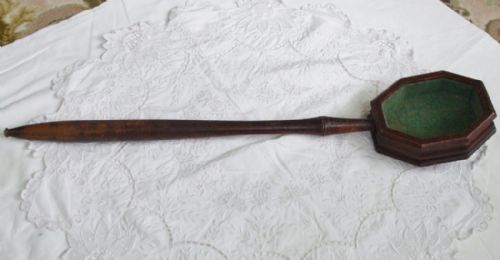
When you search for a victorian collection box, you encounter items designed for gathering funds or sorting post in nineteenth-century settings. These objects emerge in forms such as long-arm church collection boxes, country house postal boxes, alms dishes, and hotel letterboxes.
The pieces on this page span the 1800s, 1880, and 1900, originating from domestic, ecclesiastical, and institutional contexts. You find items linked to specific building types like country houses and hotels, reflecting the administrative and charitable routines of the period.
The selection ranges from wall-mounted or handled alms and collection boxes to large mahogany and oak letterboxes. Each piece serves a functional role in gathering donations or managing correspondence.
Materials and construction
These items rely predominantly on timbers such as mahogany, oak, and burr walnut, paired with brass mounts for hinges, locks, and slots. Woodwork defines the structural housing of postal and collection boxes, often shaped for wall mounting or handheld use.
Glass and velvet appear alongside brass and timber, particularly in display elements and fitted interiors. Artisans utilised these materials to build durable containers suited to heavy daily use in households, hotels, and churches.
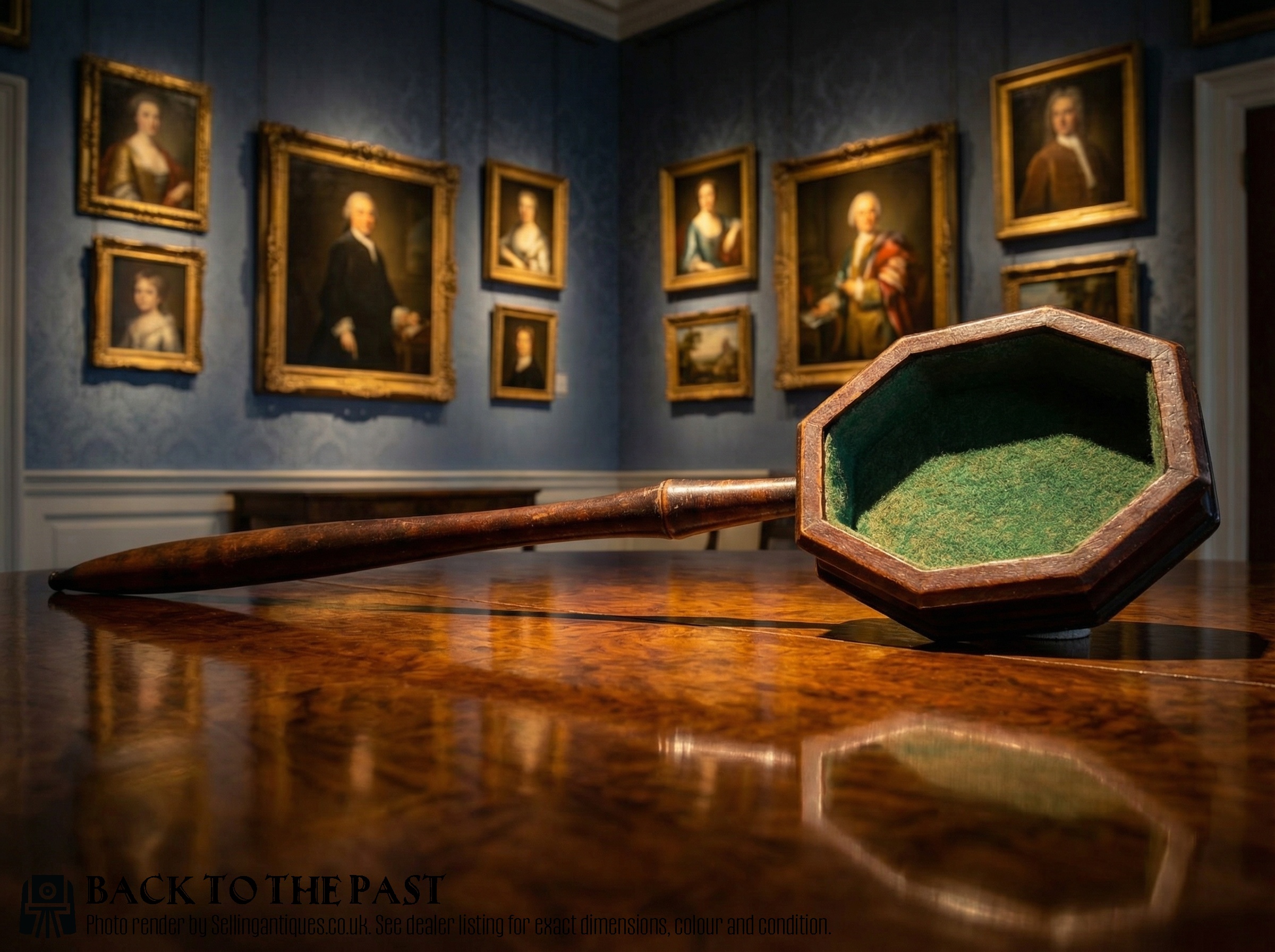
Some church boxes arrived with extra-long wooden arms so wardens could reach distant pews without disturbing the sermon.
Factors of quality
Quality in these pieces rests on the choice of timber and the precision of the brass hardware fitted to the box. Dense hardwoods like mahogany and figured veneers such as burr walnut indicate a higher grade of manufacture than basic utility containers.
The integration of working locks, robust brass mountings, and clean joinery separates standard institutional items from finer pieces intended for prominent country house or hotel interiors.
The Victorian Collection Box Glossary
- Alms Dish
- A metal or wooden vessel used for collecting charitable donations in churches. Welsh examples from the nineteenth century are recorded in this tradition.
- Postal Box
- A container designed for receiving letters and mail before collection. These often feature dedicated slots and secure locking mechanisms.
- Burr Walnut
- A highly figured wood veneer taken from walnut tree growths. It provides decorative patterns on nineteenth-century compendiums and boxes.
- Champlevé
- An enamelling technique where artist-cut troughs in bronze or metal are filled with vitreous enamel. It appears on nineteenth-century table boxes.
Victorian Collection Box: Frequently Asked Questions
What is a church collection box?
A church collection box is a wooden receptacle, often fitted with a long arm, used by parishes to gather monetary offerings from congregations.
These utilitarian objects were built for reach and durability during services in the nineteenth century.
How were country house letterboxes used?
Country house letterboxes served as secure central points for receiving and sorting daily correspondence within large estates.
Staff and residents posted letters through brass-mounted slots into locked wooden compartments.
What woods were used for these boxes?
Cabinet makers utilised timbers such as mahogany, golden oak, and burr walnut for nineteenth-century boxes.
These durable woods supported heavy brass mounts, hinges, and operational letter slots.
How do I date a Victorian box?
Dating relies on identifying timber choices, brass hardware styles, and construction techniques typical of the nineteenth century.
Makers incorporated specific regional materials, such as Welsh oak or domestic mahogany, alongside period locks.