


Victorian Ebonised Pedestals
Victorian ebonised pedestals are striking dark display columns that elevate ornaments and sculptures with nineteenth-century presence.
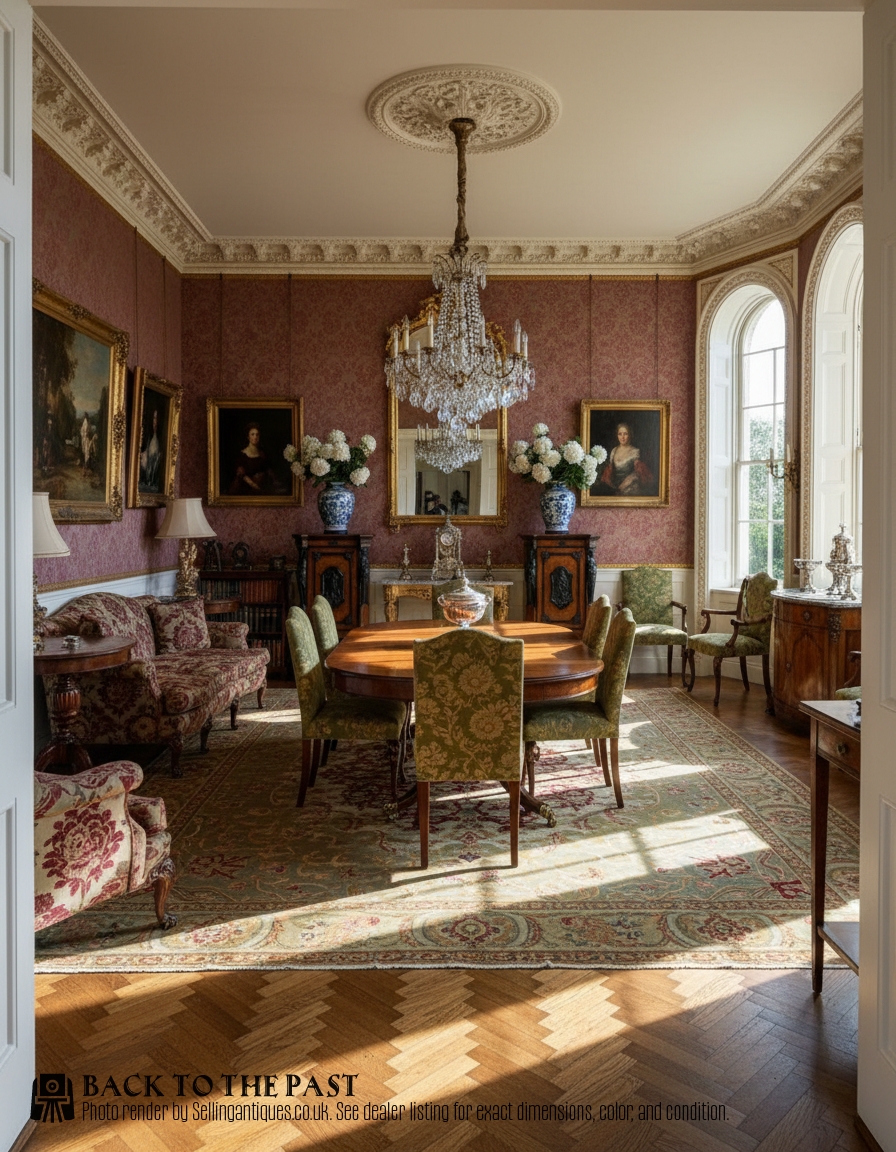
Victorian Ebonised Pedestals
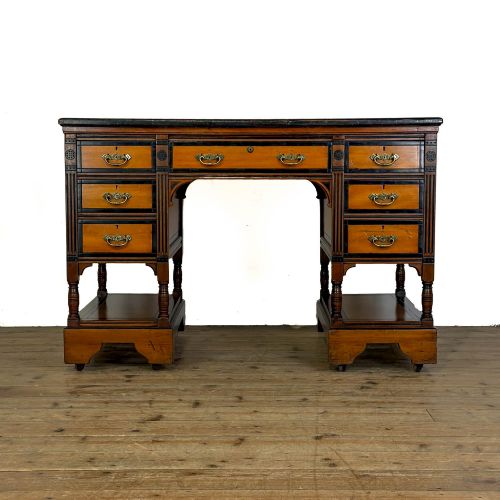
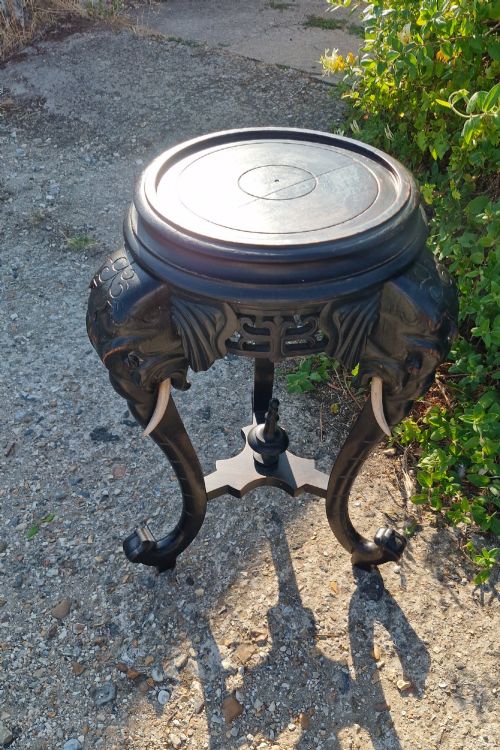
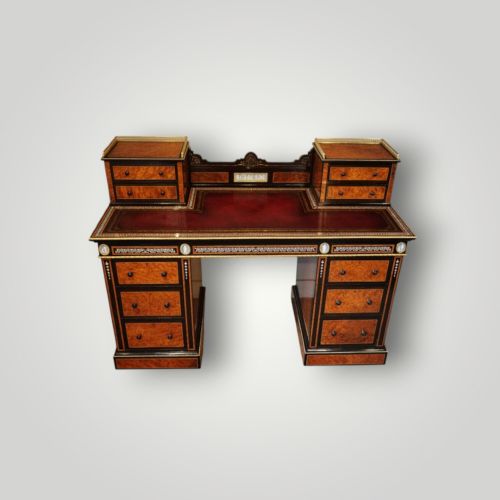
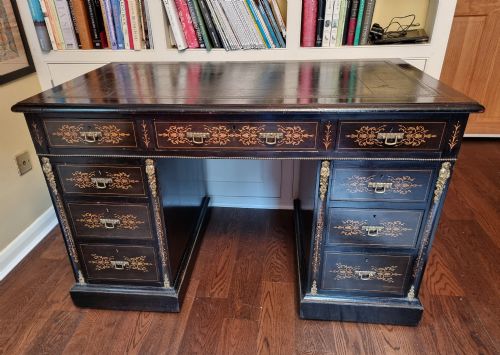
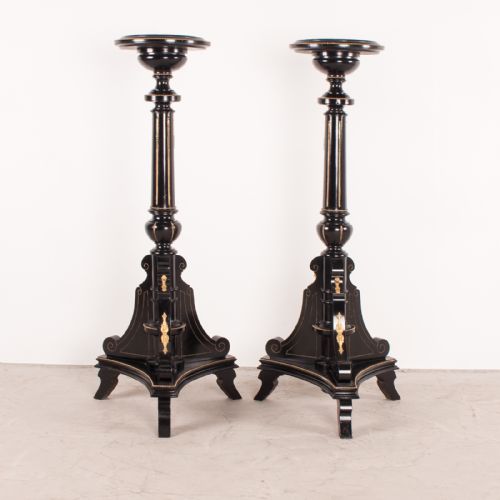
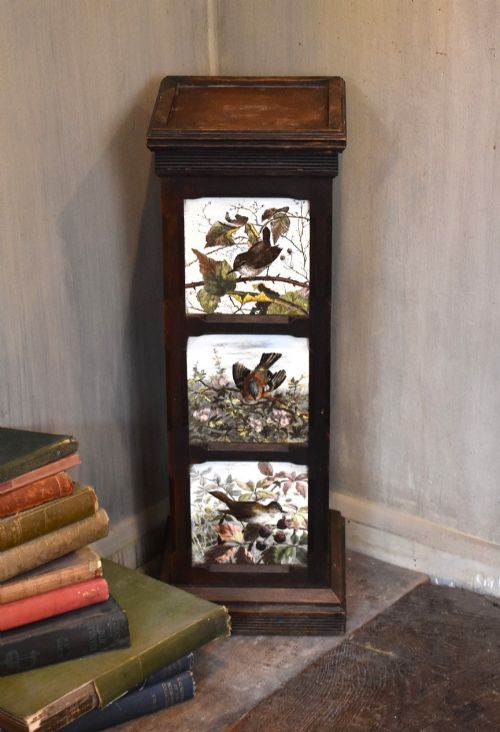
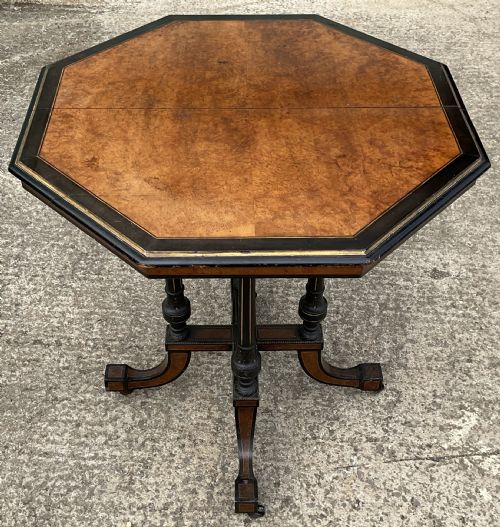
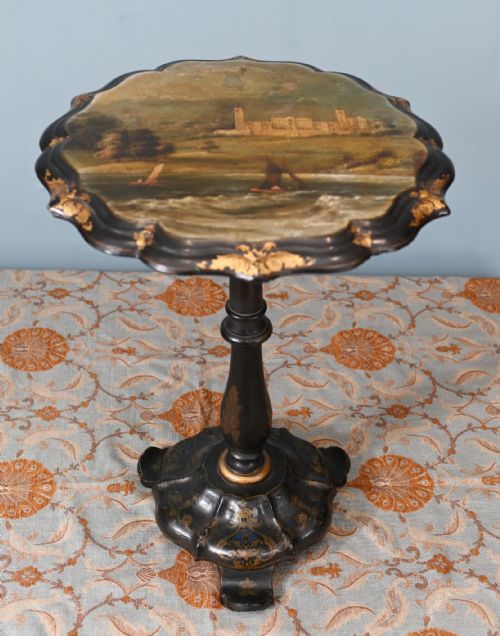
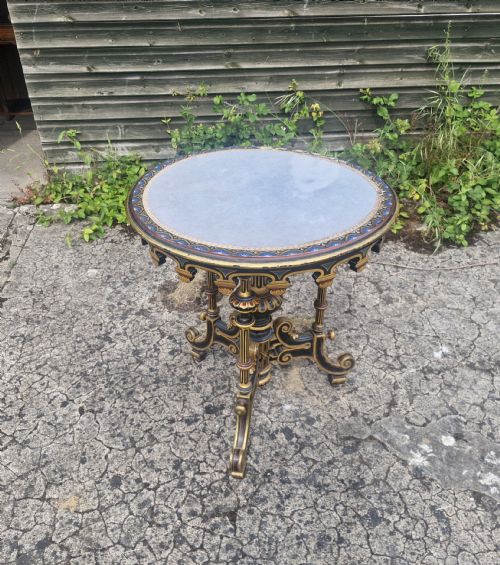
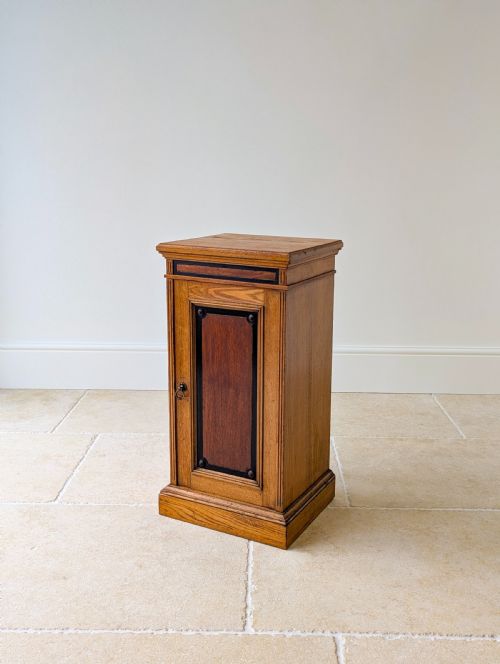
Victorian ebonised pedestals represent a specific taste for darkened woods during the nineteenth century, often appearing alongside related forms such as torcheres, plant stands and occasional tables. These pieces emerge predominantly from periods spanning the mid to late nineteenth century, reflecting the tastes of the Victorian era and the Aesthetic Movement.
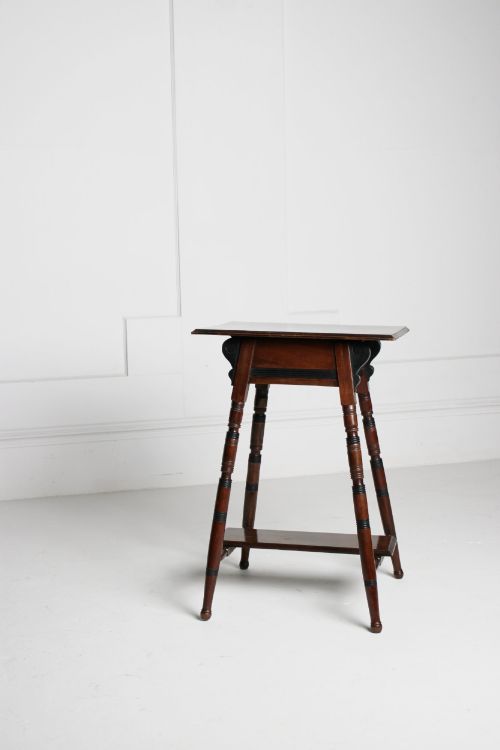
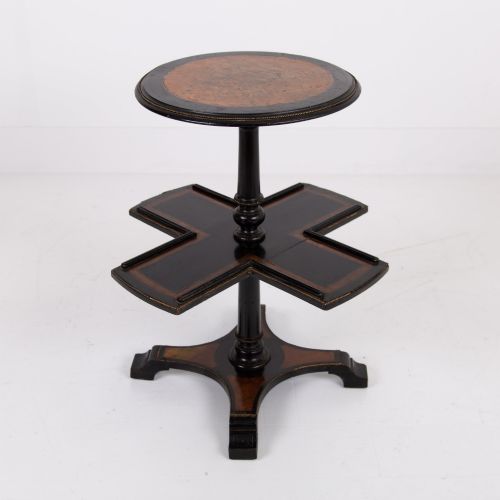
The selection here encompasses tall display columns and paired torcheres designed to hold lamps, urns or decorative objects. While the primary search concerns pedestals, buyers will also encounter stylistic cousins like inlaid occasional tables and centre tables sharing the same dark finish.
Materials and Technique
Cabinet makers utilised hardwoods, mahogany and walnut as the structural base for these items, applying dark ebonising finishes to simulate costly exotic ebony. This treatment often partners with contrasting inlays of bone, ivory, brass or lighter timbers like burr walnut and amboyna.
Construction techniques involve careful turning, carving and joinery typical of nineteenth-century workshops. Decoration ranges from subtle polished surfaces to intricate marquetry and painted details.
Materials recorded across the selection include ebonised wood, brass, burr walnut, mahogany, coromandel and rosewood.
Assessing Quality
Quality in these pieces rests upon the crispness of the carving, the stability of the central column and the precision of any inlaid details. Pieces bearing workshop attributions or signatures display superior craftsmanship in their secondary timbers and joinery.
The depth and durability of the ebonised finish significantly affect the overall impact of the piece. Finer examples maintain an even, lustrous sheen that highlights the underlying wood grain rather than masking poor timber.
Jackson and Graham·Edwards and Roberts·Druce and Co London·Gillow and Co
The Victorian Ebonised Pedestals Glossary
- Ebonised
- Wood treated with stain, dye or paint to imitate ebony. This technique gained immense popularity during the Victorian period for achieving a sleek, dark surface.
- Torchere
- A tall, slender stand designed specifically to hold a light or candle. These pieces often feature decorative carving and match in pairs.
- Marquetry
- Decorative patterns formed by inserting pieces of wood, bone or metal into a veneered surface. Makers applied this technique to tabletops and pedestal columns.
- Aesthetic Movement
- A late nineteenth-century design style emphasising visual beauty over narrative content. Pieces from this movement often feature ebonised surfaces and oriental influences.
Victorian Ebonised Pedestals: Frequently Asked Questions
What were pedestals used for?
These tall stands served primarily to elevate decorative objects, bronze urns, lamps or sculptures within a Victorian interior. By raising items to eye level, rooms could display art pieces securely.
They functioned as both practical furniture and decorative statements in nineteenth-century drawing rooms and hallways.
How do I care for ebonised wood?
Keep ebonised surfaces away from direct sunlight and excessive moisture to prevent the dark finish from fading or lifting. Regular dusting with a soft, dry cloth preserves the polished sheen.
Avoid standard silicone polishes, opting instead for occasional applications of appropriate furniture wax if the wood appears dry.
Are these pieces stable for heavy items?
Most pedestals feature weighted or wide bases designed to distribute weight evenly and prevent tipping. However, the stability depends on the specific footprint and the condition of the central column joints.
Lighter decorative objects and lamps suit these stands best, while exceptionally heavy sculptures require careful placement to ensure balance.
How do I identify Aesthetic Movement pieces?
Aesthetic Movement items typically feature ebonised surfaces combined with simple geometric forms or Japanese-inspired motifs. Look for contrasting details like inlay work or painted elements that break up the dark expanse.
These pieces date predominantly from the late nineteenth century and reject heavy Victorian ornamentation in favour of artistic refinement.