


Victorian Ebonised Low Chair
A victorian ebonised low chair brings dark polish and low-slung seating to a room, offering both comfort and strong nineteenth-century character.
Victorian Ebonised Low Chair
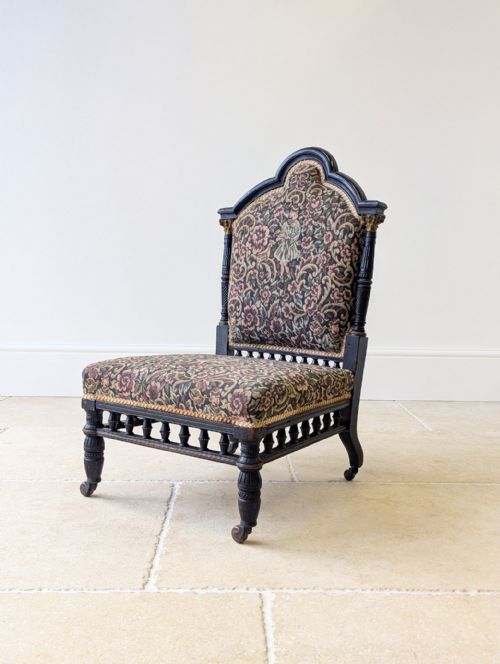
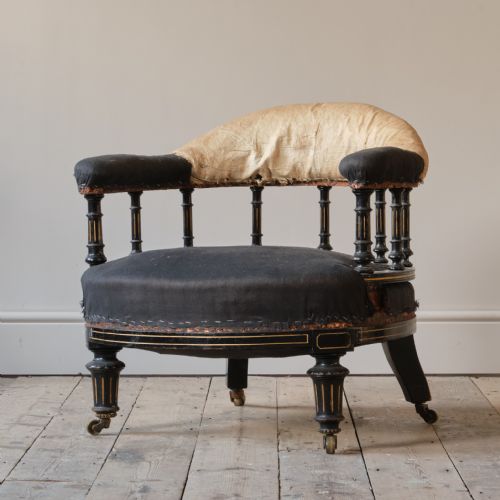
When you search for a victorian ebonised low chair, you encounter a selection of seating forms from the nineteenth century designed with dark-finished timber frames and intimate proportions. These pieces appear primarily as nursing chairs, salon chairs, and prayer chairs, often associated with the Aesthetic Movement.
The materials recorded in these pieces combine ebonised wood frames with various fabric coverings, including velvet, cotton calico, and hessian. The forms span English and French origins, featuring low seats intended for drawing rooms, bedrooms, and intimate sitting spaces.
How they were made
Makers utilised ebonised wood to imitate expensive ebony, applying a dark stain and polish to standard timbers to create a sleek surface that often highlighted gilt details. Frames were constructed using traditional joinery methods suited to low-slung armchair and nursing chair designs.
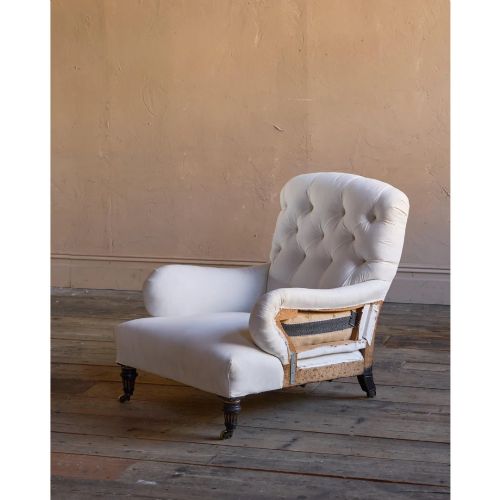
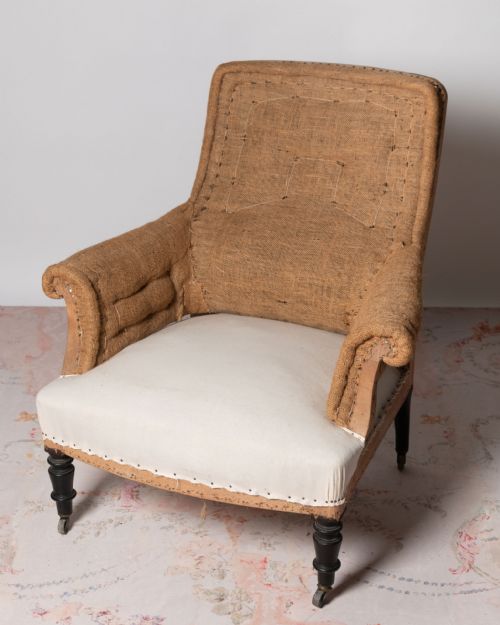
Upholstery techniques involved stuffing with materials like horsehair or cotton, secured over webbing and finished with top fabrics such as velvet or calico. Button upholstery and decorative braids frequently completed the finish on these nineteenth-century seats.
Listings for this phrase include pieces from the Victorian era, French Napoleon III period, and Edwardian times, using ebonised wood, velvet, and brass.
What varies in quality
The distinction between standard and superior examples rests upon the crispness of the ebonisation and the retention of original gilt highlights. Finer pieces demonstrate more refined turnings or carvings on the wooden framework.
Quality also shows in the integrity of the underlying frame and the proportion of the low seat. Pieces retaining period upholstery materials or maintaining firm structural joinery stand apart from those requiring extensive reconstruction.
Gillows·Maple & Co
The Victorian Ebonised Low Chair Glossary
- Ebonised wood
- Timber stained and polished to resemble ebony, popular in nineteenth-century furniture design. This finish provides a dark, uniform surface that contrasts with gilt accents or colourful upholstery.
- Nursing chair
- A low-seated Victorian chair originally designed for women to nurse infants comfortably near a fire. These pieces typically feature a low profile and an upholstered back.
- Aesthetic Movement
- A late nineteenth-century design style emphasising visual beauty over narrative subject matter. Pieces from this movement often incorporate ebonised finishes and Japanese-inspired motifs.
- Prie Dieu
- A traditional prayer chair featuring a low seat and an elevated, padded top rail designed for kneeling devotions. Examples from the nineteenth century are frequently constructed with ebonised wood.
- Salon chair
- A light, decorative armchair intended for formal reception rooms. These chairs match the aesthetic of polite society spaces during the Victorian period.
Victorian Ebonised Low Chair: Frequently Asked Questions
What is a victorian ebonised low chair used for?
These low seats served practical functions in nineteenth-century bedrooms and drawing rooms, often used as nursing chairs or intimate fireside seating.
Today, they function well as accent chairs in modern living spaces, providing a compact footprint and distinct period character.
How do I identify an Aesthetic Movement chair?
Aesthetic Movement pieces from the nineteenth century often feature ebonised wood frames, geometric turnings, and stylized decorative motifs.
They reflect a shift toward artistic design, frequently paired with rich velvet or patterned fabric upholstery.
What is a prayer chair?
A prayer chair, or prie dieu, is characterised by a low seat and a high, padded upper rail designed for kneeling and leaning during devotions.
Nineteenth-century versions often pair ebonised wooden frames with velvet upholstery.
How do I care for ebonised wood?
Ebonised surfaces require gentle dusting with a soft cloth to protect the dark polish and any gilt highlights from abrasion.
Avoid placing these chairs in direct sunlight or near heat sources to prevent the wood finish and fabric from fading.