


Victorian Ebonised Clock
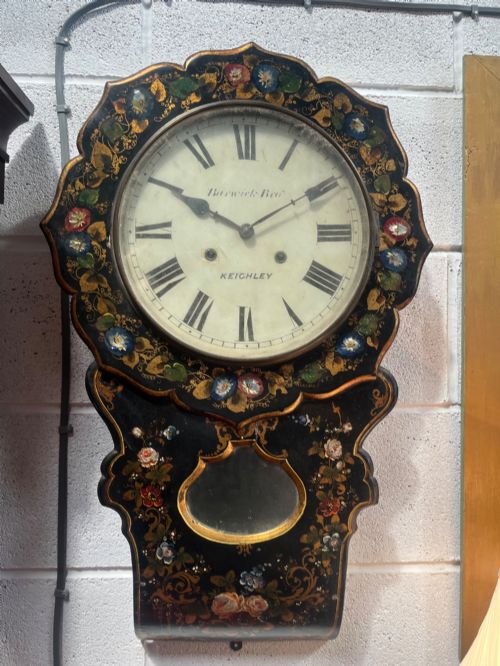
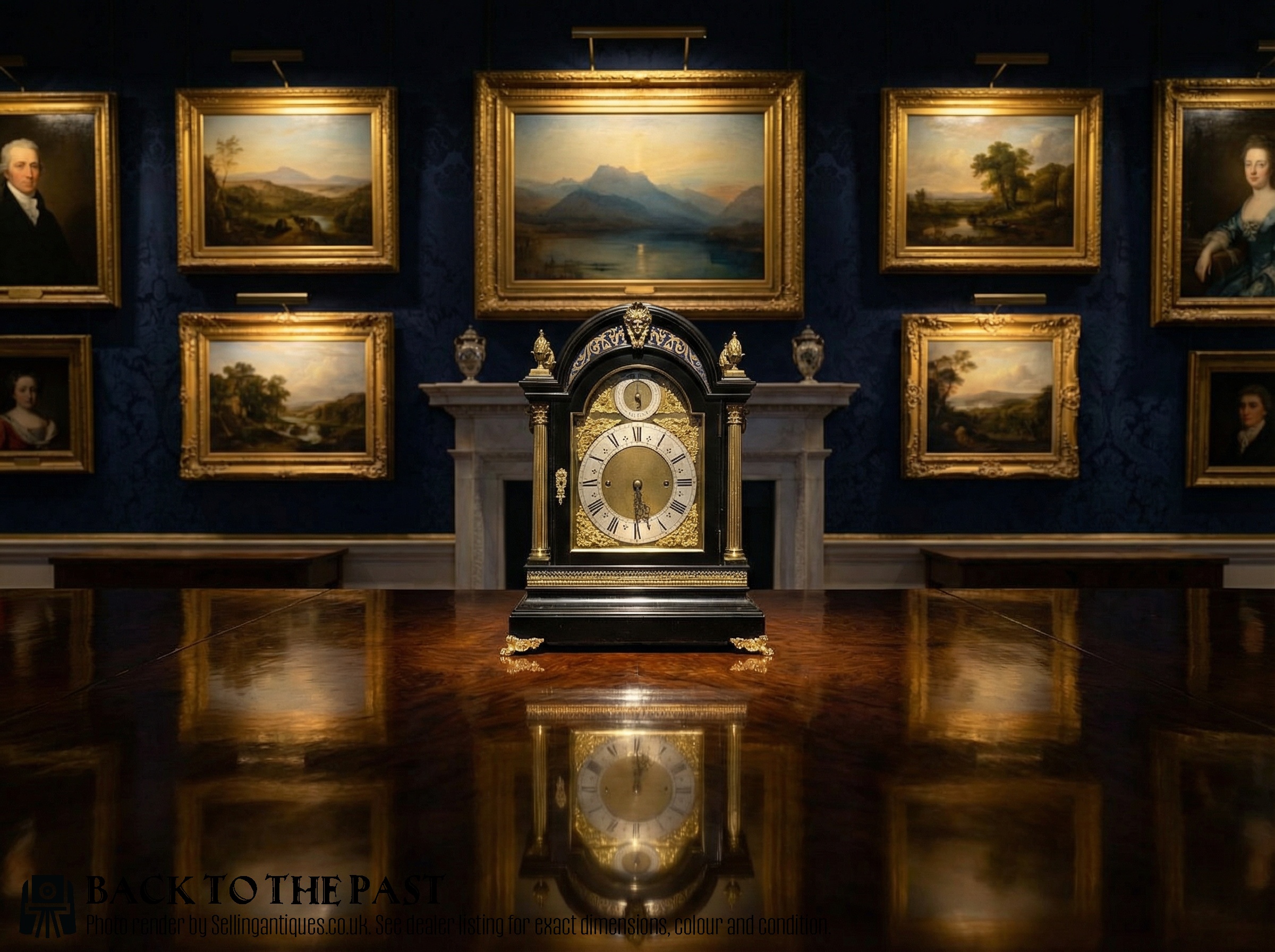
A victorian ebonised clock brings dark timber finishes and precise movement into a room, offering the appeal of nineteenth-century craftsmanship.
Victorian Ebonised Clock
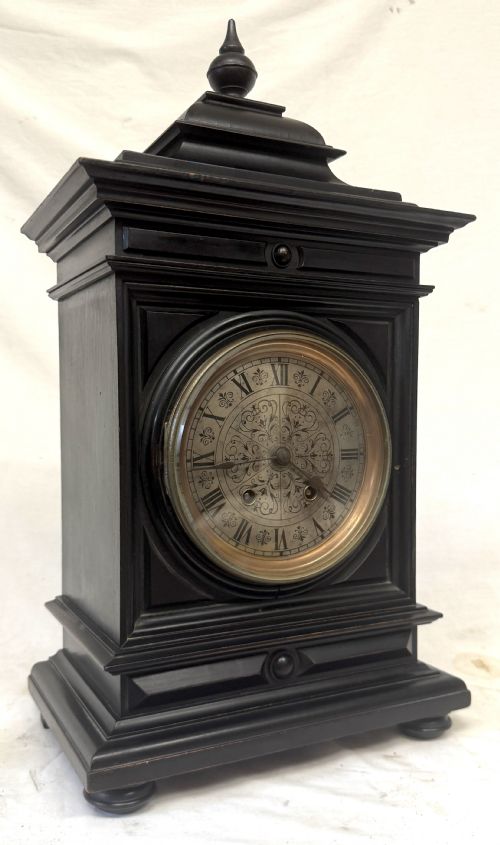
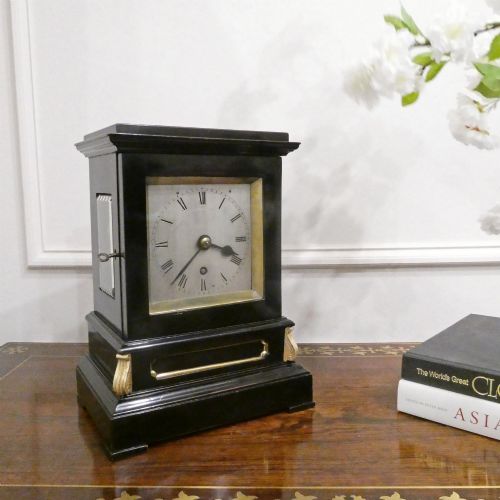
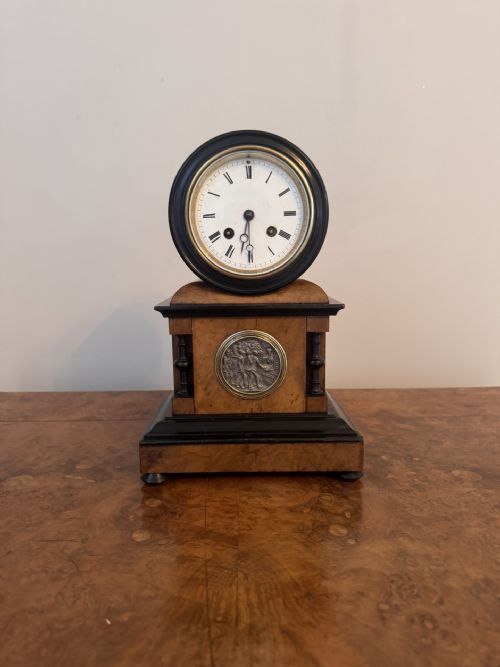
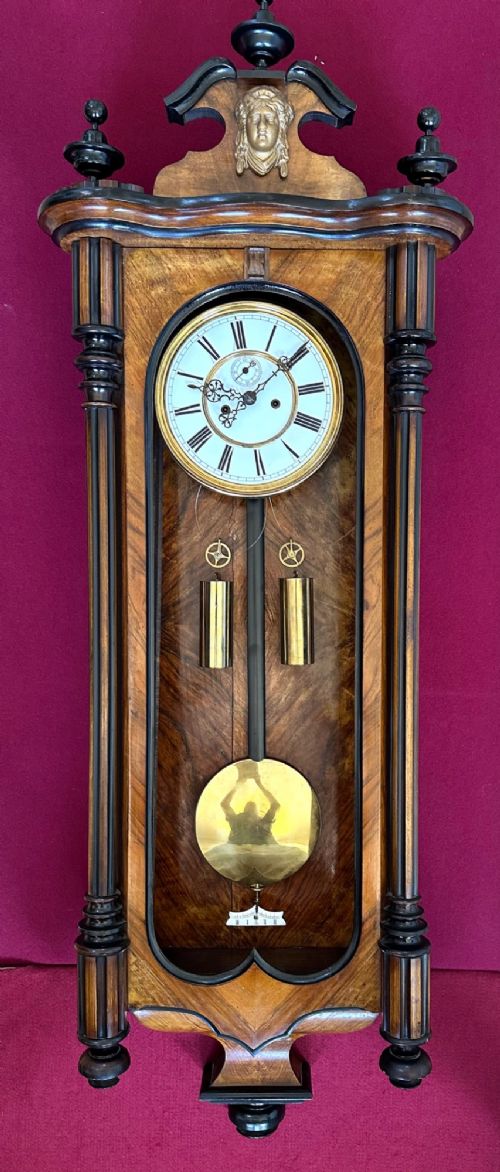
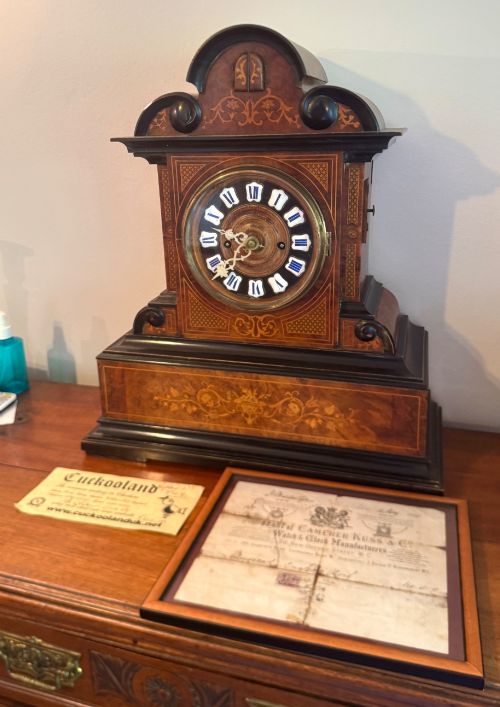
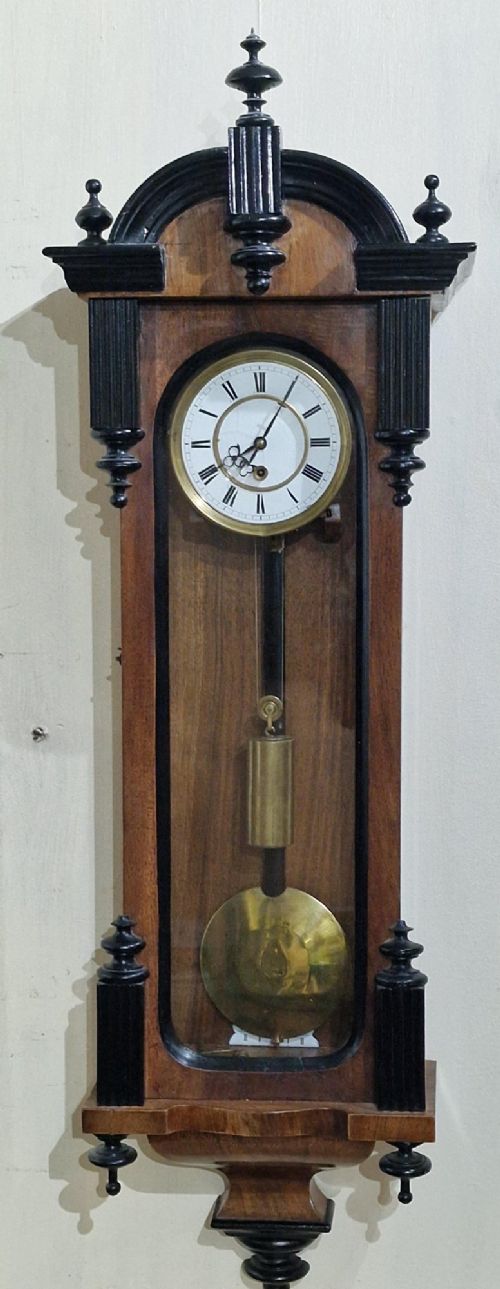
When searching for a victorian ebonised clock, collectors encounter several distinct forms spanning the nineteenth century, including mantel clocks, wall clocks, and bracket clocks. The aesthetic relies on dark, blackened timber surfaces that mimic ebony, frequently paired with contrasting metal mounts or inlaid details.
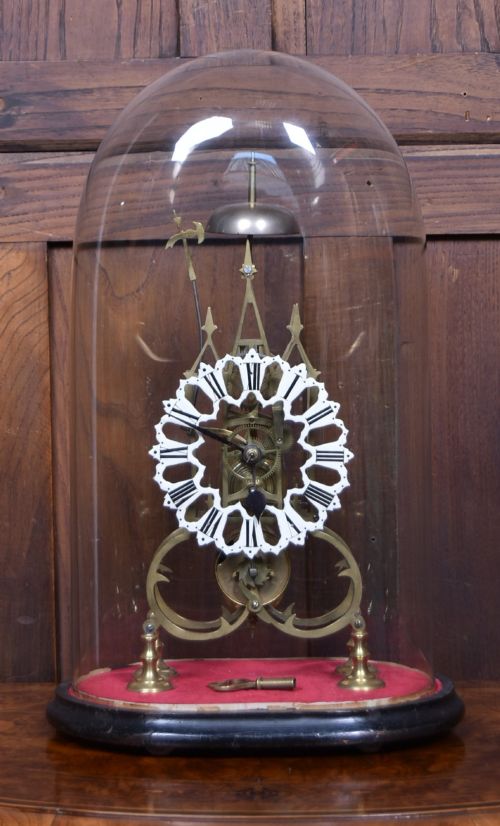
Mantel and bracket examples predominate on this page, often driven by single fusee movements or striking mechanisms housed in architectural wood cases. Variants span English library pieces and French styles, sometimes accompanied by glass domes for display.
How they were made
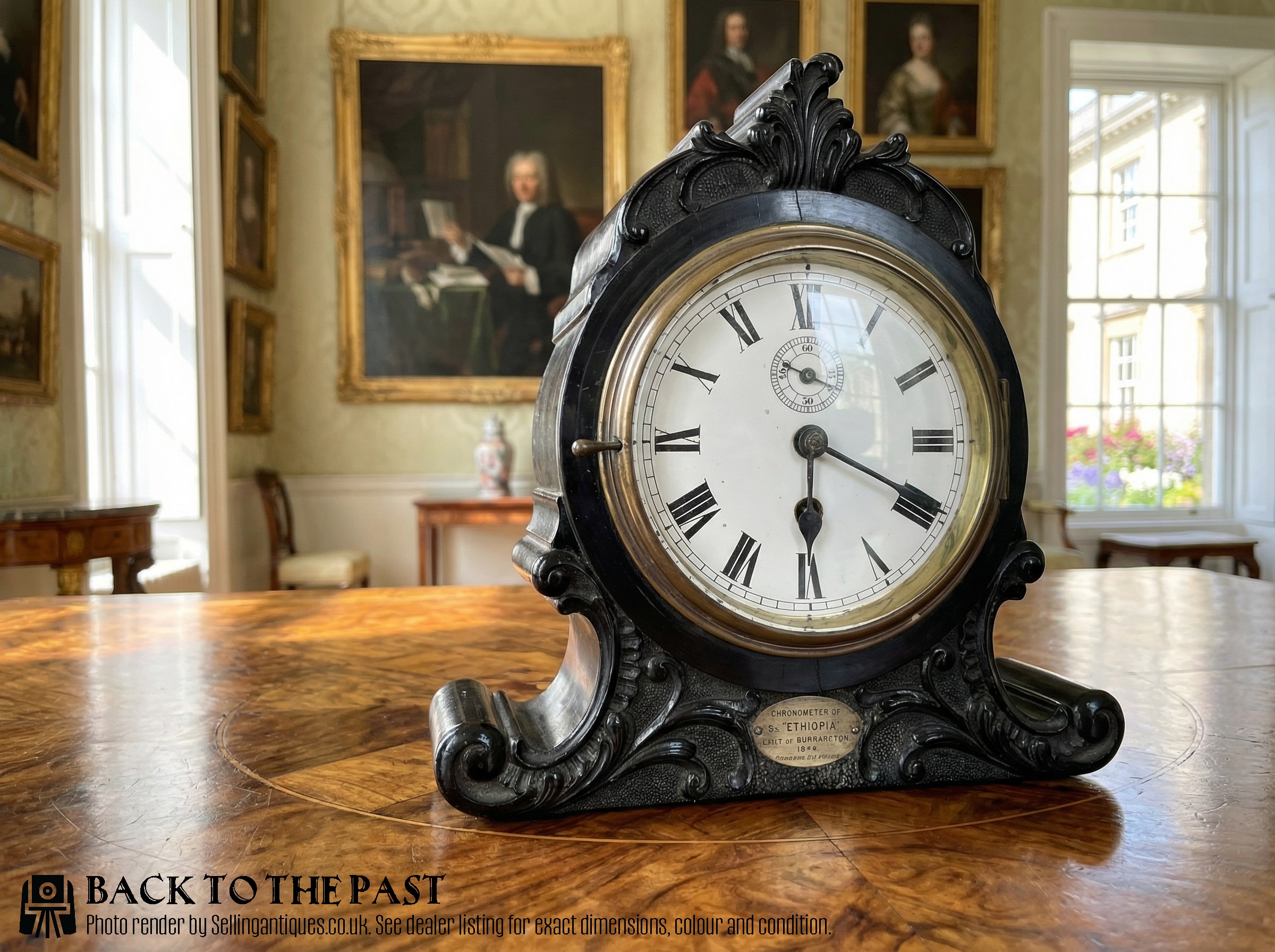
Gears and movements were constructed from brass and steel, driven by fusee or spring mechanisms designed for month or eight-day durations. Silvered or enamelled dials were fitted behind protective glass doors orbezels.
Victorian Ebonised Clock Retail Price Guide 2026
Typical asking prices for victorian ebonised clock among the pieces listed under this phrase on Sellingantiques today, from the lower quarter to the upper quarter. They describe what is for sale here now, not the wider market.
Several clocks hide complex musical movements behind their dials, ready to chime tunes across the parlour.
What varies in quality
The distinction between ordinary and superior pieces rests upon the crispness of the case carving, the weight of the brass or ormolu mounts, and the complexity of the clock movement. Fine examples exhibit meticulous marquetry inlay, substantial fusee movements by noted makers, and well-preserved ebonising without heavy restoration.
Dial execution also dictates worth, where hand-painted numerals, finely cut hands, and silvered chapter rings indicate superior production. Cases featuring integrated glass domes or matching brackets display a higher degree of original integrity.
Lenzkirch·Phillips Brothers·Arnold and Frodsham·Thomas A Paris·Payne and Co·Charles Frodsham·Holingue Freres
The Victorian Ebonised Clock Glossary
- Fusee
- A conical pulley used in mechanical clocks to maintain even tension on the chain or cord as the mainspring unwinds. This mechanism helps ensure steady timekeeping throughout the power reserve.
- Ebonised
- Wood treated with stain or paint to imitate the dark, dense appearance of true ebony. Cabinetmakers employed this finish extensively during the Victorian period for dramatic contrast.
- Ormolu
- Gilded bronze used for decorative mounts on furniture and clock cases. The technique involves applying a mercury-gold amalgam to cast bronze.
- Bracket clock
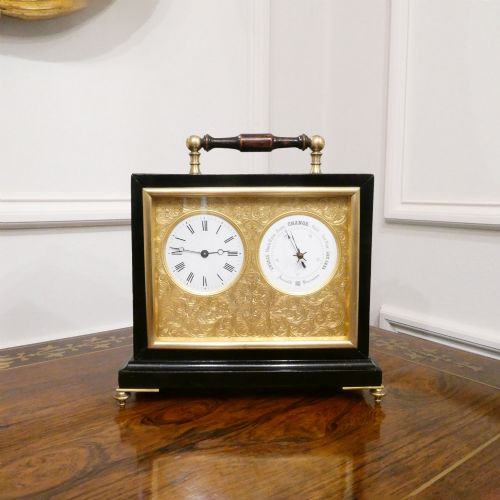
- A portable clock designed to sit on a bracket or furniture surface, typically featuring a chiming or striking movement. Many nineteenth-century versions incorporated ebonised wood and brass carrying handles.
Victorian Ebonised Clock: Frequently Asked Questions
How do I wind a fusee clock safely?
Wind the clock slowly using the appropriate key, turning it clockwise until you feel resistance from the mainspring.
Avoid over-winding the mechanism, as this can strain the chain and damage the fusee cone.
What is the difference between a mantel clock and a bracket clock?
Mantel clocks are generally lighter and designed strictly to sit flat on a fireplace mantel or shelf. Bracket clocks originated as heavier portable pieces equipped with handles for carrying between rooms.
Both forms frequently share ebonised wood cases and striking or chiming movements from the Victorian era.
Why do some clocks feature glass domes?
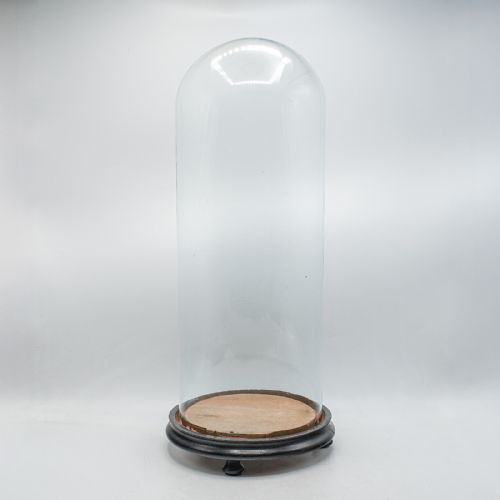
Glass domes protected delicate mechanical movements, delicate skeleton clocks, and taxidermy specimens from dust, humidity, and atmospheric grime. They were particularly popular during the Victorian period for showcasing complex brass gears.
These covers usually rest upon a wooden base, sometimes matching the ebonised finish of the clock case itself.