


Victorian Earthenware
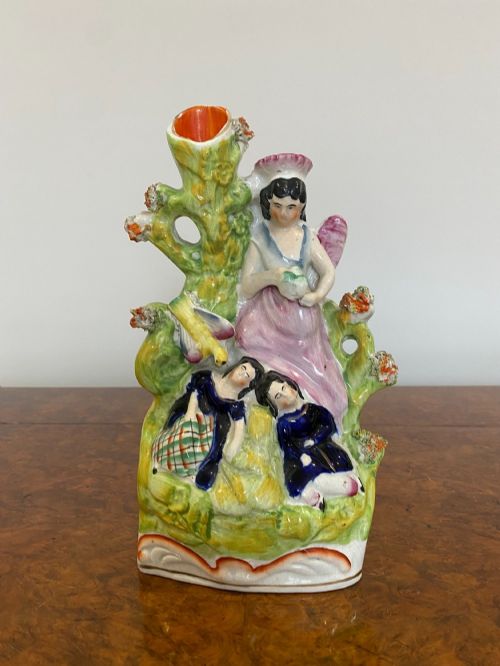
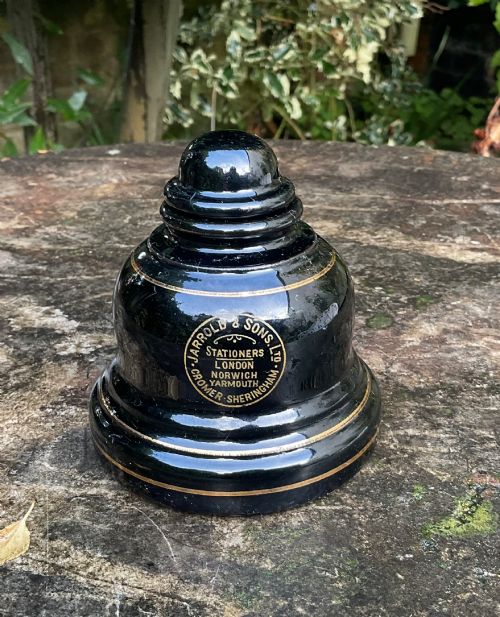
These pieces of victorian earthenware bring domestic utilitarian craft and mantelpiece figures together from the nineteenth century.
Victorian Earthenware
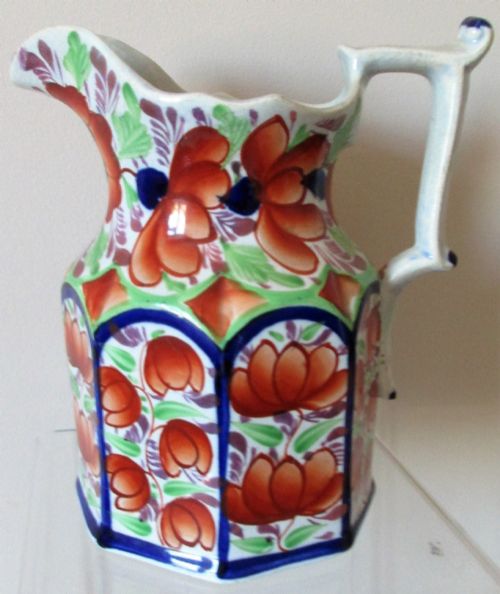
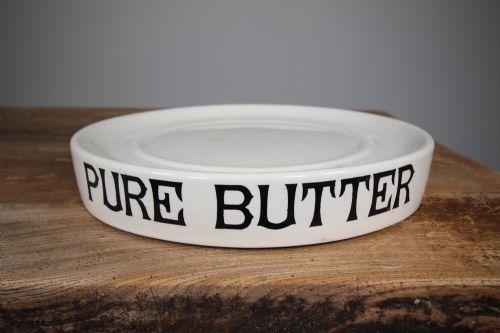
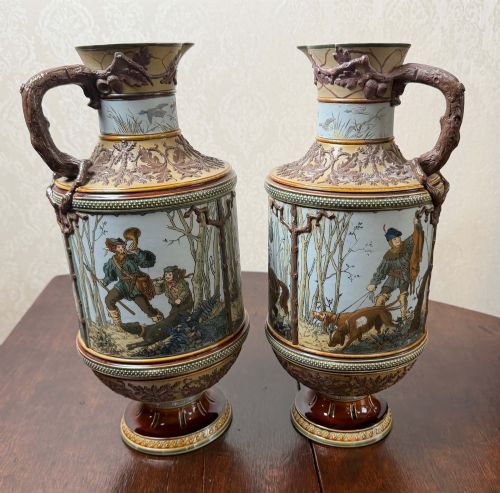
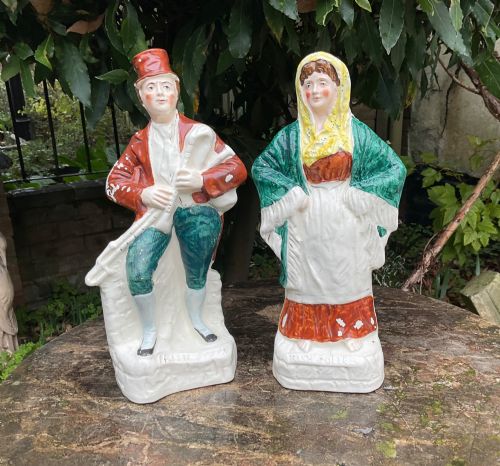
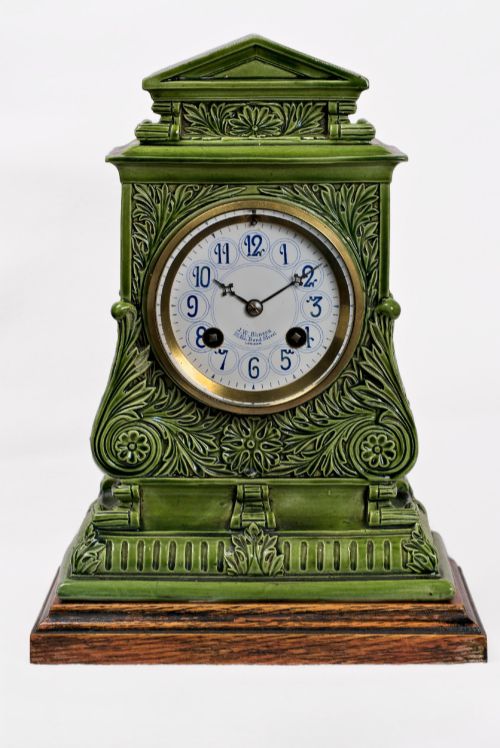
Victorian earthenware covers a wide expanse of nineteenth century ceramic production, ranging from utilitarian dairy vessels to decorative mantelpiece figures and tablewares. When searching this phrase, a buyer encounters domestic objects like milk pails, cheese domes, footbaths, and dairy bowls alongside sculptural animal figures and commemorative jugs.
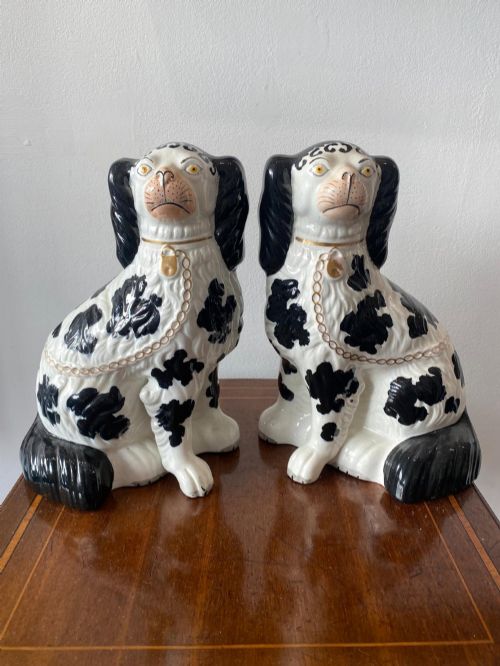
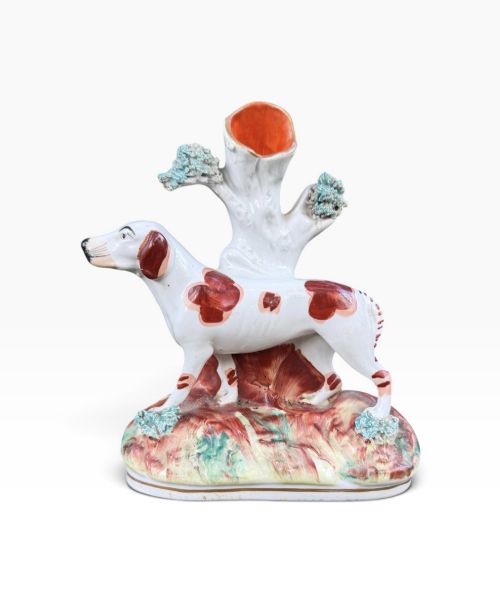
The objects stem predominantly from Staffordshire potteries and various British or European kilns operating through the decades from eighteen hundred to nineteen hundred. Animal figures such as spaniels, greyhounds, and poodles appear frequently, often matched in pairs for display on nineteenth century furniture.
How They Were Made
Potters shaped these earthenware bodies using local clays before applying lead glazes, enamel colours, transferware printing, or lustre finishes. Many items combine moulded construction with hand painting, particularly visible in the detailing of Staffordshire figurines and polychrome jugs.
Specialised techniques such as salt glazing, majolica glazing, and flow blue decoration define specific categories within the earthenware tradition. Kiln workers fired these pieces at lower temperatures than porcelain, relying on glazes to seal the porous ceramic body.
Victorian Earthenware Retail Price Guide 2026
Typical asking prices for victorian earthenware among the pieces listed under this phrase on Sellingantiques today, from the lower quarter to the upper quarter. They describe what is for sale here now, not the wider market.
Listings feature nineteenth-century earthenware across materials like creamware, lead glaze, and salt-glazed stoneware, spanning domestic vessels and decorative figures.
What Varies in Quality
The handling of glaze effects, such as pink lustre or majolica colouration, distinguishes finer studio or factory output from routine commercial wares. Better pieces retain their original gilding, stoppers, or stands, maintaining a sharper definition across the decorative elements.
Thomas Parr factory·William Smith and Co·Burmantofts·Holdcroft·Wedgwood·Wemyss·Cantagalli·Seaton Pottery
The Victorian Earthenware Glossary
- Earthenware
- Porous pottery fired at relatively low temperatures, requiring a glaze to render it waterproof. It forms the base body for the majority of nineteenth century domestic and decorative pieces.
- Transferware
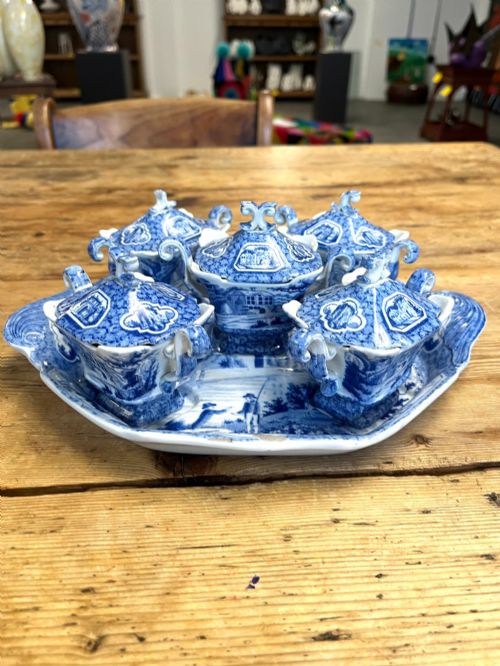
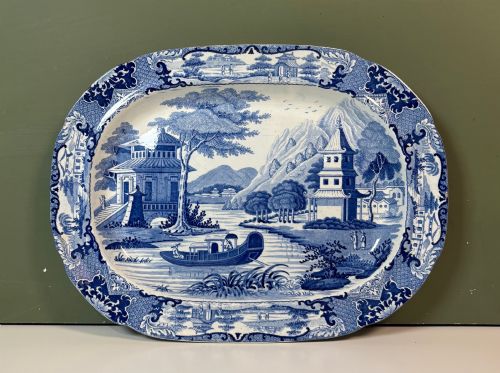
- Pottery decorated by applying a printed design from an engraved copper plate via tissue paper onto the ceramic surface. This technique allowed intricate pictorial scenes like historical landscapes to be mass-produced.
- Majolica
- A colourful, heavy earthenware pottery coated with an opaque tin glaze, popular during the Victorian period for ornate animal jugs and dessert services. The style gained prominence through exhibitions and leading commercial potteries.
- Lustreware
- Pottery finished with a metallic glaze that produces an iridescent sheen, often in pink or copper tones. Sunderland potteries frequently utilised this technique on commemorative jugs and nautical vessels.
- Creamware
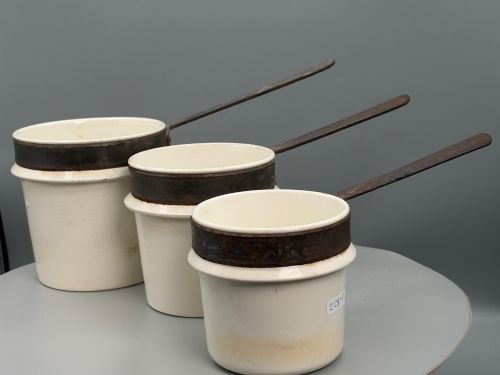
- A refined, light-coloured earthenware developed in the eighteenth century and continued into the Victorian era. It is valued for its warm, ivory tone and smooth glazed surface.
Victorian Earthenware: Frequently Asked Questions
What are Staffordshire dogs?
Staffordshire dogs are earthenware mantelpiece figures modelled as spaniels, greyhounds, or poodles, typically produced in matched pairs during the nineteenth century.
Potters painted them by hand with patches of colour, often featuring gold chains or lockets to suit Victorian parlour decoration.
What is a cheese dome?
A cheese dome is a large ceramic cover paired with a matching stand, designed to keep cheese fresh on the Victorian dining table.
They are frequently decorated with agricultural motifs, lattice patterns, or transfer-printed scenes reflecting nineteenth-century domestic life.
How are periods dated?
Dating relies on stylistic markers, factory registration marks stamped into the clay, and characteristic glaze types associated with specific decades of the nineteenth century.
Changes in transfer printing technology and aesthetic movements also help narrow down the decade of manufacture.