

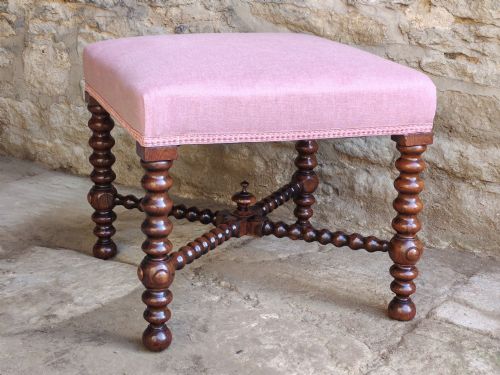


Victorian Dressing Table Stool
A victorian dressing table stool brings solid timber frames and soft textile seats together to finish a bedroom scheme with period character.
Victorian Dressing Table Stool
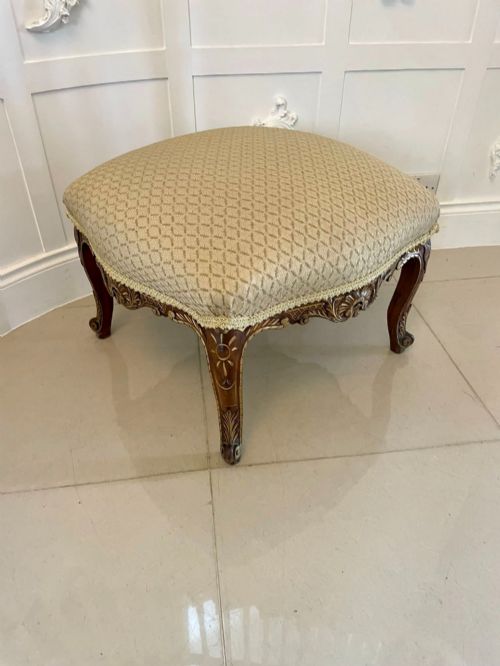
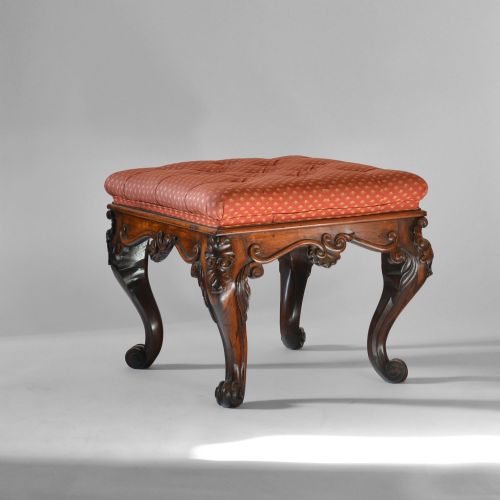
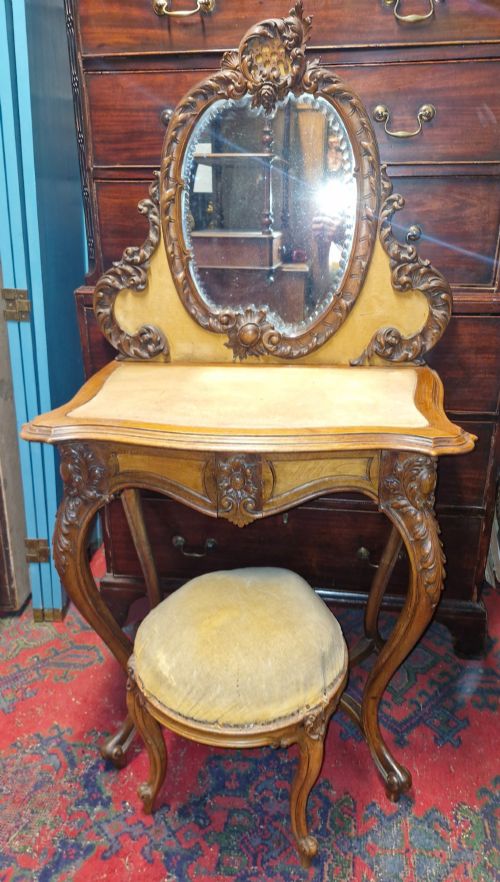
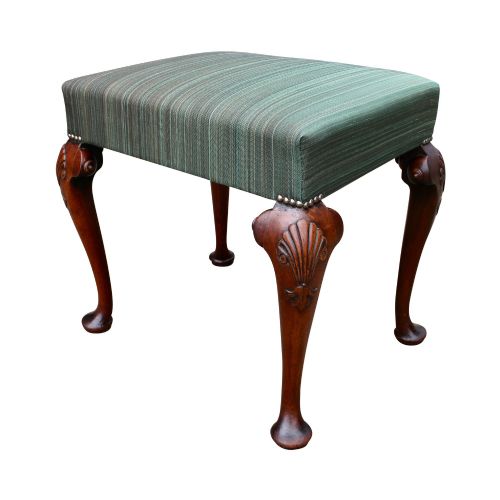
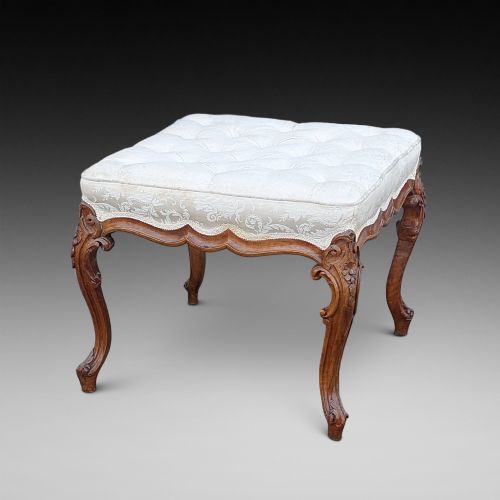
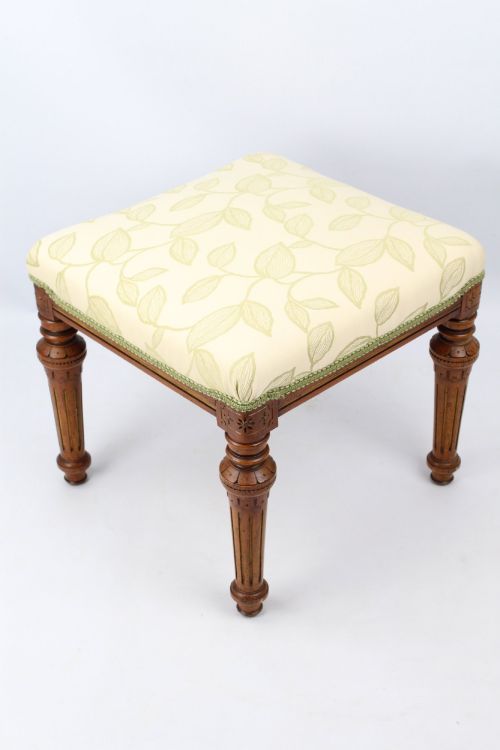
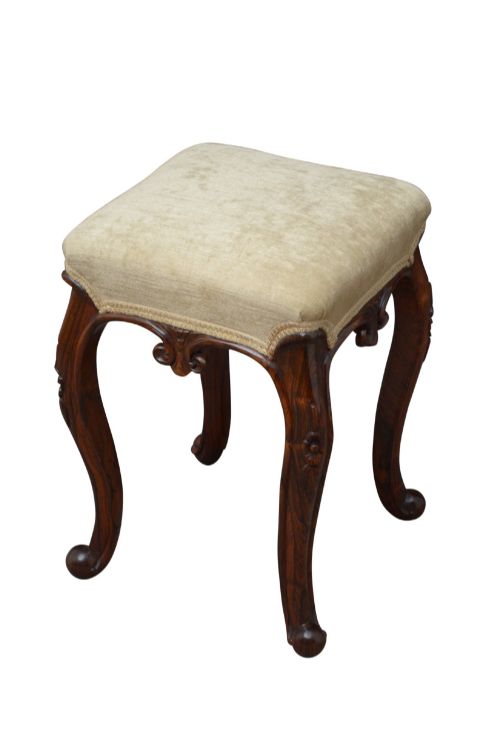
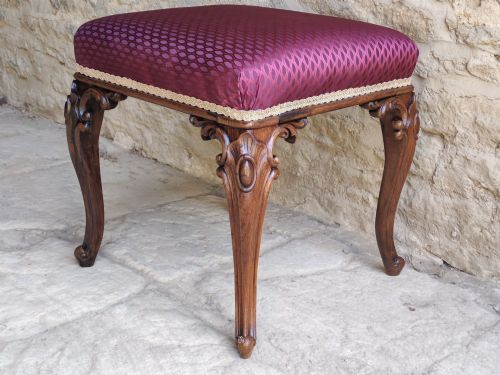
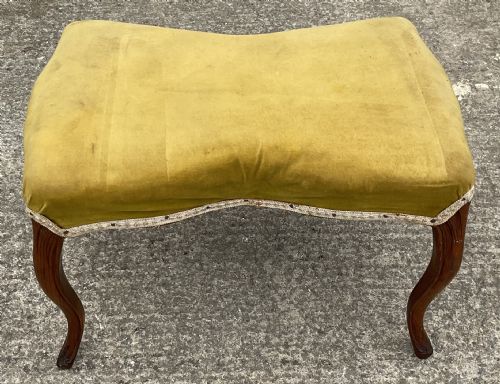
A victorian dressing table stool sits low to the floor, designed specifically to accompany period mirrors and matching tables in nineteenth-century bedrooms. You will frequently encounter compact walnut and mahogany examples supported on carved cabriole legs or turned supports.
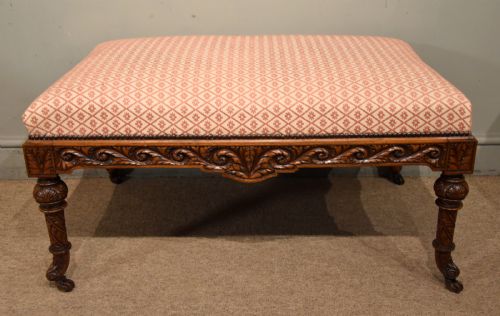
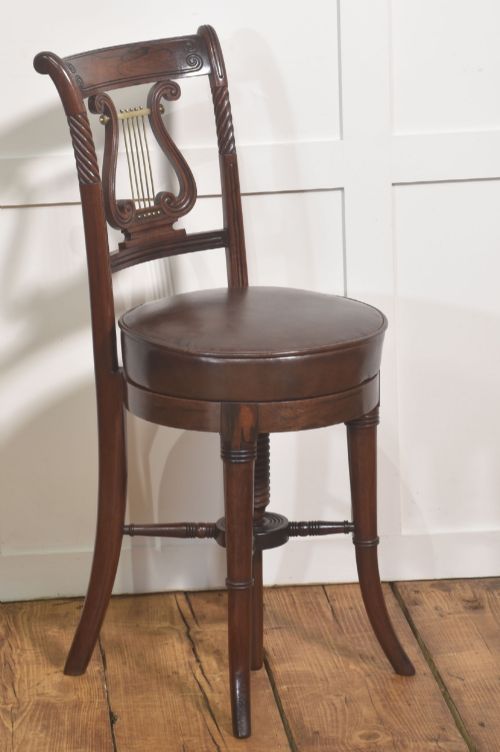
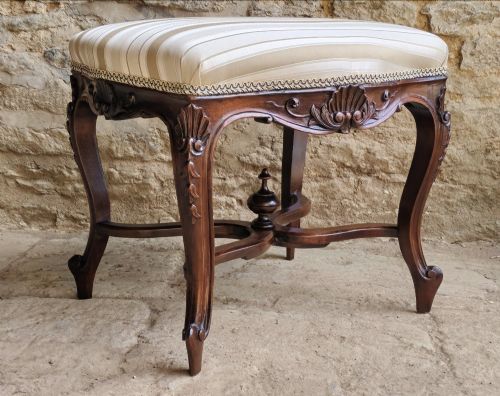
The selection ranges from simple rectangular frames to revolving piano stools and X-frame cross designs. Many pieces echo revival styles, incorporating Rococo scrolls or Queen Anne silhouettes alongside simpler vernacular timbers.
Judging Quality
Superior examples display crisp, deep hand-carving on the frame and robust joinery that remains rigid through decades of daily use. Lesser pieces often show plain timber turned legs with simpler construction methods.
The choice of secondary woods and the retention of original adjusting mechanisms or revolving screws distinguish higher tier items. Quality also rests on the fidelity of period upholstery textiles and the integrity of the underlying frame.
Victorian Dressing Table Stool Retail Price Guide 2026
Typical asking prices for victorian dressing table stool among the pieces listed under this phrase on Sellingantiques today, from the lower quarter to the upper quarter. They describe what is for sale here now, not the wider market.
Current listings feature diverse timber species including walnut, mahogany, rosewood, oak, and satinwood across the nineteenth century.
The Victorian Dressing Table Stool Glossary
- Cabriole leg
- A furniture leg that curves outward and then tapers inward, mirroring animal limbs. This profile gained popularity during revival periods.
- Revolving mechanism
- A central threaded screw or pivot allowing the seat height to adjust. These functional elements appear frequently on dual-purpose music and dressing seats.
- X-frame
- A structural base formed by two intersecting diagonal members resembling the letter X. It provides stability while offering a lighter visual silhouette.
- Gilt
- A thin layer of gold leaf applied to wooden surfaces for decorative effect. It accentuates carved details on formal nineteenth-century pieces.
- Needlepoint
- A type of canvas work embroidery executed with wool or silk yarn. It forms durable, highly decorative historical seat covers.
Victorian Dressing Table Stool: Frequently Asked Questions
What is a dressing table stool?
A dressing table stool is a low, seat-only piece of furniture designed to slide neatly beneath a nineteenth-century dressing table or mirror setup. They provide compact seating for grooming routines.
Unlike standard chairs, these stools lack backs to save space and allow effortless tucking away when not in active use.
How do I date a Victorian stool?
Dating relies on examining the timber species, joinery methods, and the stylistic vocabulary applied to the legs and frame. Earlier nineteenth-century examples often favour rosewood and heavy turnings.
Later decades introduced lighter satinwood, crisp machine-assisted mouldings, and specific revival idioms such as Queen Anne or Arts and Crafts influences.
Were these stools used for pianos?
Many nineteenth-century revolving and adjustable stools served dual purposes in the home, functioning equally well at the piano or the vanity. Their height adjustment mechanisms made them versatile.
Listing descriptions often note this dual utility, as the mechanical properties suited both seated piano practice and careful grooming.
Can I use modern fabric for reupholstery?
Restorers frequently fit new textiles, ranging from traditional velvets and tapestries to contemporary linens, depending on personal taste. The choice of fabric alters the visual weight of the piece.
Preserving original needlepoint remains an option for advanced collectors, whereas daily living often benefits from robust modern upholstery choices.
How do I care for antique wood?
Maintaining nineteenth-century hardwood involves keeping pieces away from direct heat sources and sudden humidity shifts to prevent timber splitting. Regular dusting keeps the finish stable.
Occasional applications of appropriate wax nourish mahogany and walnut frames without building up heavy chemical residues.