



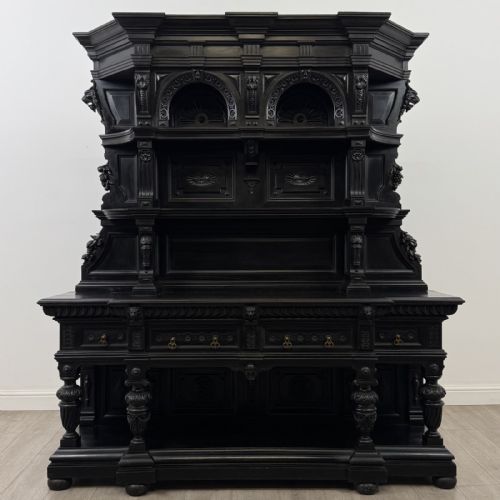
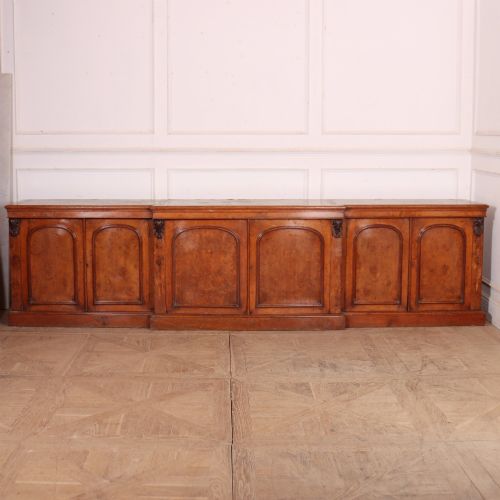
Victorian Dresser Cabinet
These pieces known as a victorian dresser cabinet combine generous storage and display space, bringing period utility and craftsmanship into domestic spaces.
Victorian Dresser Cabinet
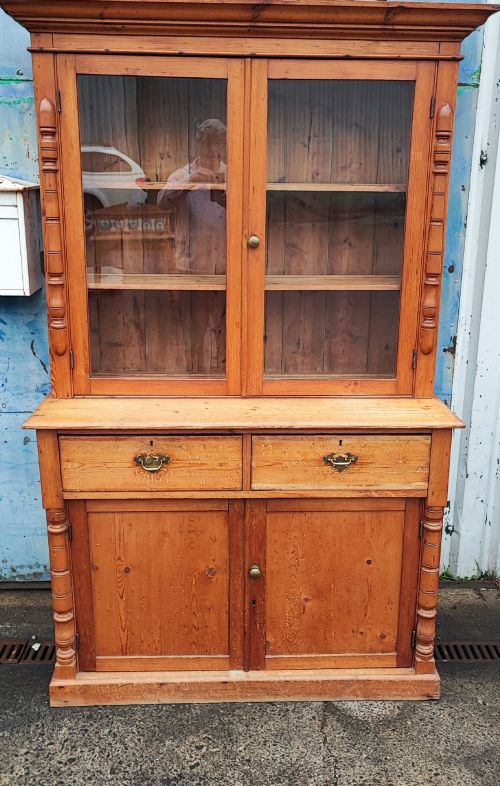
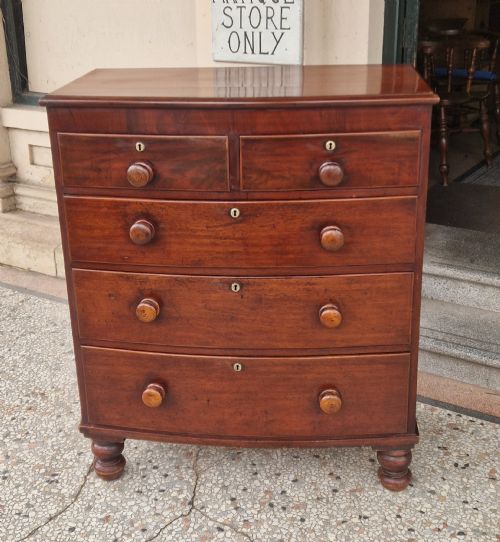
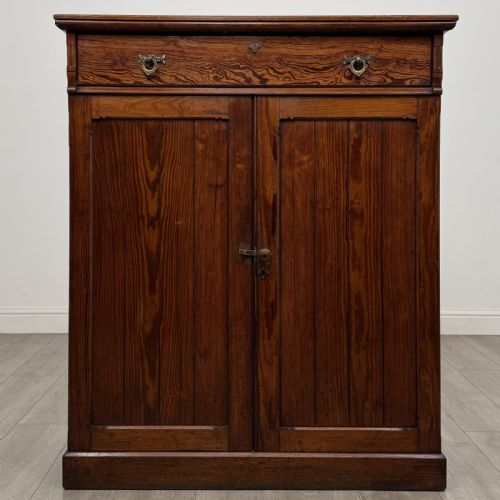
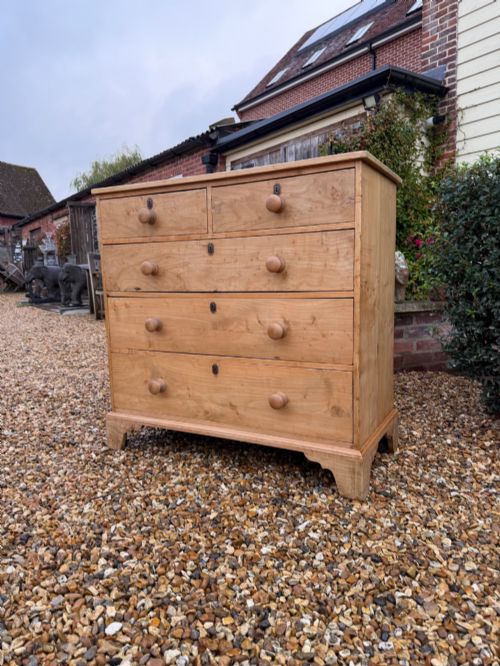
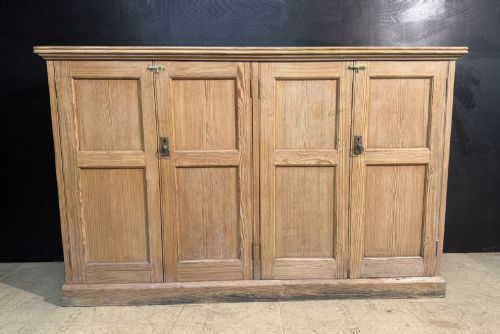
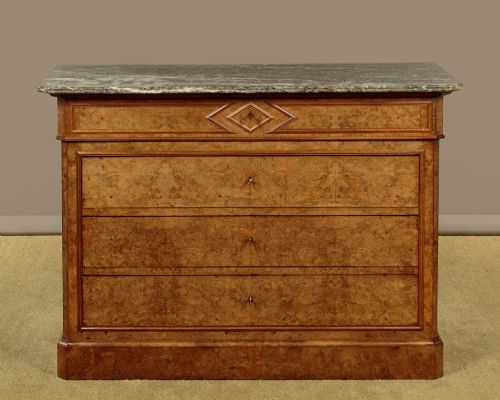
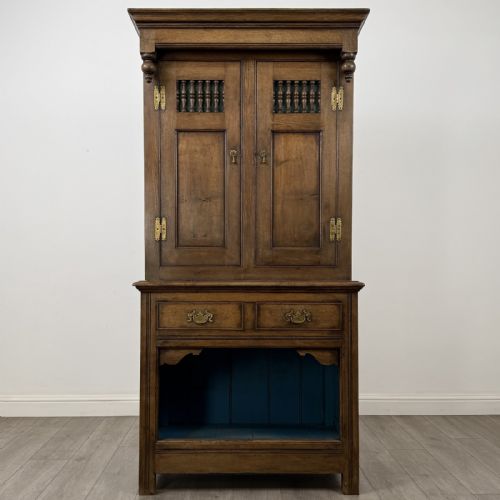
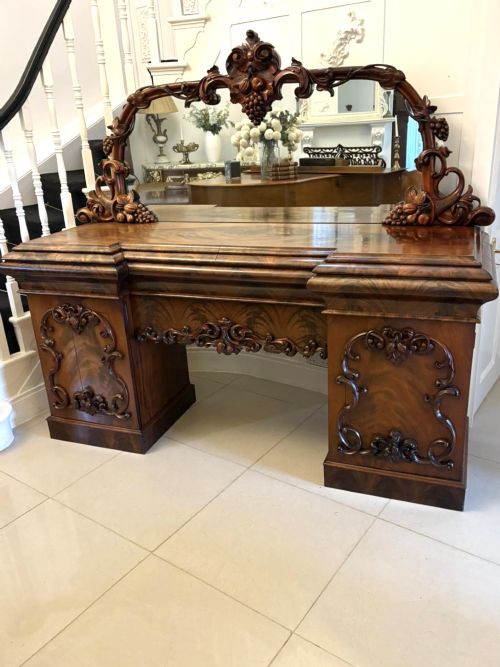
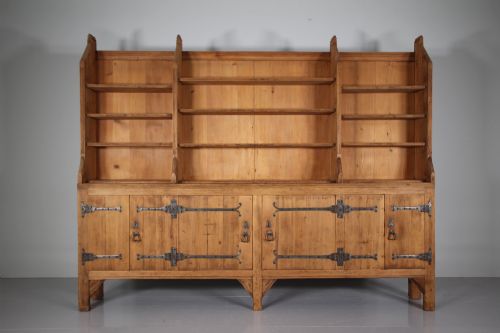
A victorian dresser cabinet encompasses a diverse range of furniture types spanning kitchen dressers, housekeepers cupboards, display cabinets, and sideboards. These items originate predominantly from the nineteenth century, reflecting both utilitarian domestic needs and more formal reception room displays.
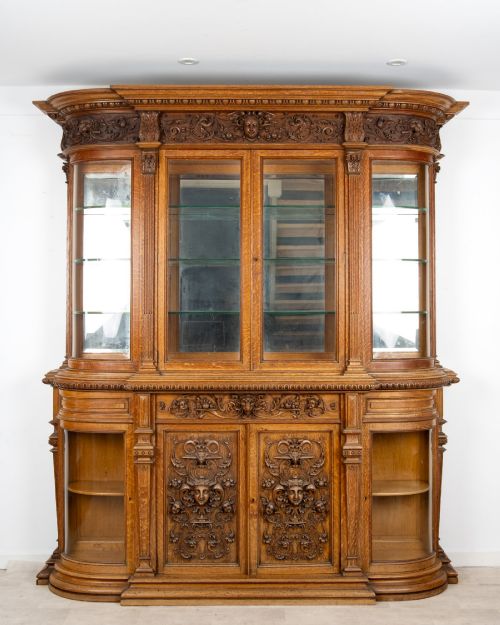
Buyers encounter stripped pine kitchen furniture alongside substantial mahogany and oak pieces featuring glass doors or carved details. Regional variations appear in Welsh oak, Scottish cabinets, and Cornish designs, each fulfilling specific storage requirements.
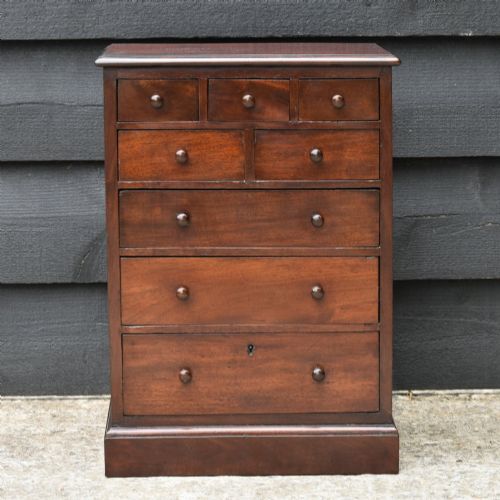
The selection ranges from two-part kitchen cupboards and banks of drawers to monumental carved oak display cabinets and apprentice pieces. Such variety ensures these items suit both rustic farmhouse settings and formal interiors.
Materials and Construction
Makers utilised solid timbers including pine, pitch pine, oak, and mahogany, frequently pairing them with brass handles, glass panes, and occasionally marble tops. Structural integrity relied on traditional joinery methods suited to heavy domestic use.
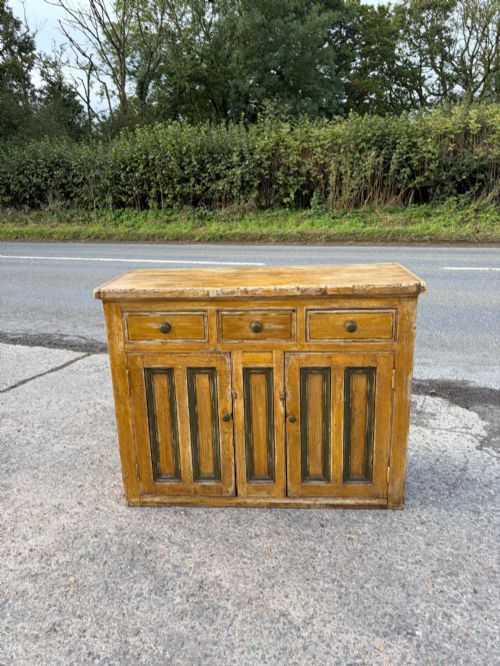
Surface treatments vary widely from stripped natural timber and polished burr walnut to painted finishes and ebonised details. Decorative elements incorporate lion mask carvings, dentil cornices, and carved pillar panels.
Hardware such as brass ring handles and specific lock mechanisms, including those by Hobbs and Co, provide functional security and period authenticity to the cabinetry.
Victorian Dresser Cabinet Retail Price Guide 2026
Typical asking prices for victorian dresser cabinet among the pieces listed under this phrase on Sellingantiques today, from the lower quarter to the upper quarter. They describe what is for sale here now, not the wider market.
Listings feature nineteen-century pine, oak, and mahogany alongside specialised timbers including burr walnut and pollard oak.
Markers of Distinction
Superior examples distinguish themselves through the selection of timber figures, such as burr walnut and pollard oak, combined with deeply carved architectural or figurative details. The integration of maker-marked locks and finely preserved original painted finishes elevates certain items above standard utility furniture.
Proportion and scale dictate the distinction between simple utilitarian storage and exceptional craftsmanship, particularly in narrow farmhouse dressers and monumental display cabinets. The presence of original glazing, turned legs, and mirror backs further defines the upper tier of quality.
Hobbs and Co
The Victorian Dresser Cabinet Glossary
- Apprentice piece
- A miniature furniture item created by a trainee to demonstrate proficiency to a guild. These smaller chests and cabinets mirror full-scale designs with exact proportions.
- Housekeepers cupboard
- A tall storage piece traditionally utilised for linen and dry stores in large households. They often feature multiple tiers of shelving enclosed by panelled doors.
- Cornice
- The decorative moulding crowning the top of a cabinet or dresser. Dentil cornices feature small, repeated rectangular blocks.
- Commode
- A low cabinet or chest fitted with drawers or doors, frequently topped with marble. They functioned primarily in bedrooms and reception rooms.
- Pitch pine
- A resinous North American pine variety utilised for robust nineteenth-century cabinetry. It yields a distinct grain pattern when stripped and polished.
Victorian Dresser Cabinet: Frequently Asked Questions
What is a housekeepers cupboard?
A housekeepers cupboard is a large vertical storage unit designed for domestic provisions and linens. These tall pieces typically feature interior shelving enclosed by sturdy wooden doors.
Historically placed in utility spaces or kitchens, they provided substantial capacity for household organisation. Surviving examples often display painted pine or solid oak construction.
How do I identify pitch pine?
Pitch pine is distinguished by its heavy resin content and pronounced, high-contrast grain patterns. It feels notably denser and heavier than standard softwood.
Victorian cabinet makers favoured this durable timber for cupboards and dressers requiring extra structural resilience.
Where were corner cupboards used?
Corner cupboards were designed to utilise awkward wall intersections in dining rooms and kitchens. They offered accessible storage for glassware and tableware without cluttering floor space.
Many feature glazed upper doors to display ceramics alongside solid lower compartments.