

Victorian Drawer Table
A victorian drawer table brings nineteenth-century utility and craftsmanship into daily life, offering concealed storage alongside a polished timber surface.
Victorian Drawer Table
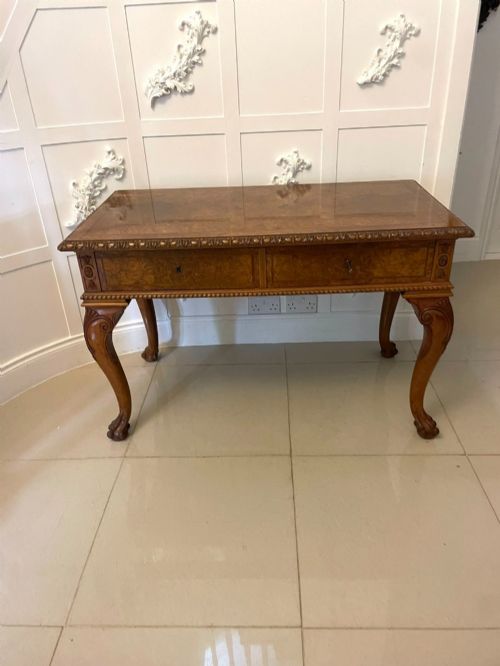
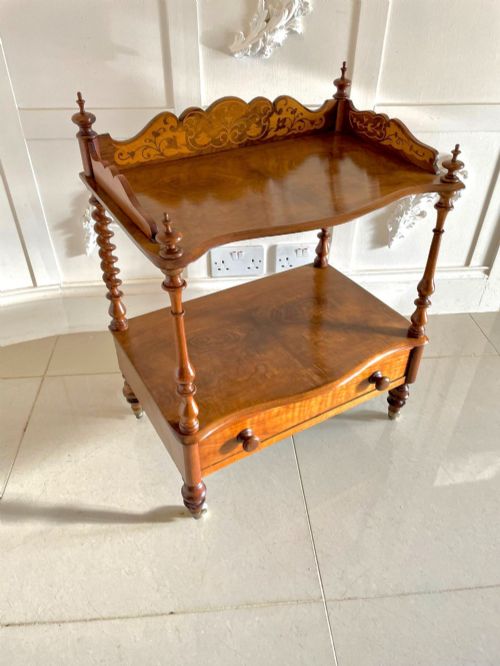
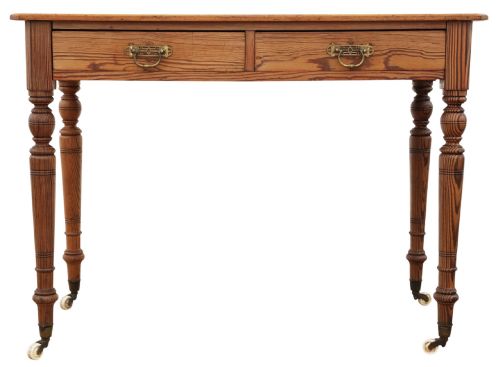
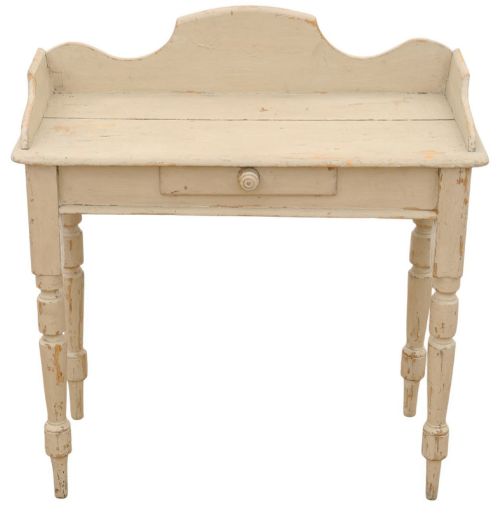
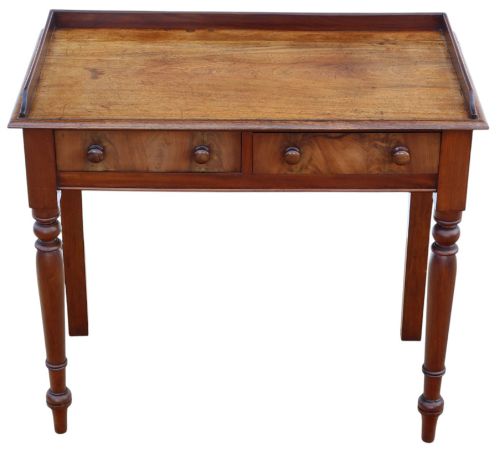
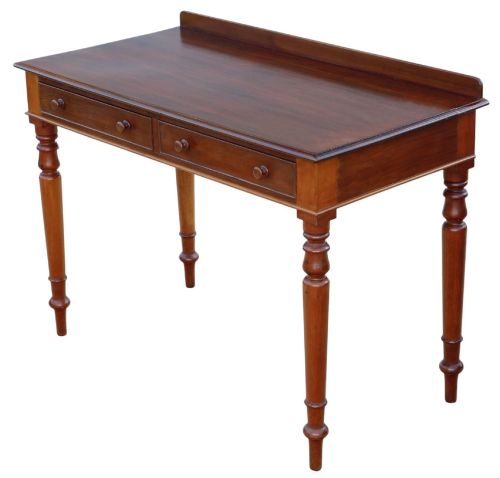
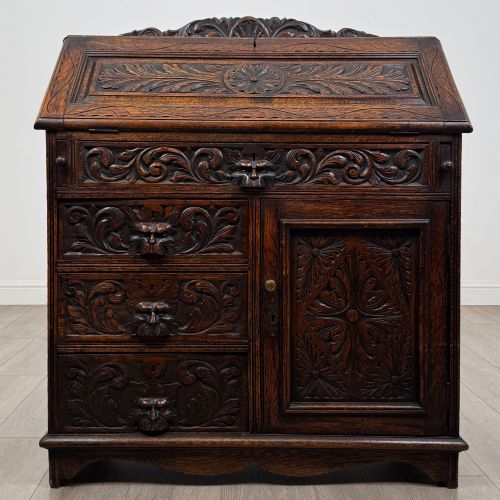
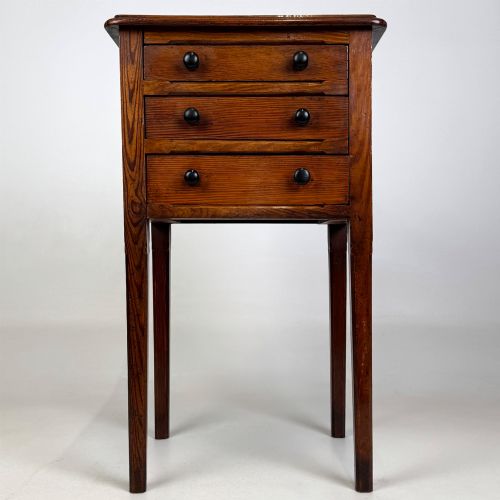
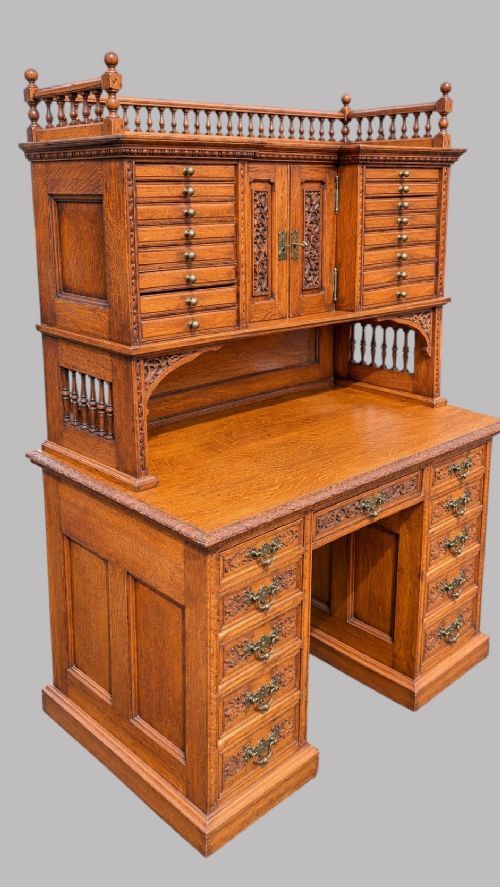
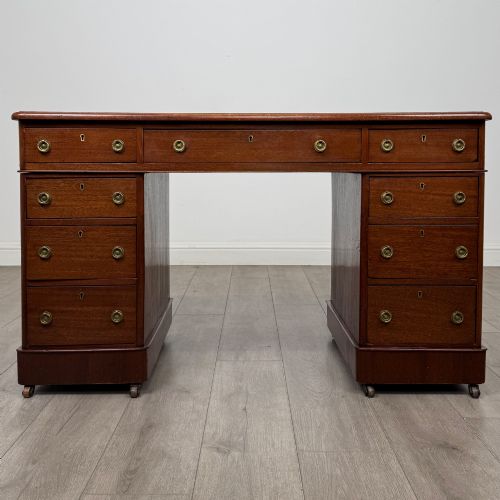
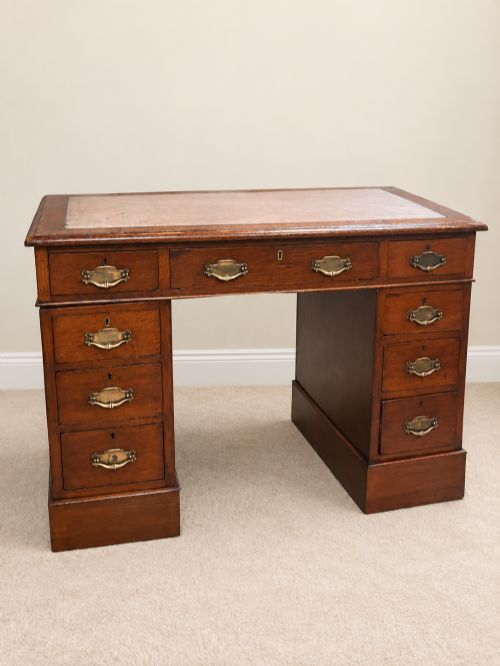
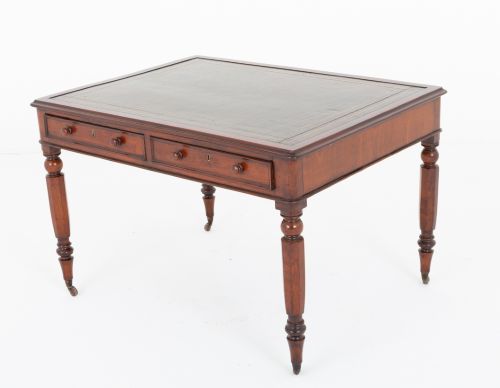
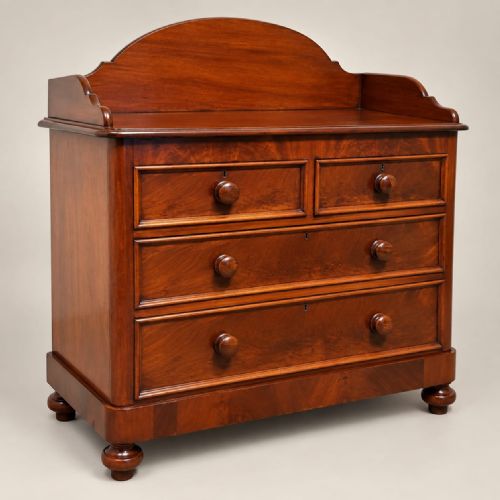
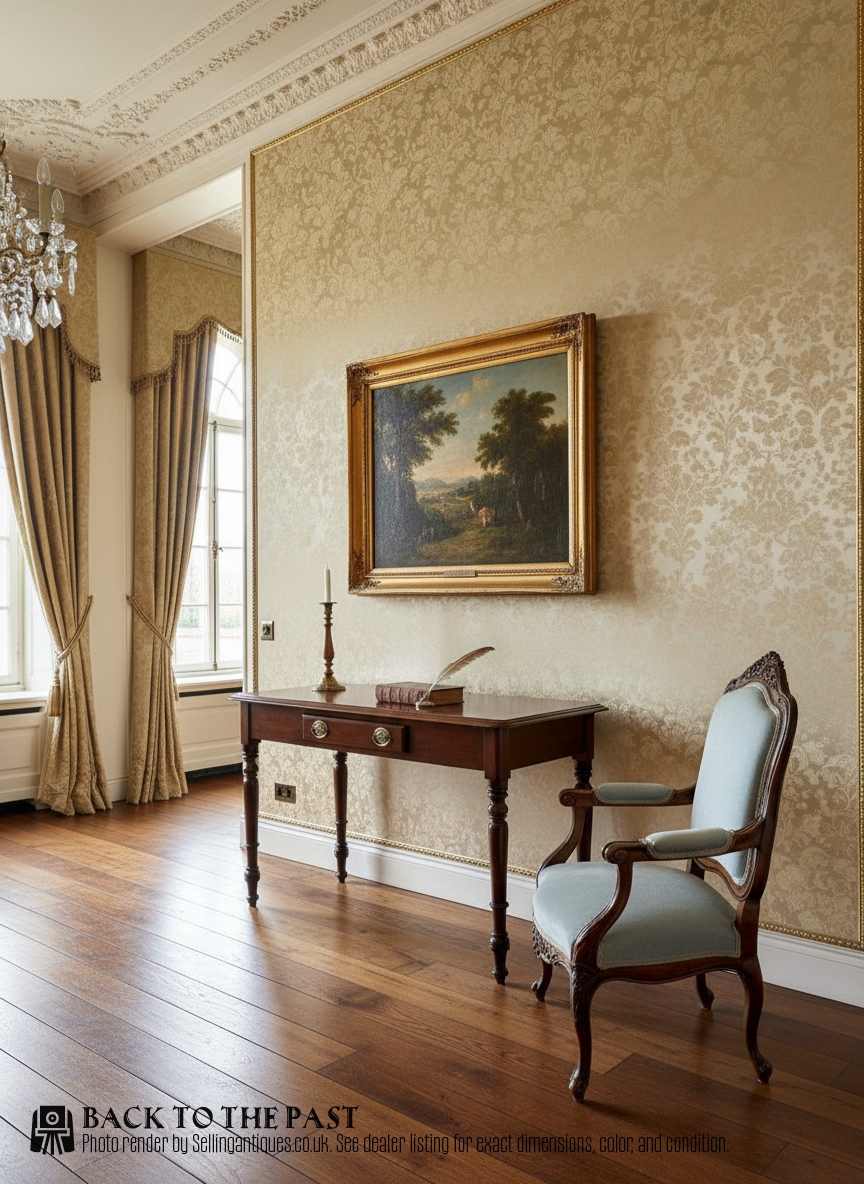
A victorian drawer table encompasses a wide variety of domestic forms, including side tables, writing desks, library tables, and kitchen tables equipped with one or more drawers.
Most examples emerge from the nineteenth century in timber such as mahogany, oak, pine, and burr walnut, reflecting the practical needs of Victorian households.
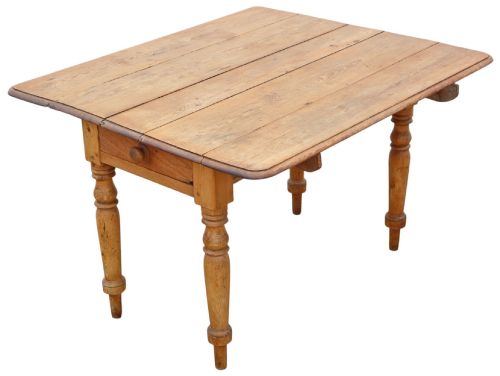
Buyers will encounter simpler pine farmhouse versions alongside more formal mahogany and walnut library or writing tables featuring integrated drawer space.
How they were made
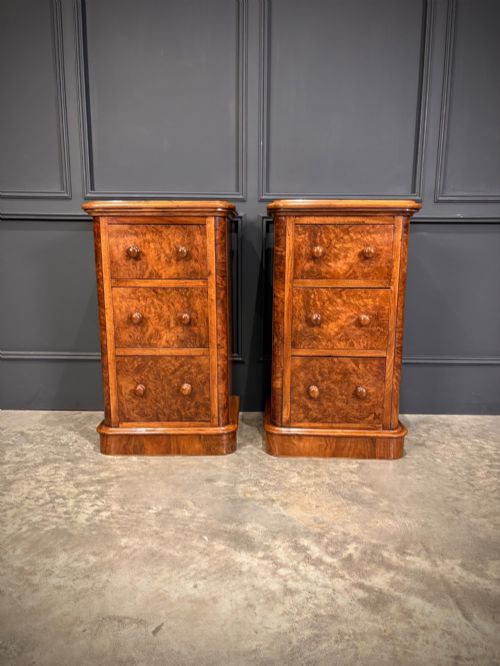
Cabinet makers utilised dense hardwoods like mahogany and oak alongside softer timbers such as pine, often pairing solid drawer linings with figured veneers like burr walnut.
Construction relied on traditional joinery techniques, incorporating turned legs, barley twists, or pedestals to support the timber tops and frieze drawers.
Victorian Drawer Table Retail Price Guide 2026
Typical asking prices for victorian drawer table among the pieces listed under this phrase on Sellingantiques today, from the lower quarter to the upper quarter. They describe what is for sale here now, not the wider market.
Some nineteenth-century tables hide secret compartments inside the drawers for stashing love letters or stray cuff links.
What varies in quality
The choice of timber and the complexity of the grain define the upper tiers of the range, distinguishing simple utility pine from finely figured flame mahogany and burr walnut.
Subtleties in craftsmanship, such as hand-cut dovetails within the drawer construction and original brass or wooden hardware, separate standard workshop output from exceptional cabinet making.
Heal and Son·Edwards and Roberts·Maple and Co
The Victorian Drawer Table Glossary
- Frieze
- The horizontal architectural section of a table just beneath the top surface, commonly housing one or more drawers.
- Partners desk
- A large writing table designed for two people to work opposite one another, featuring drawers on both sides.
- Dovetail
- A traditional interlocking joint utilised in drawer construction to ensure durable and strong corner connections.
- Scrub top
- An unfinished wooden tabletop designed to be scrubbed clean, frequently found on nineteenth-century pine kitchen and farmhouse tables.
- Burr walnut
- A highly prized wood veneer showing intricate, swirling patterns formed from the growths of a walnut tree.
Victorian Drawer Table: Frequently Asked Questions
How were these tables used originally?
These tables served multiple domestic purposes depending on their room of origin, functioning as writing desks in studies, sideboards in hallways, or functional workspace in kitchens.
The integrated drawers provided convenient storage for correspondence, cutlery, or household accounts close to hand.
Can I use a writing table as a modern desk?
Many nineteenth-century writing tables and pedestal desks suit modern daily work well, provided the kneehole height accommodates comfortable seating.
Buyers should check internal drawer dimensions to ensure compatibility with contemporary supplies and laptops.
How do I care for a polished mahogany surface?
Polished timber surfaces require regular dusting with a soft, dry cloth and occasional application of traditional beeswax to nourish the grain.
Direct sunlight and excessive moisture should be avoided to prevent the timber from fading or warping over time.
How can I distinguish early Victorian from late Victorian pieces?
Early pieces often showcase rich mahogany and simpler classical proportions, whereas later nineteenth-century examples frequently experiment with lighter oak, arts and crafts influences, or decorative tile inserts.
Hardware styles and secondary timbers also offer clues regarding the specific decade of manufacture.