




Victorian Dragon Stand
A victorian dragon stand brings carved mythical beasts and exotic timber into nineteenth-century interiors.
Victorian Dragon Stand
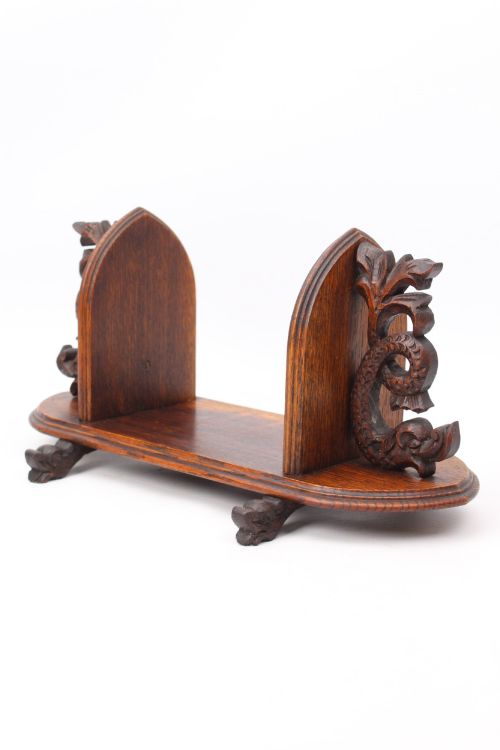
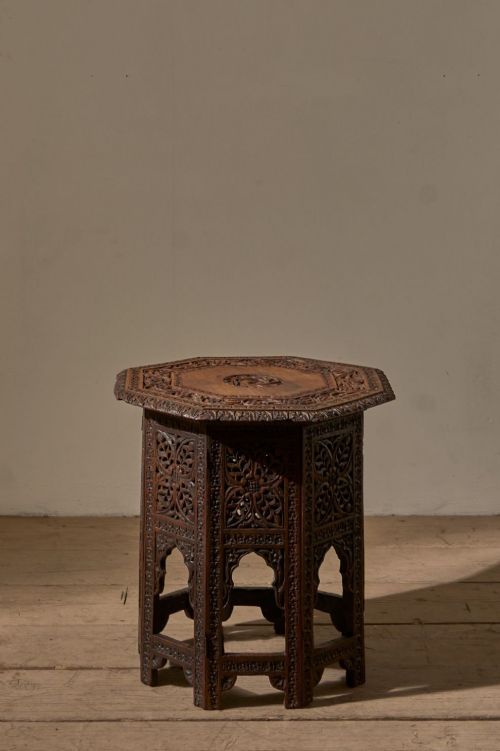
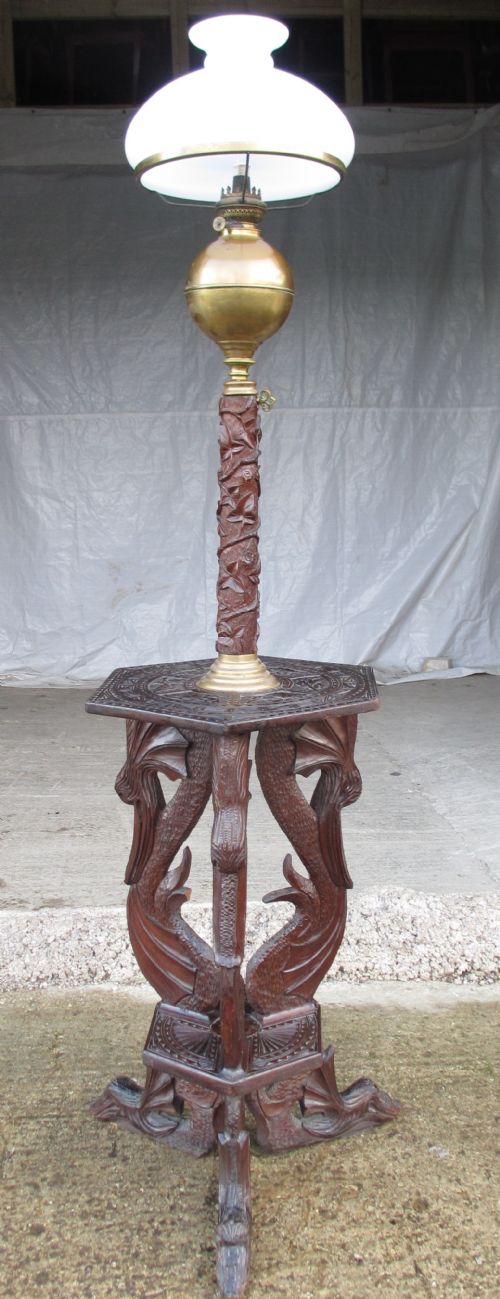
A victorian dragon stand encompasses carved side tables, jardiniere supports, plant stands, and torchieres produced during the nineteenth century and the Edwardian era. These pieces draw on Chinoiserie, Chinese Export, Anglo-Burmese, and Gothic Revival styles, incorporating motifs like dragons and winged griffins.
The materials recorded across these examples include hardwood, padauk, teak, rosewood, oak, and walnut, often paired with rouge marble inserts or ebonised finishes. Makers such as Gabriel Viardot bridge European cabinet-making with Far Eastern design influences during this period.
Materials and technique
Carved wood provides the structural framework, utilising dense timbers like padauk, teak, rosewood, and oak to support intricate sculptural detail. Artisans shape these tropical and domestic hardwoods by hand, defining the scales, claws, and sinuous bodies of the dragons.
Marble inserts, such as rouge marble tops, are fitted directly into carved hardwood frames to provide stable surfaces for plants or decorative objects. Brass fittings and gold leaf accents occasionally supplement the timber construction.
Craftsmanship and distinction
Quality rests in the depth and crispness of the carving, distinguishing fluidly undercut dragon motifs from softer, more summary execution. The selection of timber also dictates standing, with dense, figured tropical hardwoods like padauk holding sharper detail than standard softwoods.
The integration of secondary materials, such as fitted rouge marble tops or specialised ebonised finishes, separates standard production items from ambitious studio pieces associated with makers like Gabriel Viardot.
Gabriel Viardot
The Victorian Dragon Stand Glossary
- Torchere
- A tall stand designed to support a lamp or candle, often featuring an elevated carved column or figural base. These pieces functioned primarily as secondary lighting supports in nineteenth-century reception rooms.
- Jardiniere stand
- A specialised table or pedestal built to hold a heavy plant container or flower bowl. They frequently incorporate water-resistant tops such as inset marble.
- Padauk
- A heavy, durable tropical timber valued for its reddish-brown colour and dense grain. It was frequently utilised in Anglo-Indian and Far Eastern furniture production.
- Chinoiserie
- European interpretation and imitation of Chinese and East Asian artistic traditions, popular in furniture and decorative arts during the nineteenth century. It relies heavily on motifs like dragons, pagodas, and exotic landscapes.
- Ebonisation
- The process of treating lighter timber, such as fruitwood or hardwood, with chemical stains or paint to imitate ebony. This dark finish creates high contrast when paired with marble or gilt elements.
Victorian Dragon Stand: Frequently Asked Questions
What is a dragon stand?
A dragon stand is a carved nineteenth-century piece of furniture designed to support plants, lamps, or decorative objects, featuring sculptural dragon motifs.
These items range from low side tables to tall torchieres, drawing heavily on Chinese Export, Anglo-Burmese, and aesthetic movement design traditions.
How were these stands used?
In Victorian and Edwardian interiors, these stands served practical roles as elevated surfaces for heavy ceramic planters, oil lamps, or decorative sculpture.
Placed in halls and drawing rooms, they combined utility with theatrical display, showcasing exotic timbers and intricate carving.
Which woods are most common?
Evidence shows a strong preference for dense tropical hardwoods, including padauk, teak, rosewood, and general carved hardwood.
European domestic timbers like oak and walnut also appear, particularly within Gothic Revival and Black Forest style pieces.