
Victorian Double Bed
A victorian double bed provides substantial proportions and robust nineteenth-century metal or timber construction for daily bedroom use.
Victorian Double Bed
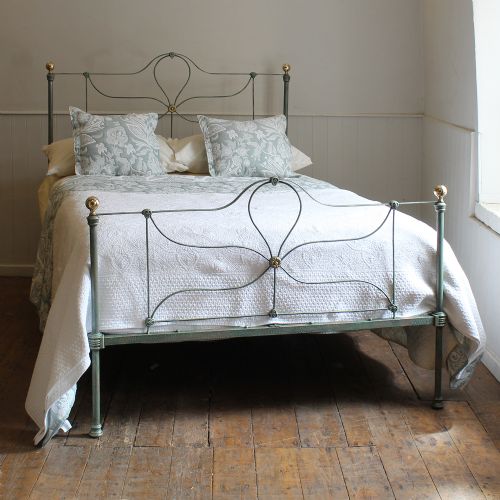
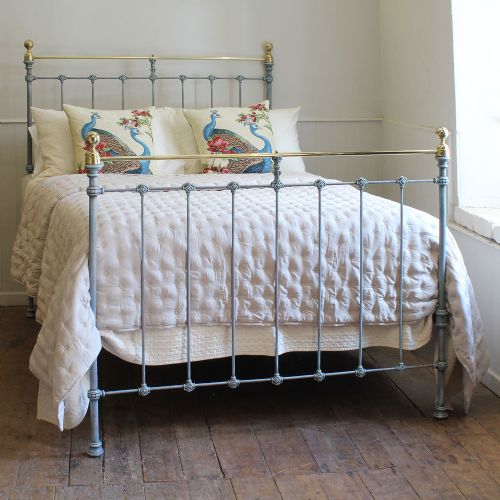
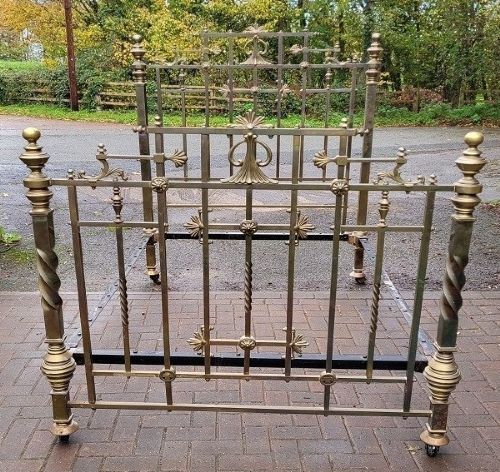
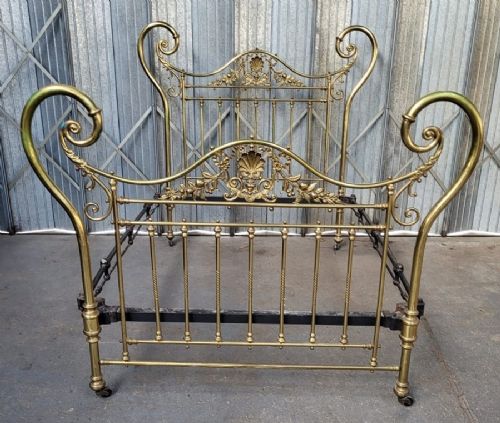
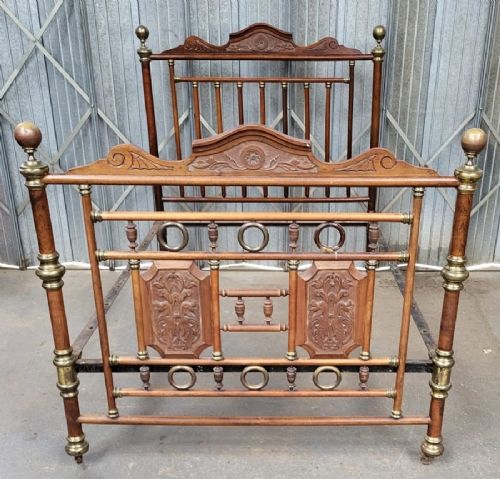
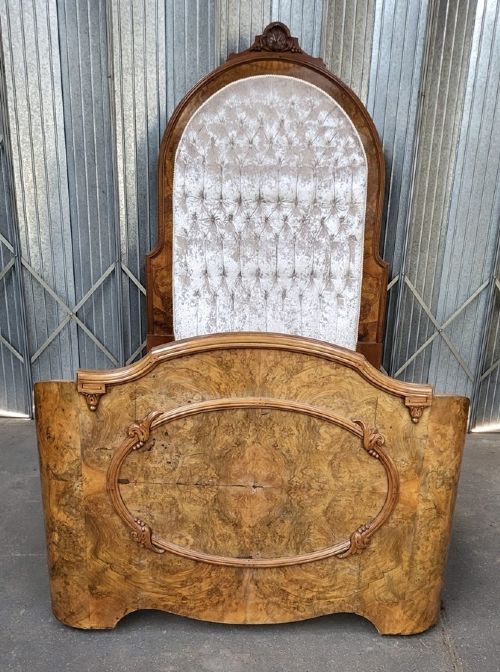
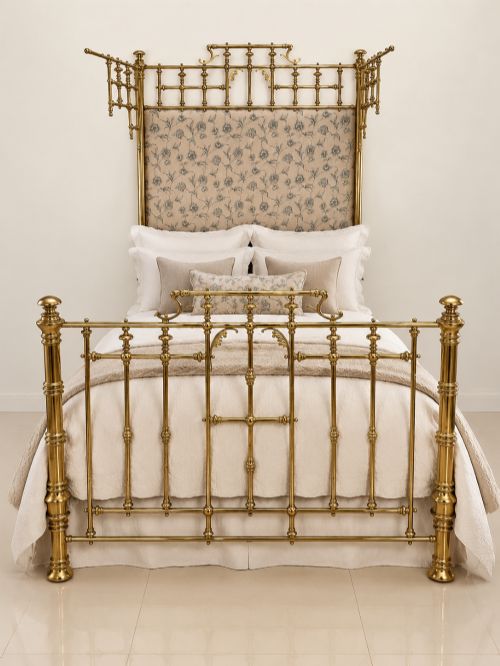
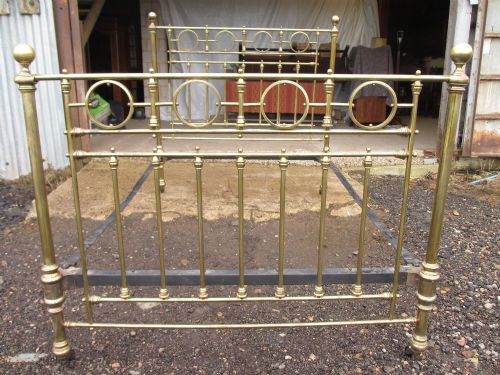
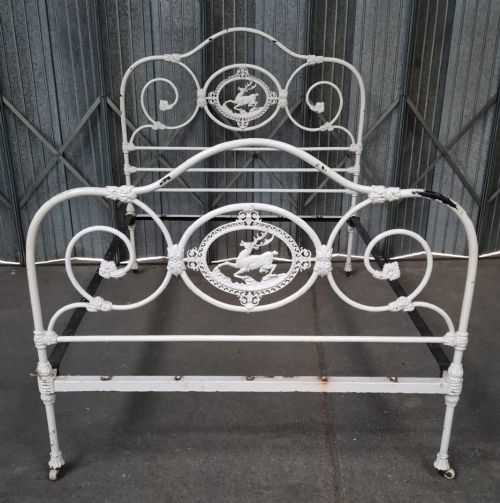
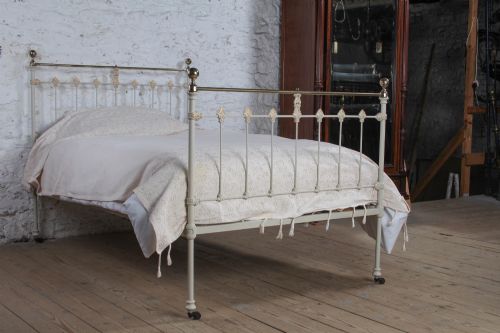
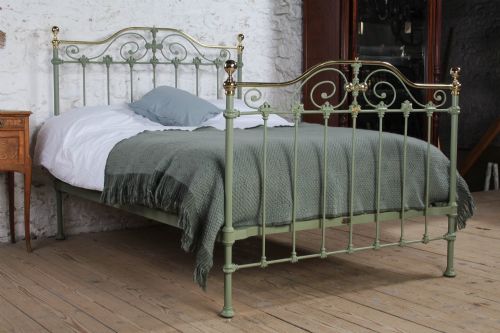
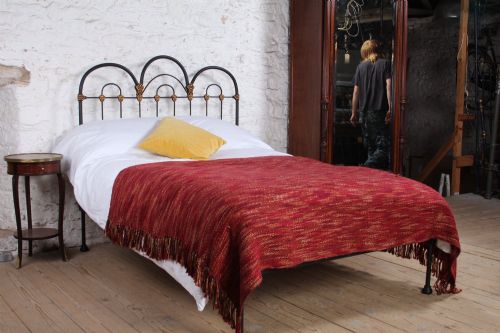
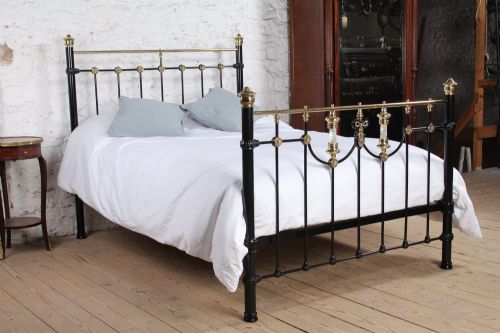
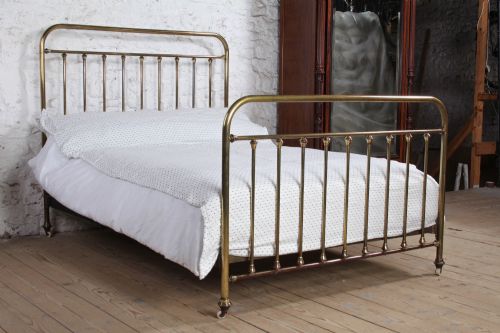
A victorian double bed encompasses grand brass and iron bedsteads alongside substantial mahogany and walnut timber frames produced throughout the nineteenth century. The selection ranges from robust all-iron variants to ornate half tester designs and polished wood structures featuring high upholstered button backs.
Buyers will encounter various stylistic influences within this category, stretching from French country and aesthetic movement details to Celtic revival motifs and arts and crafts simplicity. These pieces offer solid sleeping platforms built with iron side rails designed to accommodate modern mattresses safely.
The prevalent forms include standard double widths alongside small double and king size proportions, featuring either high headboards or low no-end configurations. Surviving examples demonstrate the shift from heavy timber joinery to the versatile metal foundry work characteristic of the period.
Materials and Construction
Makers utilised solid brass, cast iron and wrought iron alongside dense hardwoods such as mahogany, walnut and oak, often combining metal and wood within a single bedstead. Brass components involved heavy casting and spun metal tubing, whilst iron frames relied on structural casting and forged rails.
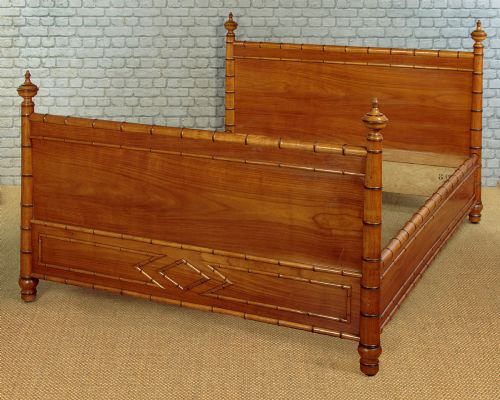
Timber bed frames incorporated carved burr walnut panels, painted pine structures and faux bamboo turnings, showcasing traditional cabinet-making alongside decorative upholstery. Metal frames frequently employed slot-in iron side rails secured to castors for mobility and stability.
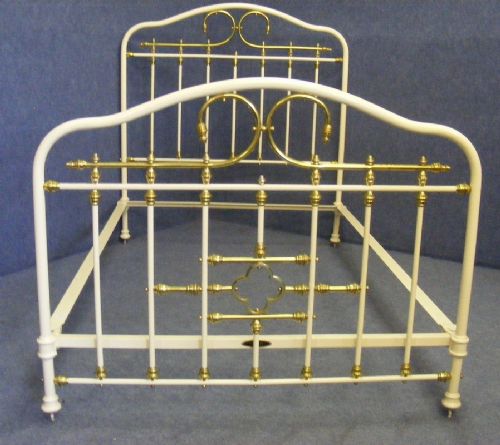
Ornate details included applied mother of pearl, gilded surfaces, ceramic pot castors and decorative brass finials fixed to robust metal uprights. The integration of iron and brass created rigid structures capable of supporting substantial weight while displaying intricate foundry patterns.
Design styles span French aesthetic movement, Celtic revival, arts and crafts and gothic influences alongside standard Victorian forms.
Design and Execution
The distinction between standard production and exhibition quality pieces lies in the complexity of the brass castings, the depth of the wood carving and the weight of the metal used. Superior examples display refined proportions, elaborate half tester canopies and carefully selected burr walnut veneers rather than plain painted finishes.
Detailing such as mother of pearl inlay, hand-chased brass mounts and integrated upstands separate ordinary utilitarian bedframes from exceptional decorative items. The integrity of the original joints, the presence of matching castors and the crispness of the ironwork casting dictate the overall standard of preservation.
RW Winfield·Winfield
The Victorian Double Bed Glossary
- Bedstead
- A framework of a bed consisting of headboard, footboard and side rails. This term frequently appears in nineteenth-century descriptions for complete metal or wooden structures.
- Half Tester
- A bed featuring a canopy extending only part of the way over the head of the bed. These frames often supported decorative fabric hangings.
- Faux Bamboo
- Furniture turned and painted to resemble natural bamboo stalks. This decorative finish gained popularity during the late nineteenth century.
- Upstand
- A vertical decorative panel rising above the main line of the headboard. It adds height and architectural detail to metal and timber bed frames.
- Castor
- A small wheel mounted on a swivel attached to the legs of furniture. Many nineteenth-century bed frames utilise these for ease of movement.
Victorian Double Bed: Frequently Asked Questions
Will a standard modern mattress fit a victorian double bed?
Many nineteenth-century bed frames adhere to traditional sizing conventions that differ slightly from contemporary standard dimensions. Buyers should verify the internal length and width between the side rails before purchasing a mattress.
Custom mattresses or slatted wooden base inserts can be utilised to adapt antique frames for modern sleeping comfort without altering the original structure.
How do you assemble a metal bed frame?
These bedsteads typically use a wedge-lock or slot-in system where the iron side rails drop securely into receiving slots on the headboard and footboard posts. Gravity and the weight of the mattress lock the joints firmly into place during assembly.
No complex tools are usually required, though checking the alignment of the side rails ensures the frame remains square and stable on its castors.
What is the difference between iron and brass beds?
Pure iron frames utilise cast or wrought metal components that were frequently painted green, black or white during the nineteenth century. Brass beds incorporate solid brass tubing and decorative castings that were polished to a bright finish.
Many surviving pieces combine both materials, pairing structural iron side rails and frames with decorative brass uprights and finials.
How should brass bed frames be cleaned?
Solid brass components require gentle dusting and occasional cleaning with a non-abrasive metal polish to maintain their lustre. Lacquered surfaces should be treated with care to avoid removing the protective coating applied during past restoration work.
Painted iron elements only need a soft cloth and mild soapy water to remove dust, protecting the original painted or faux finish from damage.