



Carved Wooden Double Bed
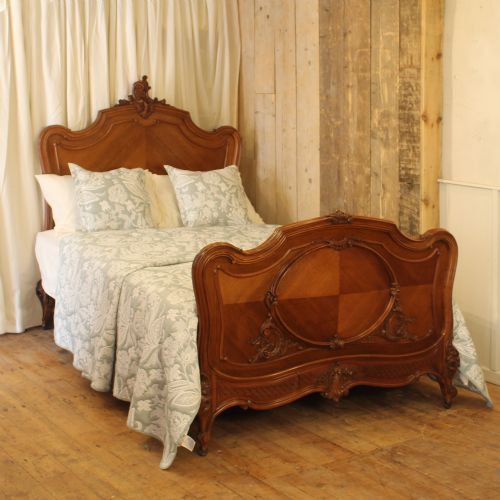
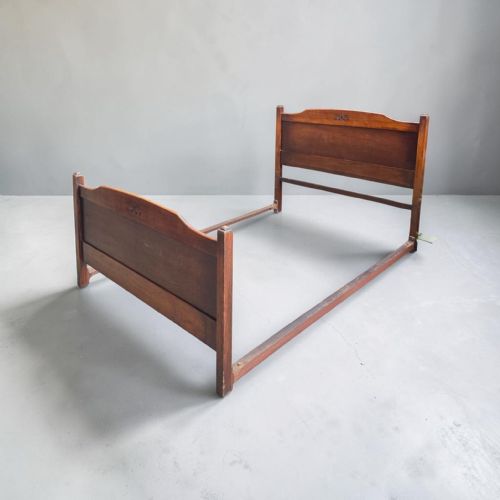
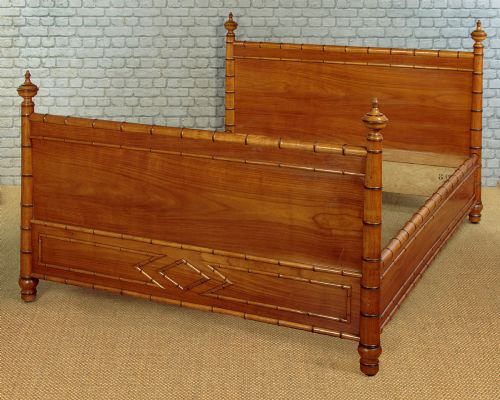
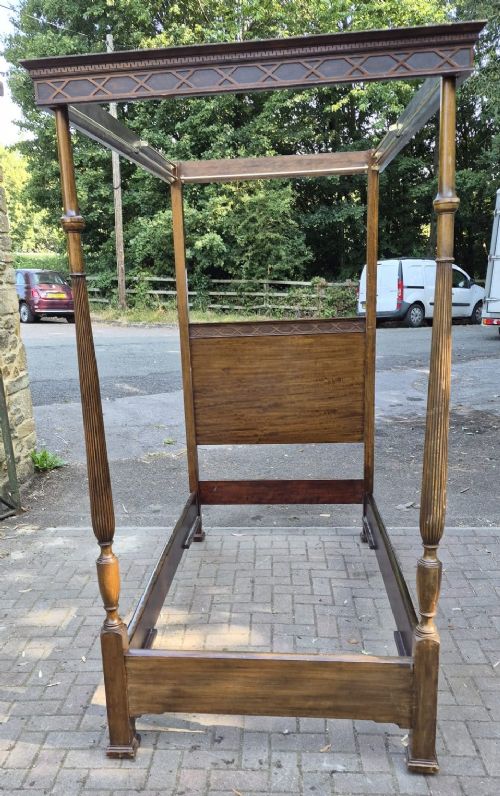
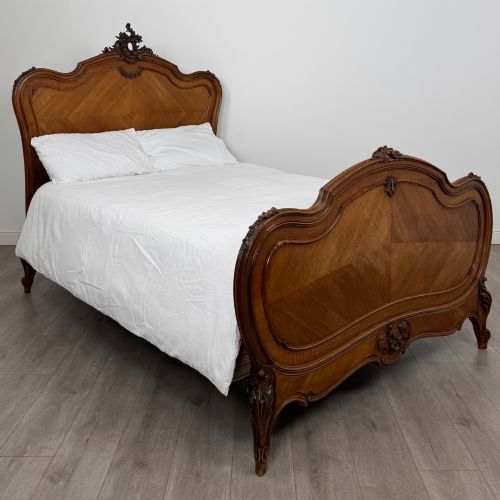
A carved wooden double bed brings architectural presence to a bedroom, offering solid timber construction and period character.
Carved Wooden Double Bed
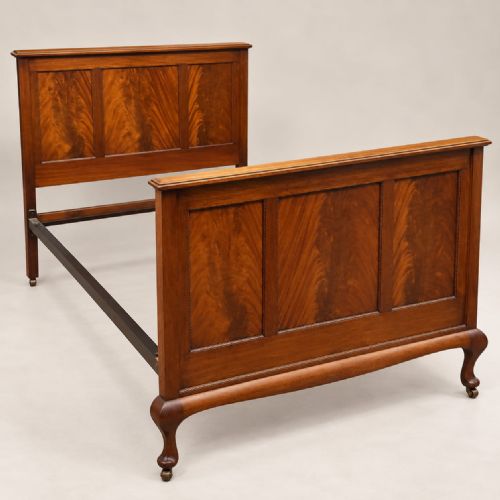
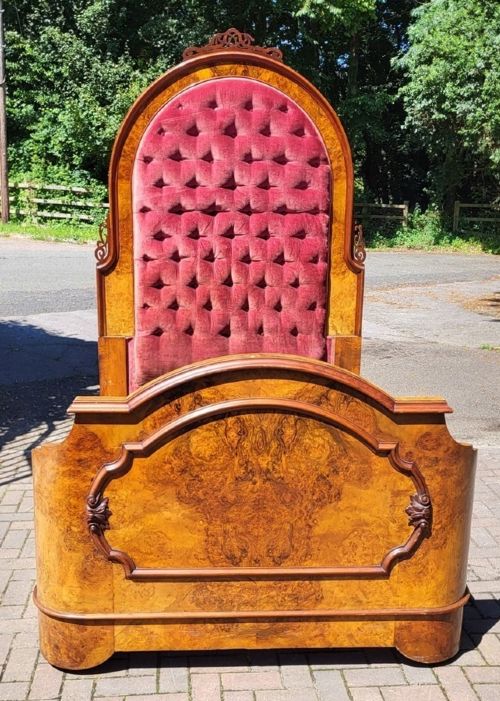
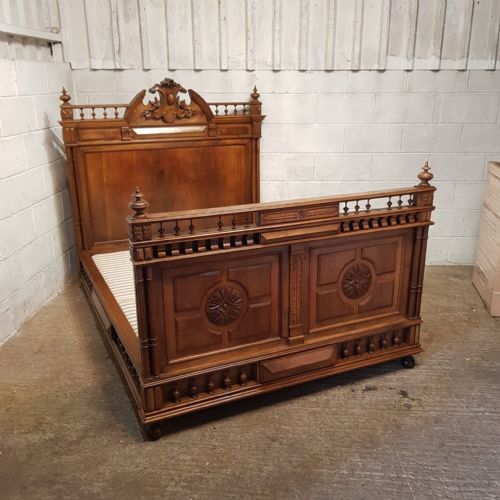
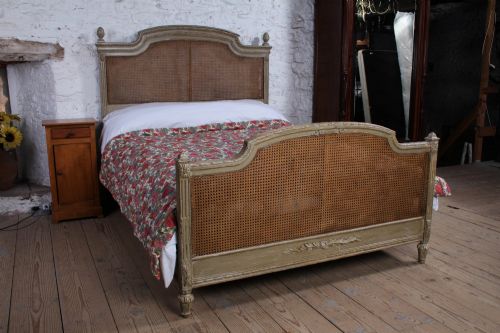
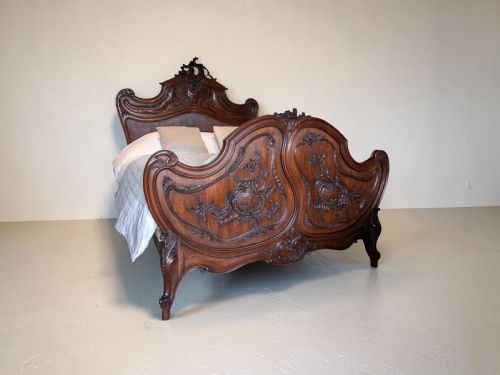
Buyers will encounter French chateau designs, Victorian burr walnut bedsteads, and caned frames alongside solid oak structures. The selection balances continental carvings with British period joinery, ranging from simple headboards to full tester and four-poster configurations.
How they were made
Cabinet makers utilised dense hardwoods including walnut, mahogany, and oak, often selecting burr walnut veneers and satinwood for decorative surfaces. Frames combine sturdy mortise and tenon joinery with hand-carved detailing, shaped panels, and applied mouldings.
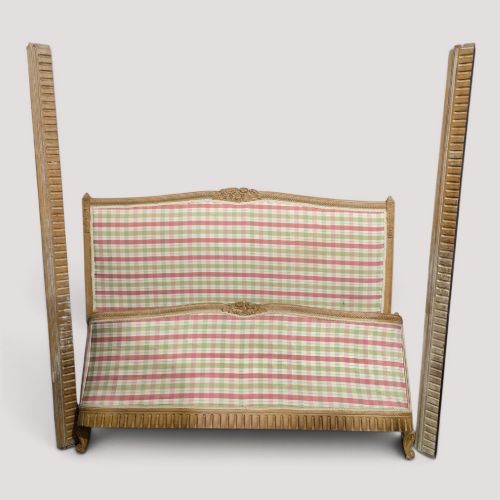
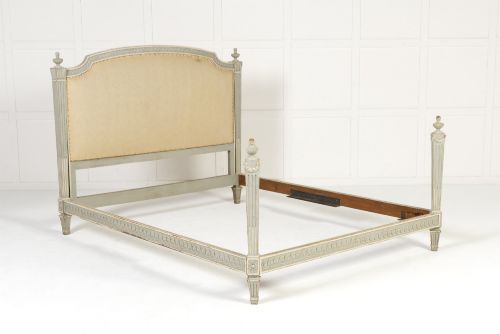
Finishes involve traditional polishing, liming, paint, and parcel gilt highlights, while specialised elements incorporate woven cane panels, brass mounts, and button-backed fabric upholstery.
Listings feature woods such as walnut, mahogany, oak, and satinwood across the Victorian, Edwardian, and Art Deco periods.
What varies in quality
Depth and crispness of hand-carving distinguish standard output from finer commissions, particularly where acanthus leaves, scrollwork, and floral motifs appear along headboards and footboards. The selection of timber grain, such as figured walnut or plum pudding mahogany, dictates visual depth.
Structural integrity relies on the retention of original side rails, correct proportions in larger frames, and the preservation of secondary woods. Integration of supplementary details like original caning, parcel gilt, and cast brass mounts elevates the overall execution.
maple and co
The Carved Wooden Double Bed Glossary
- Bedstead
- A framework of a bed consisting of headboard, footboard, and rails. This term often appears in nineteenth-century and Edwardian descriptions.
- Tester
- A wooden canopy over a bed, supported by the headboard and posts. Earlier examples include half tester and full tester variants.
- Caned
- Woven rattan or split cane panels fitted into headboards or footboards. This technique offers lightness and texture to heavy wooden frames.
- Parquetry
- Geometric patterns of wood veneer arranged on a surface. It appears on polished mahogany and walnut panels of continental design.
- Parcel gilt
- Woodwork partially gilded with gold leaf to highlight carved details. This treatment contrasts against painted or dark wood surfaces.
Carved Wooden Double Bed: Frequently Asked Questions
How do I fit modern mattresses?
Many older wooden beds were built to historical dimensions rather than standard modern mattress sizes. Custom mattress ordering or subtle internal slat adjustments often resolve sizing discrepancies.
Checking the internal width and length dimensions against contemporary mattress standards ensures a proper fit without altering the antique side rails.
Are these beds easy to assemble?
Period wooden beds typically utilise metal bed bolts, slot-in iron brackets, or traditional wooden wedge joints. These mechanisms allow the headboard, footboard, and side rails to separate easily for transport.
Careful alignment during assembly protects the original joinery and maintains the structural stability of the frame.
How do I care for antique wood?
Maintenance involves dusting with a dry, soft cloth and applying appropriate beeswax or furniture polish sparingly. Avoiding direct sunlight and maintaining stable room humidity prevents timber splitting and veneer lifting.
Harsh chemical cleaners strip historical finishes, so gentle cleaning preserves the natural patina developed over the centuries.
Can I use modern bedding?
Contemporary duvets, pillows, and sheets complement antique wooden bedframes without requiring specialised linens. High headboards and footboards accommodate standard layering while displaying the carved woodwork.
Using a suitable low-profile base or custom support slats ensures the mattress sits at the correct height relative to the decorative footboard.