
Vintage Bedstead Frame
A vintage bedstead frame brings solid Victorian and Edwardian craftsmanship into a modern bedroom with timeless metal and timber construction.
Vintage Bedstead Frame
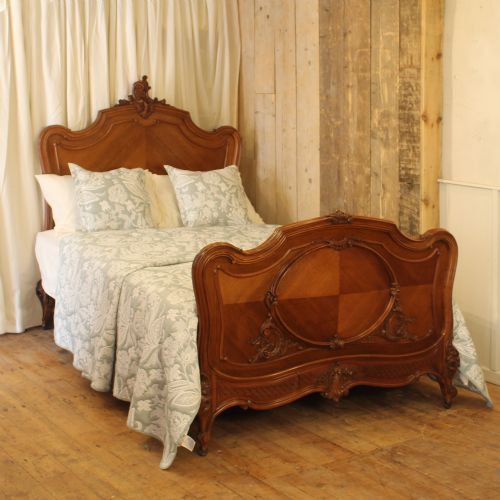
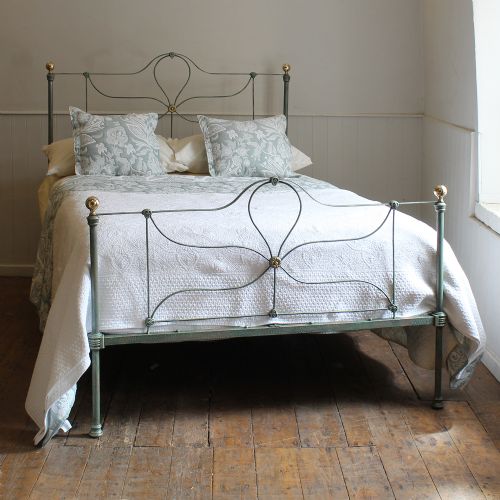
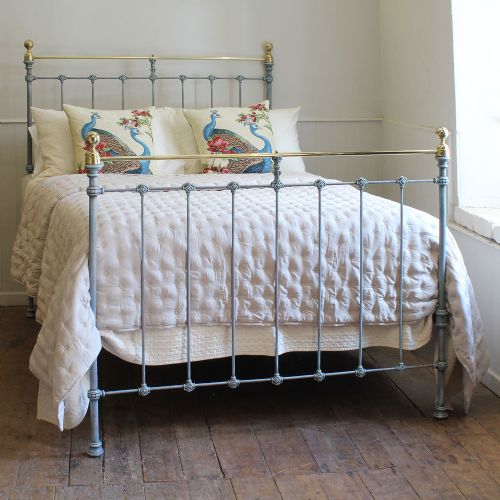
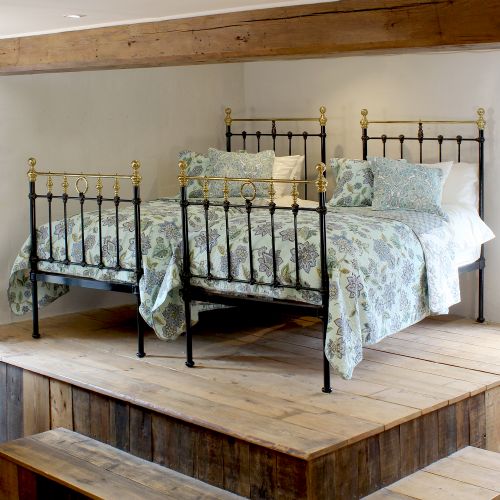
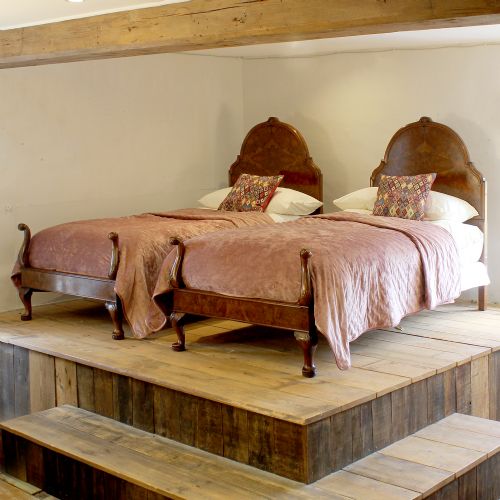
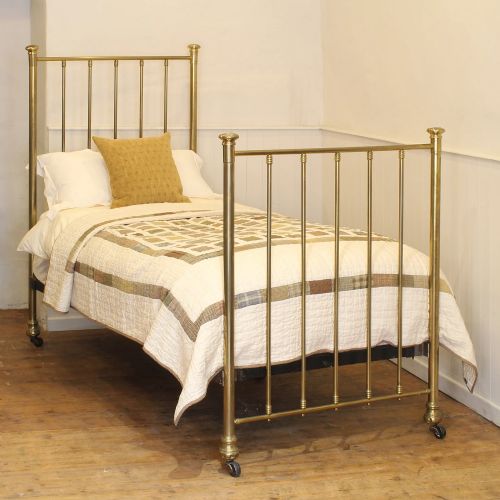
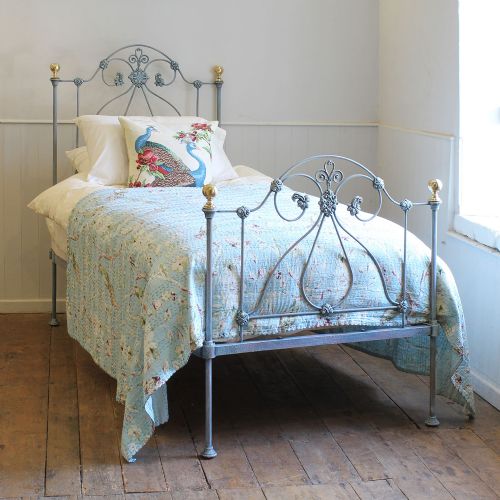
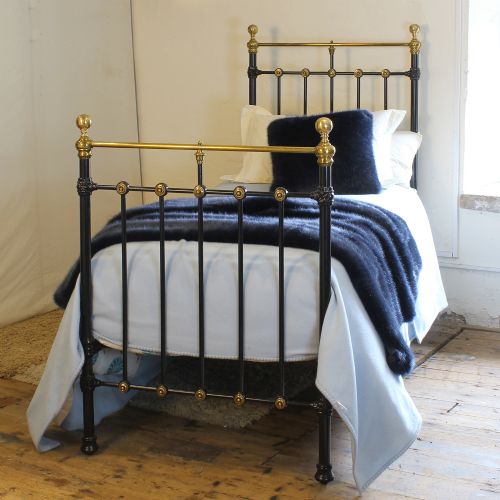
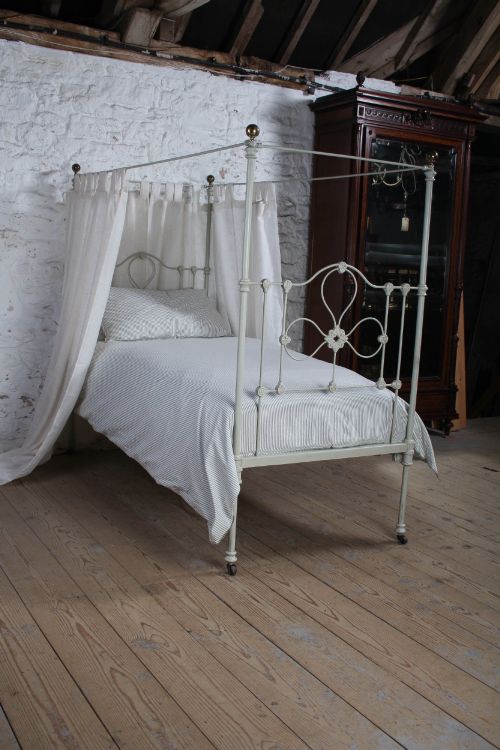
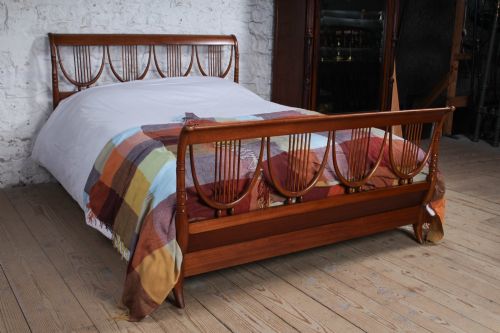
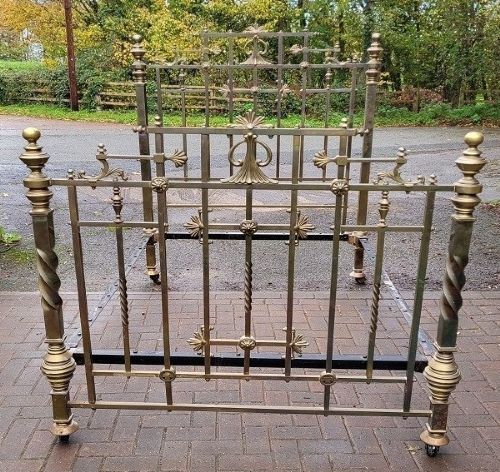
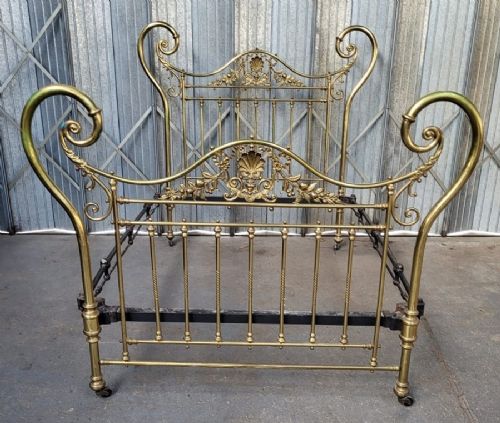
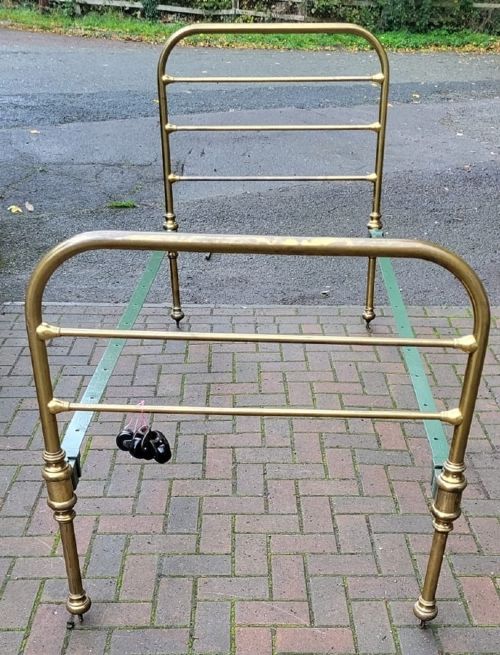
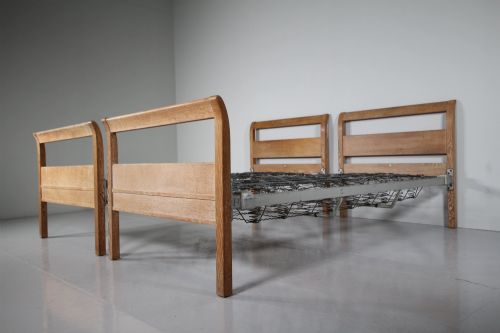
The most common examples met on this page are Victorian and Edwardian brass and iron combinations, alongside timber frames in oak and walnut. These objects arrive in various configurations, including single beds, pairs, and generous double sizes suitable for daily use. Each piece reflects the dominant styles of its era, stretching from French Provincial and Arts and Crafts to geometric Art Deco lines.
How they were made
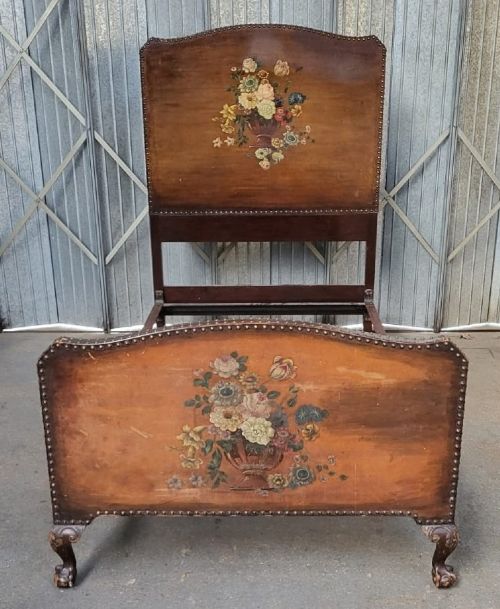
Makers constructed these frames using robust combinations of cast iron, heavy brass, and solid timbers such as oak, walnut, and mahogany. Metal components frequently feature slot-in frames set on castors, decorative castings, and nickel plating applied over iron structures. Timber versions display carved details, hand-painted finishes, inlaid panels, and occasionally woven bergere elements.
Joinery and metalworking techniques varied by workshop, balancing structural load with ornamental detail. Brass tubing met heavy iron supports via secure joints, whilst wooden bed frames utilised traditional mortise and tenon connections alongside applied decorative veneers like burr walnut.
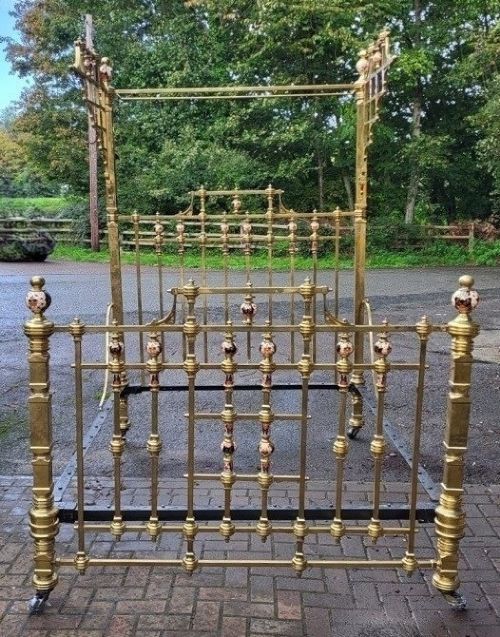
One exceptional iron and brass double bedstead incorporates delicate mother of pearl details amongst its heavy metal castings.
What varies in quality
Quality in a vintage bedstead frame depends on the ambition of the design and the integrity of the materials. Exhibition quality pieces demonstrate heavier gauge brass, superior cast metal details, and intricate hand-carved woodwork that mark them out from standard utility models. Maker attribution, such as labelled pieces from established workshops, further elevates the stature of a frame.
The sophistication of the stylistic execution dictates distinction across the range. Simple iron and brass combinations contrast with elaborate half tester constructions, mother of pearl inlays, and exhibition pieces that showcase the pinnacle of nineteenth and twentieth-century cabinetmaking and metal founding.
Heals·Stanley Webb Davies·Oliver Morel·Waring & Gillow·Winfield
The Vintage Bedstead Frame Glossary
- Bedstead
- A framework of a bed supporting the mattress and springs. It comprises headboards, footboards, and side rails.
- Half Tester
- A type of bedstead featuring a partial canopy extending over the head of the bed. This canopy traditionally suspended fabric curtains.
- Bergere
- A type of chair or bed panel utilising woven cane work. It appears on wooden headboards and footboards from the early twentieth century.
- Wrought Iron
- Iron beaten into shape by hammering rather than cast in a mould. It provides high tensile strength for slender structural components.
- Burr Walnut
- Timber taken from the abnormal growth of a walnut tree, yielding swirling grain patterns. Cabinetmakers sliced it into veneers for decorative surfaces.
Vintage Bedstead Frame: Frequently Asked Questions
How do I choose the right size?
Check the listed dimensions carefully against standard modern mattress sizes, as older frames occasionally vary by a few inches. Measure your bedroom space to ensure adequate clearance around the footboard and side rails.
Consider whether you require a single, double, or king size configuration based on your daily sleeping arrangements and room proportions.
Can modern mattresses fit older frames?
Many vintage bedstead frames accommodate modern mattresses, provided the internal length and width match standard sizing. Some older three-quarter or non-standard beds require bespoke mattress manufacturing.
Verify the internal dimensions of the side rails before purchasing to ensure your existing or planned mattress drops securely into place.
How do I care for brass and iron?
Maintain brass components by dusting regularly with a soft cloth and avoiding harsh abrasive cleaners that strip protective lacquers. Iron frames benefit from light cleaning to remove surface dust without disturbing the underlying patina.
Keep metal frames away from excessive moisture to prevent oxidation and preserve the original surface finish.