

Victorian Door Furniture
Victorian door furniture brings distinct period character to entrances, combining robust brass fittings with tactile glass or metal.
Victorian Door Furniture
When searching for victorian door furniture, buyers encounter functional architectural hardware designed for period properties, principally comprising knockers and handles. The evidence records brass as the primary material for these substantial domestic fixtures.
Pieces frequently date across the nineteenth century, capturing the stylistic shifts from early Victorian designs through to late Victorian production. Buyers are most likely to meet solid brass construction tailored for everyday domestic use.
Assessing quality and craftsmanship
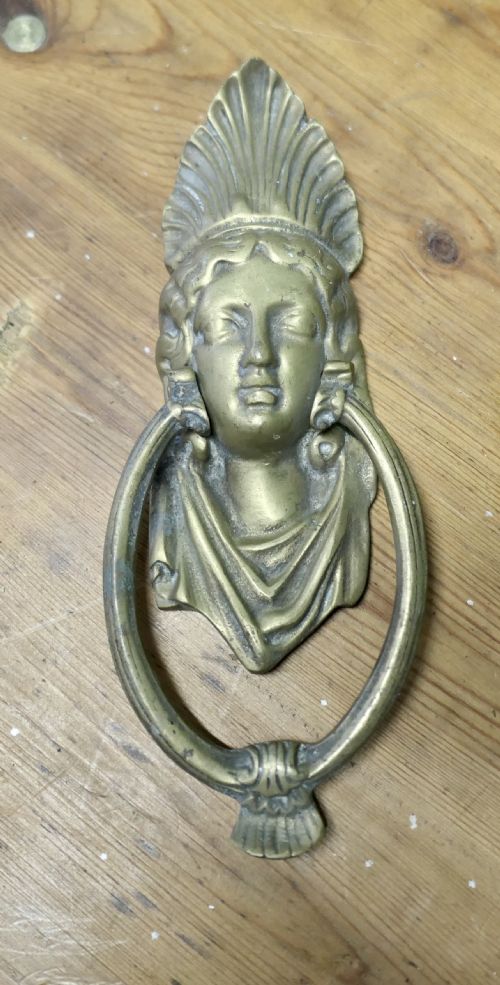
Quality rests in the crispness of the cast detail and the weight of the metal used in production. Finer examples display sharp definition in sculptural elements, whereas simpler items show softer contours.
The integrity of the original mounting points and the depth of the metal finish distinguish superior items from standard utilitarian hardware. Better pieces retain their original tactile quality and mechanical action.
Victorian Door Furniture Retail Price Guide 2026
Typical asking prices for victorian door furniture among the pieces listed under this phrase on Sellingantiques today, from the lower quarter to the upper quarter. They describe what is for sale here now, not the wider market.
One exceptional knocker takes the startling shape of a human hand, offering a wonderfully tactile greeting to unexpected callers.
Gillows·Edwards and Roberts·S and H Jewell·James Winter
The Victorian Door Furniture Glossary
- Brass
- A copper and zinc alloy widely utilised for nineteenth-century architectural hardware due to its durability and warm appearance. It forms the basis of most knockers and handles.
- Caryatid
- A sculpted female figure serving as an architectural support, seen here applied to decorative door knockers. This classical motif adds sculptural depth to the hardware.
- Ironmongery
- A collective term for manufactured metal goods and hardware used in buildings. It encompasses functional items like hinges, handles, and knockers.
- Victorian
- Pertaining to the reign of Queen Victoria, spanning the nineteenth century and encompassing diverse stylistic revivals. This period defined British domestic architecture and interior fittings.
Victorian Door Furniture: Frequently Asked Questions
How do I clean antique brass?
Clean brass gently with a soft cloth to preserve the aged patina built up over decades. Avoid harsh chemical cleaners that strip the historic surface character.
Light dusting and occasional gentle wiping maintain the metal without removing the desirable darker tones associated with nineteenth-century fittings.
Are these fittings suitable for modern doors?
Most pieces function well on standard internal or external doors provided the measurements match existing fixings. Consideration should be given to the weight of solid brass items.
Checking the backplate dimensions and spindle requirements ensures proper alignment with contemporary joinery standards.
What finish is typical for this hardware?
Unlacquered cast brass forms the standard finish, allowing the metal to age naturally through handling. Polished highlights contrast with darker recesses on decorated surfaces.
Over time, regular use develops a deep, tactile sheen unique to antique metalwork.
How do I date a door knocker?
Dating relies on stylistic clues, casting techniques, and the specific motifs popular during the nineteenth century. Classical revival styles often point towards the middle decades of the era.
Comparing the fastener types and backplate design with known period examples helps establish an approximate manufacturing decade.