









Polished Brass Knocker
A polished brass knocker greets visitors with weight and shine, offering an instant upgrade to any entrance.
What these pieces are
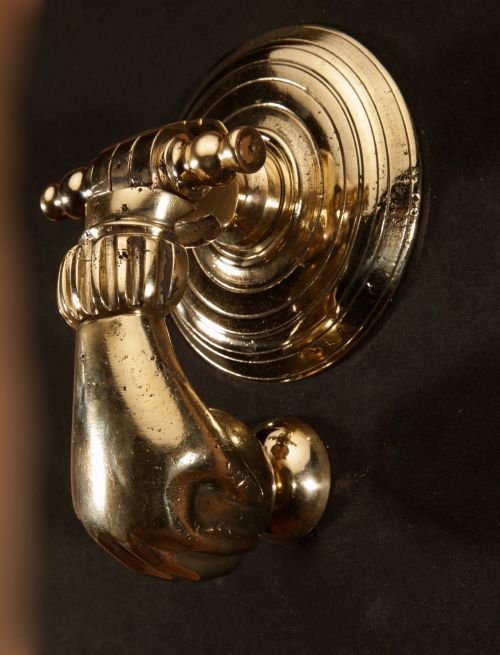
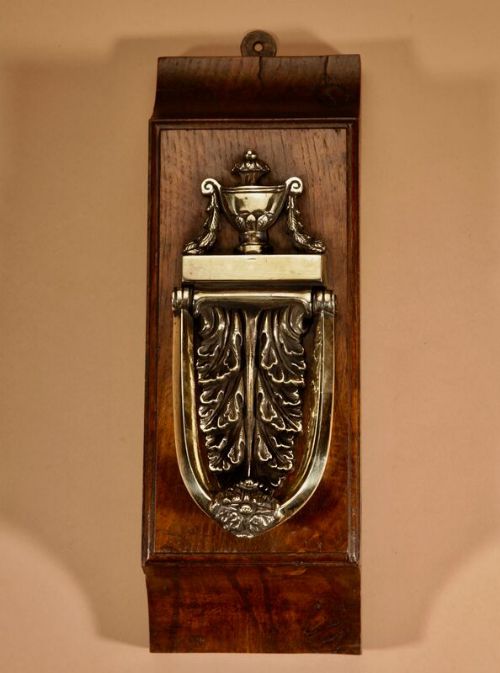
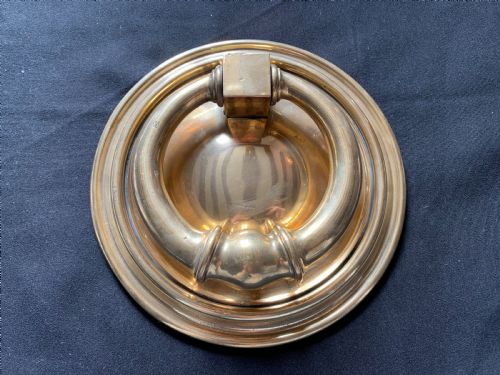
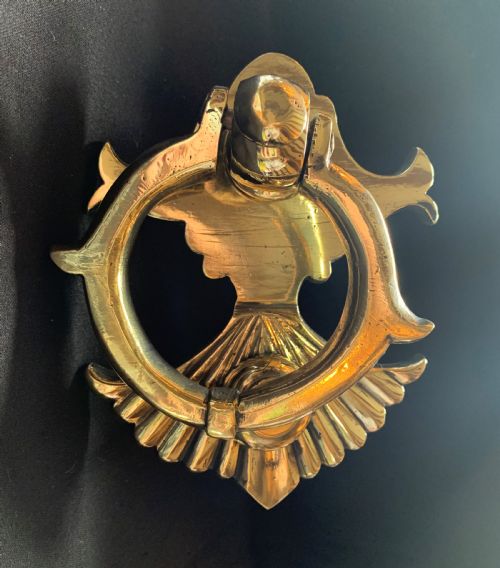
A polished brass knocker is a functional door fitting designed to announce visitors through sound, appearing across Victorian, Edwardian, Georgian, and later periods. The selection here spans simpler classical forms alongside more ornamental novelty items.
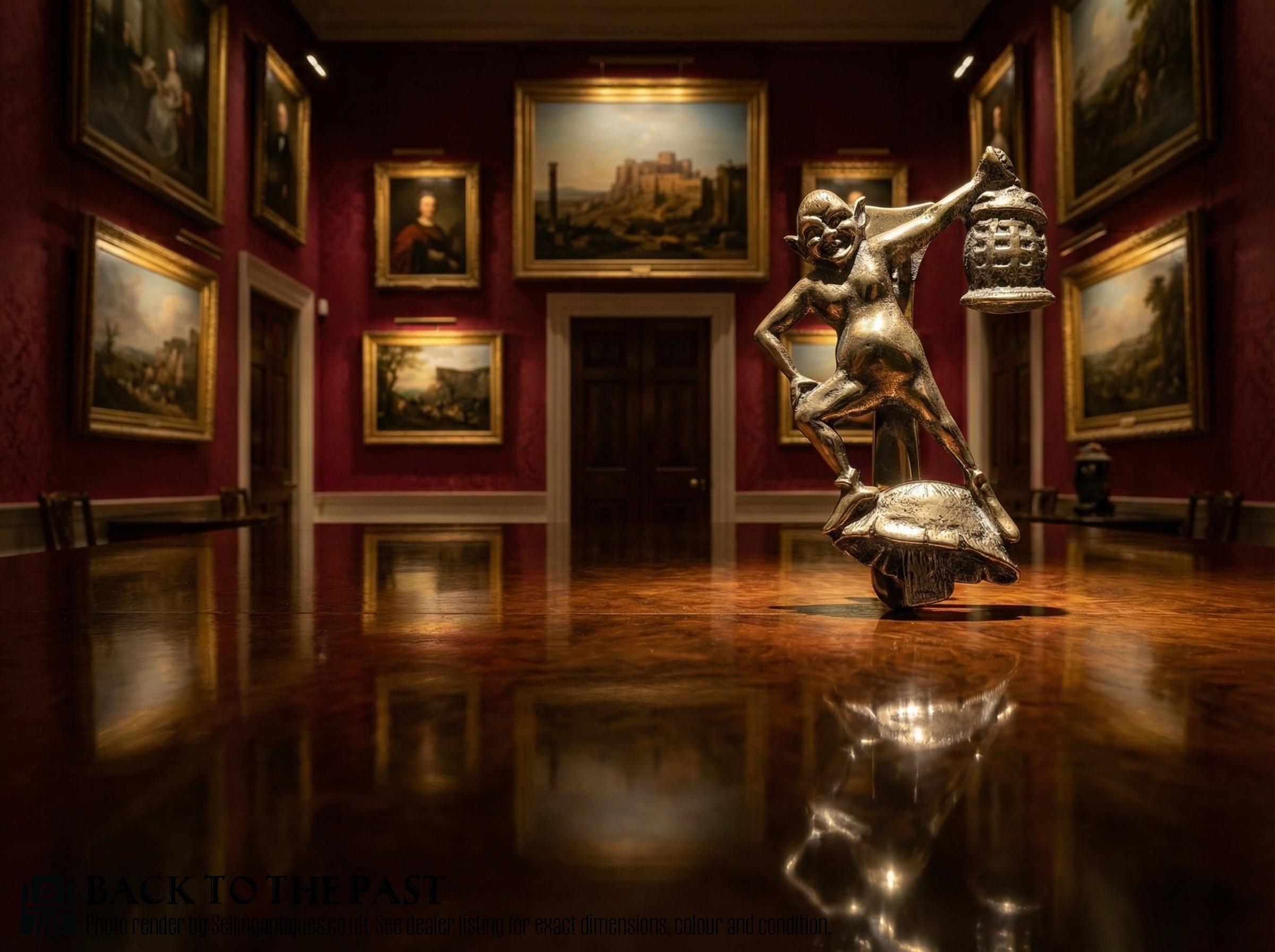
Most examples found on this page take the form of door knockers shaped as traditional doctors knockers, Maltese dolphins, or figurative subjects like an imp with a lantern. Materials extend beyond brass to include polished bronze, cast metal, and iron.
These items originate from various eras, showing how domestic hardware evolved from Georgian styling through Victorian revivalism and into twentieth-century production. Each piece serves as both an operable door furniture component and a period architectural detail.
How they were made
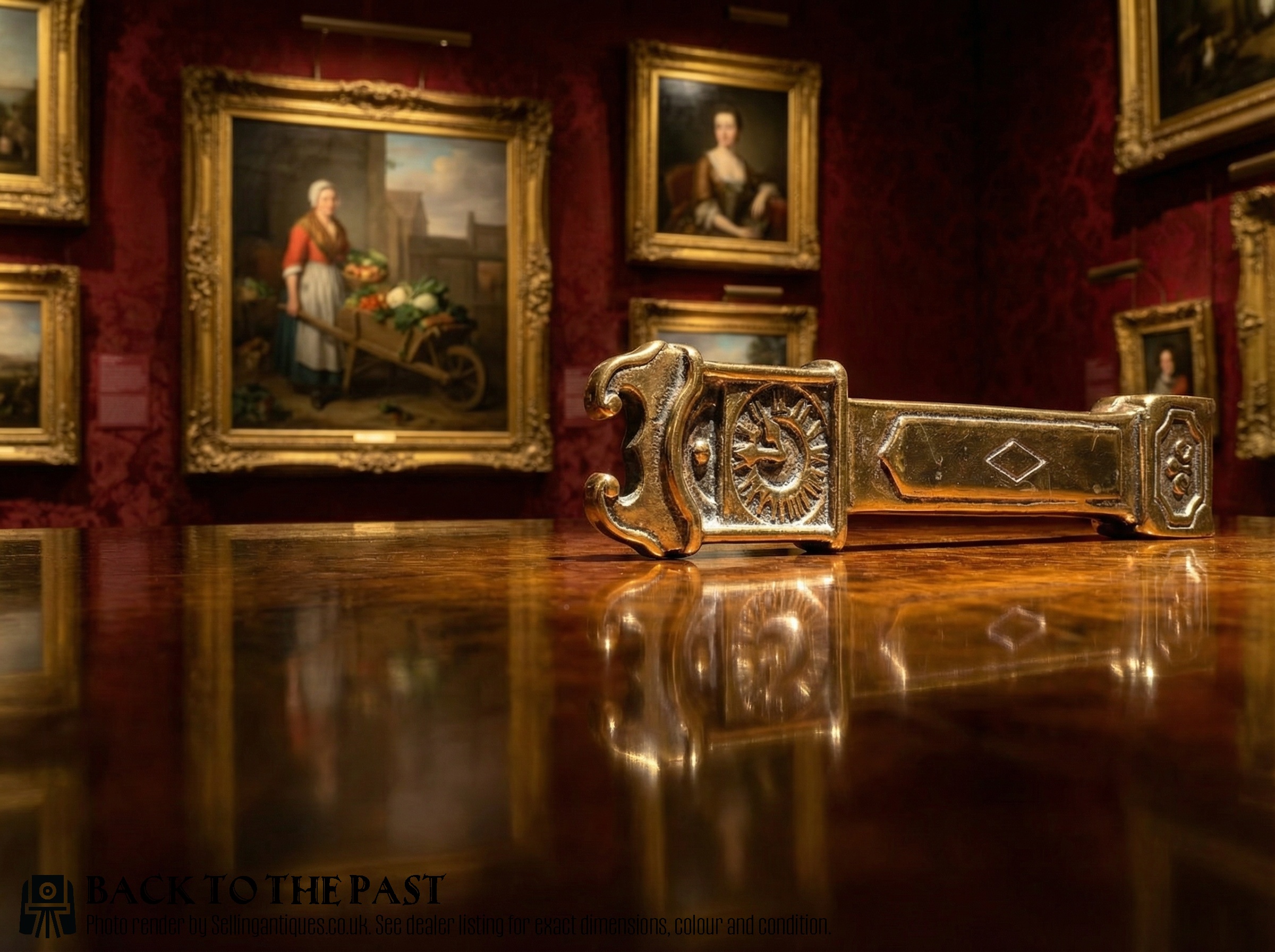
Makers utilised casting techniques to shape molten brass, bronze, cast metal, and iron into intricate forms including dolphins, imp figures, and classical doctor's patterns. The resulting rough castings then required extensive filing, smoothing, and polishing to achieve a bright surface finish.
Surface treatments rely on mechanical polishing to bring out the golden lustre of brass and the deeper tone of polished bronze. Iron and standard cast metal components were shaped to endure regular impact against striking plates.
Retail Price Guide 2026
Typical UK retail prices for polished brass knocker, calculated from the Sellingantiques database of over a million retail prices indexed since 2003. This retail price guide relies exclusively on Sellingantiques data; no external sources or auction records are used, so the figures do not describe the wider market.
One cheerful Edwardian resident of this page is a small brass imp holding a lantern, ready to announce every caller.
What varies in quality
The distinction between ordinary and superior pieces rests on the crispness of the casting detail and the weight of the metal used. Heavier solid brass or bronze examples with deep relief work offer greater presence and durability than lighter alternatives.
Artistic execution also separates standard production from finer work, particularly in novelty pieces where facial expressions and anatomical proportions require skilled modelling. The integrity of the complete mechanism, including backplates and striking studs, defines a well-preserved survivor.
The Polished Brass Knocker Glossary
- Brass
- An alloy of copper and zinc known for its bright golden appearance and durability in door hardware. It takes a high polish and resists corrosion.
- Doctors knocker
- A specific style of door knocker featuring a hinged upper hammer that strikes a separate backplate mounted below. This pattern gained popularity in the nineteenth century.
- Maltese dolphin
- A decorative motif featuring marine mammals, frequently utilised in Victorian maritime hardware. These designs often incorporate symmetrical tails and detailed scales.
- Striking plate
- The metal plate mounted on the door surface beneath the knocker hammer. It protects the wood from impact marks.
Frequently Asked Questions
How do I clean a brass knocker?
Maintenance involves using a gentle metal polish suitable for brass to preserve the reflective surface without removing fine details. Regular wiping removes dirt and atmospheric grime.
Avoid abrasive pads that scratch the metal or alter the historic finish over time.
Are these knockers suitable for exterior use?
Most items are constructed from durable metals like brass, bronze, and iron built to withstand outdoor conditions. They function effectively on exterior front doors.
Weather exposure will naturally dull the polished finish gradually, requiring periodic upkeep to maintain maximum brightness.
How do I date a brass knocker?
Dating relies on stylistic clues, casting methods, and material choices that align with specific eras such as Georgian, Victorian, or Edwardian design. Maker marks or screw types can also offer chronological context.
Comparing the decorative motifs against documented period hardware helps narrow down the manufacturing timeframe.