




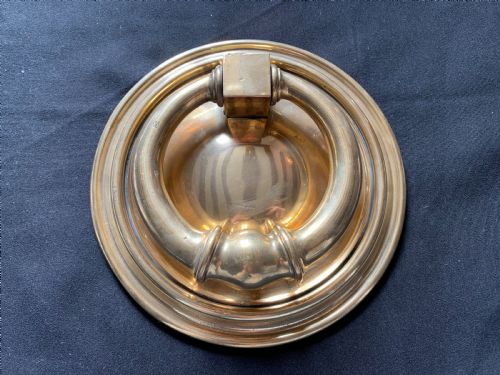
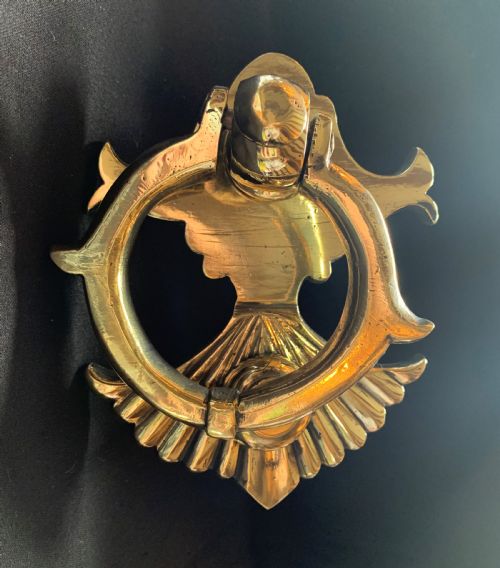

Traditional Door Knocker
A traditional door knocker gives a heavy, satisfying welcome to any entrance, bringing period weight and presence to timber doors.
Traditional Door Knocker
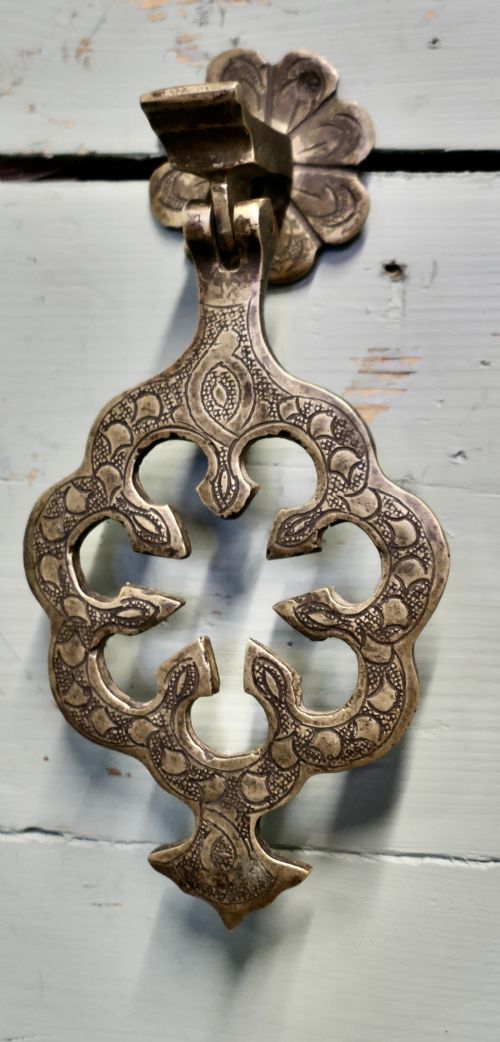
When you search for a traditional door knocker, you are looking at heavy metal hardware designed to announce visitors to a house. These pieces span centuries of domestic architecture, taking forms from simple rings to elaborate figural designs. You will most frequently meet Victorian and nineteenth-century examples on this page, alongside Georgian styles and earlier continental pieces.
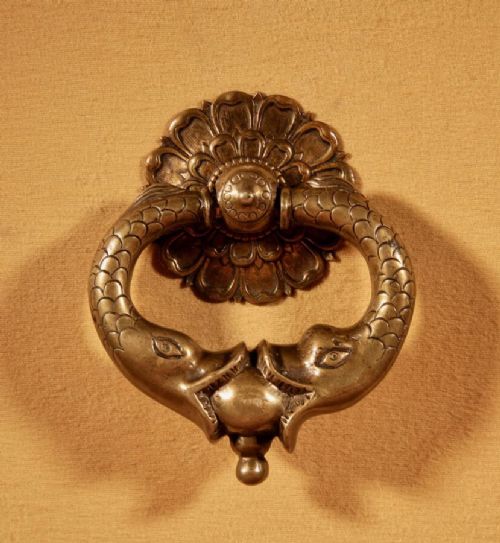
The selection ranges from utilitarian brass plates to sculptural bronze hands, anchors, and lion masks. Many retain their original striking plates, while others incorporate letterboxes or take distinct regional shapes such as the Maltese dolphin. Domestic hardware of this kind turns a functional entryway into a considered architectural statement.
How they were made
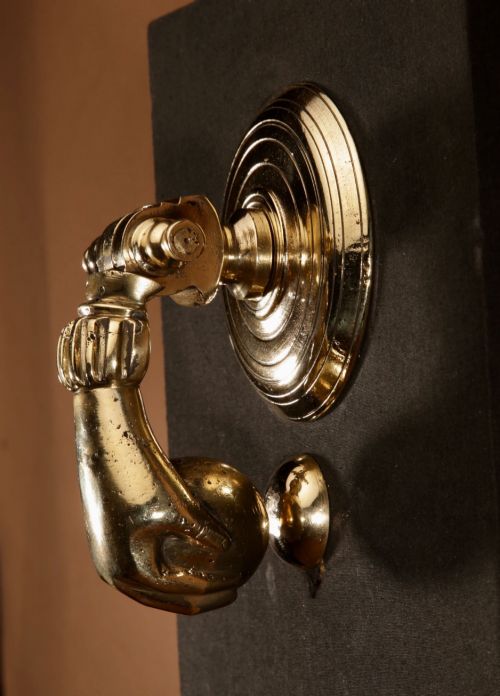
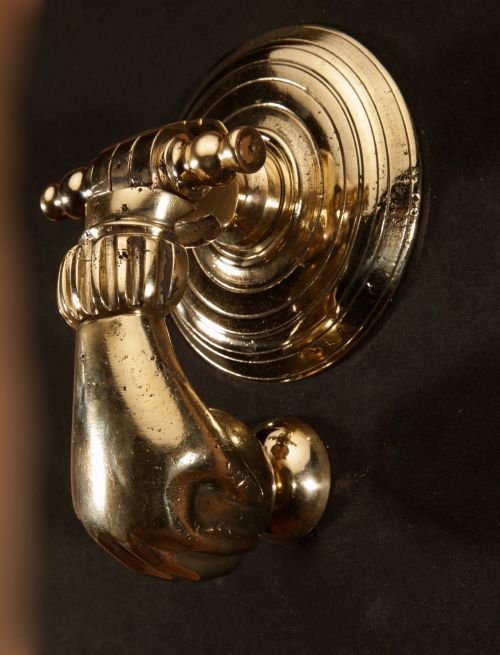
Traditional door knockers are cast in metals, predominantly brass and bronze, with occasional examples in iron or cast metal. The casting process allows for sharp relief work, whether in the flowing manes of lion masks or the detailed cuffs of hand-shaped knockers.
Makers utilised solid metals and heavy gauges to withstand daily use over generations. Surfaces were cast, pierced, and finished by hand, leaving tactile evidence of the foundry work in the weight and texture of the metal.
Traditional Door Knocker Retail Price Guide 2026
Typical asking prices for traditional door knocker among the pieces listed under this phrase on Sellingantiques today, from the lower quarter to the upper quarter. They describe what is for sale here now, not the wider market.
Human hands cast in solid bronze reach out from nineteenth-century doors to greet every arriving guest.
What varies in quality
The heft of the striking arm and the completeness of matching components, such as striking plates and mounting pins, separate standard hardware from substantial sculptural pieces.
The Traditional Door Knocker Glossary
- Striking plate
- The metal plate mounted on the door where the knocker hits, protecting the timber from repeated impacts. It often matches the design and metal of the knocker itself.
- Lion mask
- A decorative mounting motif shaped like a lion's face, frequently holding the pivoting ring or hammer in its jaws. This classical form appears across multiple nineteenth-century styles.
- Doctors knocker
- A specific drop-handle style historically associated with medical practitioners, designed to make a distinctive sound. These long, slender forms are well represented in mid-century and Victorian pieces.
- Gauge
- The thickness of the metal used to construct the piece. Heavy gauge items offer greater durability and a deeper sound when dropped.
Traditional Door Knocker: Frequently Asked Questions
How do I install a traditional door knocker?
Most knockers attach using threaded bolts that pass straight through the door timber, secured with nuts on the interior side. Ensure you measure the bolt spacing carefully before drilling.
For heavy bronze or brass pieces, check that the wood is sound and thick enough to bear the weight and repeated impact without splitting.
Can I polish my brass door knocker?
You can polish solid brass using standard metal cream to bring up a bright shine, though many prefer to leave the aged patina. Regular cleaning prevents verdigris from forming in recessed details.
Avoid harsh abrasives that can wear away crisp casting edges over years of maintenance.
Are these door knockers solid brass?
The listings include solid brass, cast brass, and bronze items built for heavy daily use. Weight is a reliable indicator of solid metal construction.
Hollow or plated alternatives are modern substitutes, whereas period hardware relies on thick, durable casting.