






Cast Brass Door Knocker
These cast brass door knockers bring real weight and character to an entrance, which is precisely why collectors and homeowners hunt for them.
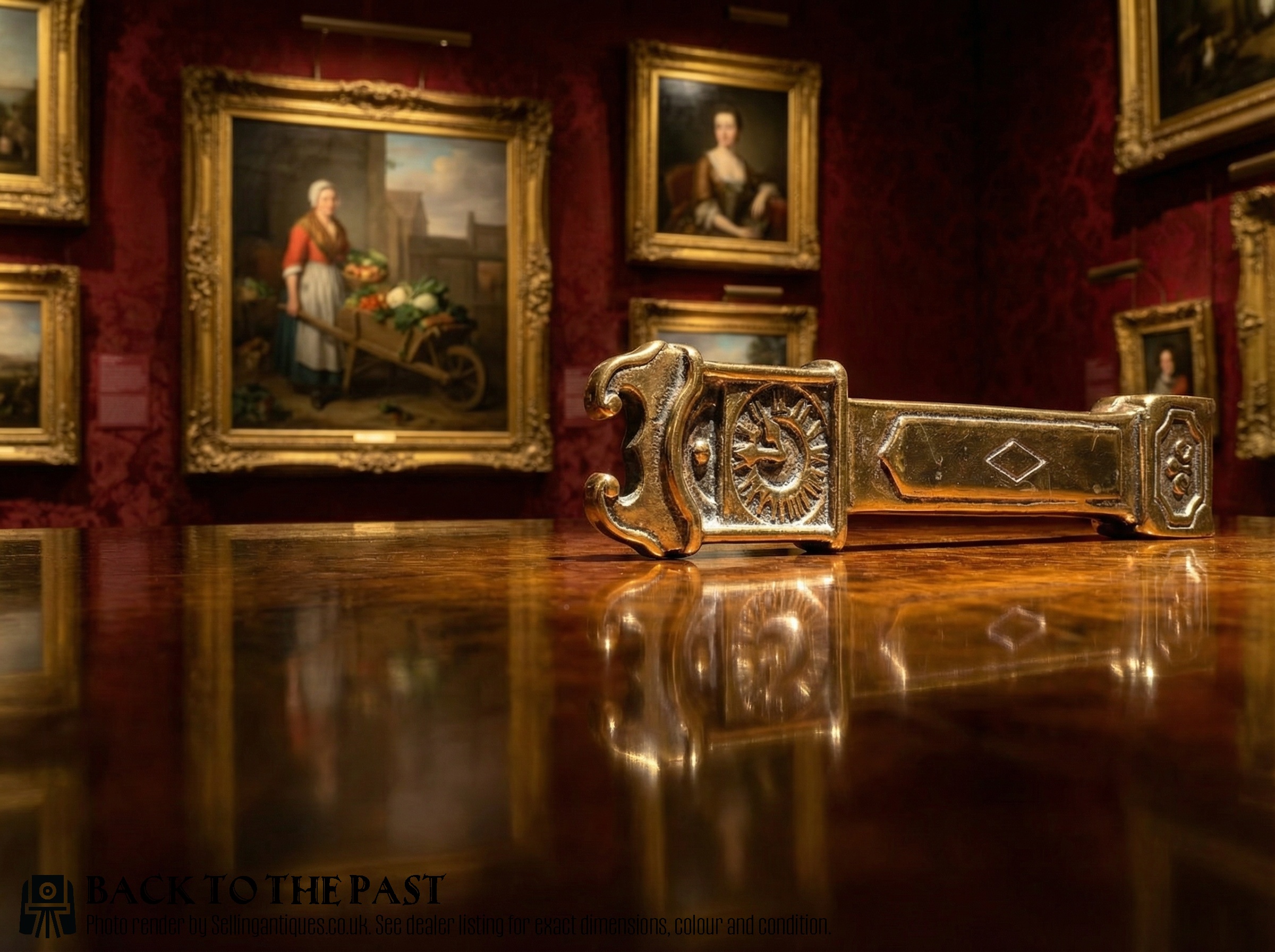
What these cast brass door knockers are
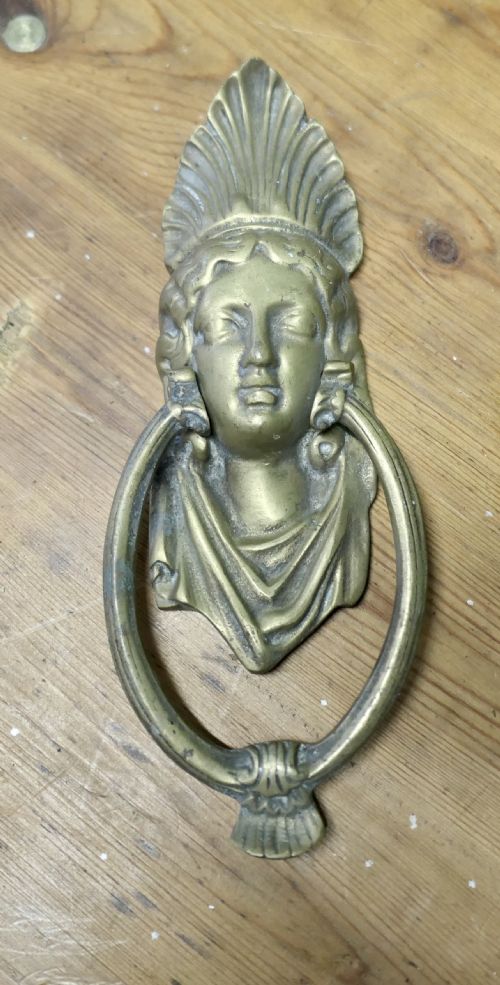
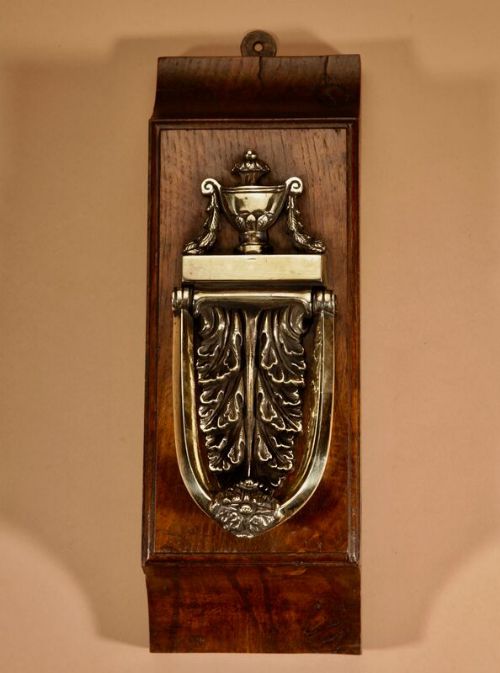
A cast brass door knocker forms a solid functional entrance fitting that appears across Victorian, Edwardian, and nineteen-twenties periods on this page. These pieces span standard domestic designs alongside maritime items, novelty subjects, and miniature grandfather clock forms.
The Victorian period yields the highest concentration of examples here, particularly featuring Maltese dolphin motifs, doctors' style knockers, and ram's head variants. Novelty subjects bring striking character to the door, depicting figures like an imp carrying a lantern.
Buyers encounter everything from large maritime anchor designs to small novelty items fashioned entirely in brass. Each piece carries the distinct presence of its era through robust metalwork and traditional casting methods.

How they were made
Makers utilised traditional casting techniques to shape molten brass into intricate figural and structural forms. The metal provides substantial weight and durability, ensuring the knockers withstand daily use while maintaining their metallic lustre.
Retail Price Guide 2026
Typical UK retail prices for cast brass door knocker, calculated from the Sellingantiques database of over a million retail prices indexed since 2003. This retail price guide relies exclusively on Sellingantiques data; no external sources or auction records are used, so the figures do not describe the wider market.
An imp holding a tiny lantern greets visitors from the doorway.
What varies in quality
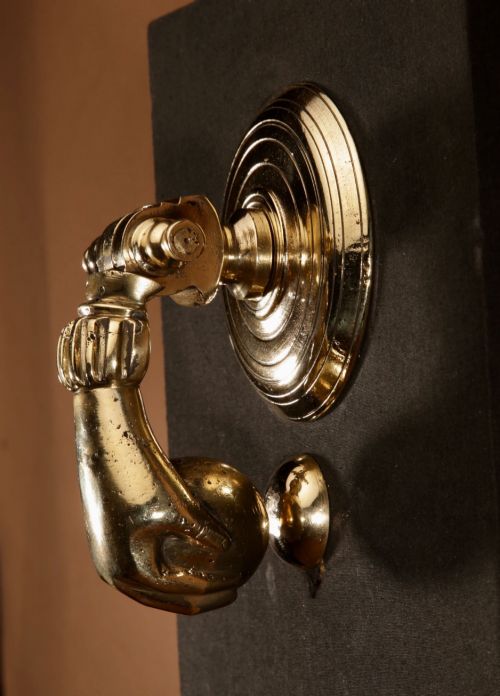
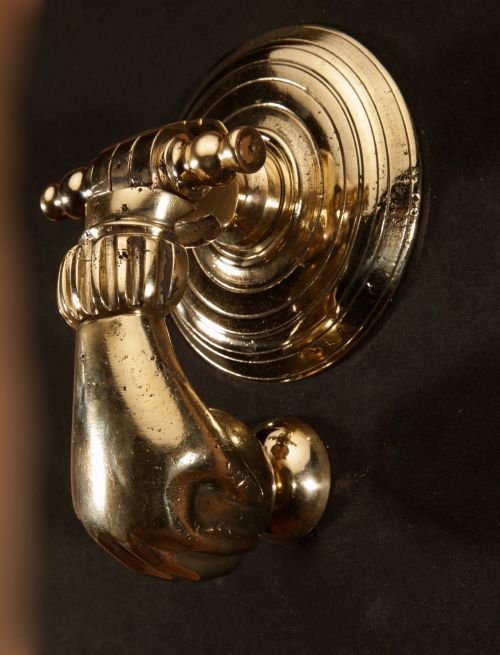
The refinement of the casting defines the upper tier of these pieces, showing crisp definition in figural subjects like imps and dolphins rather than soft, blurred edges. Superior weight and thickness in the brass plate and striking arm also separate substantial pieces from lighter reproductions.
Design complexity marks the distinction between standard domestic hardware and ambitious novelty or maritime commissions. Items featuring detailed anatomical work or clever mechanical elements demonstrate a higher level of artisan skill during production.
The Cast Brass Door Knocker Glossary
- Cast brass
- An alloy of copper and zinc melted and poured into a mould to create solid architectural hardware and decorative objects. This method produces durable items with a warm metallic tone.
- Victorian
- Pertaining to the reign of Queen Victoria, spanning the mid to late nineteenth century. Pieces from this era often display ornate detailing and heavy proportions.
- Edwardian
- Relating to the reign of King Edward VII in the early twentieth century. Design during this brief period tends toward lighter proportions while retaining traditional craftsmanship.
- Novelty
- An object shaped to resemble an unexpected subject, animal, or figure rather than following standard geometric forms. These pieces often serve as conversation starters on an entrance door.
- Maritime
- Pertaining to the sea, featuring nautical motifs such as anchors and marine creatures. These designs reflect Britain's strong historical connection to maritime trade and naval power.
Frequently Asked Questions
How do I date a cast brass door knocker?
Dating relies on stylistic clues, historical motifs, and manufacturing traits associated with periods like the Victorian era or the nineteen-twenties. Heavy cast forms and specific subjects often point directly to these established periods.
Examining the mounting points and the wear patterns on the striking plate also helps confirm the age of the hardware.
Are these door knockers suitable for exterior use?
Brass naturally withstands outdoor exposure remarkably well, developing an attractive patina over decades of weathering. Most historical knockers function reliably on modern exterior doors.
Regular gentle cleaning helps preserve the fine details without stripping away the historic surface character.
How do I mount a vintage door knocker safely?
Installation requires matching the fixing centres to existing holes or drilling careful pilot holes through the wooden door structure. Using solid brass screws prevents galvanic corrosion between dissimilar metals.
Ensuring a secure backing prevents stress on the casting when the heavy arm strikes the plate.