






Period Door Knocker
A period door knocker brings genuine historical weight to an entrance, offering solid tactile character that modern reproductions simply lack.
Period Door Knocker
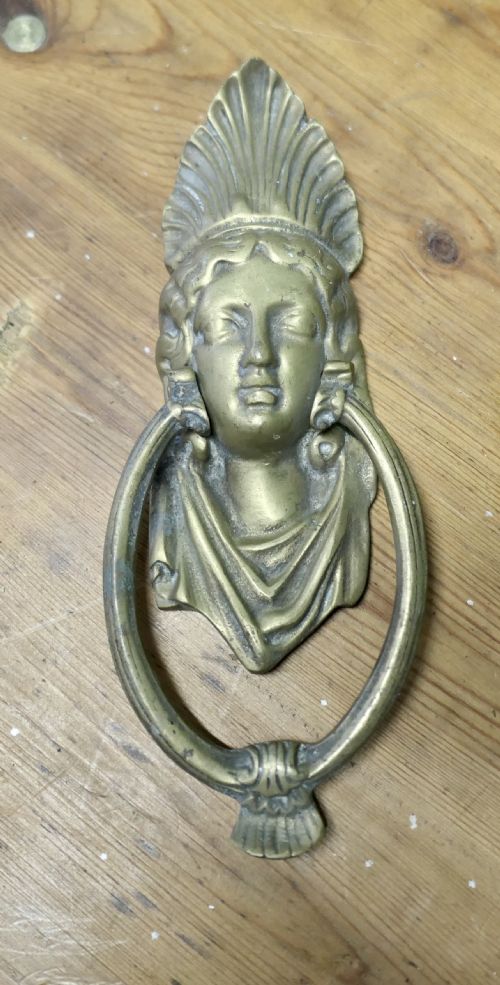
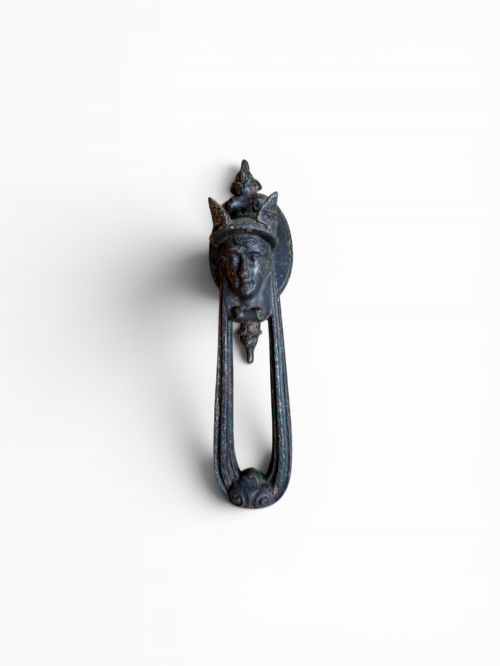
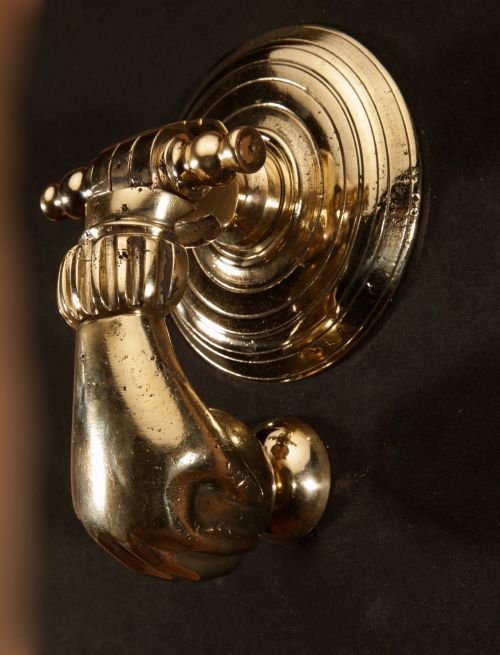
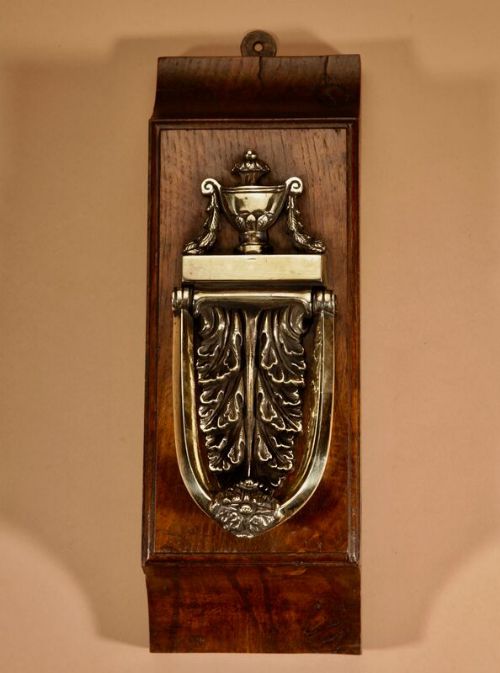
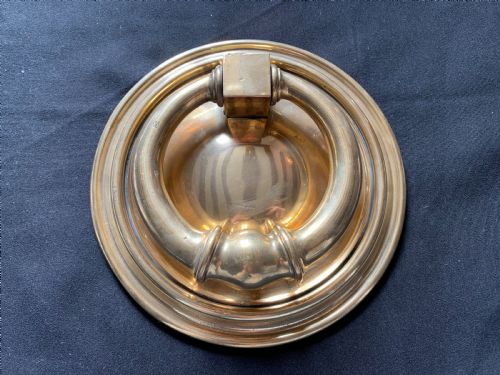
A period door knocker serves as the primary functional hardware on an entrance, combining security and hospitality through substantial metalwork. Buyers searching for a period door knocker will encounter a range of forms, from simple rings to figural designs like caryatids, hands, and lion masks.
The selections available span multiple centuries, with Victorian examples appearing most frequently alongside Georgian and seventeenth-century pieces. These items often incorporate complementary architectural hardware such as striking plates or integrated letterboxes.
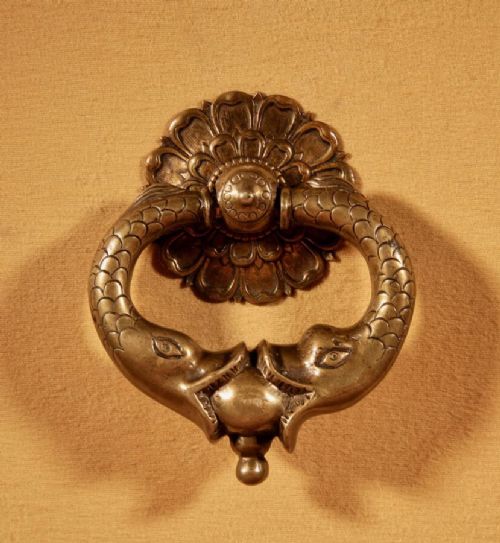
Regional and stylistic influences vary widely across the inventory, touching upon Baroque, Neoclassical, and Regency aesthetics. Continental examples sit alongside British items, utilising motifs like dolphins, laurel wreaths, and mythological figures.
Materials and construction
Finishing work involved hand-chasing and polishing on brass and bronze pieces to highlight surface contours and depth. Iron items relied on forging and casting methods suited to the robust demands of exterior use.
Period Door Knocker Retail Price Guide 2026
Typical asking prices for period door knocker among the pieces listed under this phrase on Sellingantiques today, from the lower quarter to the upper quarter. They describe what is for sale here now, not the wider market.
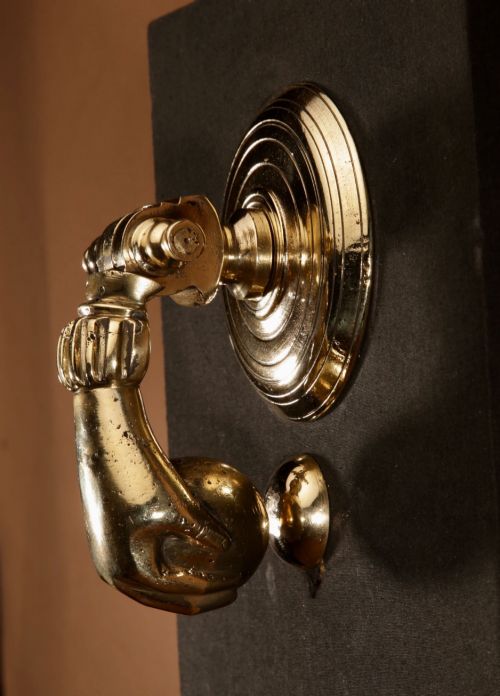
Several knockers take the form of an elf or a clenched hand, greeting visitors with unexpected personality.
Evaluating quality and execution
The distinction between ordinary and exceptional examples lies in the sharpness of the casting and the depth of the relief work. Finer pieces display crisp definition in facial expressions, plumage, or foliate details without the softening typical of secondary copies.
Substance and completeness also dictate distinction, particularly when original striking plates or mounting fixings remain intact. Heavier gauges of solid brass or bronze indicate superior material integrity that withstands daily use over centuries.
The Period Door Knocker Glossary
- Caryatid
- A sculpted female figure serving as an architectural support. In door hardware, it often forms the main vertical body of the knocker.
- Striking plate
- The metal plate mounted on the door face where the knocker hammer lands. It protects the timber from repeated impacts.
- Regency
- An English architectural and decorative style spanning the early nineteenth century. Pieces from this era often favour classical Greco-Roman motifs.
Period Door Knocker: Frequently Asked Questions
How do I install a heavy brass knocker?
Most pieces mount directly through the door using threaded bolts or wood screws fitted from the rear. Ensure the door timber is sufficiently thick to support the weight and tension.
Align the knocker so the striking hammer hits squarely against the centre of the accompanying plate or mounting surface.
Are these door knockers suitable for exterior use?
These items were originally cast for exterior placement and remain robust enough for modern outdoor entryways. Metals like brass and bronze weather naturally over time, developing a rich surface patina.
Regular gentle cleaning helps preserve the underlying metal without stripping away historical character.
How can I tell a Victorian knocker from a Georgian one?
Georgian examples often lean towards restrained classical symmetry, incorporating clean architectural lines and simple geometric rings or urns. Victorian hardware frequently displays more exuberant ornamentation, including naturalistic forms, mythical creatures, and figural designs.
Examining the casting style and mounting method helps confirm the manufacturing era.