




Bronze Door Knocker
A bronze door knocker brings genuine historical weight to an entrance, offering tactile heft and sculptural presence that modern hardware simply cannot match.
Bronze Door Knocker
A bronze door knocker is an architectural fitting designed to announce visitors through sound and sculptural form. When you search for this phrase, you encounter pieces spanning from the seventeenth century through the Victorian era and into the twentieth century, with nineteenth-century examples appearing most frequently.
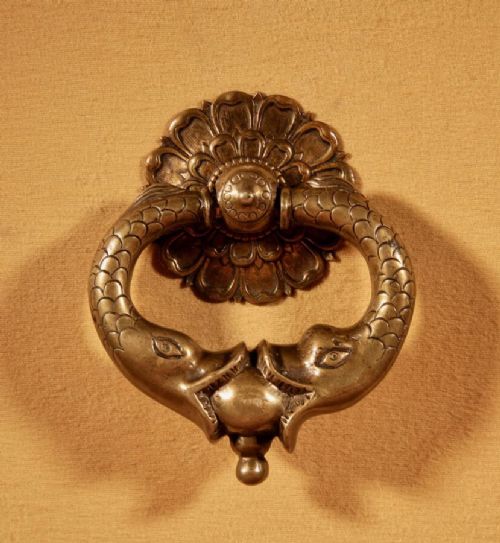
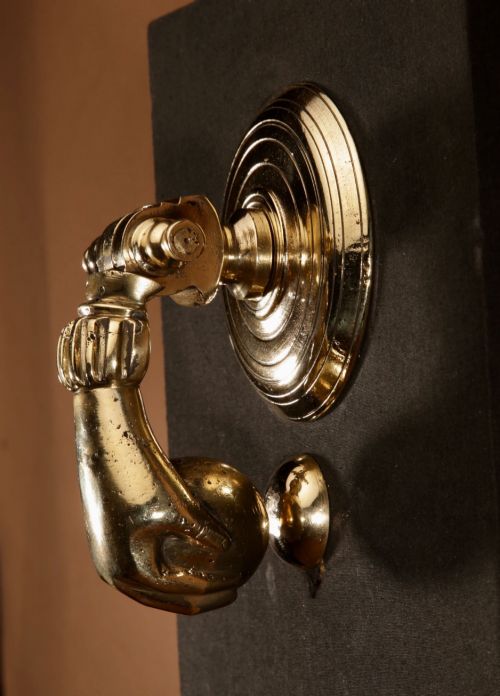
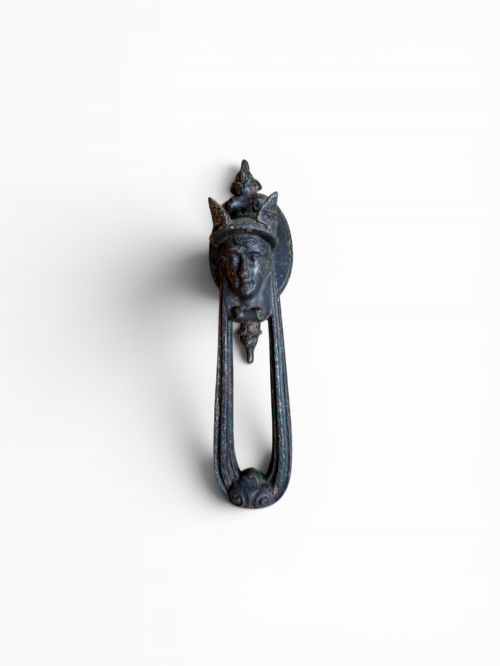
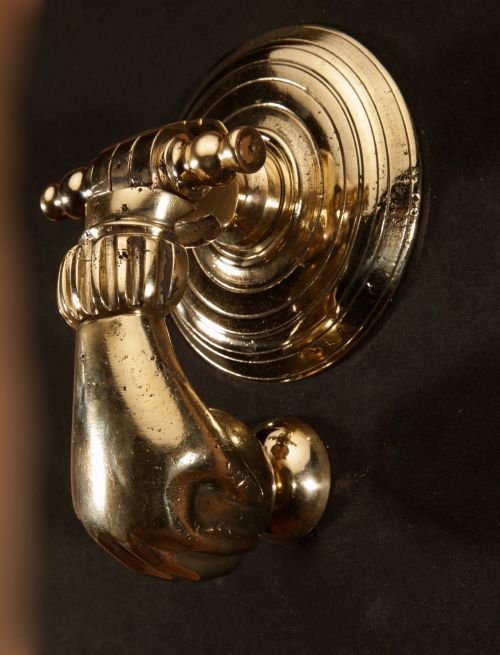
The selection ranges from utilitarian hardware to highly decorative examples shaped as hands, lion masks, ram heads, and sphinxes. These architectural elements draw upon Renaissance, Baroque, Neoclassical, and Egyptian Revival styles to suit various period properties.
Continental pieces from the eighteenth century sit alongside British Regency and Victorian designs. They function simultaneously as practical ironmongery and as prominent decorative mounts for entrance doors.
How they were made
These items rely primarily on traditional casting methods using bronze, brass, and cast iron. Molten metal flows into sand moulds or lost-wax setups, capturing intricate details of lion manes, facial expressions, and laurel wreaths.
Surface finishes vary from polished bronze to natural verdigris patination acquired over centuries of exposure to the elements. Cast brass and cast metal also appear, providing different weights and tonal qualities for the striking action.
Bronze Door Knocker Retail Price Guide 2026
Typical asking prices for bronze door knocker among the pieces listed under this phrase on Sellingantiques today, from the lower quarter to the upper quarter. They describe what is for sale here now, not the wider market.
Stylistic influences on this page include Egyptian Revival, Baroque, Neoclassical, and Victorian Gothic designs.
What varies in quality
Proportion and architectural presence separate ordinary production from high-status items. Larger, heavier knockers with integrated backplates and original mountings command greater visual authority on a heavy timber door.
The Bronze Door Knocker Glossary
- Bronze
- An alloy consisting primarily of copper, traditionally mixed with tin. It develops a rich surface patina over time and resists atmospheric corrosion effectively.
- Verdigris
- A green layer or patina formed on copper, brass, or bronze through natural weathering and oxidation. This chemical change protects the underlying metal.
- Neoclassical
- A stylistic movement drawing inspiration from the classical art and culture of ancient Greece and Rome. It manifests in architectural hardware through symmetrical geometry and classical motifs.
- Architectural hardware
- Functional metal items fitted to buildings, including door knockers, letter boxes, and decorative mounts. These pieces combine structural utility with period design.
- Lion mask
- A decorative sculptural motif depicting the face of a lion, frequently used as the striking plate or pivot point for heavy door hardware.
Bronze Door Knocker: Frequently Asked Questions
Can I use an antique bronze knocker outdoors?
Bronze and brass naturally withstand outdoor conditions because the alloy forms a protective surface layer over decades. Rain and atmospheric moisture simply deepen the historic patination.
Avoid applying modern synthetic lacquers, which trap moisture and cause uneven surface degradation over time.
How do I clean a bronze door knocker?
Wipe the surface with a soft dry cloth to remove dust and urban grime. Preserving the existing patination maintains both the historical integrity and the visual depth of the metal.
Harsh chemical polishes strip away centuries of accumulated character and expose bright raw metal inappropriately.
What is the difference between brass and bronze knockers?
Bronze contains copper and tin, whereas brass is an alloy of copper and zinc. Bronze generally yields a warmer, deeper brown tone and greater tensile strength.
Brass tends to brighten more readily when handled frequently, though older cast brass acquires a similarly pleasing dark surface.