




Cast Bronze Door Knocker
A cast bronze door knocker brings genuine weight and history to an entrance, turning an ordinary door into something worth stopping for.
Cast Bronze Door Knocker
A cast bronze door knocker is an architectural hardware item designed for exterior entrances, appearing in forms ranging from simple geometric rings to elaborate figural compositions. When you search for a cast bronze door knocker, you encounter pieces that span multiple centuries, from seventeenth-century continental examples to Victorian revivals.
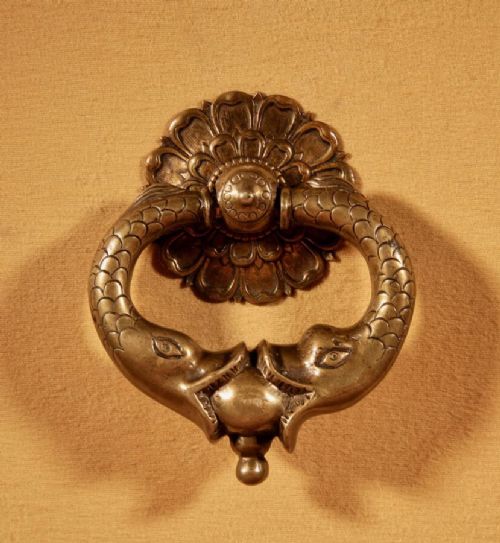
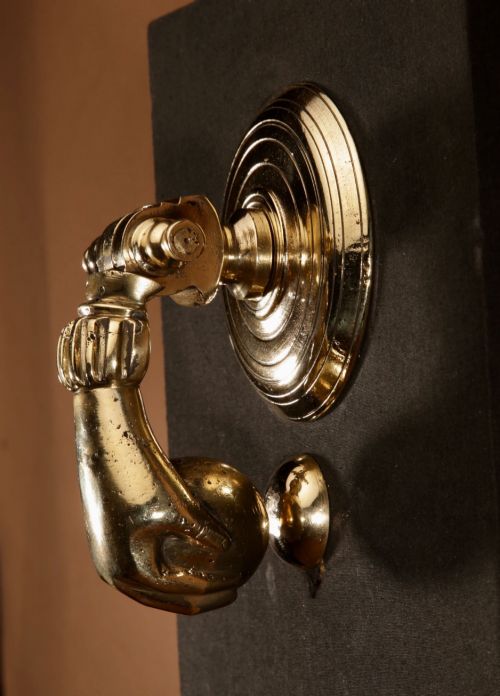
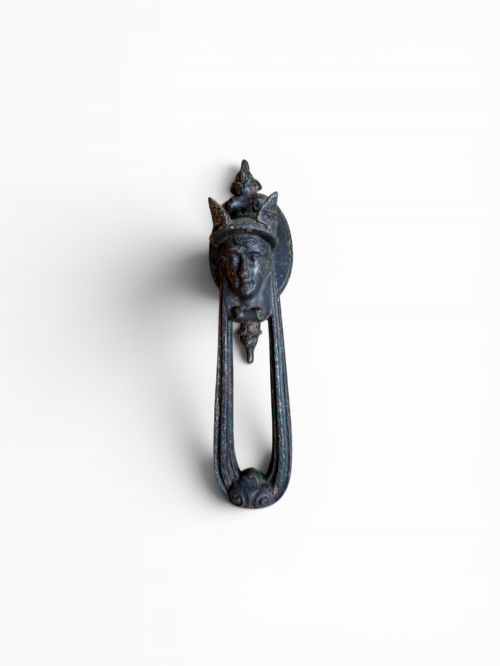
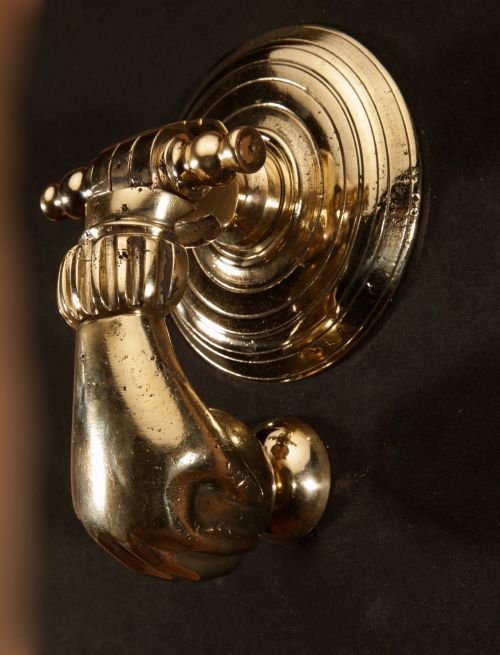
The most common versions met on this page belong to the nineteenth century and the Victorian era, often adopting classical revival motifs or animal heads such as lions and rams. Alongside these traditional designs, you find distinct figurative interpretations like human hands and Egyptian sphinxes.
These items function simultaneously as practical door hardware and decorative mountings, frequently combining a heavy striking plate with a hinged handle. The selection includes complete assemblies alongside specialised variations like letter boxes and pull handles.
How they were made
Makers produced these knockers primarily through metal casting, utilising molten bronze, brass, or cast iron poured into moulds to achieve durable relief work. This process allowed workshops to capture intricate details such as facial expressions, feathers, and laurel wreaths.
Finishes varied according to period preference and subsequent maintenance, yielding polished bronze surfaces alongside aged patinas like verdigris. Metalworking techniques combined structural strength in the mounting plates with articulated movement in the striking elements.
Listings feature items spanning the seventeenth, eighteenth, and nineteenth centuries, alongside twentieth-century examples.
What varies in quality
The choice of material also dictates the character and weight of the object, with genuine bronze offering a different substance and ageing process compared to cast brass or iron variants. Integrity of the original mountings and the survival of the complete striking mechanism further distinguish standard production items from more substantial works.
The Cast Bronze Door Knocker Glossary
- Cast bronze
- An alloy of copper and tin shaped by pouring into a mould, providing durability and a rich surface that develops character over time.
- Architectural hardware
- Functional metal fittings for buildings, including items such as door knockers, latches, and decorative mounts.
- Neoclassical
- A style drawing inspiration from the classical art and culture of ancient Greece and Rome, often seen in symmetrical, restrained architectural ornaments.
- Lion mask
- A decorative motif shaped like a lion's face, frequently used as the central anchor point for a swinging knocker ring.
- Verdigris
- A green patina formed naturally on copper, brass, or bronze through atmospheric oxidation over long periods.
Cast Bronze Door Knocker: Frequently Asked Questions
How do I mount a heavy bronze knocker?
Heavy knockers require secure fixings that pass entirely through the door leaf to bear the constant impact of daily use. Ensure the mounting plate sits flush against the wood to prevent movement and potential damage over time.
Matching the screw metal to the bronze prevents galvanic corrosion between dissimilar metals in damp exterior environments. Pre-drilling pilot holes protects older timber doors from splitting under the torque of larger fixings.
Are these knockers suitable for exterior doors?
Most of these pieces were originally cast for exterior use, employing robust alloys designed to withstand weathering and frequent handling. Bronze and brass form protective surface patinas that resist rust better than standard iron alternatives.
Sheltered entryways help preserve any applied polished finishes or intentional patinas, reducing the need for aggressive chemical cleaning. Periodic gentle washing removes accumulated grit that might otherwise abrade the articulated joints.
How do I distinguish Victorian revivals from earlier pieces?
Victorian revival pieces frequently blend multiple historical idioms, such as combining Gothic proportions with classical mask motifs or incorporating Egyptian revival symbols. Examining the backplate and casting seams often reveals nineteenth-century industrial methods rather than earlier hand-finishing techniques.
Seventeenth and eighteenth-century examples tend to show greater irregularity in the bronze surface and simpler, more direct functional construction. Comparing the specific iconography, such as sphinxes or laurel wreaths, helps align the piece with documented design periods.
What maintenance does polished bronze require?
Polished bronze surfaces need occasional wiping with a soft cloth to remove dust and moisture that can dull the bright metal finish. Avoid harsh abrasive cleaners that strip away the top layers of metal and obliterate subtle casting details.
Allowing bronze to develop a natural dark patina requires minimal intervention beyond keeping the moving hinge clean and lightly lubricated. Choosing between a bright polish and a dark aged surface depends entirely on personal preference for the entrance.