




Period Door Fittings
These period door fittings are authentic items of architectural hardware designed to give an older house the correct weight and detail at the entrance.
Period Door Fittings
Period door fittings encompass functional hardware items including door knockers, handles, hinges, letterboxes and bell pulls that span from the seventeenth century through to the Victorian era. When searching for period door fittings, a buyer is looking to replace missing ironmongery or restore an older doorway with pieces that match the age of the building.
These items originate from centuries of domestic architecture, representing styles such as Baroque and Art Nouveau. Buyers will find heavy cast and wrought hardware designed for principal entrances and interior doors alike.
Materials and Technique
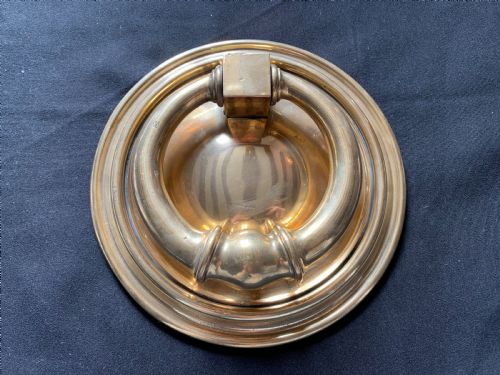
The hardware recorded in these listings relies principally upon metals, with brass, bronze, cast brass, solid brass and wrought iron forming the core materials. Iron appears in heavy seventeenth-century applications, whilst bronze and brass dominate the later Victorian and Georgian pieces.
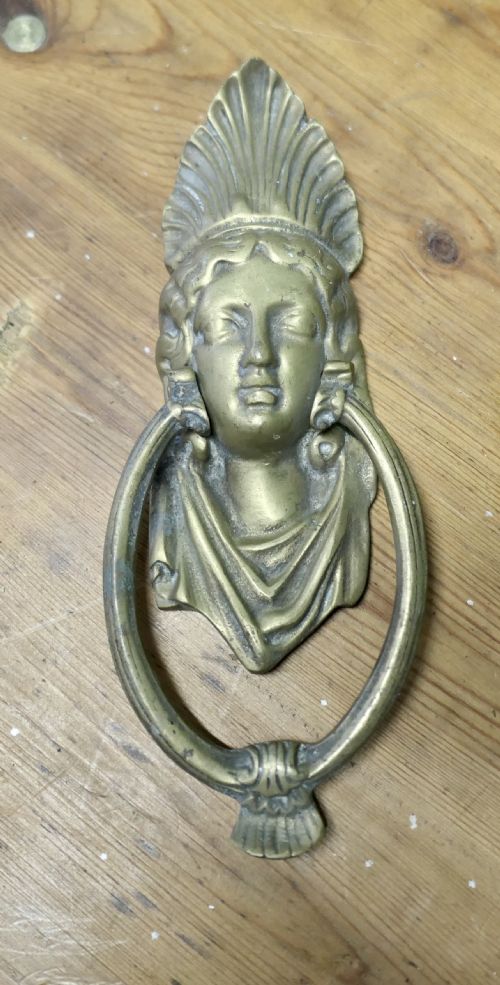
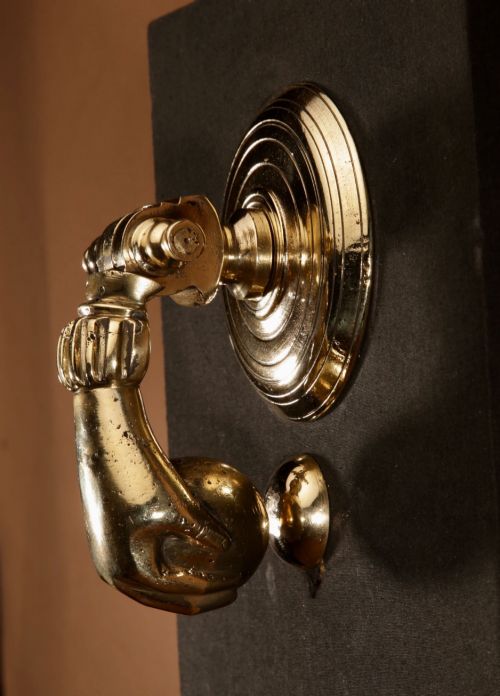
Techniques centre on casting and forging, allowing makers to produce intricate shapes such as caryatids, acorn finials, and Maltese dolphins. Porcelain also appears combined with brass in later press door bells.
Manufacturing methods shifted from hand-wrought ironwork in earlier centuries to more elaborate foundry casting by the Victorian period. This evolution enabled the production of detailed decorative elements like letterboxes and striking plates.
Period Door Fittings Retail Price Guide 2026
Typical asking prices for period door fittings among the pieces listed under this phrase on Sellingantiques today, from the lower quarter to the upper quarter. They describe what is for sale here now, not the wider market.
Qualities That Set Pieces Apart
The integrity of the material and the presence of original matching components dictate the standing of a piece. Pairs of hinges and matched sets demonstrate superior original utility compared to isolated survivors.
Degree of retention, such as surviving striking plates, bell pulls with intact mechanisms, or fully restored surfaces, elevates a piece. Heavy gauge metal and substantial weight signal superior initial manufacture.
The Period Door Fittings Glossary
- Architectural hardware
- Functional building components including hinges, locks, handles and knockers made for doors and gates. These items combine utility with the decorative style of their period.
- Caryatid
- A sculpted female figure serving as an architectural support. In door knockers, this figure forms the striking handle.
- Finial
- A decorative ornament fixed to the top or end of an object, commonly seen on hinges in these listings. They provide a finished architectural accent to the knuckle of the hinge.
- Bell pull
- A mechanical lever or handle mounted on a door frame connected by a wire to a bell inside the house. Georgian and Victorian examples often feature ornate brass backplates.
Period Door Fittings: Frequently Asked Questions
How do I date a brass door knocker?
Dating relies on stylistic clues, the casting technique, and the fastening methods visible on the reverse. Earlier seventeenth-century pieces tend to be in bronze with heavy hand-finished details, whilst Victorian examples frequently employ bright cast brass.
Examining the surrounding plate and screws often reveals whether the hardware belongs to the Georgian or later nineteenth-century periods.
Will old hinges fit modern doors?
Period hinges such as nineteenth-century brass urn finial hinges often possess dimensions and screw hole patterns that differ from modern metric standards. Fitting them usually requires careful chiselling into the door frame.
Buyers should check the height and gauge specified in the listing to assess compatibility with existing timber.
How should I clean antique brass hardware?
Most collectors prefer to leave an aged patina on period brass and bronze rather than polishing it to a bright shine. Gentle dusting or washing with mild soapy water removes surface dirt without destroying the historic finish.
Abrasive cleaners should be avoided entirely to preserve the crisp details of the casting.
What is the difference between a door handle and a door pull?
A door handle typically rotates to operate a latch mechanism inside the door mortise. A door pull or bell pull remains fixed and serves only to pull the door open or ring a bell.
Single bronze and brass handles from earlier centuries often functioned as combined lock handles.