

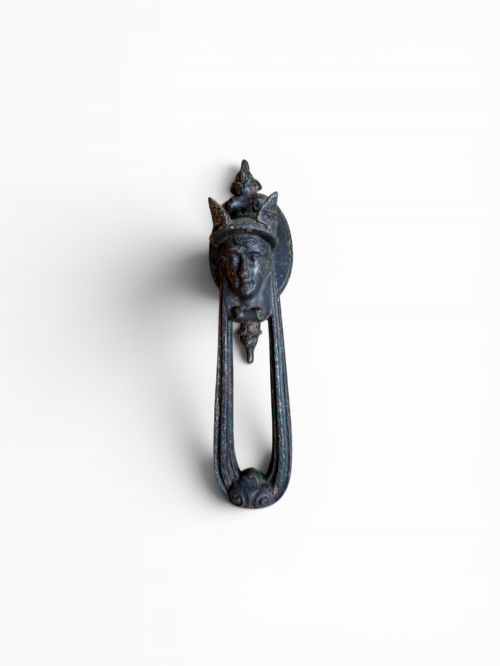


Antique Architectural Hardware
Antique architectural hardware consists of period fixtures and fittings that provide functional detail and enduring character to historic properties.
Antique Architectural Hardware
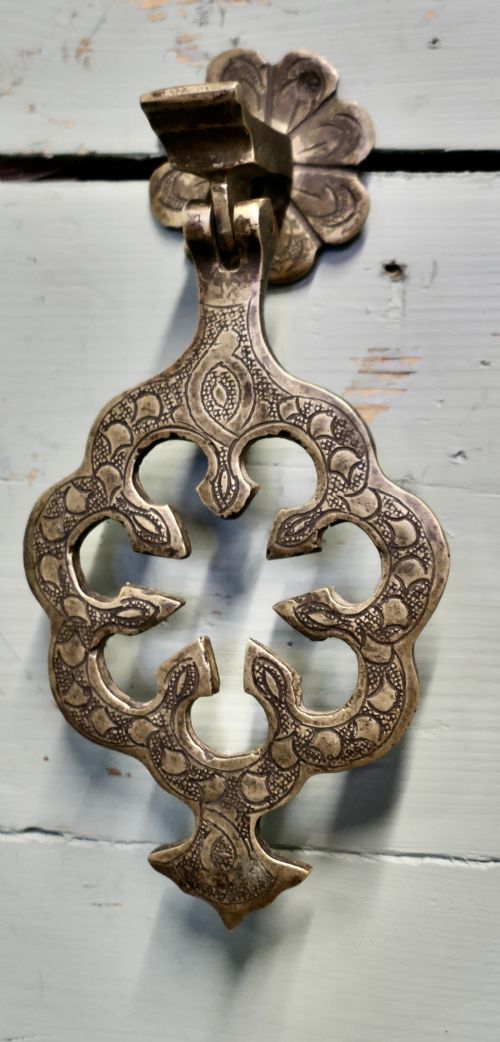
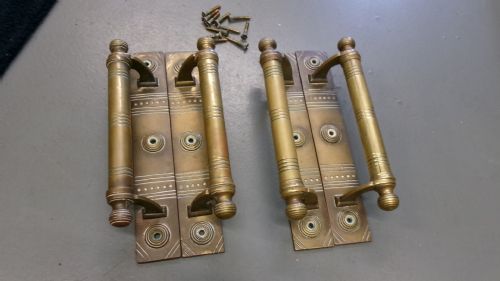
When you search for antique architectural hardware, you encounter a diverse selection of period fixtures designed for doors, windows, and interior joinery. These items range from simple latches and hinges to ornate knockers and finger plates intended for domestic and commercial buildings. The selection spans several centuries, reflecting changing aesthetic preferences from the seventeenth century through the twentieth century.
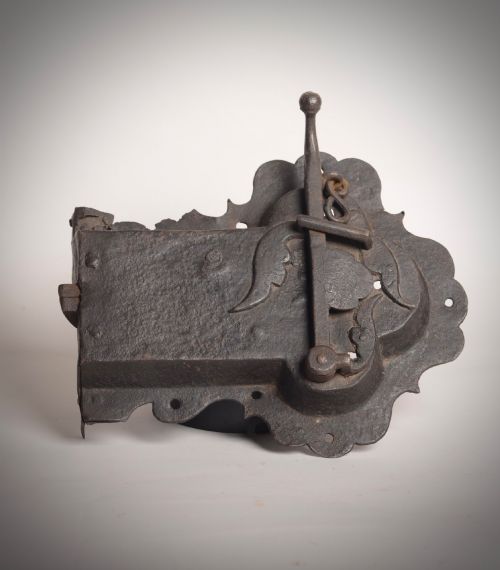
You are most likely to meet Victorian brass door knobs, knockers, and lock sets on this page, as these items form a substantial portion of the available stock. Pieces from the Georgian, Regency, and Art Deco periods also appear frequently alongside earlier seventeenth-century rim locks and latches. These functional elements allow you to restore historic properties or introduce authentic period detail into newer interiors.
Materials and methods of construction
Makers utilised cast and wrought metals such as brass, bronze, iron, and steel to produce durable fittings capable of enduring daily use. Brass and bronze pieces were often cast and subsequently finished with polishing or patination to highlight decorative motifs. Iron and steel components provided robust security for doors and gates, frequently accompanied by hand-forged mechanisms.
Combination pieces incorporate secondary materials such as lead crystal, glass, and oak to add textural contrast and visual interest. Woodwork elements like box locks integrate timber housings with internal metal workings, while glass and crystal pull handles demonstrate the versatility of Victorian and Art Deco manufacturing.
Antique Architectural Hardware Retail Price Guide 2026
Typical asking prices for architectural hardware among the pieces listed under this phrase on Sellingantiques today, from the lower quarter to the upper quarter. They describe what is for sale here now, not the wider market.
Listings include heavy cast iron, solid brass, and wrought iron alongside wood and crystal elements across Victorian and earlier eras.
Determining quality in period fixtures
The quality of architectural metalwork depends on the crispness of the casting and the depth of the chased or engraved detail. Superior pieces exhibit well-defined motifs, such as animal heads or geometric patterns, whereas lesser examples show softer contours resulting from worn or secondary moulds. Heavier weight and substantial metal thickness generally indicate better structural integrity.
Original mechanics and matching components elevate the desirability of a piece, particularly in working locks, latches, and matched pairs of handles. Items that retain their original keys, striking plates, and fixing screws demonstrate higher levels of completeness. Fine finishing work on moving parts ensures smoother operation and longevity.
Gerwin & Co Birmingham·Kenrick & Sons
The Antique Architectural Hardware Glossary
- Rim lock
- A mechanical lock contained within a metal box that is mounted directly onto the surface of a door rather than mortised into the edge. These units were common on seventeenth and eighteenth-century interior doors.
- Finger plate
- A decorative protective plate attached to a door around the handle to prevent fingerprints and wear on the wood finish. They appear frequently in brass, glass, and ceramic across Victorian and Art Deco interiors.
- Pelmet
- A wooden or metal framework placed above a window to conceal curtain fixtures and fixings. Gilt brass examples from the Victorian period add ornamental weight to formal rooms.
- Centre door knob
- A decorative and functional pull placed in the middle of an exterior entrance door rather than at the edge. They are often heavy in scale and paired with a separate latch or rim lock.
- Box lock
- A self-contained locking mechanism housed within a timber enclosure, such as oak, operating with a traditional key. These fixtures are characteristic of Georgian and earlier joinery.
Antique Architectural Hardware: Frequently Asked Questions
What periods do these hardware pieces cover?
The inventory spans multiple centuries, beginning with seventeenth-century rim locks and iron latches through to Georgian and Regency designs. Victorian and Edwardian examples represent the largest grouping, supplemented by later Arts and Crafts and Art Deco pieces.
This broad chronological spread allows for the selection of hardware appropriate to specific architectural eras. Each period displays distinct stylistic markers, from ornate Gothic revival motifs to streamlined 1930s glass and metalwork.
How do I match handles to my doors?
Consider the scale, metal composition, and period of your door when selecting replacement handles or knobs. Matching pairs of brass or bronze handles work well on principal reception rooms, while simpler iron latches suit cottage doors.
Pay attention to spindle sizes and backplates to ensure the hardware covers existing marks or operational gaps left by previous fittings. Original fixings should align with the structural requirements of the timber.
Can antique locks and latches still be used?
Many antique locks, spring bolts, and latches remain fully operational and suitable for daily domestic use. Working box locks and rim locks require correct alignment during installation to ensure the mechanism engages smoothly with the keep.
Minor adjustments by a specialist joiner may be necessary to fit historic mechanisms into modern door frames. Regular gentle maintenance preserves the internal iron and brass components.
What materials are most common in door knockers?
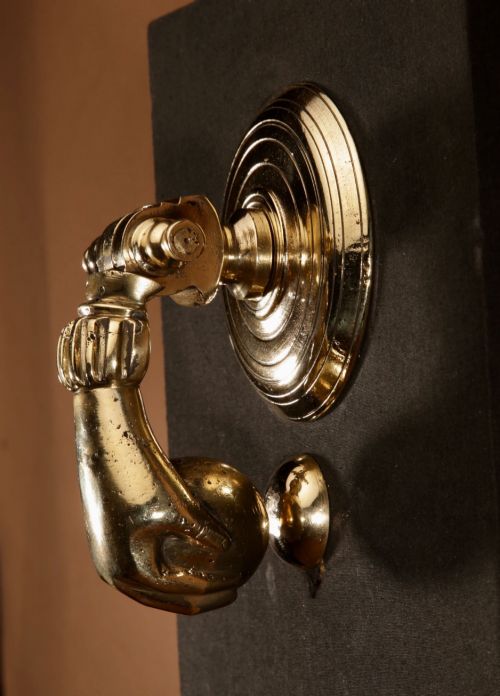
Brass and bronze dominate the selection of door knockers, offering durability and a pleasant sound when striking the matching plate. Cast iron also appears frequently, particularly on heavier Victorian and Gothic revival designs.
These metals develop rich patinas over time through exposure to the elements and handling. Specialised finishes, such as gilt brass or polished steel, reflect the high-status requirements of different architectural periods.