


Antique Door Fittings
Antique door fittings open a room with weight and character, turning a simple threshold into a substantial part of a building's fabric.
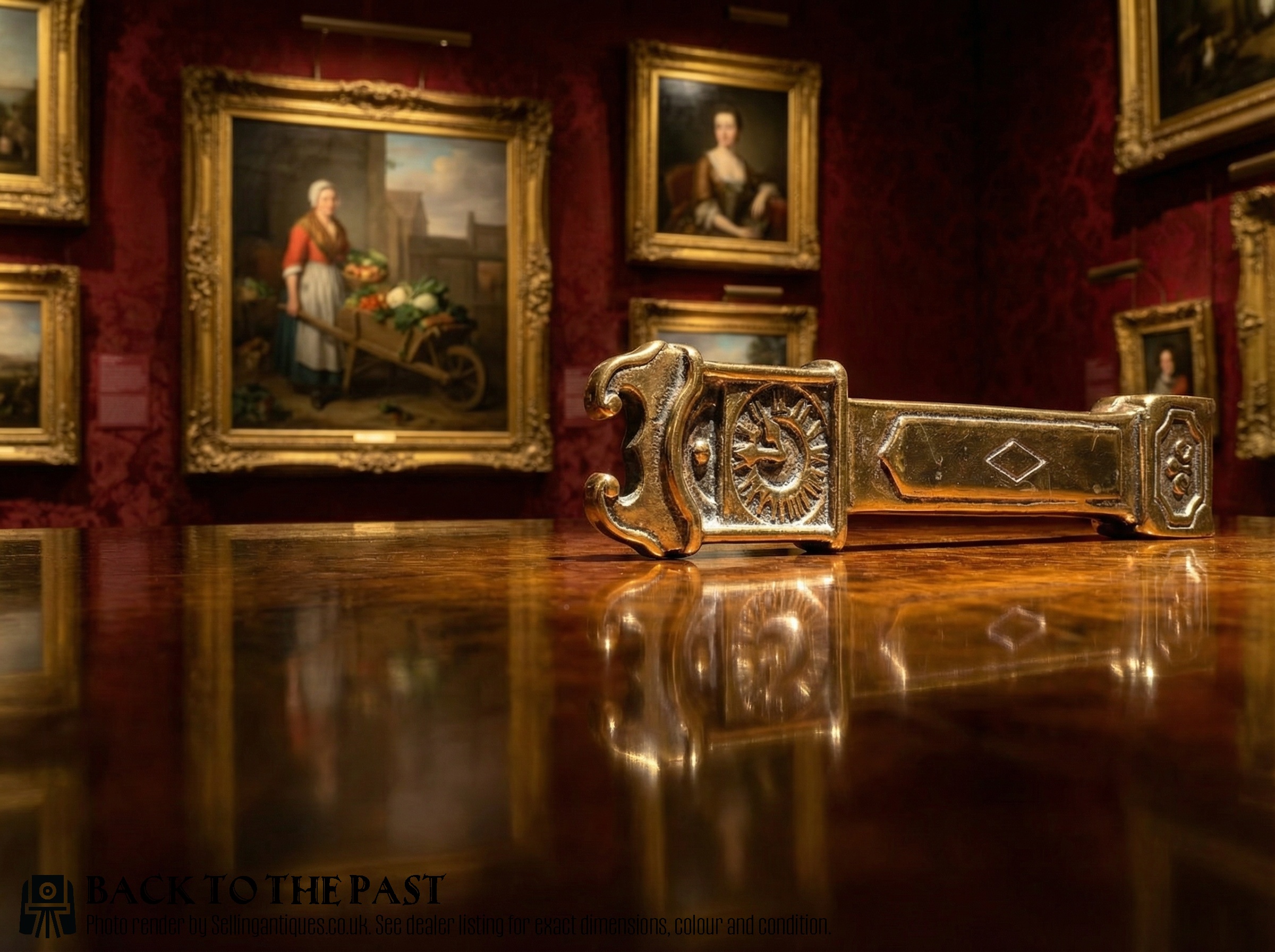
Antique Door Fittings
Antique door fittings comprise hardware designed to operate, secure, and adorn entrances, spanning periods from the seventeenth century through the Edwardian era. Buyers encounter functional items such as hinges, handles, bell pulls, and letterboxes alongside decorative knockers and push plates.
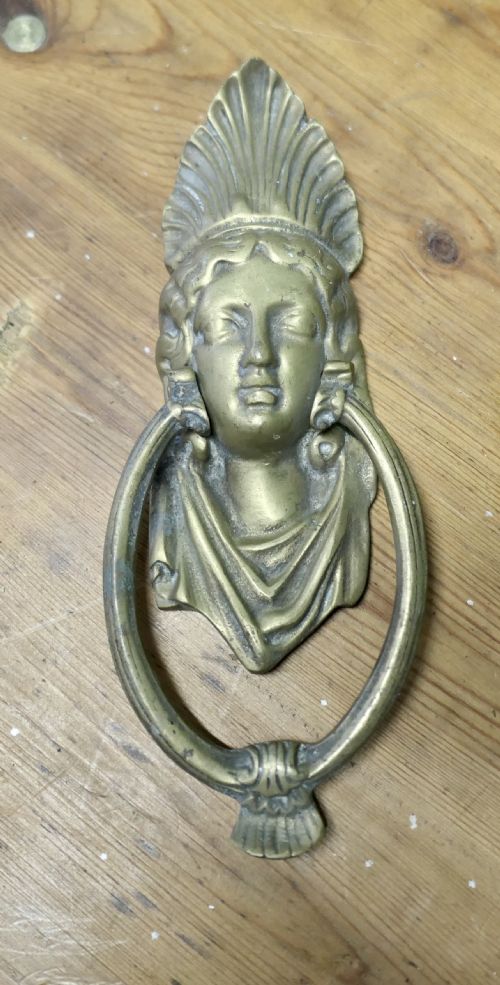
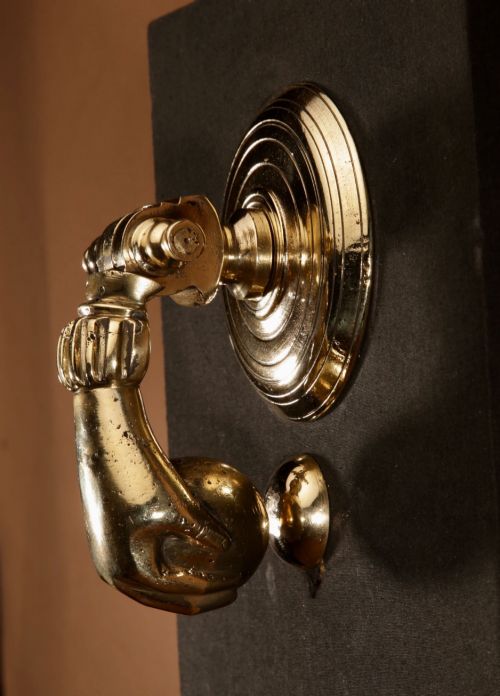
The selection leans heavily toward nineteenth-century brass and bronze examples, alongside Georgian bell pulls and seventeenth-century cast hardware. Pieces range from utilitarian iron hinges to ornate brass knockers shaped like hands, sea serpents, and dolphins.
How they were made
Metalworking dominates these items, with founders utilising cast brass, wrought iron, and bronze to shape solid hardware that could withstand daily use. Molten metal poured into sand moulds created the substantial body of knockers, hinges, and handles, which workers then chased and finished by hand.
Makers integrated secondary materials such as porcelain inserts for bell pushes and enamel surfaces for push plates. Surface detailing relied on hand-chiselling, engraving, and the application of striking plates to ensure both decorative flair and mechanical durability.
Antique Door Fittings Retail Price Guide 2026
Typical asking prices for door fittings among the pieces listed under this phrase on Sellingantiques today, from the lower quarter to the upper quarter. They describe what is for sale here now, not the wider market.
Listings feature hardware spanning from the 17th Century to 1920, executed in brass, bronze, cast brass, wrought iron, and metal.
What varies in quality
Quality rests upon the crispness of the casting and the depth of the hand-finishing, where superior examples display sharp relief on figural elements like caryatids, dolphins, and Foo dogs. Thicker gauge metal and well-preserved surface patination distinguish the work of skilled founders from standard production pieces.
The integrity of the mechanics, from the pivot action of heavy hinges to the spring resistance in bell pulls, separates robust utilitarian hardware from lesser domestic items. Complete sets with matching finials and original striking plates command greater attention from collectors.
Kenrick & Sons
The Antique Door Fittings Glossary
- Caryatid
- A carved human figure serving as an architectural support. On door knockers, this takes the form of a classical figure integrated into the vertical plate.
- Bell Pull
- A mechanical device connected to an internal bell by wire. These assemblies feature ornate brass handles mounted on backplates for guests to signal entry.
- Push Plate
- A protective metal, enamel, or ceramic plate affixed to a door leaf to prevent fingernail and hand marks around the handle. They appear frequently in late Victorian and Edwardian contexts.
- Finial
- A decorative terminating ornament, usually shaped as an acorn or urn. They top the barrel of brass door hinges for visual emphasis.
- Striking Plate
- The metal plate mounted on the door frame where a knocker's hammer lands. This protects the wood of the door from repeated impact.
Antique Door Fittings: Frequently Asked Questions
How do I date an antique door knocker?
Dating relies upon stylistic markers such as seventeenth-century cast bronze hand motifs or Victorian brass marine themes like dolphins and sea serpents. Heavy patination and sand-casting textures also point to earlier periods.
Hardware styles shifted from austere seventeenth-century ironwork to ornate Victorian revivalism and flowing Art Nouveau lines. Examining the mounting holes and backplate design helps confirm the period of manufacture.
Can I install antique brass hinges on modern doors?
Many period hinges remain fully functional and fit standard door thicknesses, provided the weight matches the hinge capacity. Solid brass and bronze variants from the Victorian era offer robust load-bearing strength.
Careful measurement of the knuckle length and screw placement ensures compatibility with existing door frames. Installers should align the leaf depth carefully to prevent binding.
What is the difference between a bell pull and a doorbell?
Bell pulls operate mechanically through a system of wires and cranks linked to a bell inside the house. They are characteristic of Georgian and Victorian properties before electrification.
Press door bells, appearing toward the end of the nineteenth century and into the Edwardian period, incorporate electrical contacts behind porcelain or brass push buttons. Both types served to summon household staff.
How should I clean antique bronze hardware?
Preserving the historical surface requires avoiding harsh chemical dips that strip away centuries of accumulated patination. Light dusting with a dry cloth or gentle cleaning with warm soapy water removes surface dirt safely.
Applying microcrystalline wax helps protect exposed metal from further oxidation without altering the dark tones of bronze or aged brass. Regular buffing maintains a soft sheen rather than a bright mirror finish.