


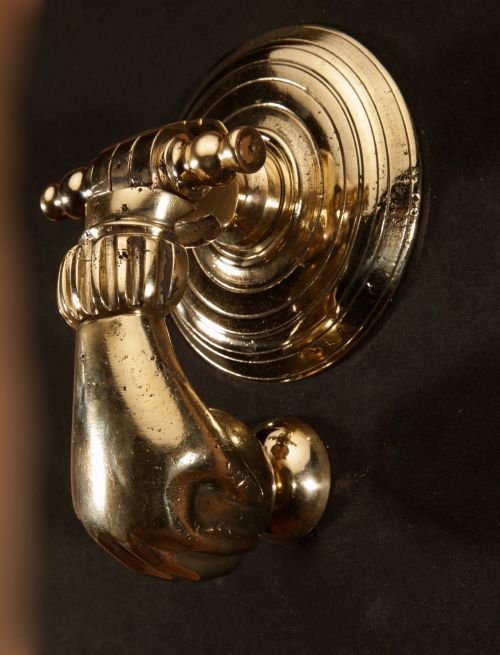


Vintage Front Door Hardware
These vintage front door hardware pieces offer heavy cast metals and intricate period styling to give an entrance immediate character.

Vintage Front Door Hardware
Vintage front door hardware encompasses functional ironmongery designed to adorn and operate entrances across multiple historical eras. Items range from striking door knockers and centre door knobs to letter boxes, bell pulls and night chains.
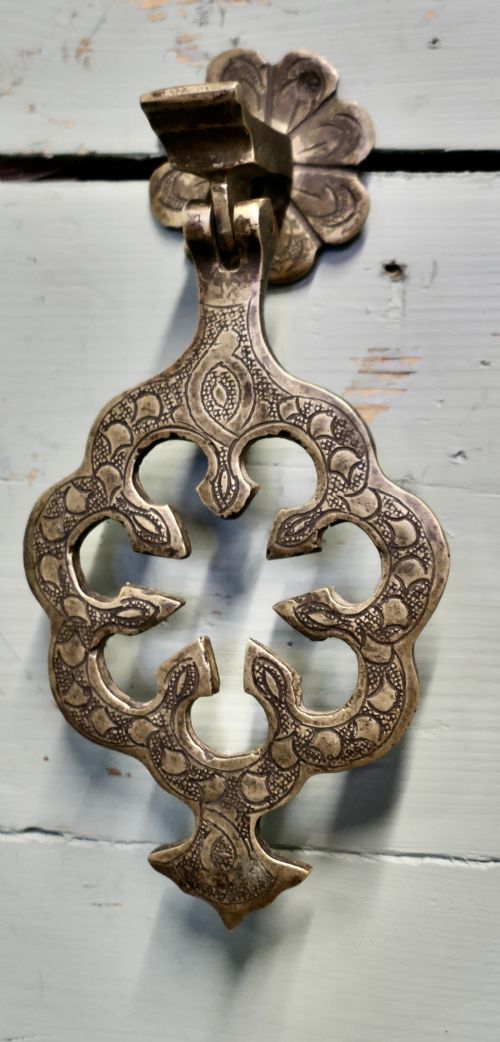
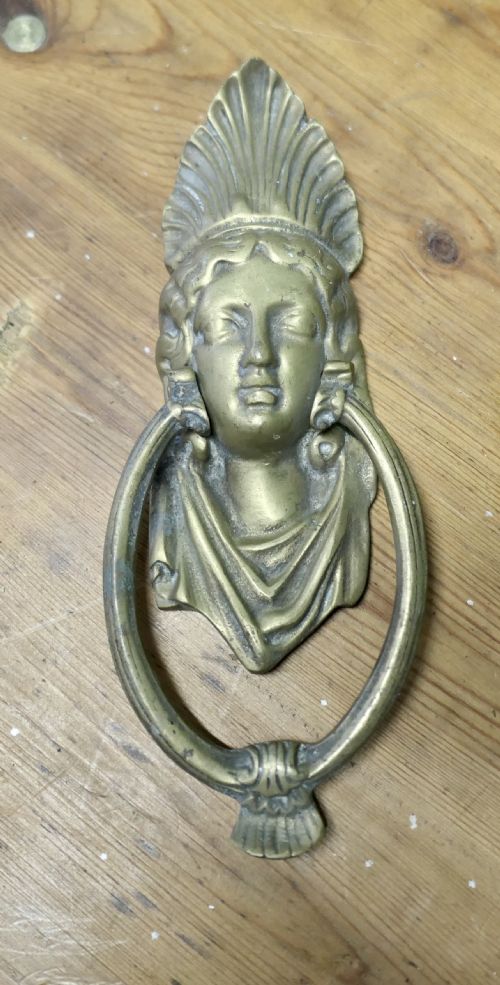
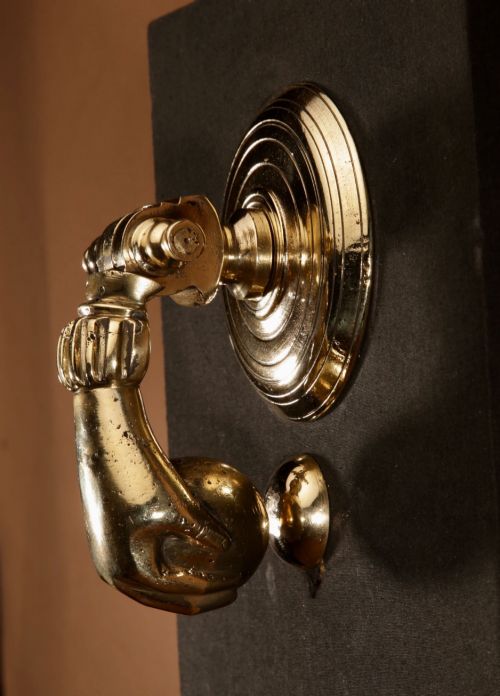
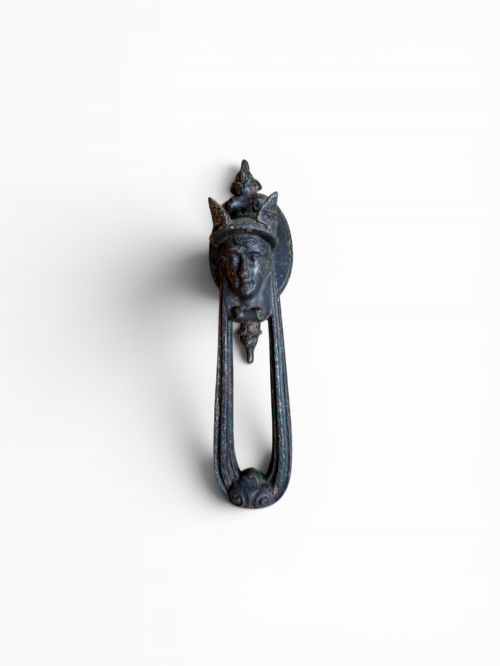
The selections available here lean heavily into Victorian and Georgian designs, alongside examples from the Regency and Edwardian periods. Brass and bronze dominate the offerings, frequently taking sculptural forms such as lions, dolphins, hands and classical figures.
Materials and construction methods
Foundry workers utilised casting techniques to shape solid brass, bronze and cast iron into elaborate architectural details. Heavy gauge metals provided the substance needed for daily physical interaction on exterior doors.
Makers finished these items with piercing, polishing and hand-detailing to accentuate motifs like laurel wreaths, caryatids and geometric facets. Iron components often received twisted or gothic profiling to suit period aesthetic demands.
Choose between a fierce bronze sea serpent, an imp holding a lantern, or a polite brass bee hive knob.
Factors determining quality
Substance and weight separate robust architectural castings from lighter utilitarian alternatives. Heavier gauge brass and solid bronze retain crisper surface details across motifs like human figures, sea serpents and animal masks.
Kenrick & Sons
The Vintage Front Door Hardware Glossary
- Caryatid
- A sculpted female figure serving as an architectural support. These appear on brass door knockers from the nineteenth century.
- Doctors Knocker
- A specific type of long-stemmed door knocker historically associated with medical practitioners. The design allows the moving hammer to strike a lower plate.
- Centre Door Knob
- A stationary knob placed in the middle of a front door rather than at the edge. They are frequently round, octagonal, bee hive or ovular in shape.
- Striking Plate
- A metal plate mounted on the door beneath a knocker to receive the impact and protect the timber. They often match the primary hardware in material and period style.
Vintage Front Door Hardware: Frequently Asked Questions
What is a centre door knob?
A centre door knob is a fixed handle mounted in the middle of a front door rather than the side. It serves as a grip for pulling the door closed behind you.
Most examples in the current selections date from the Georgian, Regency and Victorian periods. They take geometric and turned shapes such as octagons, beehives and ovular profiles.
How do I identify a Victorian door knocker?
Victorian door knockers typically feature dense casting in brass, bronze or cast iron with ornate sculptural detail. Common motifs include lions, mythological creatures like Maltese dolphins, caryatids and Gothic revival patterns.
They often appear alongside matched letter boxes and striking plates. The weight of the metal tends to be substantial compared to later mass-produced items.
How were old door knockers mounted?
Door knockers were secured through the timber using threaded bolts or screws matching the metal of the hardware. Many larger nineteenth-century examples included a dedicated striking plate mounted directly below the knocker.
This plate absorbed the repeated impact of the heavy metal hammer. It prevented damage to the wooden door panel over decades of use.