
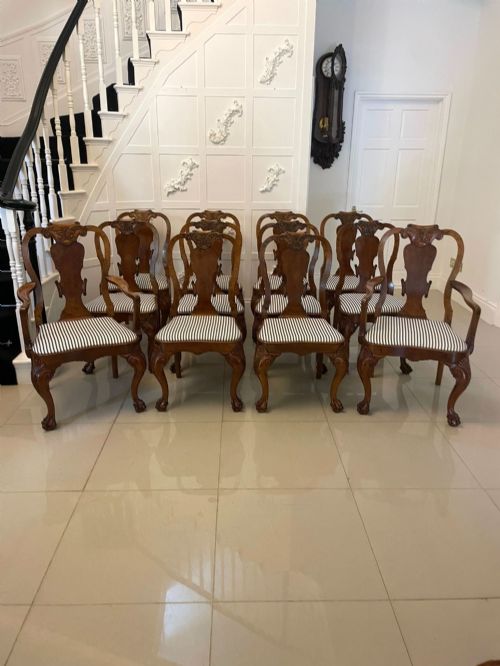
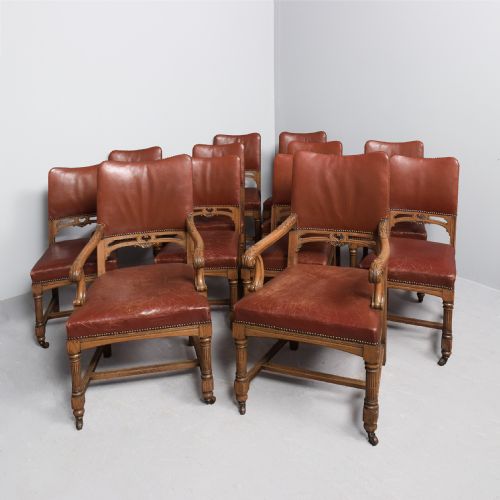
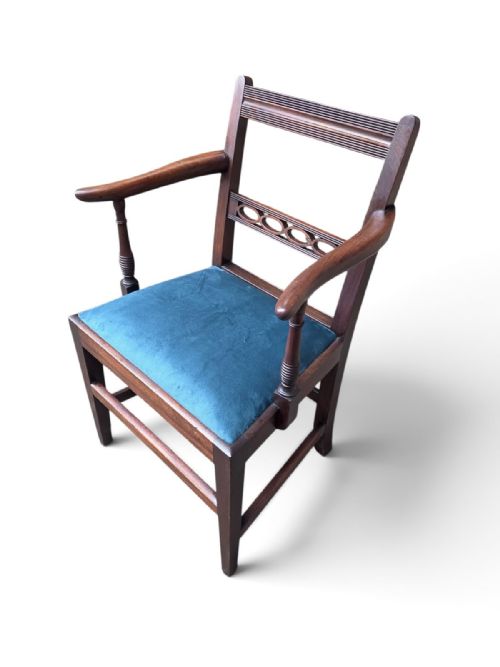
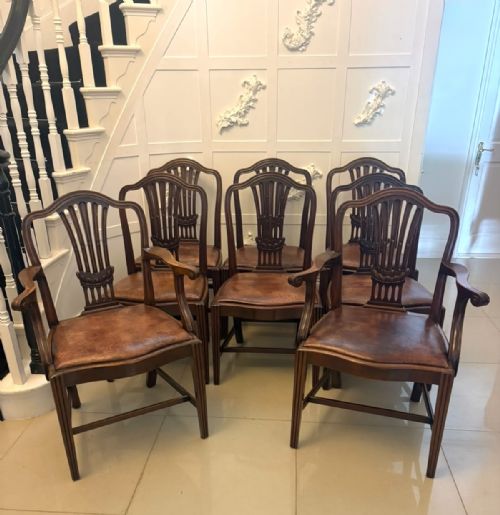
Victorian Dining Armchair
A victorian dining armchair brings substance to the table, combining structural support with timber character.
Victorian Dining Armchair
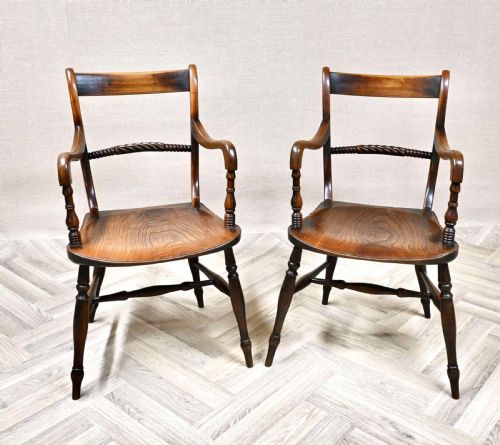
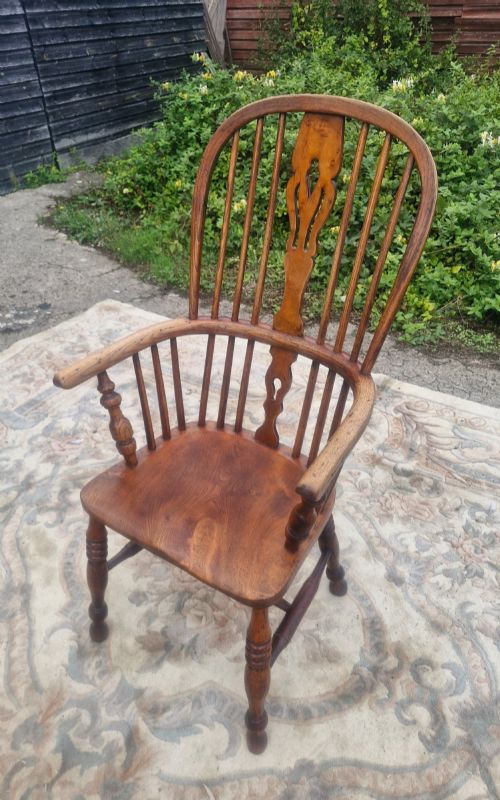
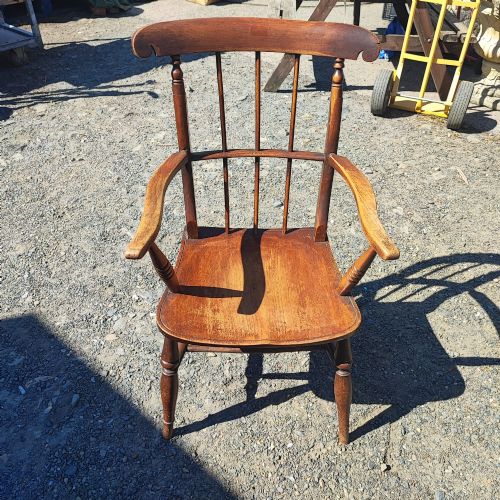
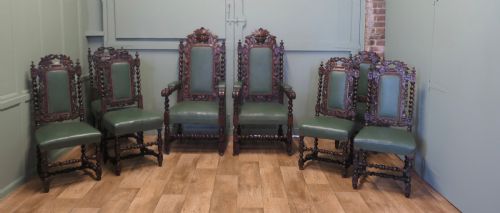
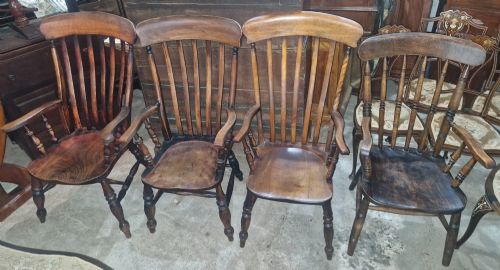
A victorian dining armchair typically emerges from the nineteenth century in forms ranging from heavy mahogany carvers to country windsor chairs in elm and ash. These seats served at the head of the dining table or in morning rooms, designed with arms to offer greater presence and comfort than standard side chairs.
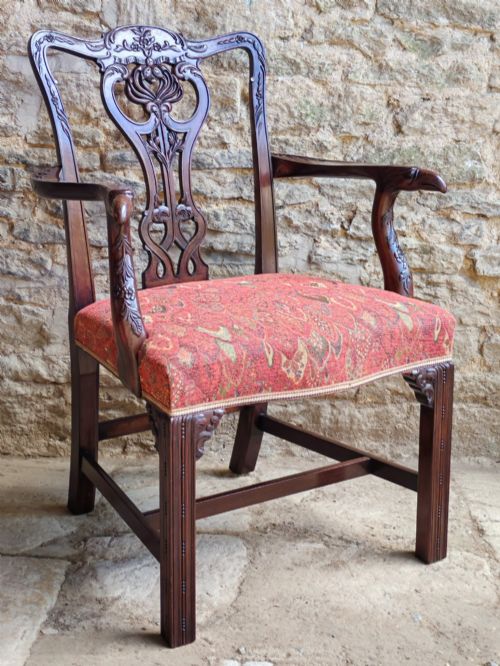
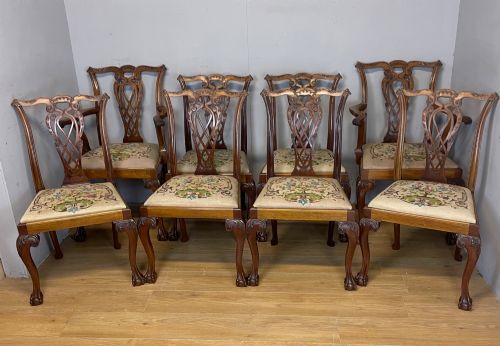
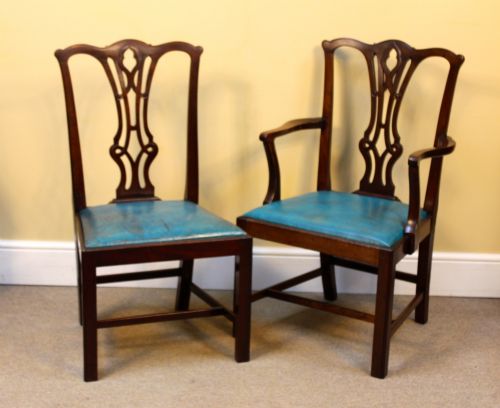
Buyers encountering this phrase find diverse interpretations, from gothic revival oak styles and Chippendale revivals to farmhouse kitchen armchairs. The nineteenth-century examples often form part of larger dining sets or survive as pairs and single carvers.
Origins stretch across English country workshops and urban cabinet makers, utilising local timbers alongside imported mahogany. The variety spans formal parlour seating with leather or fabric upholstery and robust vernacular spindle-back chairs.
Materials and Construction
Timbers dictate the character of these pieces, with mahogany dominating formal dining armchairs while elm, ash, beech and oak form the backbone of country windsors. Joinery relies on traditional methods including mortise and tenon joints, steam-bent elements, and turned spindles locked into solid seats.
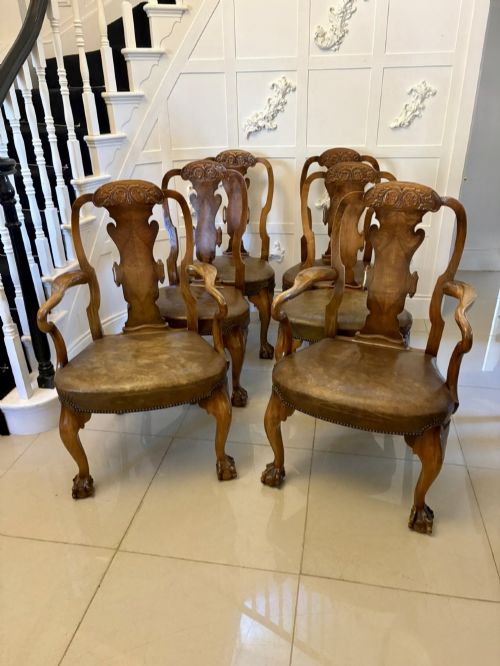
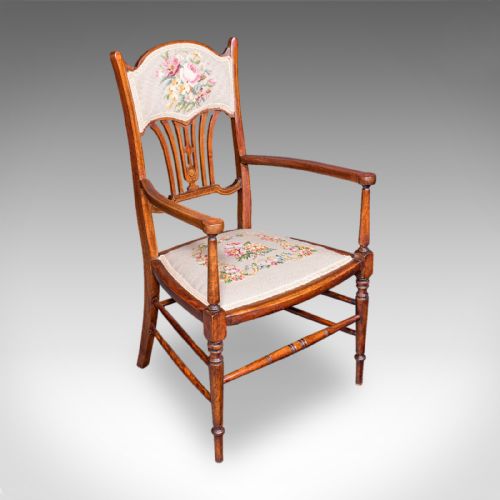
Upholstered variants incorporate stuffed seats finished in leather, fabric, or tapestry, secured with brass tacks or webbing. Timber surfaces display hand-rubbed finishes, wax, or polish that highlight the grain of walnut, burr walnut, and oak.
Captain's chairs and smokers bows offered nineteenth-century sitters sturdy refuge with enveloping arm rails designed for long hours at desk or tavern.
Standards of Manufacture
Gradations in quality rest upon the selection of timber and the crispness of carved details, such as ball and claw feet, shield backs, or tracery. Superior examples maintain structural integrity through tight joinery and heavy gauge timbers, whereas lesser pieces suffer from replacement components or unstable arm joints.
The sophistication of the design execution separates standard utility seating from high-workshop production. Fine proportions, carefully matched grain patterns on mahogany or burr walnut, and undisturbed original finish elevate certain carvers well above ordinary dining furniture.
Howard and Sons·Warings·Gillows·William Morris
The Victorian Dining Armchair Glossary
- Carver
- An armchair designed specifically to match a set of single dining chairs, typically placed at the head of the table. These seats feature supportive arms and wider proportions.
- Windsor
- A chair constructed with a solid wooden seat into which the legs, back sticks, and arm bow are wedged directly. Common regional woods include elm, ash, and beech.
- Barback
- A chair design featuring a horizontal wooden slat across the upper backrest, often shaped or reeded. This style frequently appears on nineteenth-century kitchen and dining seating.
- Crinoline stretcher
- An arched or hoop-shaped stretcher connecting the legs of a Windsor chair to provide lateral stability. It adds both structural rigidity and decorative turned detail near the floor.
Victorian Dining Armchair: Frequently Asked Questions
How do I use carver chairs at a dining table?
Carver chairs traditionally sit at the head and foot of a dining table to provide extra presence and arm support.
Ensure the arms clear the underside of the table rim so the chair can push in properly when not in use.
What is the difference between a Windsor and a formal dining armchair?
Windsor armchairs utilise a solid wooden seat with turned spindles inserted directly into bored holes, reflecting country vernacular traditions.
Formal dining armchairs rely on framed joinery, upholstered elements, and stylistic revivals like Chippendale or Gothic.
How can I date a nineteenth-century armchair?
Dating relies on observing timber choices, tool marks left by saws or lathes, and stylistic cues such as Gothic tracery or Art Nouveau curves.
Construction methods, including the type of screws or secondary woods used underneath, also help narrow the decade of manufacture.
Are these chairs suitable for daily use?
Nineteenth-century dining armchairs were built for daily service using robust timbers and sound joinery techniques.
Checking the stability of the arm joints and verifying internal upholstery webbing ensures the chair handles modern seating demands safely.