


Victorian Decorative Plant Pot
A victorian decorative plant pot brings character to an interior, and these pieces range from heavy cast iron to glazed ceramic.
Victorian Decorative Plant Pot
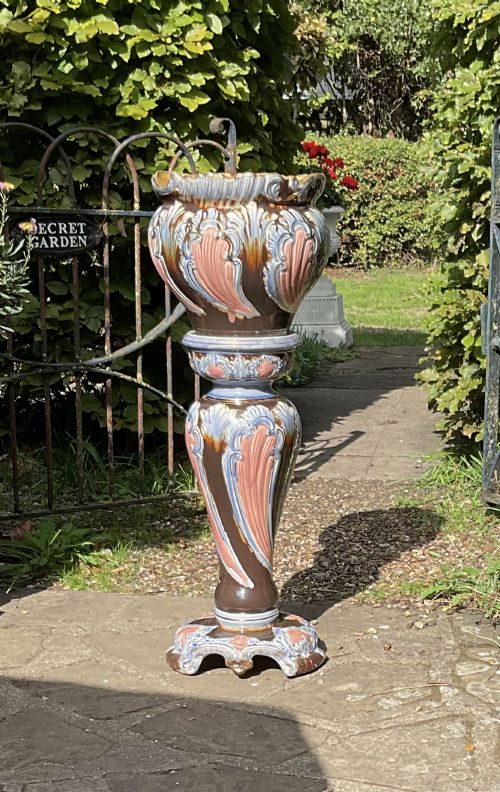
A victorian decorative plant pot encompasses jardinieres, planters, and pedestals designed to hold indoor greenery or floral arrangements. The selection spans the nineteenth century and into the early twentieth century, taking the form of heavy metal urns, ceramic bowls, and tall floor-standing vessels.
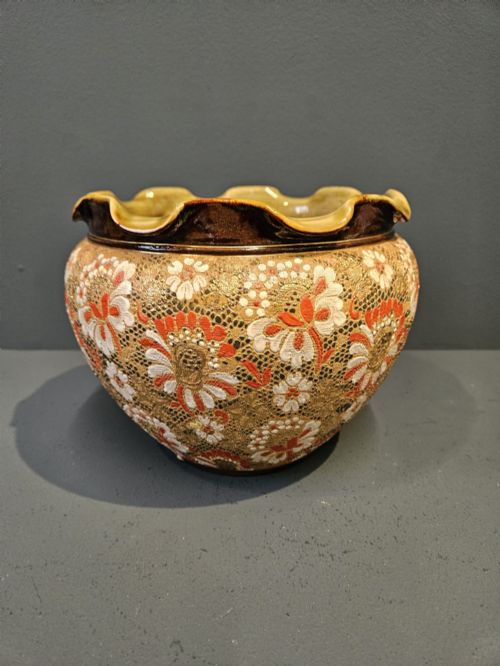
Ceramic versions include majolica taste pieces, earthenware, and salt-glazed pots from English potteries, alongside porcelain examples. Metal pieces appear in cast iron, brass, copper, and bronze, sometimes worked with hammered finishes or piercing.
The aesthetic reaches across domestic interiors and conservatories, drawing on styles such as Arts and Crafts, Art Nouveau, and Victorian novelty designs. Foreign influences also emerge through Japanese bronze vessels, Chinese cloisonne enamel, and Indian chased brass pots.
Materials and Techniques
Ceramic plant pots rely on earthenware and stoneware bodies shaped on wheels or in moulds, finished with coloured glazes or hand-painted porcelain decoration. Potteries applied techniques like salt glazing and majolica enamelling to achieve durable, glossy surfaces.
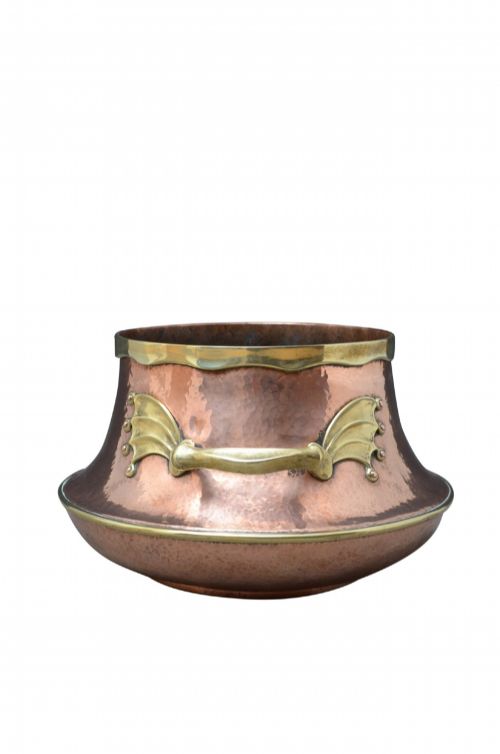
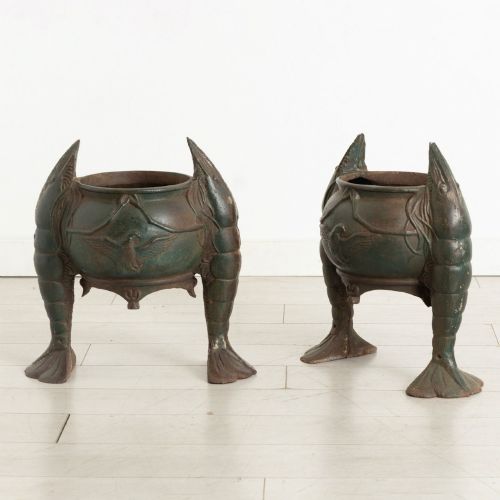
Metal vessels utilise casting, hammering, and spinning in brass, copper, bronze, and cast iron. Artisans worked sheets of copper and brass by hand to create hammered textures, or cast iron into rigid shapes like shrimp or garden urns.
Look out for cast iron planters shaped entirely like giant swimming shrimp.
Craft and Distinction
The distinction between standard production and finer work lies in the depth of modelling and the precision of surface decoration. Hand-painted porcelain, crisply chased brass, and deeply cast iron details demonstrate superior execution by the maker.
Attribution to known potteries or workshops elevates a piece, as seen in signed ceramic works from major English factories. The choice of heavier metals and substantial ceramic walls also separates utilitarian vessels from decorative display pieces.
Doulton Lambeth·Doulton Burslem·Royal Doulton·Burmantofts Majolica·Linthorpe Pottery
The Victorian Decorative Plant Pot Glossary
- Jardiniere
- A large ornamental pot or stand designed to hold a plant or floral arrangement inside the home. These vessels sit on tables, floors, or dedicated pedestals.
- Majolica
- A type of earthenware coated with an opaque tin glaze and painted with brightly coloured metallic oxides. It produces a glossy, vibrant surface popular during the Victorian period.
- Cloisonne
- A decorative metalwork technique where thin metal wires are soldered to a base to form compartments, which are then filled with enamel paste and fired. Chinese examples demonstrate this colourful method.
- Arts and Crafts
- A design movement valuing traditional craftsmanship, simple forms, and visible hand-working of materials like copper and brass. Pieces in this style often feature hammered surfaces.
- Salt glaze
- A ceramic finish achieved by throwing common salt into the kiln during high-temperature firing, creating a distinctive pitted texture resembling orange peel.
Victorian Decorative Plant Pot: Frequently Asked Questions
How were these plant pots used?
These vessels functioned as indoor containers for potted plants, ferns, and cut flowers, protecting household surfaces from water. They sat on tables, windowsills, or dedicated floor stands within nineteenth-century parlours and conservatories.
Larger cast iron or bronze versions also stood in hallways, vestibules, or exterior garden spaces to frame doorways and pathways.
How do I care for a ceramic planter?
Protect antique ceramics by placing a modern plastic saucer inside the vessel to catch drainage water and prevent moisture from seeping into porous earthenware bodies. Clean the exterior gently with a dry or slightly damp cloth without harsh chemical detergents.
Avoid exposing old glazes and painted porcelain to sudden temperature shifts or freezing conditions if kept in unheated spaces.
What is the difference between a jardiniere and a planter?
A jardiniere typically refers to an ornamental ceramic or metal bowl specifically designed for indoor display, often featuring decorative glazes, feet, or handles. The term originated from French vocabulary for garden work.
Planter is a broader term that encompasses heavy cast iron garden urns, metal bins, and floor-standing vessels suited for both indoor and outdoor utility.
How can I tell the period of a metal pot?
Nineteenth-century metal vessels display specific manufacturing signatures such as hand-hammered marks on copper and brass, or heavy sand-casting seams on cast iron urns. Construction methods like hand-turned joinery and traditional riveting point to older workshop origins.
Stylistic cues such as Art Nouveau whiplash curves or Arts and Crafts simplicity help narrow the date of manufacture towards the end of the Victorian era.