
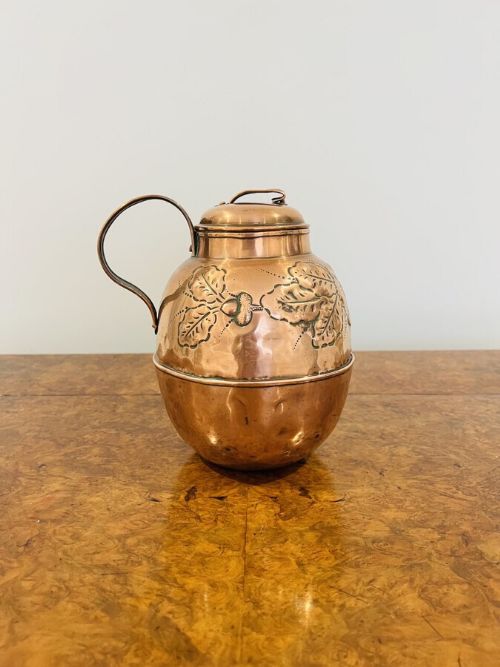


Victorian Decorative Pitcher
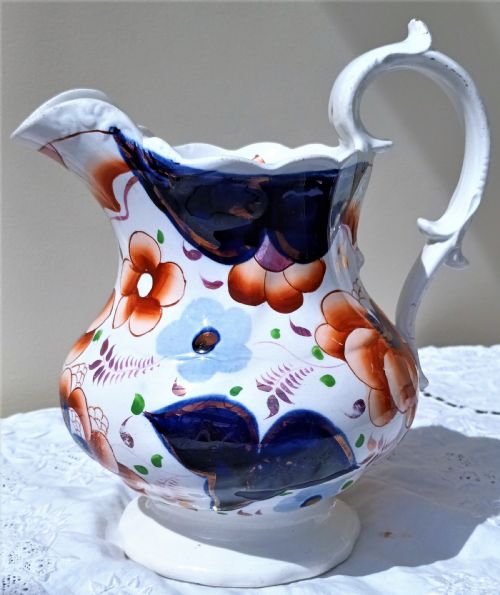
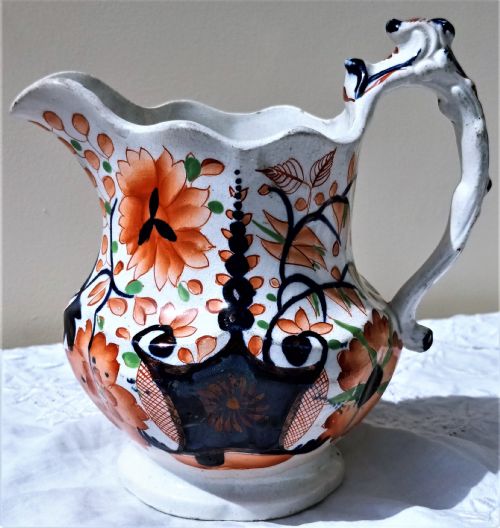
When you search for a victorian decorative pitcher, you meet a diverse selection of nineteenth-century ceramics, metals, and glass shaped for display and utility.
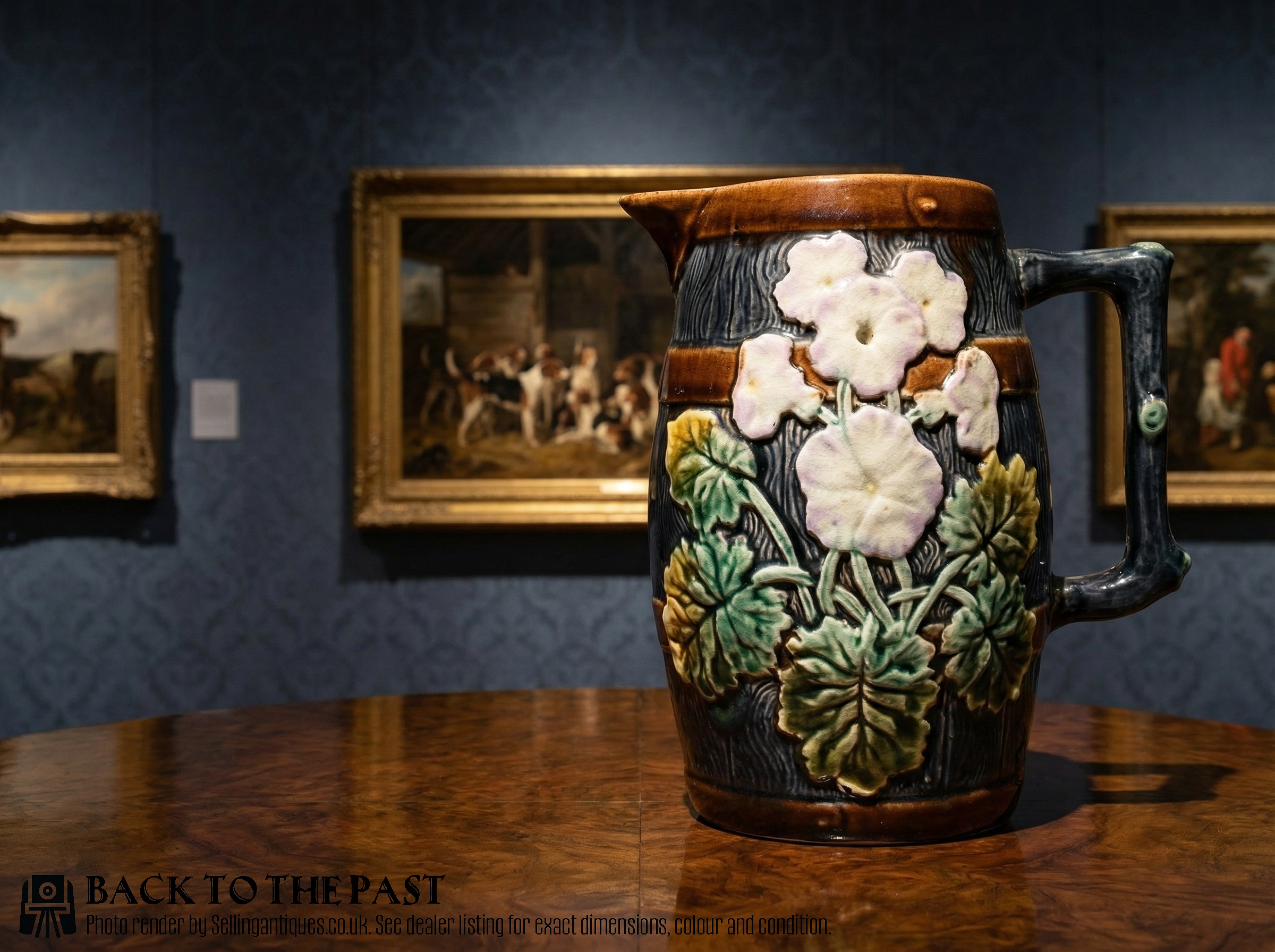
Victorian Decorative Pitcher
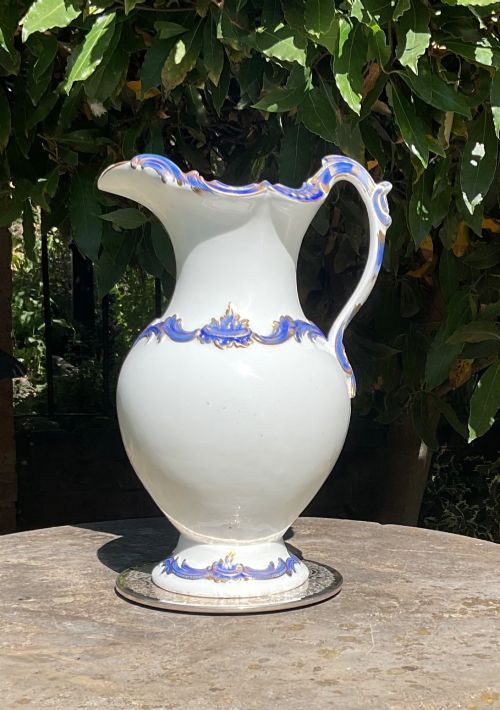
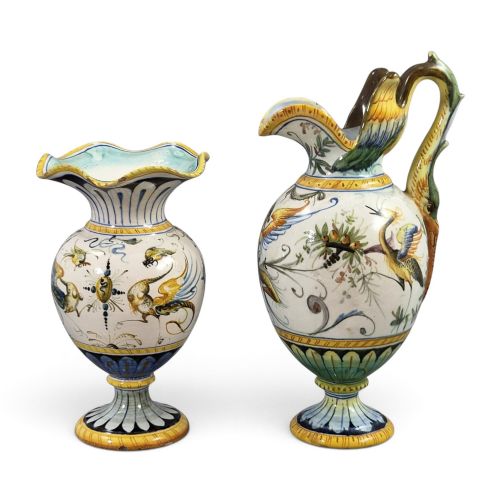
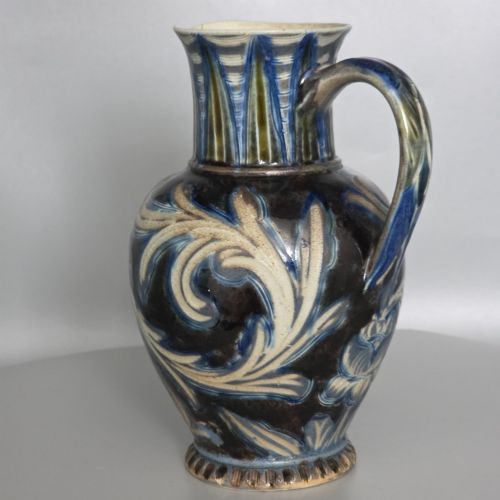
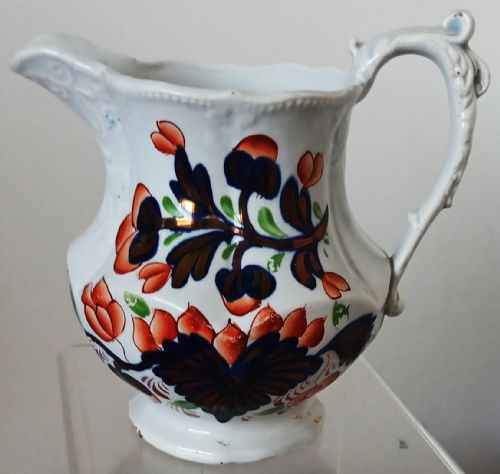
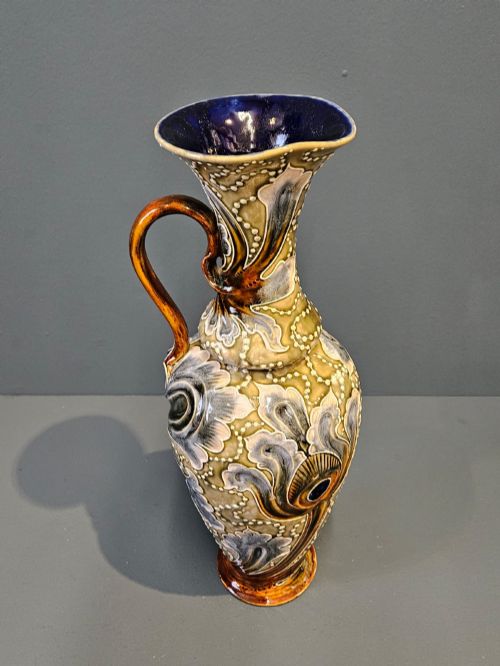
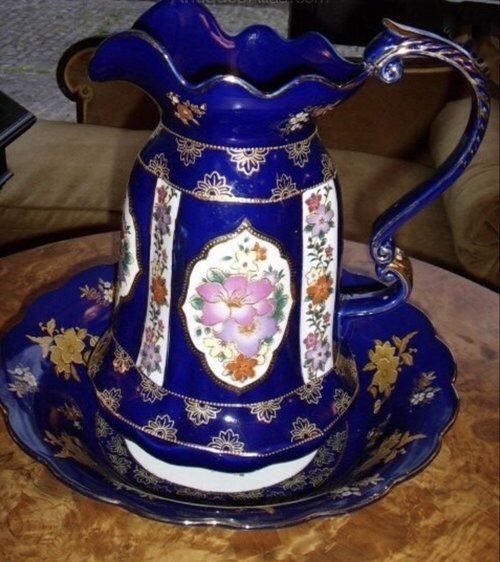
A victorian decorative pitcher encompasses a wide variety of nineteenth-century ceramic, glass, and metal pouring vessels designed for both ornamental display and domestic use. You will encounter forms ranging from monumental porcelain water jugs and washstand sets to refined earthenware ewers and copper flagons.
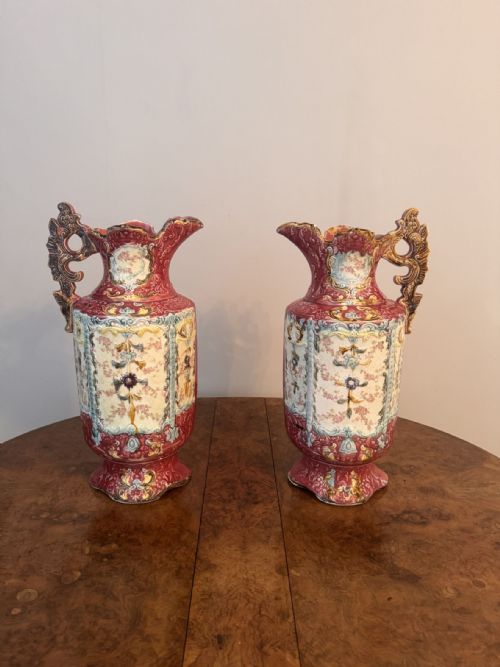
The selection on this page spans the Victorian era alongside related periods such as the Edwardian era and the Arts and Crafts movement, reflecting diverse influences from Renaissance Revival to Aesthetic style. Many pieces arrive as matched pairs or graduated sets, showing standard domestic configurations from the nineteenth century.
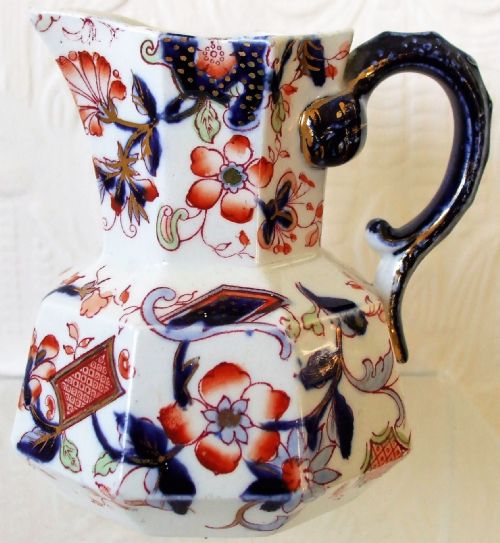
Makers represented in these listings include notable potteries and studios such as Doulton, Royal Worcester, Mason's, and Minton, alongside specialised English and continental workshops. These objects demonstrate the heavy ornamental ambition typical of late nineteenth-century decorative arts.
How They Were Made
Pottery examples rely on earthenware, ironstone, and porcelain bodies finished with coloured glazes, majolica enamels, and transfer-printed decoration. Workshops applied techniques like incising, reticulation, and raised gold gilding to achieve textured surface relief.
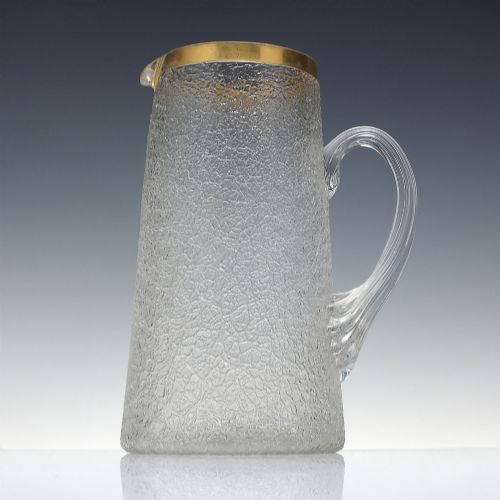
Metal vessels utilise bronze, copper, and silver plating, often shaped with ornate handles and chased or cast motifs. Glass pieces incorporate overshot techniques and gilded rims to catch the light during service.
Listings feature periods spanning from the 1850s through to the Edwardian era, alongside materials including porcelain, copper, and bronze.
What Varies in Quality
Quality rests upon the crispness of the mould work, the precision of hand-painted details, and the depth of surface glazes or metal patination. Superior examples display careful finishing by named artists or stamped factory ciphers that confirm their origin.
The weight and balance of the handle relative to the body distinguish standard domestic wares from exhibition pieces. Elaborate decorative additions such as applied gold leaf and intricate incised patterns separate standard utility vessels from high-end ornamental ewers.
Royal Worcester·Doulton Lambeth·Mason's Ironstone·Cantagalli Florence·Sir Edmund Elton·Minton
The Victorian Decorative Pitcher Glossary
- Ewer
- A large pitcher with a wide spout and looped handle, historically used for water or wine but favored in the Victorian period for decorative display. These vessels often feature elaborate figural or botanical motifs.
- Majolica
- A type of earthenware coated with an opaque tin glaze and painted with brightly coloured metallic oxides. This technique produced glossy, highly decorative surfaces popular during the nineteenth century.
- Ironstone
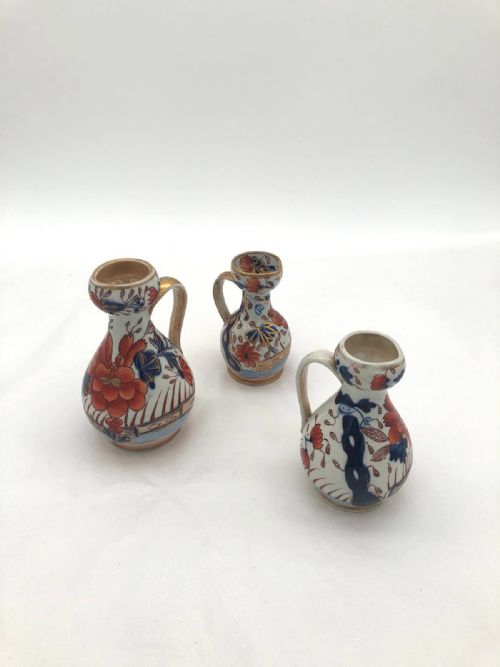
- A dense, durable type of ceramic patented in the nineteenth century to imitate Chinese porcelain. It provided a sturdy body for heavily patterned domestic jugs and pitchers.
- Reticulation
- An openwork ceramic technique where portions of the vessel wall are cut away before firing to create a lace-like mesh pattern. This decorative method appeared on high-grade porcelain ewers.
- Gilding
- The application of gold leaf or gold powder to the surface of ceramics, metal, or glass. It accentuates rims, handles, and raised relief decorations on ornamental pitchers.
Victorian Decorative Pitcher: Frequently Asked Questions
What were these pitchers used for?
Many of these vessels served practical roles on washstands, sideboards, or dining tables for holding water, wine, or milk. Others functioned primarily as ornamental display pieces on mantelpieces and cabinets.
Larger ewers and flagons formed part of matched washstand sets or grand dining services, reflecting the domestic habits of the nineteenth century.
How do I identify a Victorian piece?
Look for specific manufacturing marks, registration numbers, or maker ciphers stamped into the base of ceramic and metal items. Stylistic clues such as Aesthetic Movement motifs, Renaissance Revival shaping, or rich majolica glazes also point to the period.
Material composition and traditional finishing methods help separate nineteenth-century production from later twentieth-century reproductions.
Are these pitchers waterproof?
Most ceramic, glass, and metal pitchers remain fully capable of holding liquids. However, pieces with delicate overshot glass surfaces or fragile gilt decorations require careful handling during use.
Collectors generally treat ornamental ewers and reticulated porcelain items as display objects rather than everyday tableware.
How should I clean my pitcher?
Dust ceramic and metal surfaces gently with a soft, dry cloth to preserve glazes and patination. Avoid harsh chemical cleaners or abrasive scouring pads that might damage gold leaf or delicate enamel.
Metal vessels in copper or bronze benefit from occasional light dusting without aggressive polishing that removes historical ageing.