


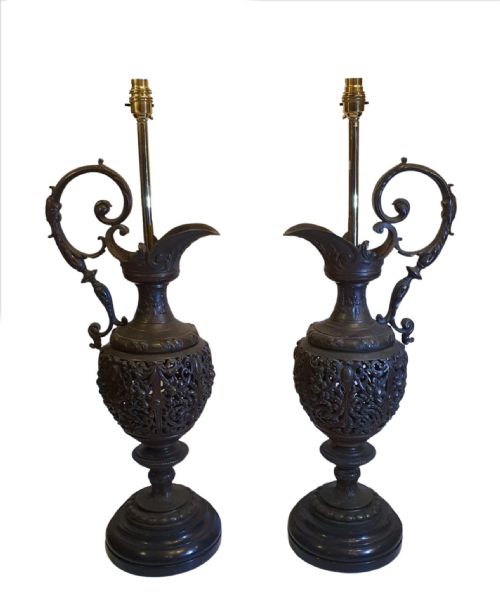


Victorian Decorative Desk Lamp
A victorian decorative desk lamp brings utilitarian metalwork and period illumination together on a working surface.
Victorian Decorative Desk Lamp
When you search for a victorian decorative desk lamp, you encounter pieces that originate primarily from the nineteenth century alongside related turn-of-the-century lighting.
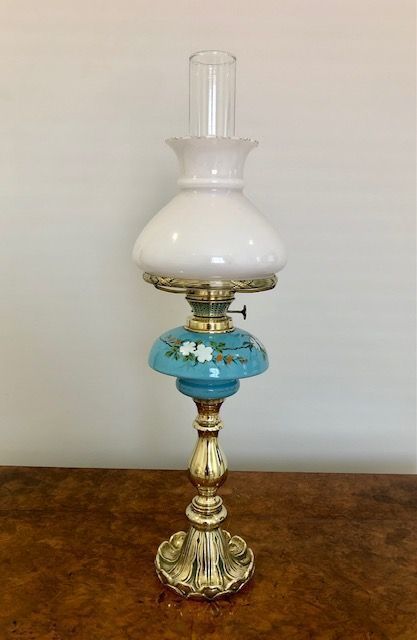
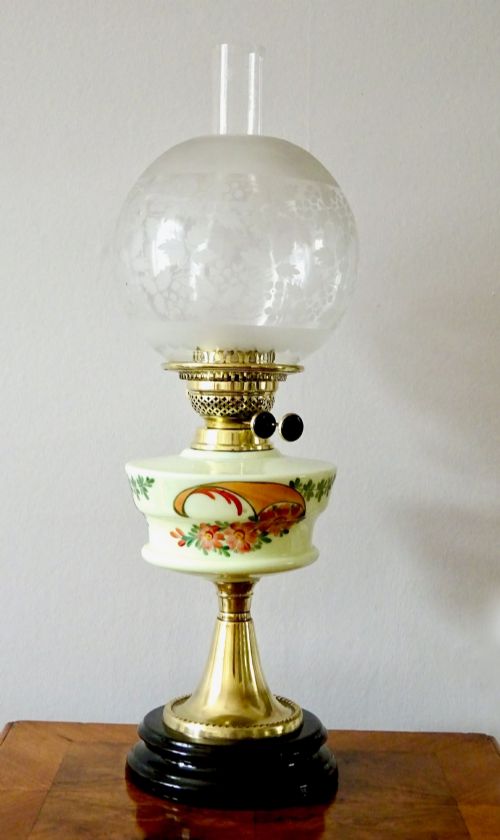
The selections span table lamps, oil lamps, and candlelamps converted or built for illumination.
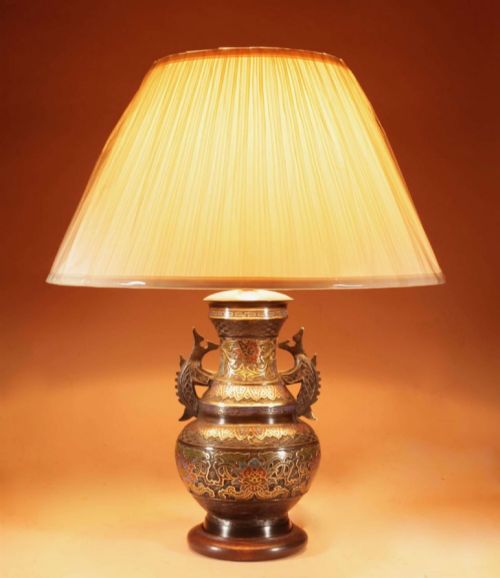
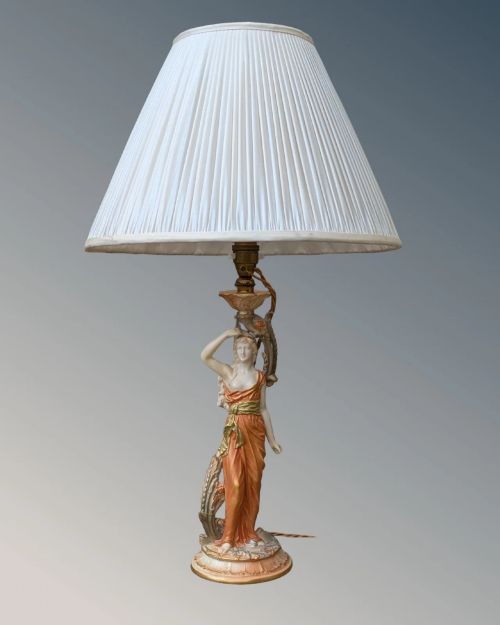
Materials range from brass and bronze to porcelain, glass, enamel, and marble, often styled in Victorian, Neoclassical, Art Nouveau, and Chinoiserie aesthetics.
How they were made
Maker techniques rely heavily on cast and cold-painted bronze or brass, frequently combined with etched glass shades or fabric elements.
Enamelling, cloisonné, and champlevé enrich metal surfaces, while marble columns and carved wooden canisters provide structural bases.
Several cavalry dress swords find new life here as gilded brass candlelamps.
What varies in quality
Quality rests in the crispness of metal casting and the preservation of original hand-painted details or cold-painted finishes.
The integration of materials - such as rock crystal columns paired with bronze mounts or matched ruby etched glass shades - defines the distinction between standard production and exceptional work.
Emile Picault·Royal Worcester
The Victorian Decorative Desk Lamp Glossary
- Brass
- A copper and zinc alloy commonly utilised for nineteenth-century lamp bases and column structures. It takes a polish readily and develops a rich patina over time.
- Bronze
- A copper and tin alloy frequently cast into figural or architectural lamp bodies. It allows for intricate sculptural detail.
- Cloisonné
- An enamelwork technique where thin wire is soldered to a metal base to create compartments filled with coloured paste. These are then fired and polished smooth.
- Champlevé
- An enamelling method where troughs or cells are hollowed out of a metal surface and filled with enamel before firing. This technique produces bold patterns on bronze objects.
- Spelter
- A zinc alloy used as a cost-effective alternative to bronze for casting decorative figures and lamp bases. It is softer than bronze and usually painted or electroplated.
Victorian Decorative Desk Lamp: Frequently Asked Questions
How do I light these lamps?
Many older pieces arrive electrified through modern conversion while others retain their original oil-burning reservoirs or candle sockets.
Check the internal wiring or burner mechanism carefully before plugging any historic lighting into a modern circuit.
Are oil lamps difficult to clean?
Metal components require gentle dusting with a soft cloth to preserve the aged surface layer without removing character.
Glass shades and chimneys wash safely in warm soapy water provided they are handled without force.
Where should I place a heavy bronze lamp?
Solid bronze and marble constructions need a sturdy desk or table surface capable of supporting considerable weight.
Keep them away from direct heat sources and moisture to protect any fabric shades or delicate enamel work.
How can I date a brass column lamp?
Examine the casting seams, fastener types, and base weighting beneath the lamp to establish period manufacturing methods.
Stylistic cues like Corinthian capitals point toward nineteenth-century revival tastes.