


Victorian Decorative Bronze Figures
Victorian decorative bronze figures bring expressive nineteenth-century sculpture and functional metalwork into rooms through animals, cherubs, and classical forms.
Victorian Decorative Bronze Figures
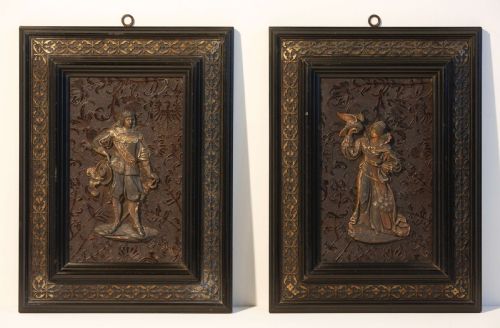
When you search for victorian decorative bronze figures, you encounter a diverse range of cast metal sculpture, lighting, and mantel clocks spanning the nineteenth century. The selection includes animalier studies, mythological subjects, human figures, and architectural objects executed in patinated and gilt metals.
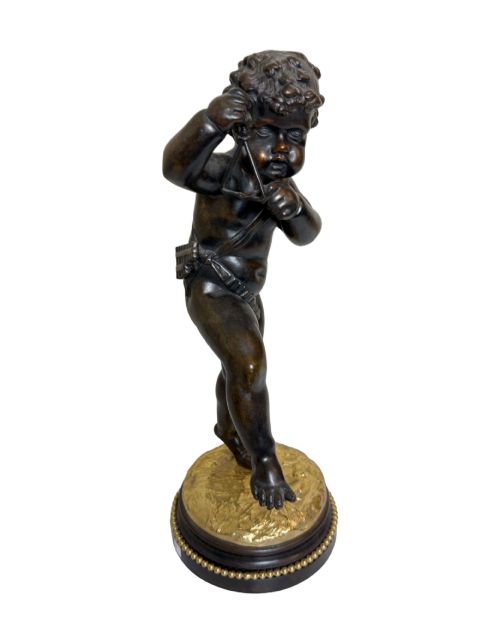
You are most likely to meet animal studies, cherubs, and figural lamps on this page, originating from English and French workshops. These pieces frequently combine cast metal with marble bases, glass columns, or porcelain elements to create decorative items for domestic interiors.
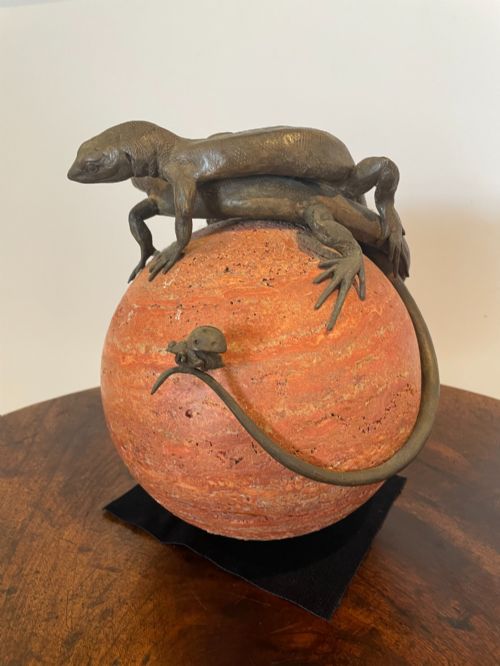
The assortment extends from small desk weights and doorstops to large floor lamps and mantel clocks. Makers utilised various casting methods to produce figures ranging from naturalistic bulls and lizards to classical representations of historical and mythical characters.
Materials and Methods
Foundries employed bronze, spelter, and gilt bronze alongside base white metals to cast intricate sculptural forms. Cast metal components were frequently cold painted, gilded, or given a deep dark patina to accentuate surface details.
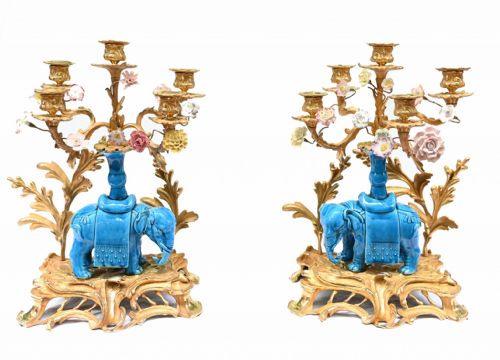
Objects incorporated mixed media, combining metal figures with marble plinths, rock crystal columns, and enamel highlights. Artisans assembled multi-part compositions where cast bronze figures were mounted onto architectural bases or functional items such as oil lamps and clocks.
Materials in these listings span cast bronze, spelter, gilt bronze, glass, marble, ormolu, enamel, and patinated bronze.
Craftsmanship and Execution
The definition of the chasing and the crispness of the surface chisel work distinguish finer castings from standard production pieces. Superior sculptures retain sharp details in hair, drapery, and feathering without softness in the surrounding metal.
The integration of secondary materials such as carved marble bases, fitted porcelain, and genuine ormolu rather than simple gilt paint signals higher workshop standards. Heavier, more substantial metal foundations and signed foundry markings further separate masterworks from commercial castings.
Emile Picault·Isidore Jules Bonheur·Coalbrookdale·Moreau·Pierre Jules Mène
The Victorian Decorative Bronze Figures Glossary
- Animalier
- A nineteenth-century artistic movement dedicated to the realistic portrayal of animals, particularly horses, lions, and bulls. Sculptors in this tradition studied anatomy closely to capture movement and tension.
- Spelter
- A zinc alloy commonly utilised as an economical alternative to bronze during the nineteenth century. It accepts patination and cold painting well, though it is softer and lighter than true bronze.
- Ormolu
- Gilded bronze produced by applying a finely ground high-carat gold-mercury amalgam to a bronze base and heating it. This technique creates a durable, rich golden surface finish seen on clocks and decorative mounts.
- Cold Painted
- A decorative technique where paint is applied to a bronze or metal object after casting, without subsequent firing. This finish requires careful handling to prevent flaking over time.
- Patination
- The chemical or natural alteration of a metal surface resulting in a distinct coloration and sheen. Age and handling develop this outer layer on bronze pieces.
Victorian Decorative Bronze Figures: Frequently Asked Questions
How do I tell bronze from spelter?
Bronze is heavier, colder to the touch, and rings with a clear tone when tapped gently. Spelter is a softer zinc alloy that feels lighter and may show grey metal beneath chips in the surface finish.
Examination of the underside often reveals the paler, duller metal of a spelter casting compared to the warm reddish-brown interior of aged bronze.
Where were these figures placed in Victorian homes?
Smaller figures and desk weights rested on library tables and writing desks, while larger animal sculptures and lamps decorated mantelpieces and entrance halls. Figural clocks and candelabras served as centrepieces for formal sitting rooms.
Functional objects like umbrella stands and doorstops brought decorative metalwork into hallways and entryways.
What is an animalier bronze?
An animalier bronze is a realistic sculpture of an animal, capturing beasts in motion or repose. These pieces became exceptionally popular across Europe during the nineteenth century.
Artists focused on anatomical accuracy, portraying subjects such as bulls, horses, and lizards with naturalistic detail.
How do I clean nineteenth-century bronze?
Dust the surface regularly with a soft, dry brush to prevent dirt accumulation in crevices. Avoid harsh chemical cleaners, commercial brass polishes, or water, which can strip the historic patina.
Applying a light microcrystalline wax occasionally helps protect the metal surface from atmospheric moisture.