
Victorian Daybed Sofa
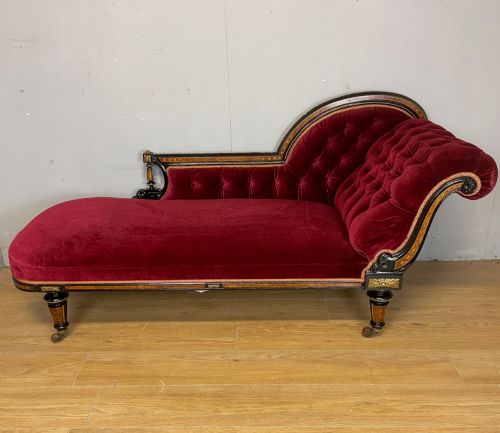
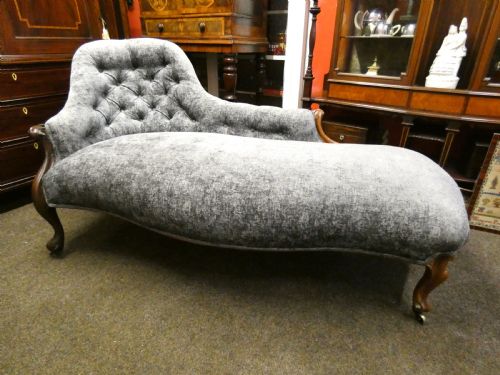
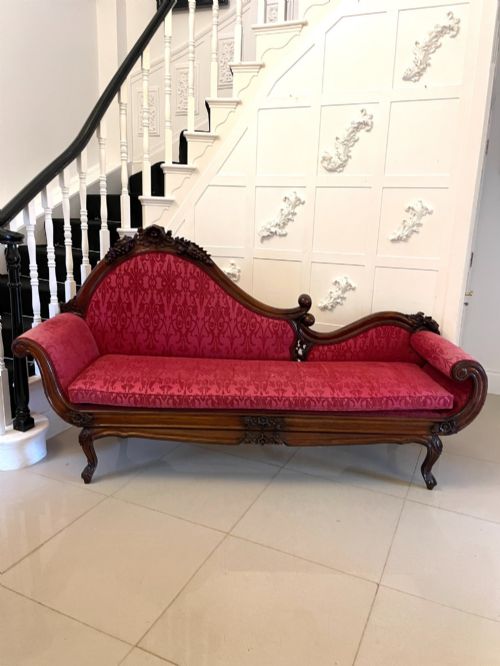
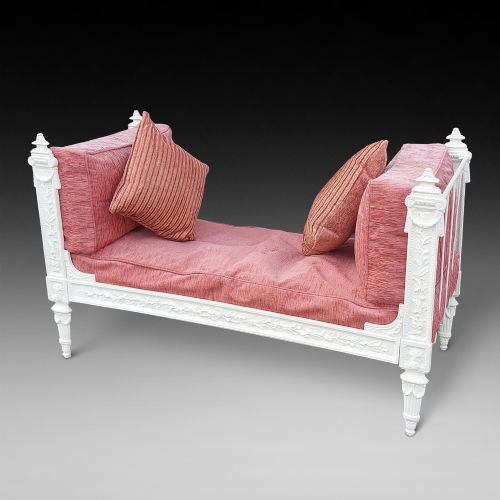
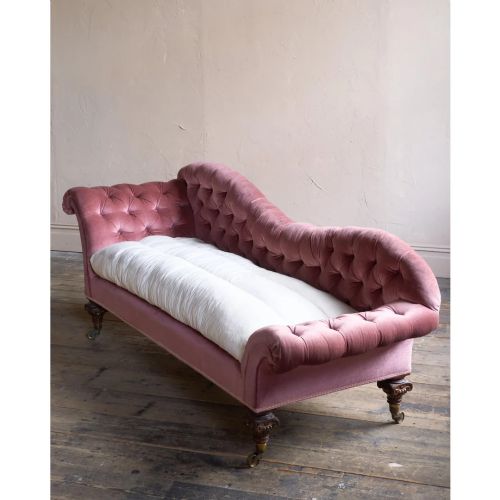
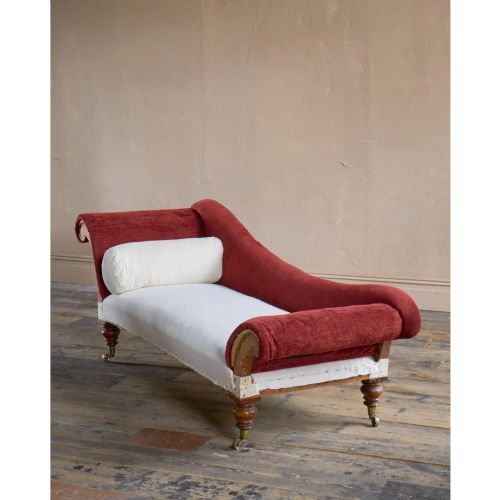
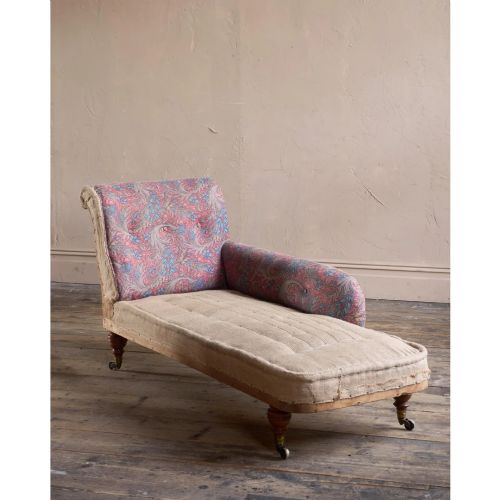
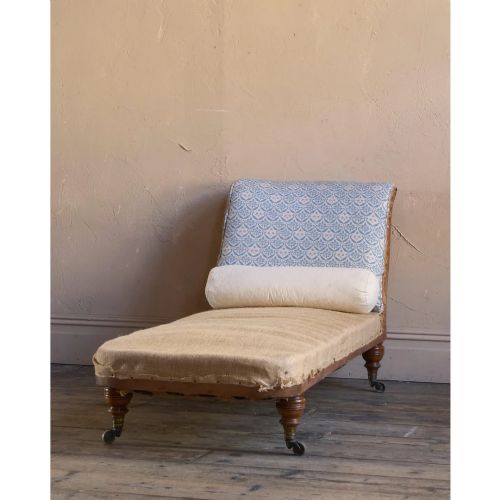
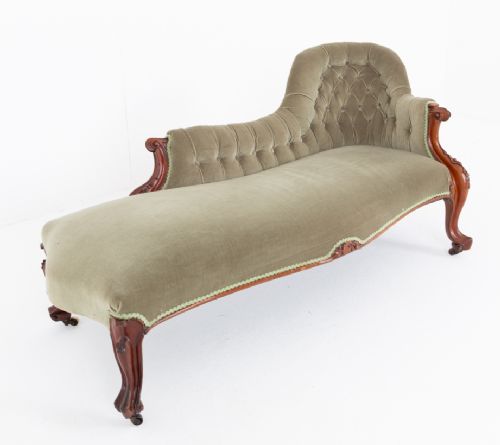
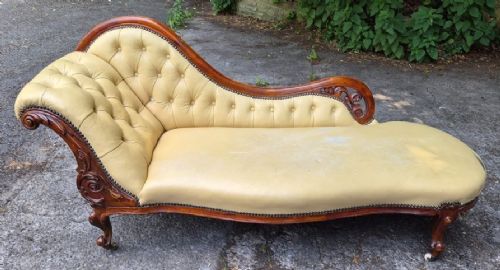
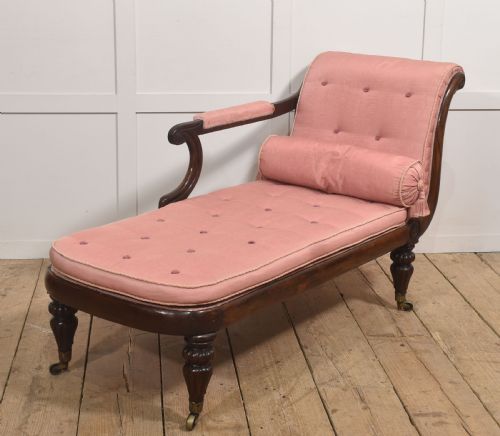
These Victorian daybed sofa examples combine long seating with single raised ends, offering nineteenth-century elegance and a comfortable place to recline.

What They Are
When you search for victorian daybed sofa pieces, you encounter nineteenth-century chaise longues, day beds, and settee combinations designed for half-reclining. The examples found here span the Victorian period, including specific dates around eighteen sixty.
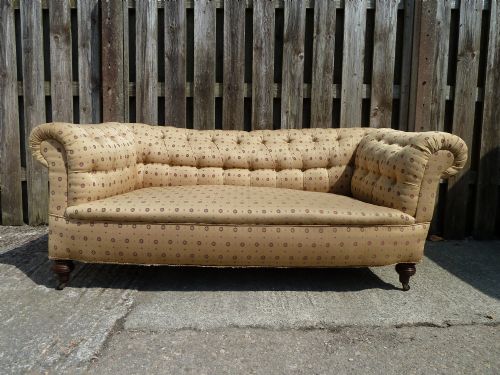
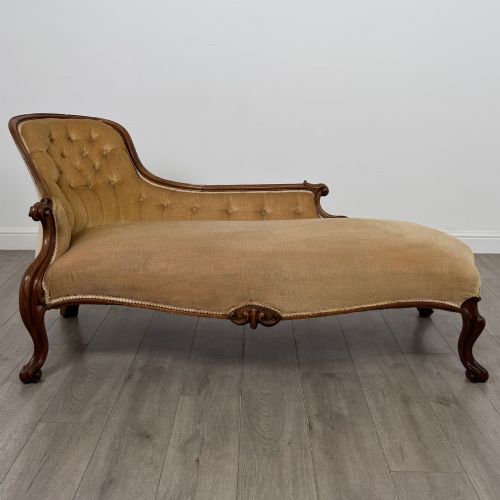
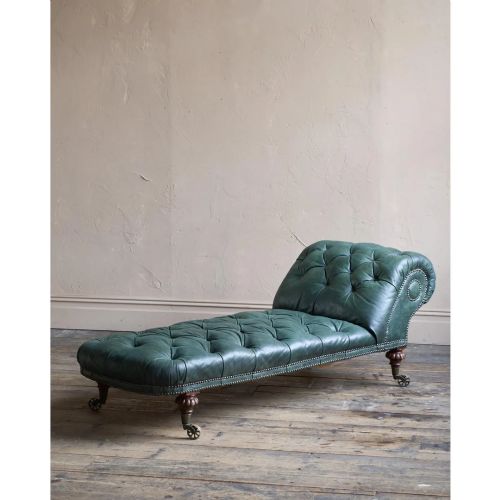
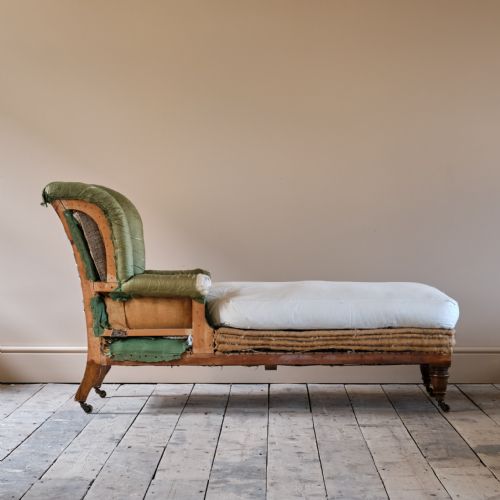
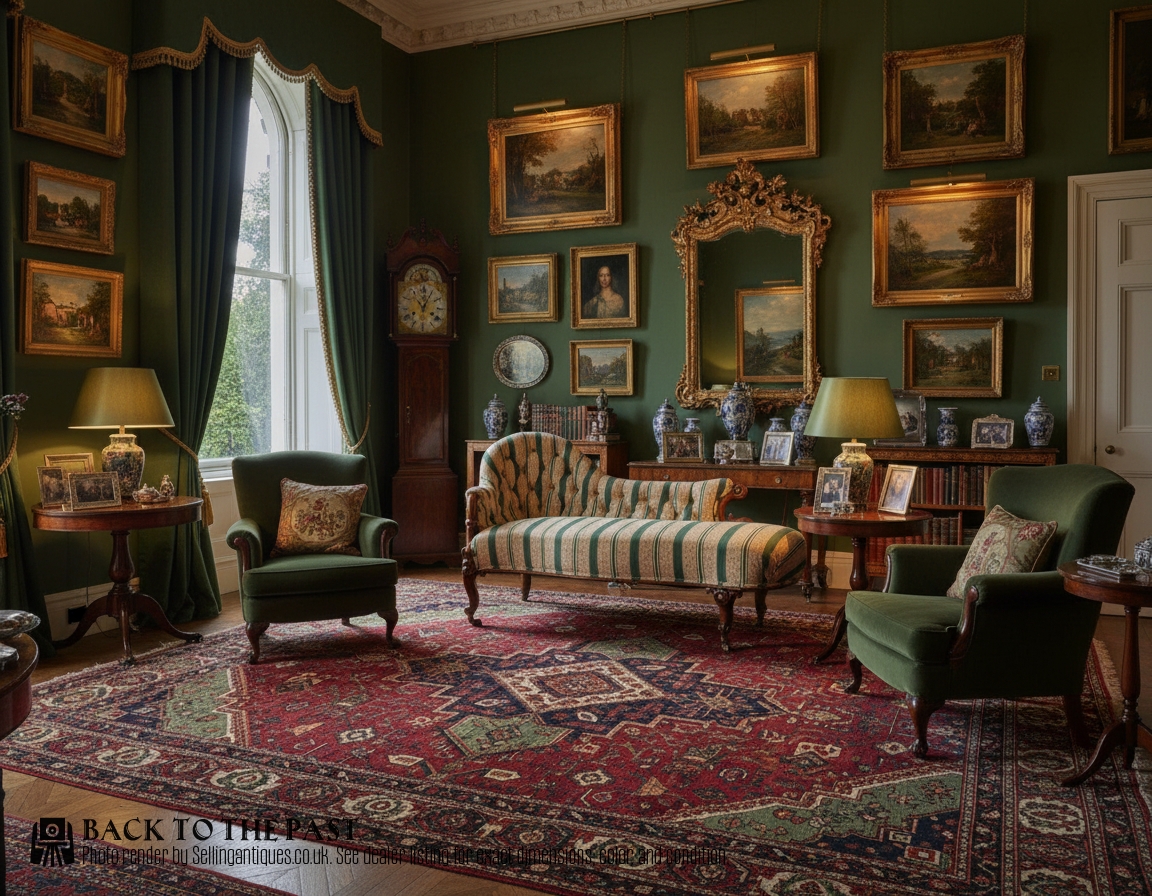
Most pieces take the form of chaise longues or day beds featuring a single raised headrest end, alongside framed settees built for the same purpose. Materials range from mahogany and walnut to ebonised wood, complemented by velvet, fabric, and calico upholstery.
How They Were Made
Cabinetmakers constructed the structural frames using solid timber such as mahogany, walnut, rosewood, and ebonised wood. Some frames feature carved wooden decoration, inlaid walnut panels, or applied ormolu mounts.
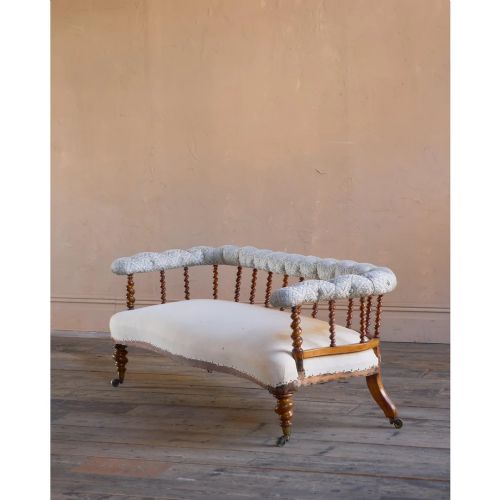
Upholstery methods utilised traditional stuffing finished with fabrics including velvet, plain fabric, or calico. Frameworks frequently sat upon turned wooden legs fitted with original castors for mobility.
Retail Price Guide 2026
Typical UK retail prices for victorian daybed sofa, calculated from the Sellingantiques database of over a million retail prices indexed since 2003. This retail price guide relies exclusively on Sellingantiques data; no external sources or auction records are used, so the figures do not describe the wider market.
What Varies in Quality
The distinction between standard and superior pieces rests on the ambition of the timber work and attribution. Elaborate embellishments like ormolu mounts, inlaid walnut panels, or firm attribution to makers such as Holland and Sons elevate certain frames above simpler vernacular examples.
Design sophistication also marks out the better specimens, where crisp carved mahogany or finely turned legs on original castors demonstrate superior workshop execution.
Holland and Sons
The Victorian Daybed Sofa Glossary
- Chaise Longue
- A long reclining seat resembling a sofa combined with a chair, featuring one raised end for resting the head. These pieces were popular in nineteenth-century drawing rooms.
- Ormolu
- Gilt bronze ornamentation applied to furniture frames to provide metallic contrast against dark woods. This decorative technique appears on finer nineteenth-century cabinet work.
- Ebonised Wood
- Timber treated with a dark finish to imitate expensive ebony. This process was frequently utilised during the Victorian period.
- Calico
- A plain-woven cotton fabric often used as an under-upholstery layer or foundational covering on antique seating. It provides a sturdy base for top covers of velvet or patterned textiles.
Frequently Asked Questions
What is a Victorian daybed sofa?
It is a nineteenth-century reclining seat designed for daytime resting, combining sofa seating with a raised headrest at one end.
These forms include chaise longues and day beds upholstered in velvet, fabric, or calico over wooden frames.
Where were these day beds used?
They were typically placed in nineteenth-century drawing rooms, parlours, or boudoirs for relaxed seating and reclining.
The single raised end allowed the user to lean back comfortably without lying completely flat.
What woods were used for these frames?
Cabinetmakers utilised various hardwoods including mahogany, walnut, rosewood, and ebonised wood.
Some frames feature carved details, contrasting inlays, or applied ormolu decoration.