


Victorian Cut Glass Bowl
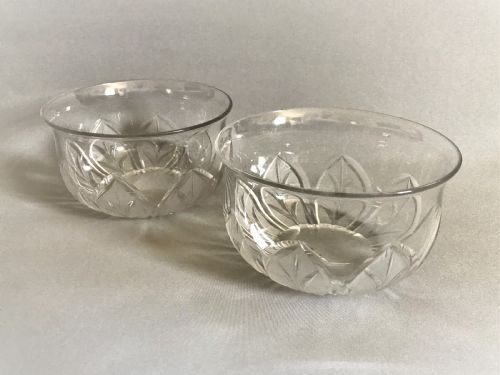
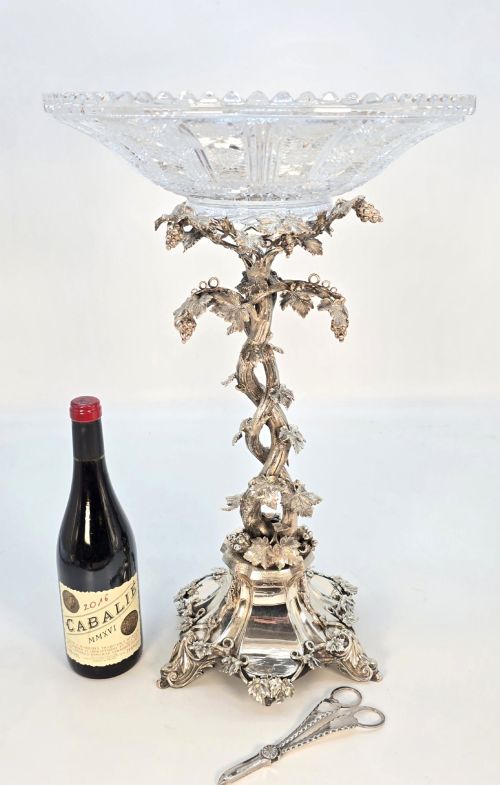
These pieces of a victorian cut glass bowl bring substantial weight and deep refractive sparkle to a dining table or sideboard.
Victorian Cut Glass Bowl
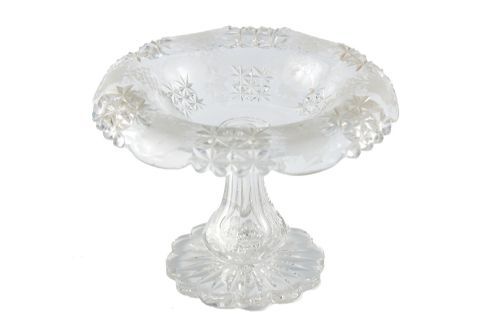
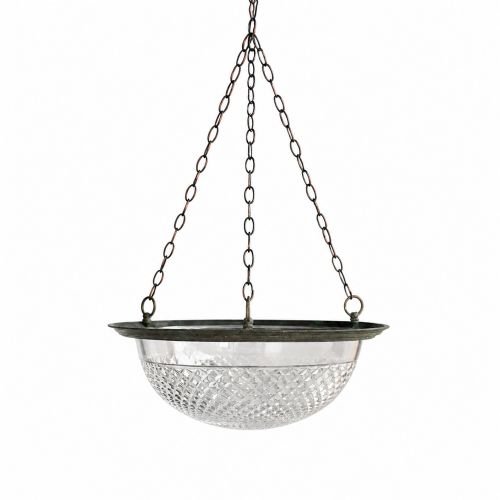
A victorian cut glass bowl encompasses a wide variety of domestic vessels produced during the nineteenth century, ranging from deep champagne bowls and finger rinsers to grand table centrepieces and pedestal comports. The selection frequently includes matched pairs or sets designed for formal dining, alongside decorative serving dishes and smaller trinket bowls.
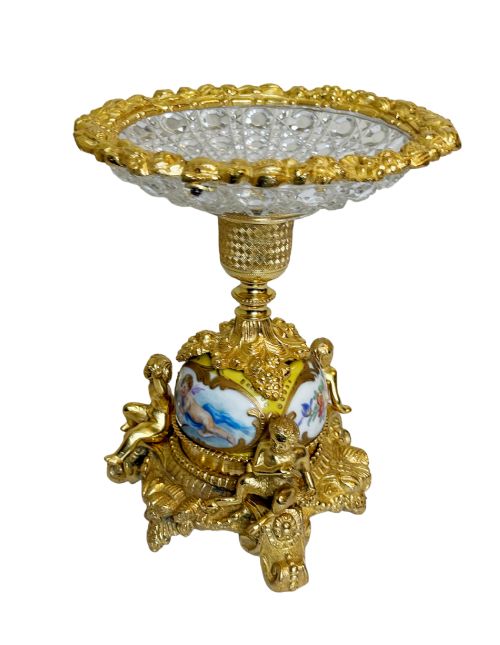
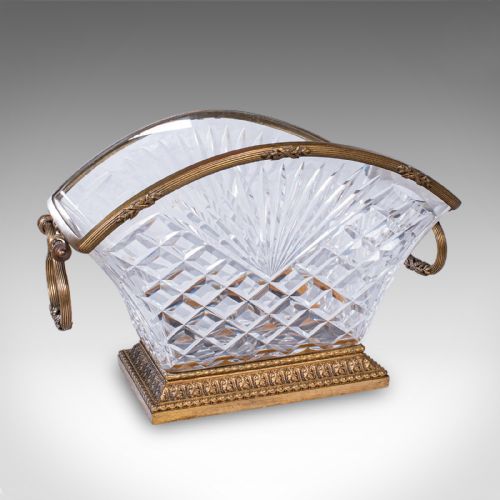
The heavy crystal vessels on this page reflect the distinct domestic routines of the period, intended for serving fruit, holding iced water, or displaying sweetmeats. Examples range from simple pressed and cut utilitarian glass to elaborate mounted pieces intended to catch the candlelight of a nineteenth-century dining room.
Judging the Standard
Quality rests primarily on the depth, crispness, and precision of the wheel-cutting, where superior examples display sharp, cleanly defined edges and high optical clarity in the crystal without cloudiness or internal bubbles. The weight and thickness of the lead glass vessel also indicate standard, as heavier blanks allowed for deeper, more ambitious facet work.
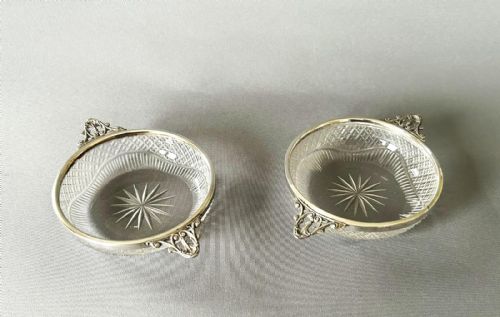
The integration of secondary mounts, such as silver plate or gilt bronze handles and frames, contributes significantly to the overall distinction of the piece. Well-balanced proportions between the cut glass bowl and its metal or ceramic stand separate standard utilitarian ware from finer decorative showpieces.
Form variations range from large table centrepieces and pedestal comports down to small custard cups and trinket boxes.
The Victorian Cut Glass Bowl Glossary
- Centrepiece
- A large decorative vessel or stand placed in the middle of a dining table for display or service. These often combine cut crystal bowls with silver-plated or bronze bases.
- Champagne bowl
- A wide, shallow vessel designed specifically to hold champagne glasses or to chill bottles on the dining table. They frequently appear in matched pairs or larger sets.
- Finger bowl
- A small, rounded bowl used during formal dining for rinsing fingers between courses. They are commonly found in sets and feature etched or cut geometric patterns.
- Tazza
- An elevated shallow bowl or saucer supported on a central stem and foot. Victorian examples in lead crystal highlight the refractive qualities of heavy cut glass.
- Lead crystal
- A heavy glass variety containing metallic oxide that increases brilliance and weight. This material allows artisans to execute deep, sharp cuts.
Victorian Cut Glass Bowl: Frequently Asked Questions
How were these bowls used originally?
These vessels served various practical and decorative roles in nineteenth-century homes, functioning as table centrepieces for fruit, rinsing bowls for fingers, or dedicated receptacles for champagne service during formal dinners.
Smaller iterations functioned as trinket dishes or sugar baskets, often accompanied by matching silver spoons or fitted stands for sideboard display.
Can I use them for food and drink today?
Most pieces remain entirely functional for modern dining and entertaining, provided they receive careful hand washing rather than exposure to high dishwasher temperatures.
Care must be taken with mounted pieces featuring silver plate or bronze components to ensure metal parts are dried thoroughly after cleaning.
How do I care for antique cut crystal?
Maintenance requires gentle cleaning in warm water with mild detergent, avoiding sudden temperature changes that can stress old lead glass.
Using a soft cloth prevents scratching the polished facets and helps preserve the clarity of the crystal over years of handling.
How can I tell the period?
Dating relies on stylistic clues, mounting techniques, and the specific patterns of glass cutting popular during the nineteenth century, such as deep geometric facets or aesthetic movement motifs.
Heavier blanks and specific hallmarks on associated silver plate or mounts provide further chronological markers for individual pieces.