
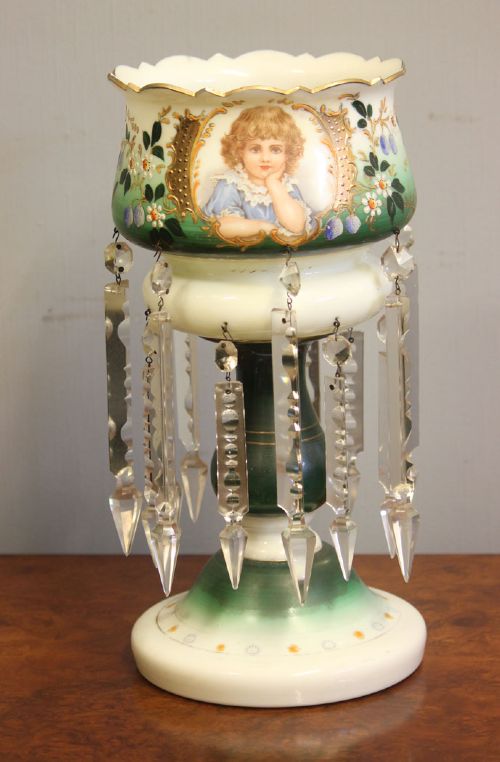
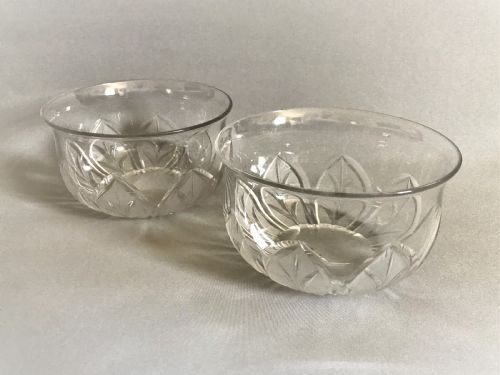
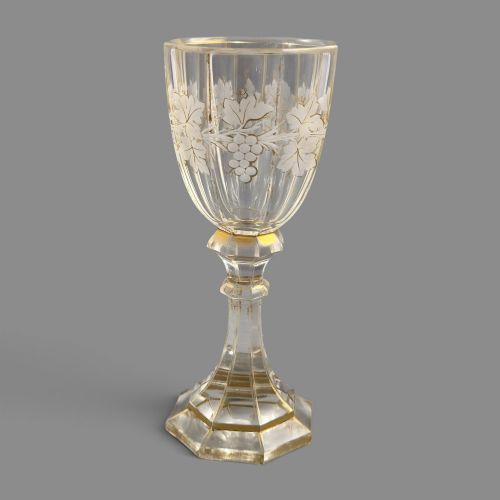
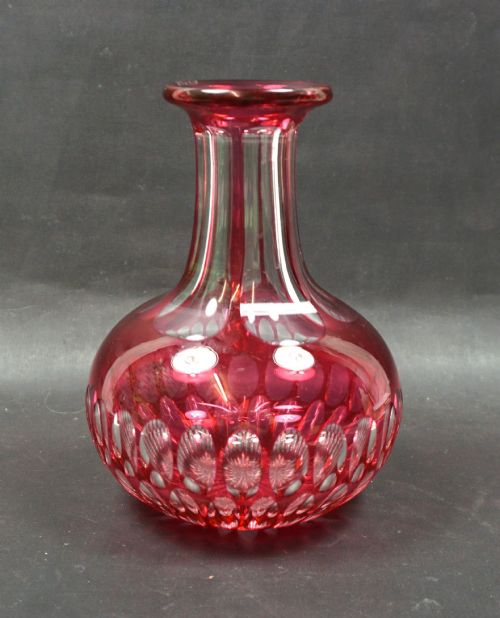
Victorian Cut Crystal Glasses
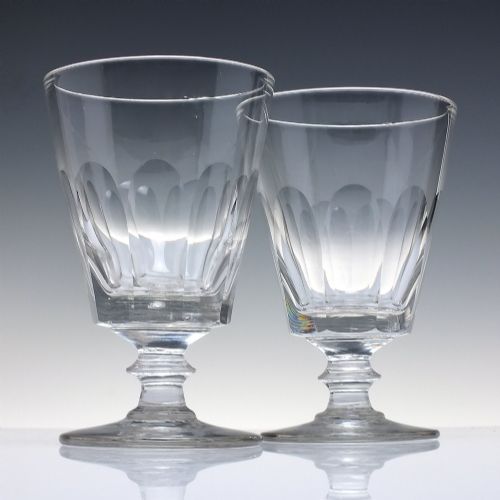
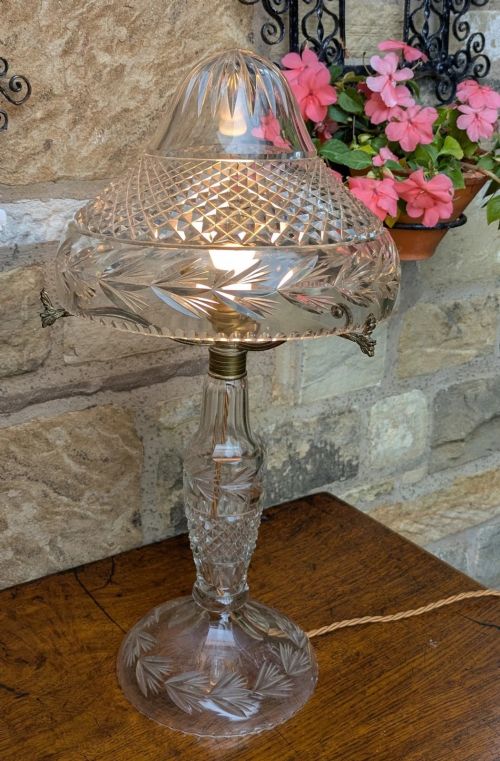
These Victorian cut crystal glasses and associated vessels combine heavy lead crystal with deep facet cutting, offering brilliant light refraction.
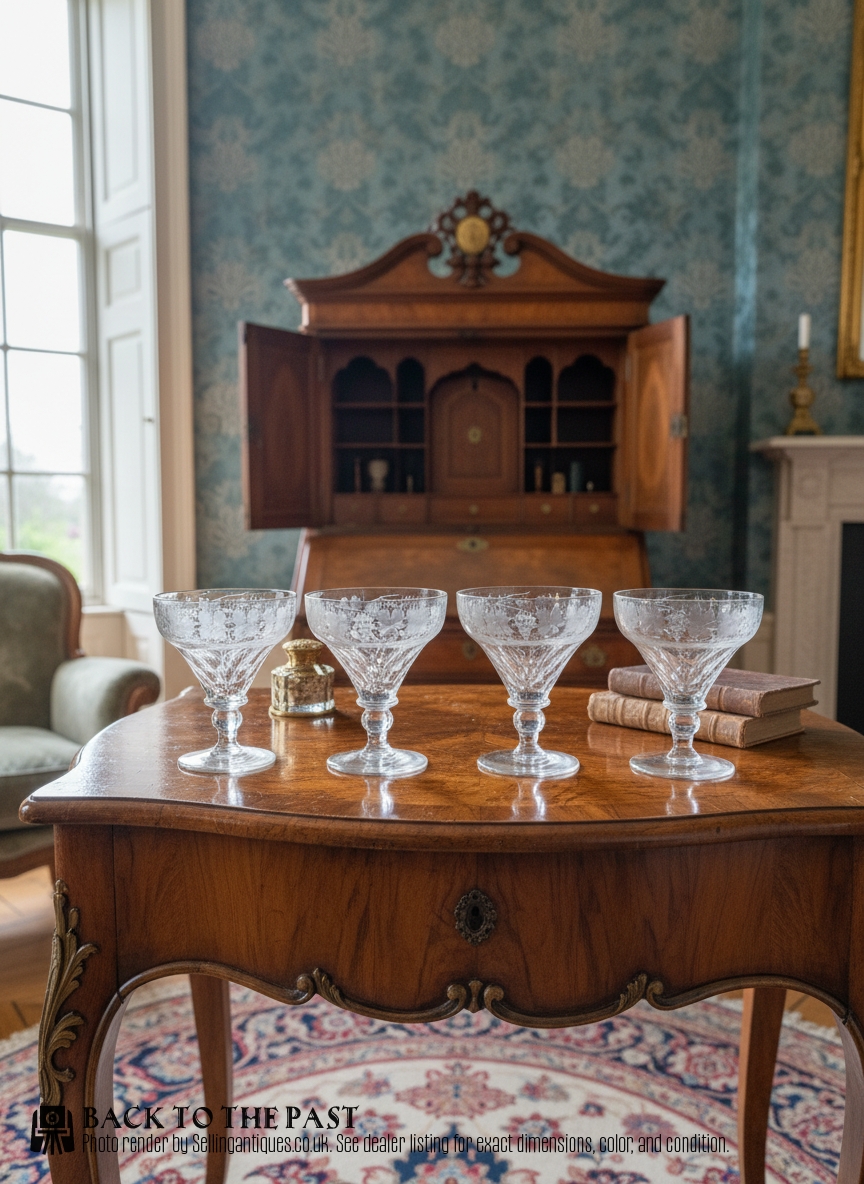
Victorian Cut Crystal Glasses
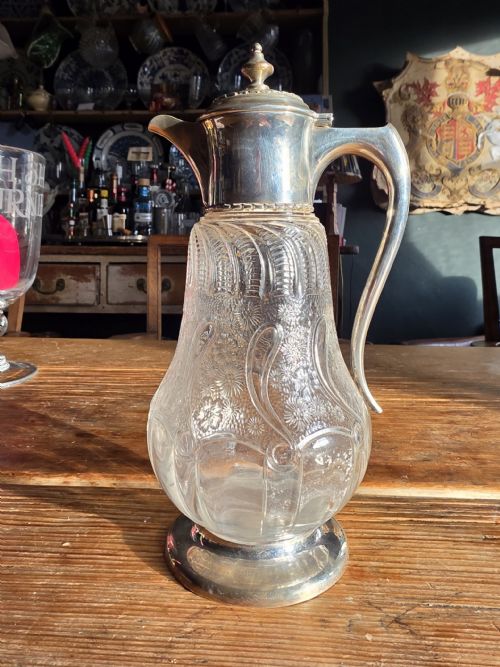
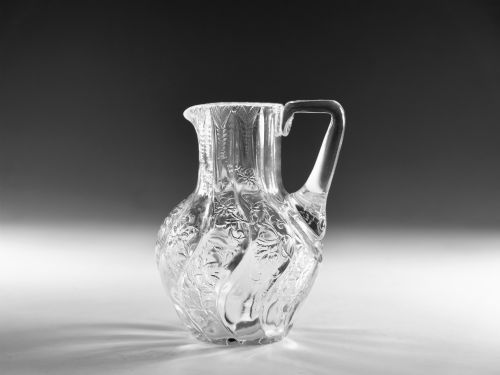
When you search for victorian cut crystal glasses, you encounter heavy drinking vessels, decanters, jugs, and finger bowls shaped during the nineteenth century. These items reflect the era's taste for elaborate tables, where cut glass reflected candlelight and gaslight during dinner parties.
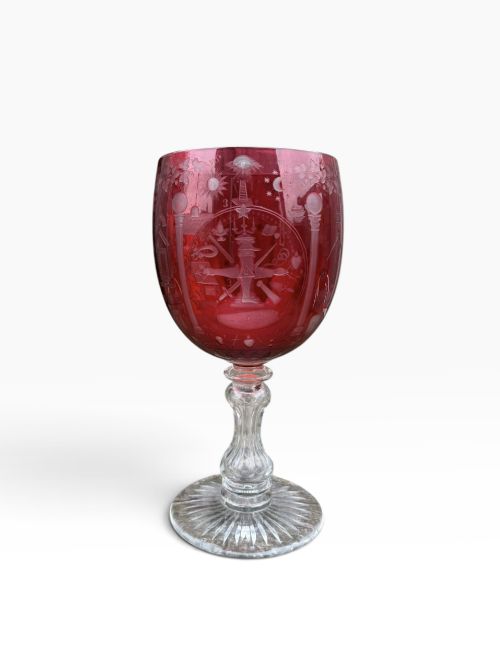
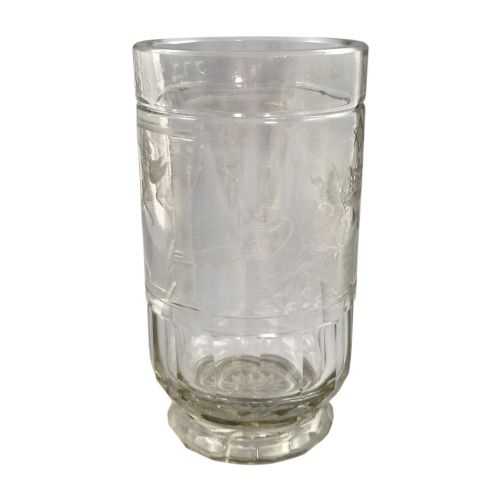
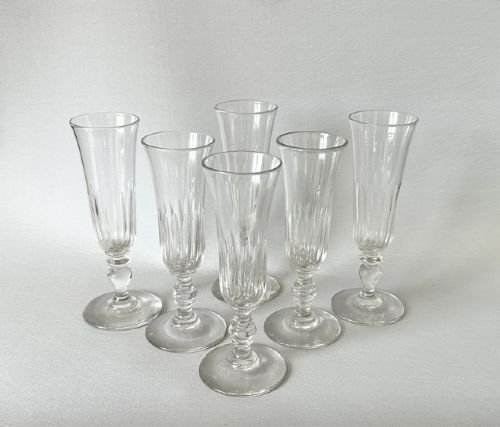
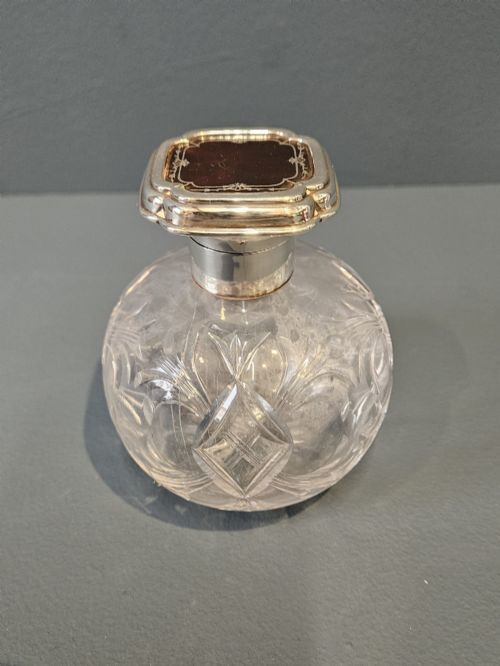
The pieces on this page span the Victorian period alongside related Edwardian and 19th century items, encompassing rummers, champagne flutes, whiskey tumblers, and decorative carafes. Makers and workshops across England and Bohemia produced these domestic and ceremonial objects using rich colour palettes including cranberry, ruby, green, and cobalt alongside clear crystal.
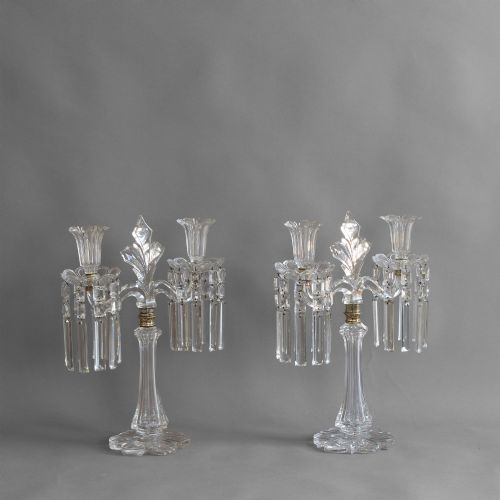
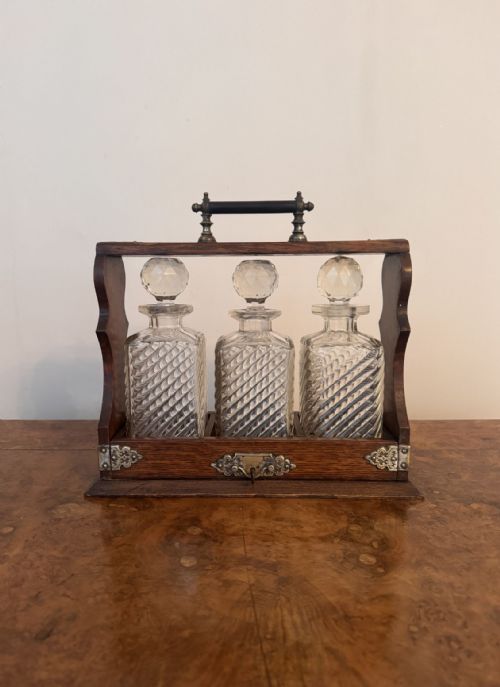
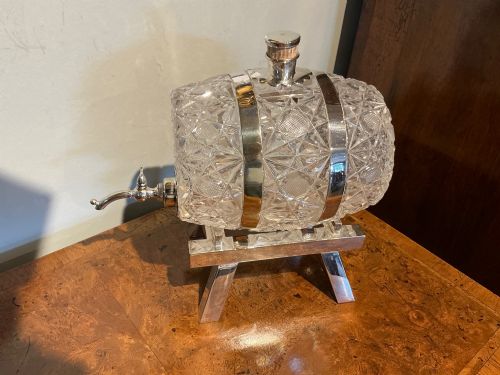
Beyond standard drinking vessels, the selections include matching sets, tantalus frames, and centrepieces that demonstrate how deeply glass integrated into household rituals. Each piece relies on thick walls and substantial bases designed to withstand daily use while catching ambient light from multiple angles.
Standards of Quality
Quality rests in the crispness of the cutting and the weight of the lead crystal. Superior pieces display sharp, clean facet edges without waviness, whereas lower grades show soft or uneven lines from hurried wheel work.
The depth of the blank and the clarity of the metal define the upper tiers of production. Pure crystal without grey bubbles or cloudiness allows light to refract cleanly through the decorative incisions.
Listings feature items spanning the Victorian era, Edwardian period, and broader nineteenth century.
Stevens and Williams·Moser·Walker and Hall
The Victorian Cut Crystal Glasses Glossary
- Lead crystal
- Glass containing a significant proportion of lead oxide, which increases weight, brilliance, and softness for cutting. This material remains central to the optical clarity of nineteenth-century tableware.
- Hobnail cut
- A raised, multi-faceted decorative pattern resembling the hobnails used in boot soles. Artisans ground intersecting grooves into the glass surface to create this tactile texture.
- Rummer
- A large drinking glass intended for ale, punch, or rum, typically featuring a short stem and a capacious bowl. These pieces often display heavy cutting around the lower half.
- Finger bowl
- A small bowl filled with water for rinsing fingers between courses at formal dinners. Victorian examples frequently utilise cut and frosted glass to catch table illumination.
Victorian Cut Crystal Glasses: Frequently Asked Questions
Are these glasses safe for daily use?
Most nineteenth-century drinking vessels remain entirely usable for contemporary dining provided they lack structural cracks. Hand washing protects the historical surfaces from chemical erosion.
Check rims carefully for tiny chips before pouring drinks. Heavier rummers and tumblers handle regular beverages well.
How can I tell Victorian glass from later copies?
Examine the weight and the polish within the cut facets. Nineteenth-century lead crystal feels noticeably heavier than modern soda-lime glass and often exhibits minor hand-finished irregularities.
Look for a dull greyish-white wear pattern on the unpolished base where the vessel rested on wooden tables for generations.
What caused the coloured glass variations?
Glaston makers added specific metallic oxides to the molten batch to achieve distinct hues. Cobalt produced deep blues, gold chloride created ruby reds, and copper introduced rich greens.
Overlays combined a layer of coloured glass over a clear crystal core before cutting through the outer layer to expose the transparent base beneath.