




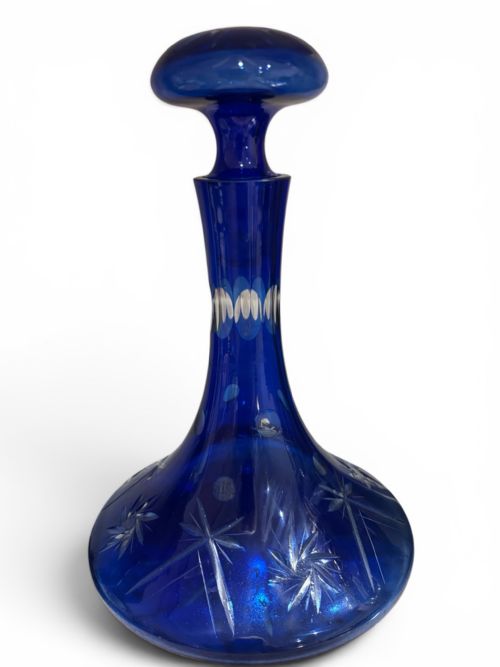
Victorian Cut Crystal Decanter
These Victorian cut crystal decanter pieces bring heavy faceted brilliance and rich period craftsmanship to any dining table or sideboard.
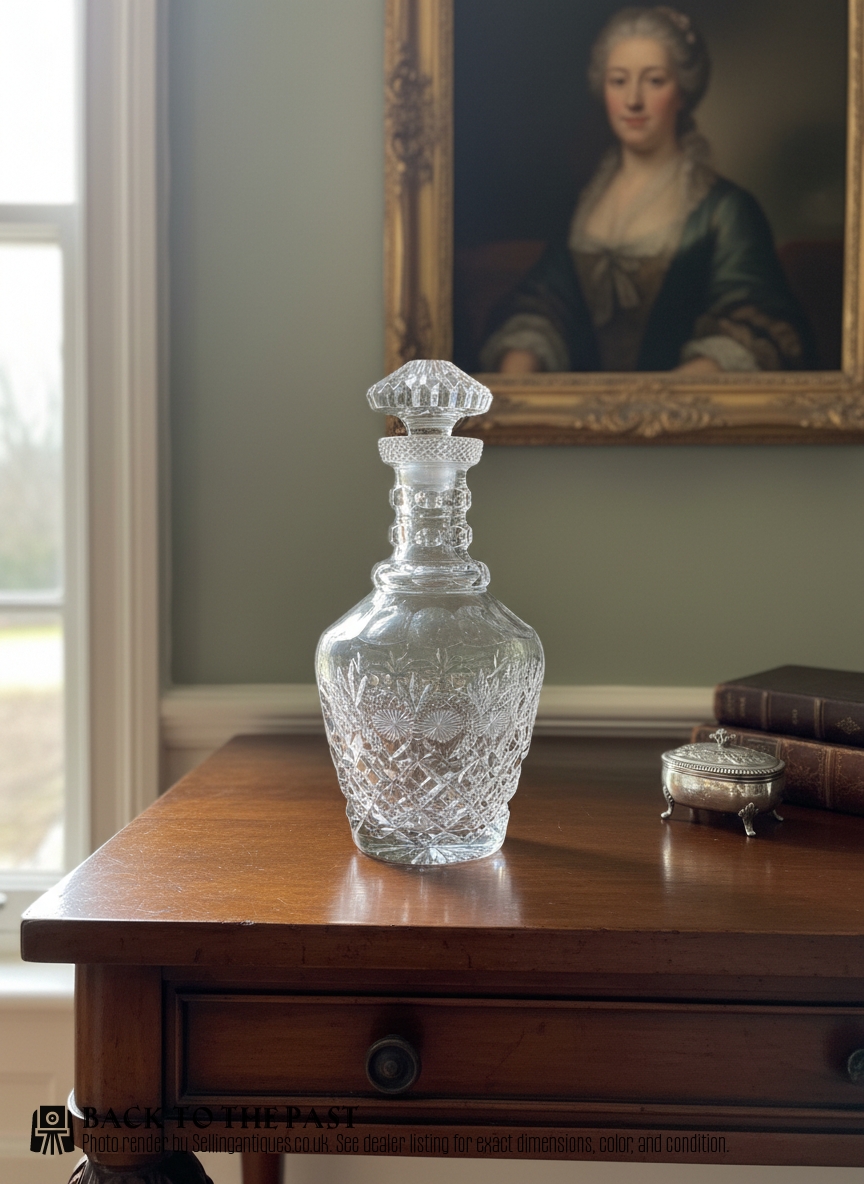
Victorian Cut Crystal Decanter
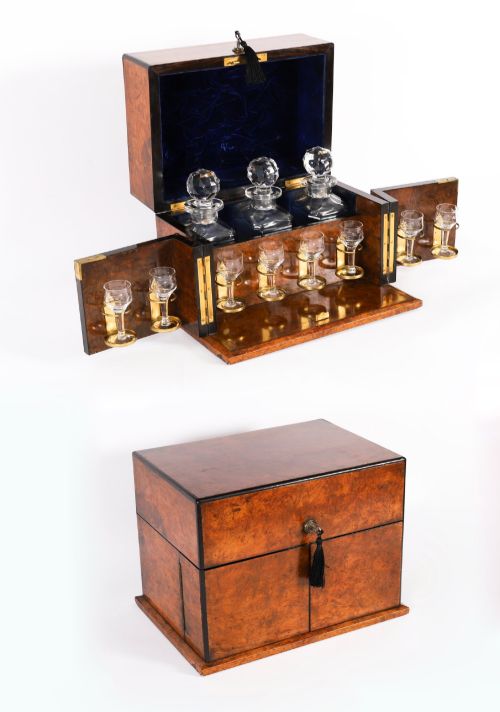
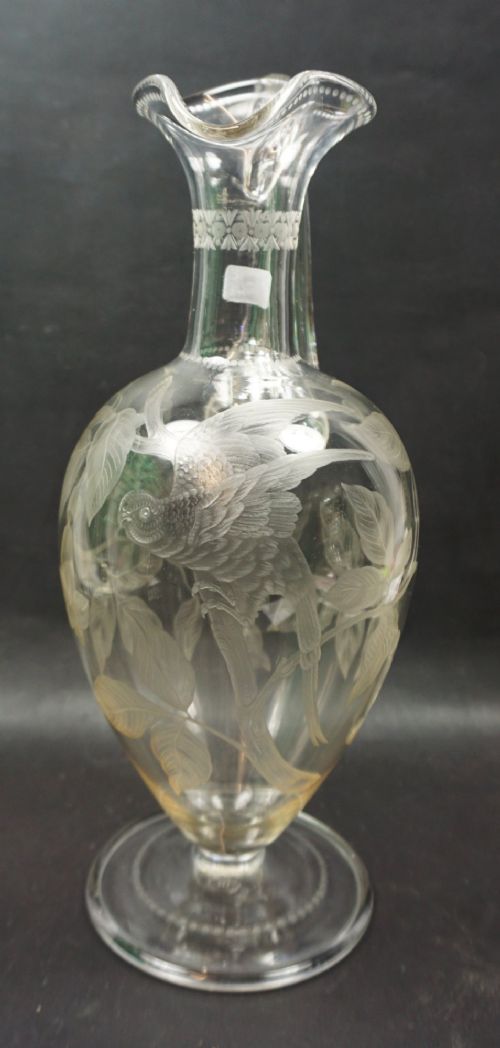
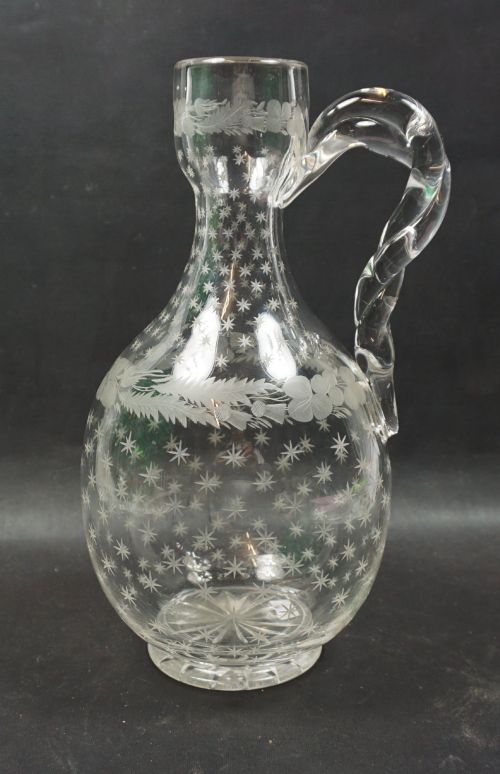
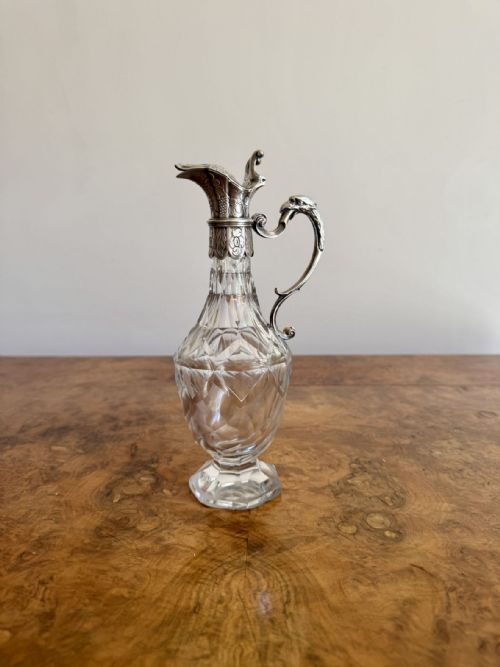
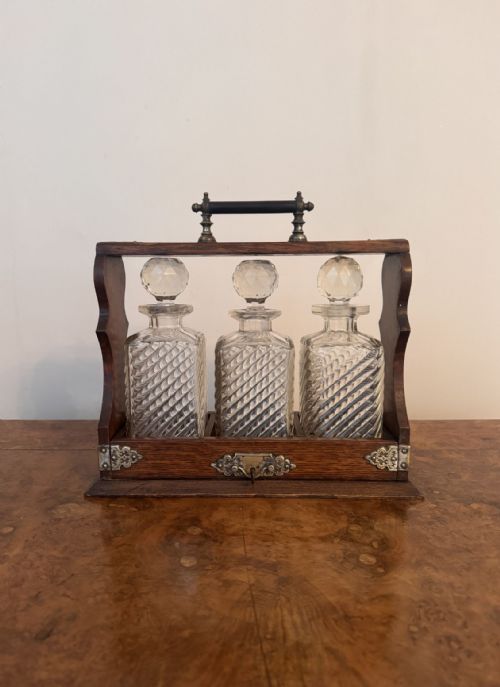
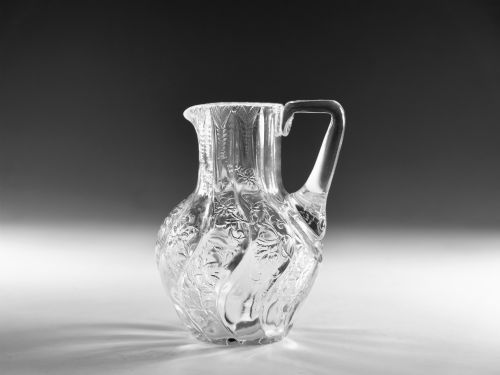
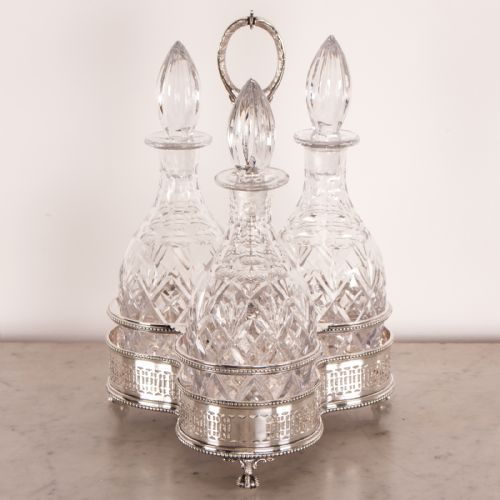
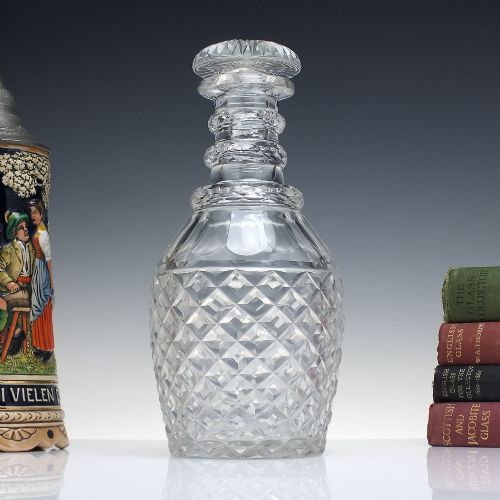
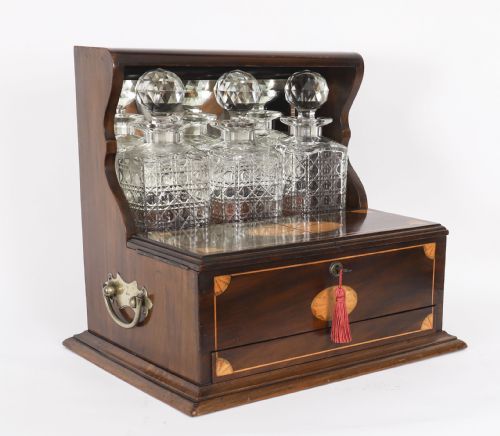
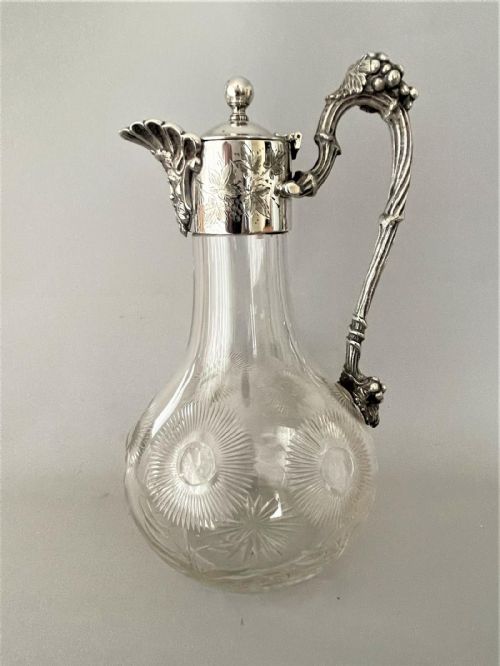
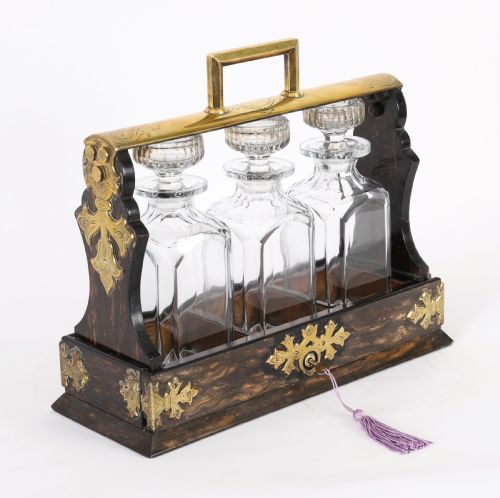
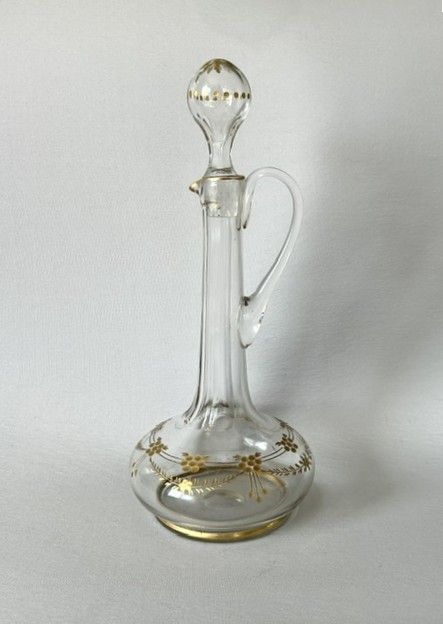
When you search for a Victorian cut crystal decanter, you encounter heavy glass vessels designed to hold and serve wine, spirits and liqueurs during the nineteenth century. These items range from standalone shaft and globe bottles to elaborate claret jugs and multi-bottle tantalus sets housed in oak, mahogany or coromandel frames.
The majority of pieces seen on this page date from the middle decades of the Victorian era through to the Edwardian period, spanning production years from eighteen fifty to nineteen hundred. Alongside traditional clear lead crystal, you meet coloured glass variants including cranberry, amethyst, cobalt and over-crystal carafes.
Materials and technique
The objects are produced from heavy lead crystal or cut glass, shaped by blowing and subsequently finished on a wheel to cut deep geometric or floral facets into the material. This cutting process requires substantial glass thickness so the wheel can carve sharp prisms that catch and refract candlelight.
Victorian Cut Crystal Decanter Retail Price Guide 2026
Typical asking prices for victorian cut crystal decanter among the pieces listed under this phrase on Sellingantiques today, from the lower quarter to the upper quarter. They describe what is for sale here now, not the wider market.
Listings feature items spanning the Victorian and Edwardian eras, incorporating cut crystal, silver plate, oak, brass and coloured glass.
Quality and craftsmanship
The distinction between ordinary utility vessels and superior examples lies in the depth, crispness and complexity of the wheel-cut patterns, alongside the weight and clarity of the crystal itself. Finer specimens display precisely aligned facets with smooth polished surfaces inside the cuts, rather than shallow or blurred impressions.
Mounts and enclosures contribute significantly to the standing of a piece, where tight joinery in wooden tantalus frames, heavy gauge silver plating, and fully functioning locks distinguish workshop production of the highest order from standard commercial output.
Stevens and Williams·Walker and Hall·Richardsons
The Victorian Cut Crystal Decanter Glossary
- Tantalus
- A locked wooden frame holding decanters securely so they cannot be removed without a key, designed to prevent servants from sampling the contents.
- Claret jug
- A pouring vessel specifically intended for red wine, typically combining a cut glass body with a hinged silver-plated lid, handle and collar.
- Shaft and globe
- A traditional decanter silhouette featuring a long narrow neck rising above a rounded globular body.
- Hobnail cut
- A distinct surface pattern of closely set faceted pyramids that resemble the iron hobnails used in heavy boots.
- Over-crystal
- A technique where a layer of coloured glass is cased over a clear crystal core before being cut through to reveal the contrasting colour beneath.
Victorian Cut Crystal Decanter: Frequently Asked Questions
How do I date a decanter?
Dating relies on combining the silhouette of the vessel, the style of the cut glass facets, and any accompanying metal mounts or hallmarks. Victorian pieces typically display heavier lead crystal and deeper wheel cutting than earlier Georgian examples.
Makers' marks on silver collars or registration numbers stamped into metal hardware also provide precise chronological markers, narrowing production down to specific decades between eighteen fifty and nineteen hundred.
What is a tantalus set?
A tantalus is a secure locking cabinet or frame that holds two or three decanters upright in a wooden base fitted with a metal bar across the stoppers. Turning the key allows the locking bar to lift so the bottles can be removed for pouring.
Originating in the Victorian era, these locking frames kept expensive spirits safe from unauthorized access while displaying the cut crystal through the open wooden framework.
Are stoppers original to the decanter?
Original stoppers are hand-ground to fit the specific neck of each individual decanter during production. You can often verify originality by checking for corresponding matching numbers cut into both the base of the stopper and the interior rim of the neck.
Replacement stoppers frequently exhibit slight wobbles, mismatched glass clarity, or minor discrepancies in the cut pattern when compared to the body of the vessel.