
Victorian Covered Dish
When you search for a victorian covered dish, you enter a diverse world of nineteenth-century serveware designed to keep table food warm and presentation grand.
Victorian Covered Dish
A victorian covered dish encompasses a wide variety of nineteenth-century serveware, ranging from grand meat covers and vegetable tureens to specialised cheese domes and butter dishes. These pieces were essential for formal dining tables across the period, keeping food warm and protected until service.
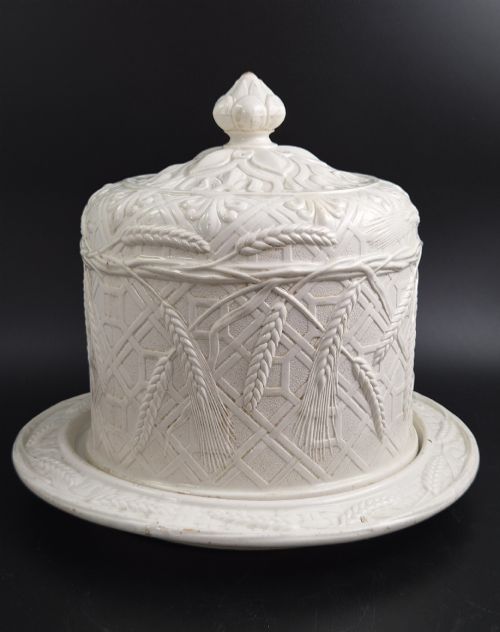
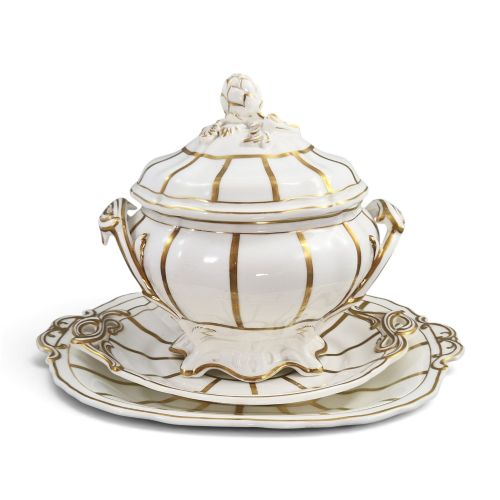
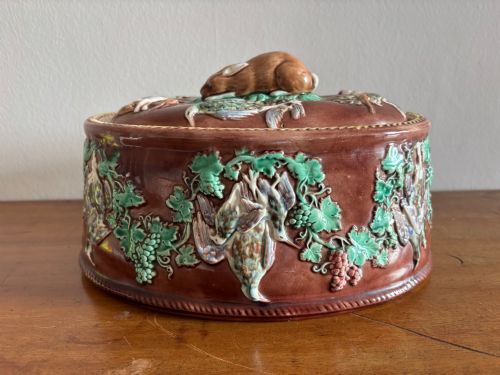
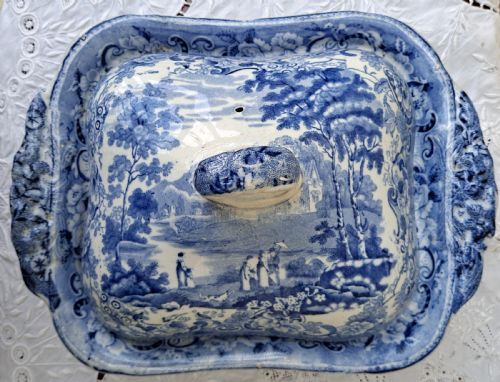
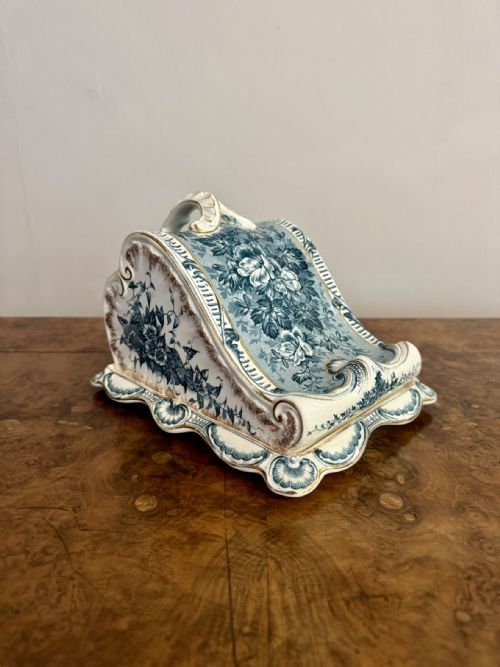
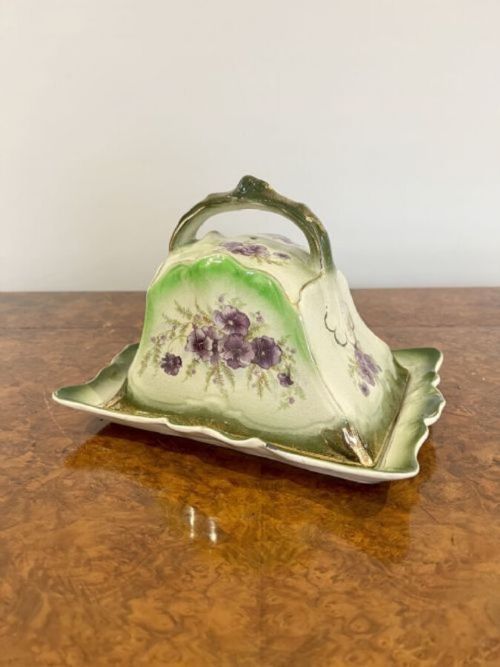
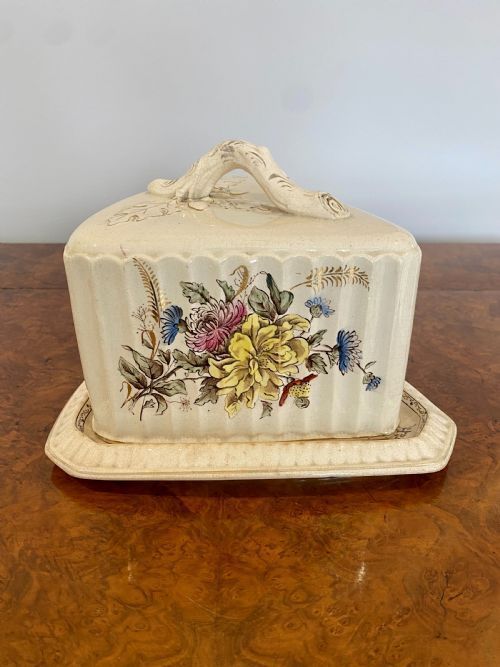
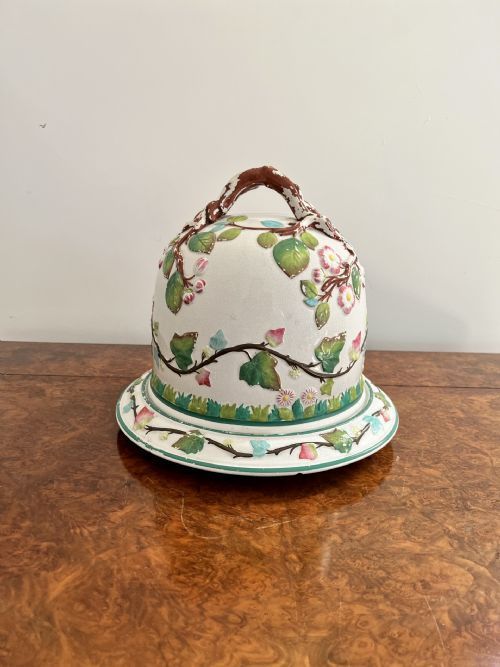
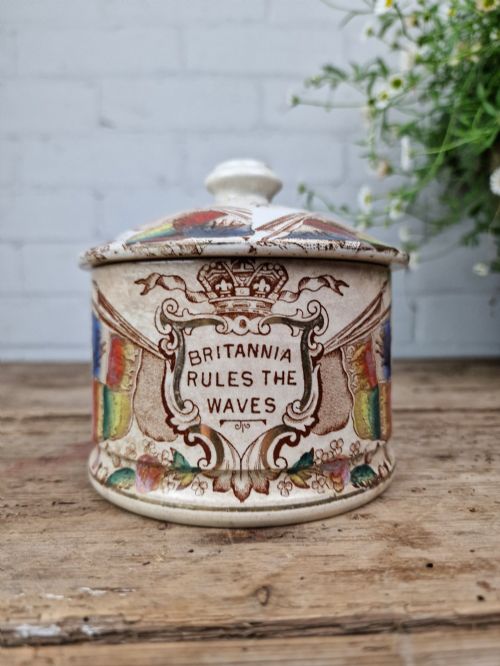
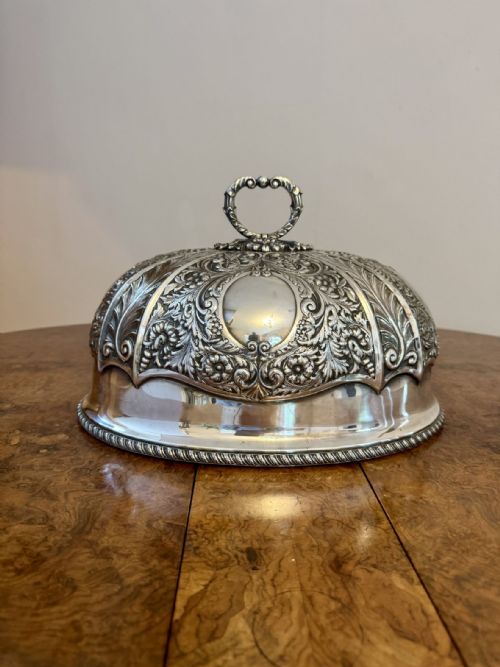
On this page, you are most likely to encounter ceramic cheese domes, ironstone vegetable tureens, and silver-plated entree dishes dating from the mid to late nineteenth century. Forms span from simple white ironstone serveware to elaborate majolica bells and transfer-printed earthenware.
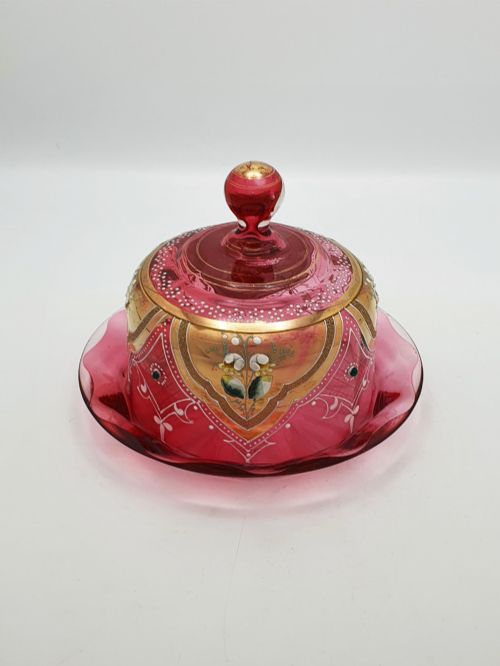
Origins include notable English potteries alongside continental glassmakers and silversmiths, reflecting the diverse manufacturing centres active during the era. Whether intended for breakfast butter or formal dinner meats, these lidded vessels combine practical domestic utility with decorative ceramic and metalcraft.
How They Were Made
Makers utilised durable ironstone and earthenware for heavy-duty kitchen and table vessels, shaping them via moulding and pressing before applying transfer prints, majolica glazes, or hand-painted details. Bone china and fine porcelain were reserved for delicate dessert tureens and sugar bowls.
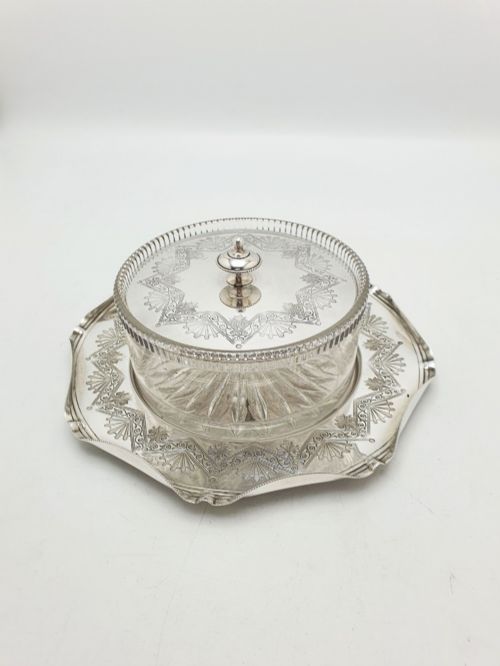
Silver plate and EPNS techniques allowed metalworkers to coat base metals with silver, creating gleaming cloches, meat covers, and butter dishes fitted with glass liners. Specialised ceramic bodies like jasperware and drabware required precise firing temperatures to achieve their characteristic matte finishes and applied reliefs.
Listings feature nineteenth-century serveware spanning earthenware, ironstone, silver plate, and majolica across forms like cheese domes, tureens, and meat covers.
What Varies in Quality
The distinction between standard utility items and finer examples rests on the crispness of the modelling, the depth of relief work, and the sophistication of the glaze or transfer print. Superior ceramic pieces display clean lines in moulded motifs such as wheat, lattice, or basket weave without blurring.
In silver-plated vessels, quality is evident in the weight of the metal, the balance of handles, and the precision with which covers fit their bases or stands. Maker attribution also plays a role, as output from renowned potteries and silversmiths demonstrates greater artistic ambition and finishing skill.
Davenport Bone China·George Jones·Wedgwood·James Wallace and Co·Mintons·Royal Crown Derby·Mason Ironstone·James Dudson·Doulton Burslem·Mappin and Webb·Daniel and Arter·Copeland·Baccarat·Hukin and Heath
The Victorian Covered Dish Glossary
- Ironstone
- A heavy, durable type of earthenware patented in the nineteenth century to rival Chinese porcelain. It became widely used for sturdy vegetable tureens and cheese dishes.
- Majolica
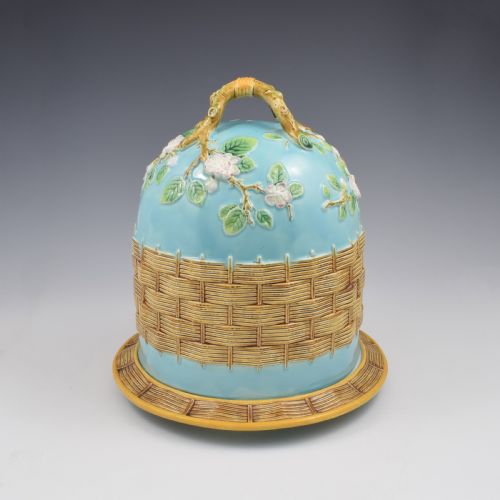
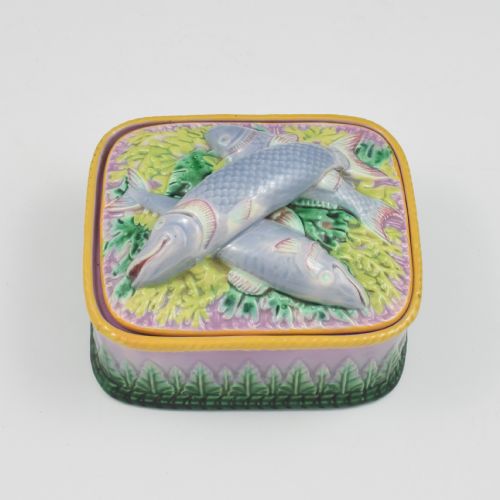
- A colourful lead-glazed earthenware style popular during the Victorian era, often featuring naturalistic plant and animal motifs like apple blossoms or sardine models.
- Jasperware
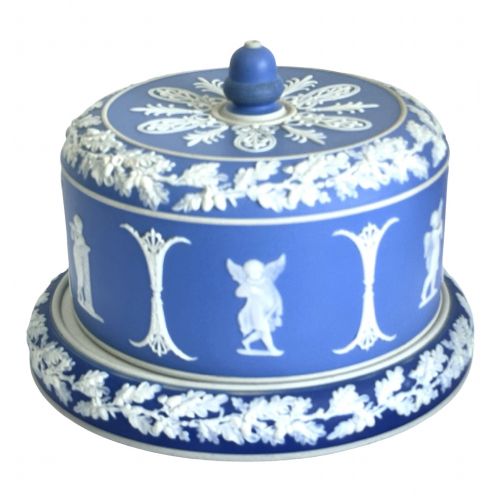
- A type of unglazed stoneware developed by Wedgwood, characterised by contrasting coloured backgrounds and applied white neoclassical reliefs.
- Cloche
- A bell-shaped cover, typically made of silver plate or glass, used to cover dishes on the dining table.
- Drabware
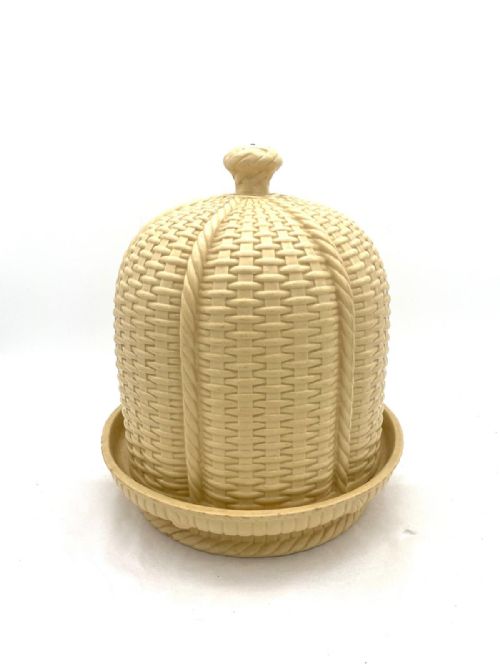
- A ceramic body featuring a muted brownish-grey or olive tone, frequently utilised for nineteenth-century kitchenware and cheese domes.
Victorian Covered Dish: Frequently Asked Questions
What were cheese domes used for?
Cheese domes served to keep large blocks of cheese moist and protected from pests on the dining table or sideboard during the Victorian era.
They typically sat upon a matching ceramic plate or stand, allowing the cheese to be stored and presented as part of the dessert course.
How do I care for antique silver plated dishes?
Silver plated items require gentle cleaning with non-abrasive silver polish to preserve the thin metal coating over the base metal underneath.
Hand washing in warm soapy water and drying immediately with a soft cloth prevents moisture damage and tarnishing.
Can I use these dishes for serving food?
Most ceramic and silver-plated pieces remain structurally suitable for serving food at modern dinner tables if handled with care.
However, crazing in older glazes or wear on antique silver plate means hand washing is essential rather than putting them in a dishwasher.
How do I date a Victorian covered dish?
Dating relies on identifying maker's marks stamped on the base, registration numbers, and stylistic clues such as rococo revival or aesthetic movement influences.
Comparing the manufacturing technique, handle shape, and glaze type against known production periods also helps narrow down the decade of manufacture.