




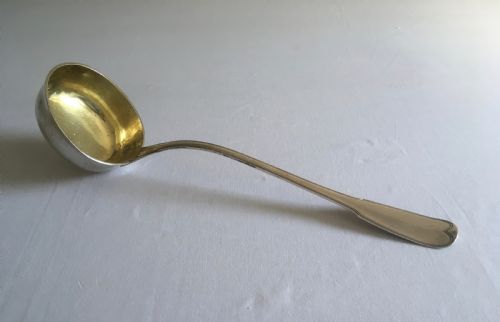
Antique Soup Server
An antique soup server brings weight and craftsmanship to the table, uniting practical serving vessels with historical silversmithing and ceramic artistry.
Antique Soup Server
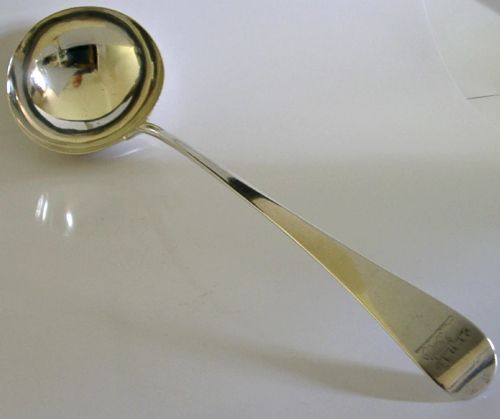
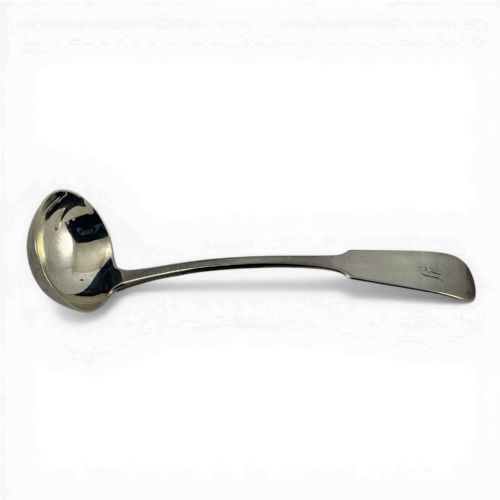
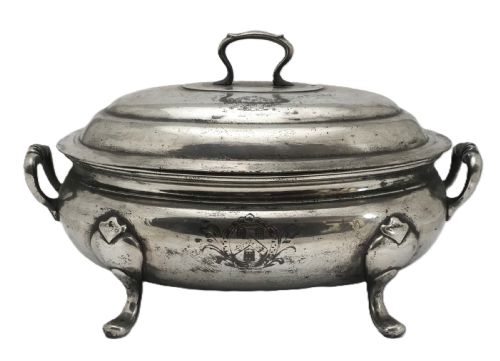
When you search for an antique soup server, you are looking at substantial vessels and utensils designed for formal dining, spanning the Georgian, Victorian, and Edwardian periods. The items you meet on this page divide cleanly between deep tureens with matching lids and long-handled ladles intended for service.
The materials range from solid sterling silver and provincial silver to silver plate, pewter, ironstone, and continental porcelain. Styles encompass Georgian restraint, English Chinoiserie, Chinese Export, and Continental Rococo forms.
Materials and construction
Metal servers are fashioned from sterling silver, silver plate over nickel silver, or pewter, often displaying engraved family crests, coats of arms, or intricate hand-chased decoration. Silversmiths shaped these metals by hand or utilised early nineteenth-century plating techniques to achieve durable, gleaming finishes.
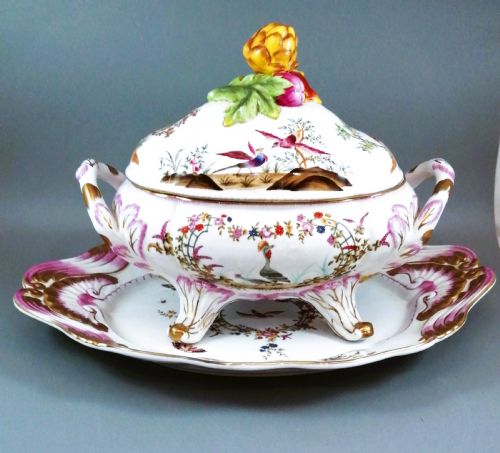
Ceramic tureens are formed from ironstone, earthenware, or porcelain, featuring hand-painted or transfer-printed motifs such as Chinese Export Mandarin scenes and blue and white botanical patterns. Many of these ceramic pieces include fitted lids and matching stands to protect the dining table.
Some pewter tureens carry the solemn arms of the Worshipful Company of Pewterers, reminding us dinner involved serious corporate pride.
Assessing quality and craftsmanship
Quality rests upon the crispness of the maker marks, the weight of the metal or ceramic body, and the depth of the engraving or surface decoration. Pieces bearing clear hallmarks from notable makers or detailed armorial engravings demonstrate a higher grade of original commission.
The survival of original matching elements, such as lids, stands, and paired ladles, distinguishes superior examples from incomplete sets. Finishes that retain their original gilding or sharp underglaze transfer details indicate careful preservation over the centuries.
Hester Bateman·William Ferguson·Mappin and Webb·Daniel and Arter·William Bennett·Birchall and Hayne
The Antique Soup Server Glossary
- Tureen
- A large, deep serving bowl with a lid, designed for holding and bringing soup or broth to the table. Most examples include two side handles and frequently rest upon an integrated ceramic or silver stand.
- Ladle
- A large, long-handled spoon with a deep bowl used specifically for serving liquids from a tureen or punch bowl. Handles often feature crested engravings or provincial hallmarks.
- Ironstone
- A heavy, durable type of earthenware patented in the nineteenth century to imitate Chinese porcelain. It forms sturdy tureens decorated with colourful Chinoiserie or blue and white patterns.
- Hallmark
- An official stamp applied to precious metals in Britain to guarantee the standard of silver purity, the assay office, and the date of production. These marks allow collectors to trace the exact year and maker of a silver server.
- Chinoiserie
- European artistic style and decorative motifs reflecting Chinese artistic traditions, popular on nineteenth-century ceramic tureens and dishes. This aesthetic manifests in hand-painted Mandarin figures and botanical bamboo designs.
Antique Soup Server: Frequently Asked Questions
What is an antique soup server?
An antique soup server refers to the historical vessels and utensils used for presenting and ladling soup at the dining table. These items include large covered tureens made of silver, pewter, or ceramic, alongside long-handled silver ladles.
They date primarily from the eighteenth and nineteenth centuries, reflecting the formal dining customs of the Georgian and Victorian eras.
How were silver soup ladles used?
Silver soup ladles were designed with extended handles and deep bowls to reach safely into large, hot tureens without burning the server's hand. They were held at the formal dinner table by hosts or servants to portion broth into individual bowls.
Many featured family crests or monograms engraved on the terminal to match the household's wider silver service.
Can I use ceramic tureens for serving food?
Ceramic tureens made from ironstone or porcelain remain functional for serving warm food, provided they are handled with care and washed by hand. Thermal shock from extreme temperature changes should be avoided to protect the historic glaze and body.
Many collectors prefer to use them strictly for display or dry presentation due to their age.
How do I date an antique silver tureen?
Dating a silver tureen relies upon locating the official silver hallmarks stamped into the metal, which indicate the assay office and the specific year of production. Stylistic clues such as the presence of neoclassical Georgian lines or heavier Victorian ornamentation also help narrow the period.
Maker's marks provide further context by identifying the workshop responsible for the piece.