






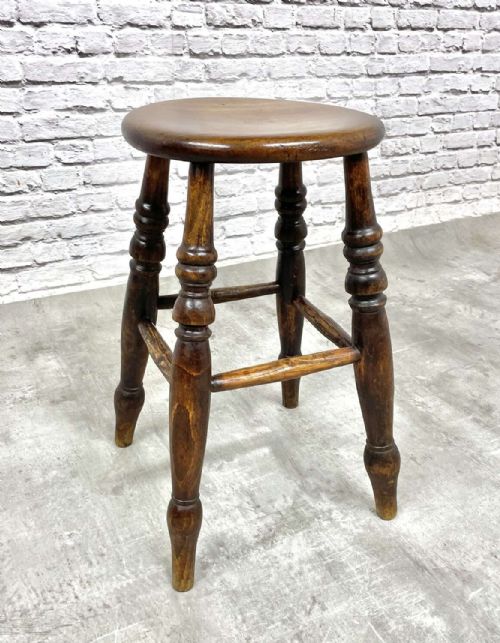
Victorian Country Milking Stool
These robust pieces of domestic utility known as a victorian country milking stool offer honest charm and solid timber construction for modern interiors.
Victorian Country Milking Stool
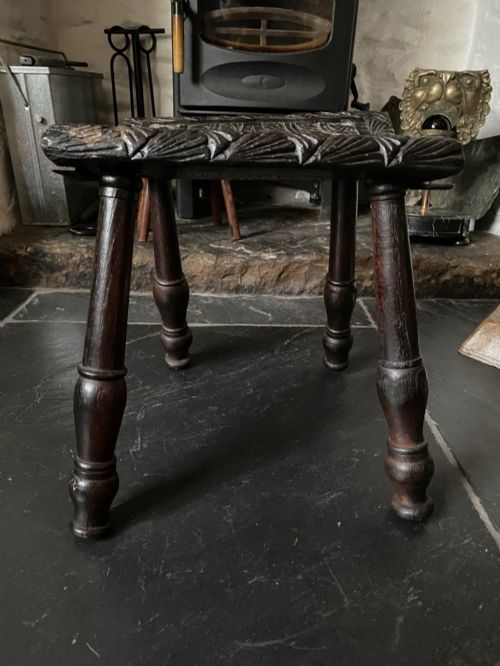
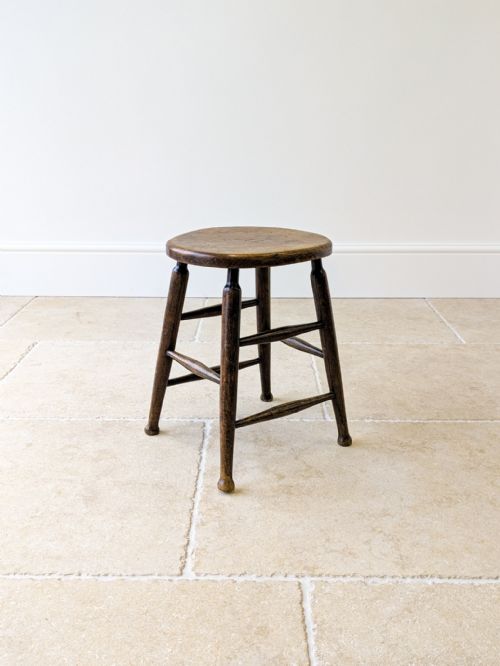
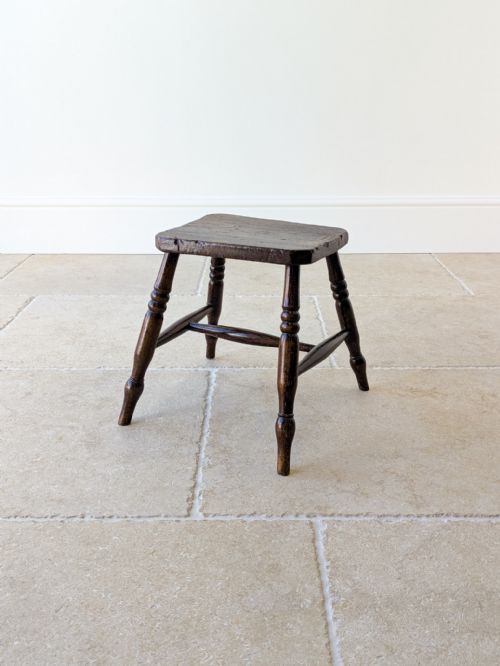
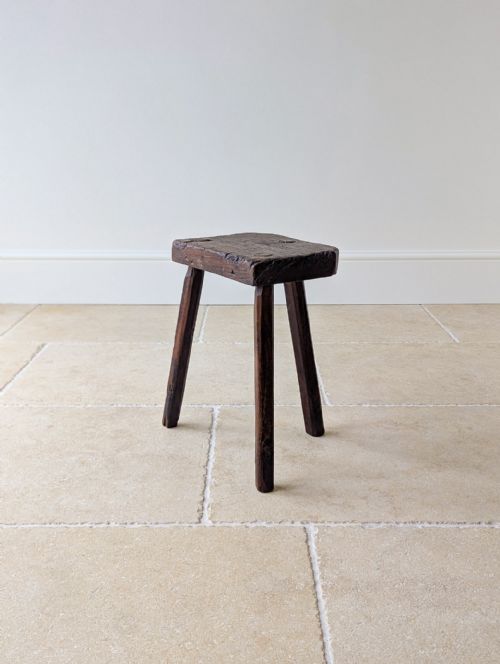
A victorian country milking stool brings functional vernacular design into the home, originating from rural workspaces and dairies. Buyers encounter diverse forms spanning dairy stools, Windsor stools, and specialised workshop seating such as jeweller's and cutler's variants.
The materials reflect practical domestic and agricultural needs, drawing on native timbers shaped by traditional makers. Most examples date from the nineteenth century, utilising sturdy woods suited to daily utility and hard wear.
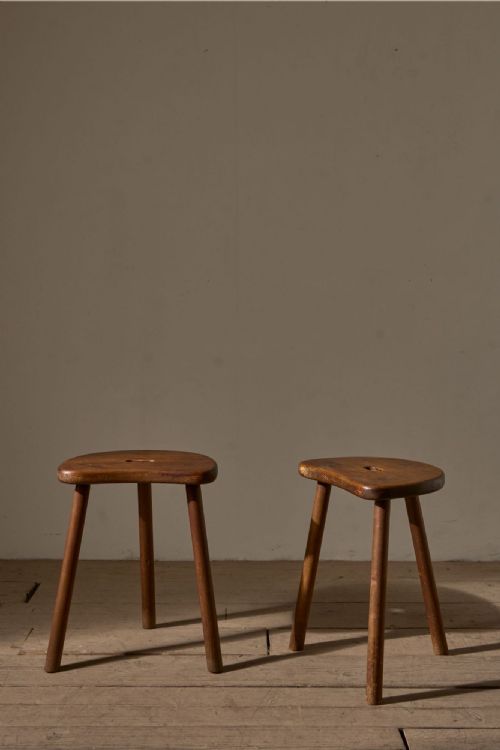
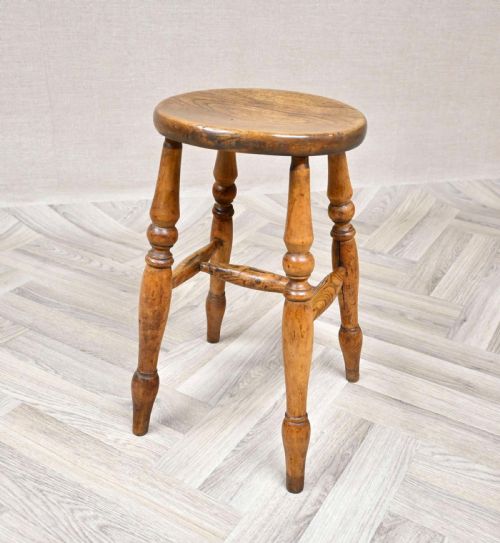
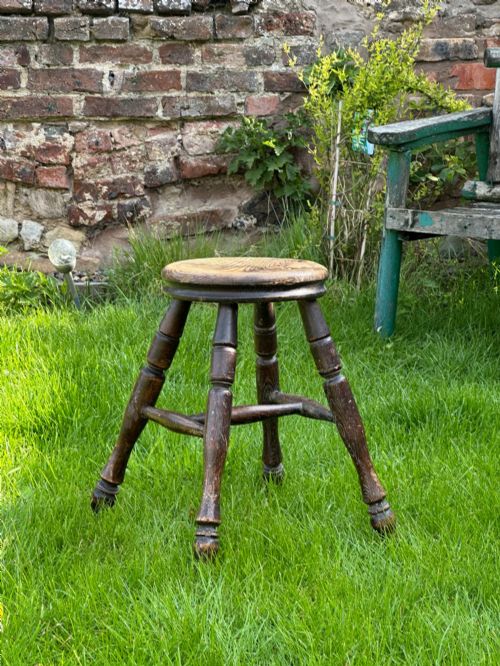
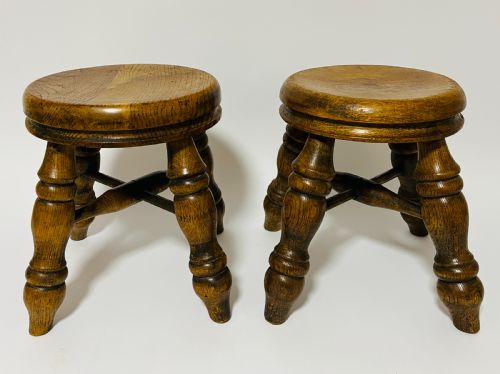
Makers shaped these utilitarian objects with simple, effective geometries, typically featuring solid wooden seats raised on three or four legs. Simple round, oval, or shaped tops predominate across the available selections.
Materials and construction
Construction relies heavily on native hardwoods and softwoods, with elm, oak, ash, beech, and pine appearing across the pieces. Timbers were chosen for strength and availability, often combining different woods for the seat and legs.
Joinery typically employs traditional methods such as wedged tenons or simple pegged joints to secure legs firmly into the solid timber seats. Surfaces show the marks of hand tools, adzes, and lathes used by vernacular woodworkers.
Victorian Country Milking Stool Retail Price Guide 2026
Typical asking prices for victorian country milking stool among the pieces listed under this phrase on Sellingantiques today, from the lower quarter to the upper quarter. They describe what is for sale here now, not the wider market.
A daring bovine once entrusted its daily milking routine to a humble piece of wild elm.
Assessing quality and character
Quality rests in the integrity of the timber, the pleasing proportion of the seat, and the strength of the leg joints. Rich patination acquired through decades of use elevates an example above plain, utilitarian survivors.
Proportion and stance dictate visual appeal, with well-balanced legs and worn wooden surfaces showing desirable age. Unusual timber choices, such as burr yew or wild elm, introduce distinctive grain patterns that distinguish individual pieces.
The Victorian Country Milking Stool Glossary
- Vernacular
- Everyday objects made by local craftsmen for practical use rather than high-style court or urban markets. These items rely on regional traditions and readily available materials.
- Windsor
- A chair or stool construction method where legs and back spindles are fitted directly into holes bored through a thick solid wooden seat. This technique ensures robust structural rigidity.
- Patina
- The surface sheen and colour developed on wood over long periods through handling, wax, and exposure to light. It serves as a visual indicator of age and genuine use.
- Turned
- Shaped on a woodturning lathe by applying chisels to timber rotated at speed. This method created neatly profiled legs and stretchers.
Victorian Country Milking Stool: Frequently Asked Questions
What is a milking stool used for?
Originally designed for agricultural labourers to sit upon while milking cows by hand, these low seats needed to be stable on uneven ground and easily portable around the farmyard.
Today, buyers repurpose them as low side tables, plant stands, or compact seats in hallways and bathrooms.
How do I identify a Victorian stool?
Nineteenth-century vernacular pieces display hand-worked timber surfaces, traditional joinery methods like wedged tenons, and distinct patination that modern reproductions cannot replicate.
Examining the underside reveals tool marks and the natural ageing of native woods such as elm, oak, and ash.
Are these stools comfortable to sit on?
Many feature sculpted or dished wooden seats shaped to fit the body comfortably during extended periods of domestic or workshop labour.
While firm, their ergonomic saddle shapes provide surprising support when used for occasional seating.
How should I care for antique wood?
Protect the timber by keeping pieces away from direct heat sources and sudden temperature fluctuations that can cause wood to split.
Apply a traditional beeswax polish occasionally to nourish the dry surface and preserve the historic patina.