

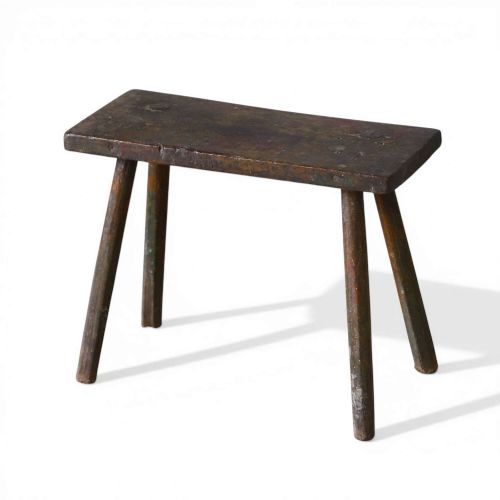
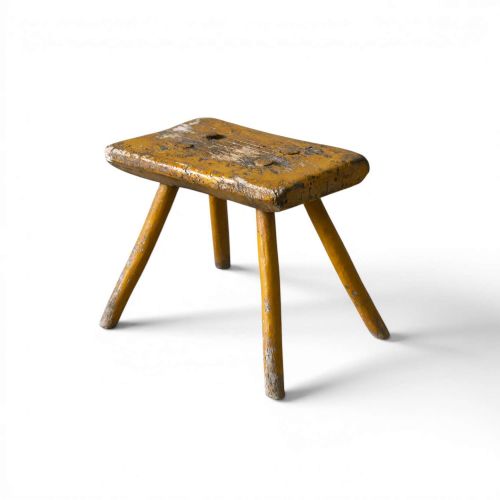
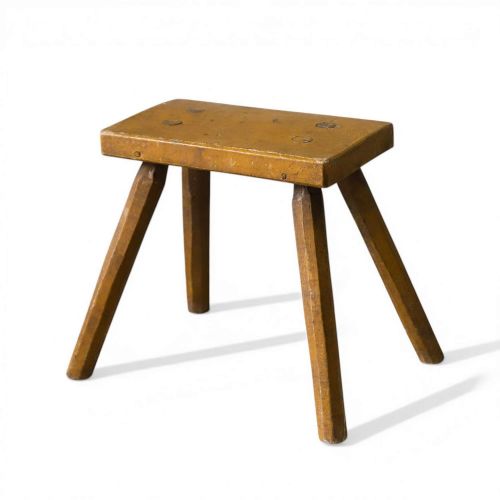
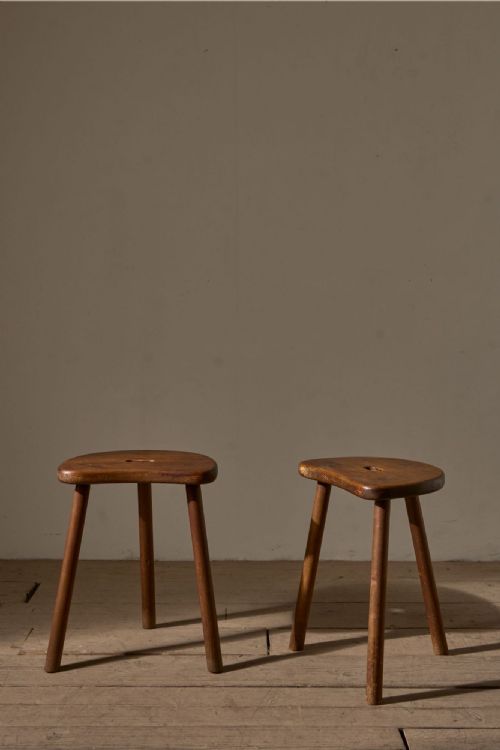


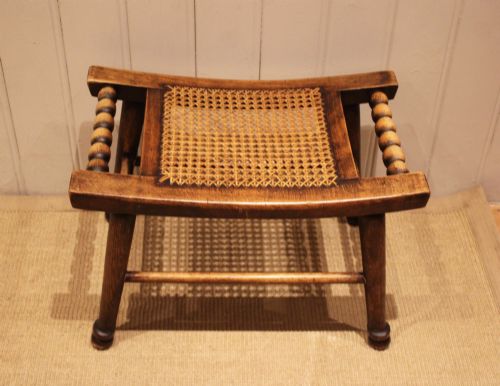
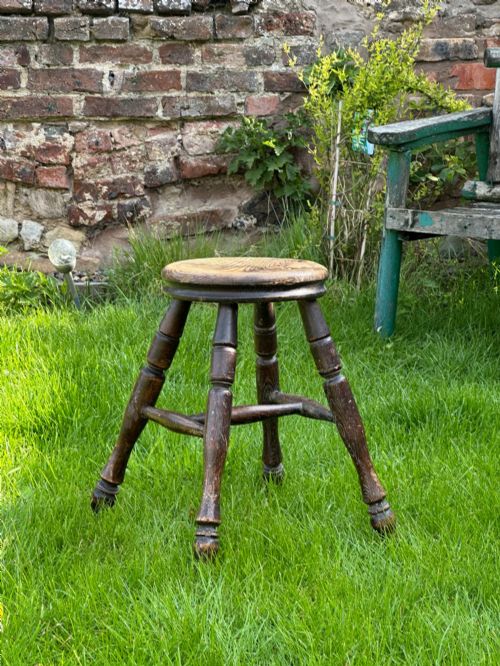
Vintage Rustic Footstool
A vintage rustic footstool brings tactile character to a room, offering honest vernacular woodwork shaped by generations of domestic use.
Vintage Rustic Footstool
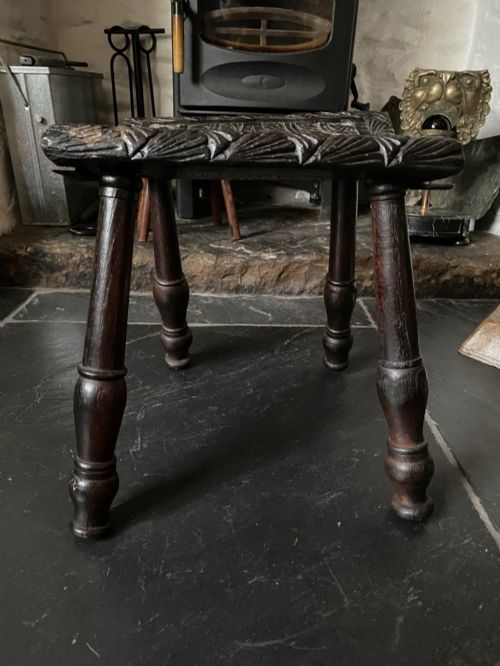
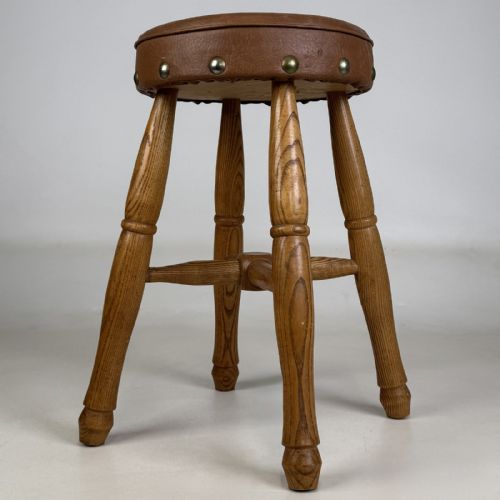
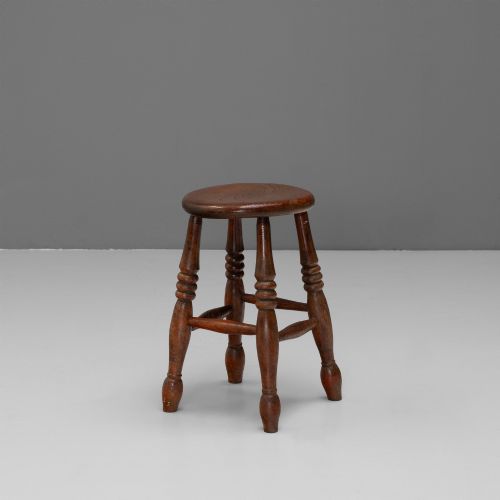
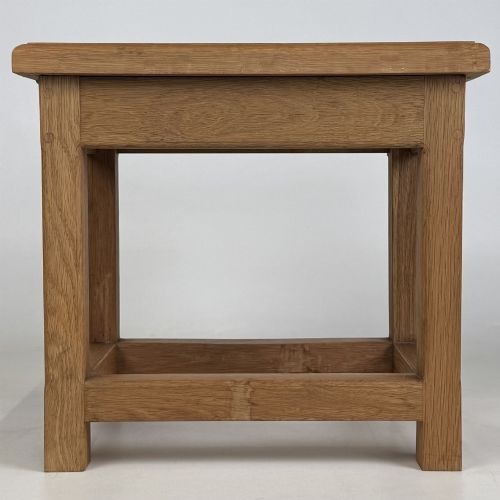
When you search for a vintage rustic footstool, you encounter practical low seating rooted in utilitarian history rather than formal parlour design. These items span periods from the eighteenth century through to the early twentieth century, taking forms such as milking stools, hearth stools, joint stools and small vernacular seats.
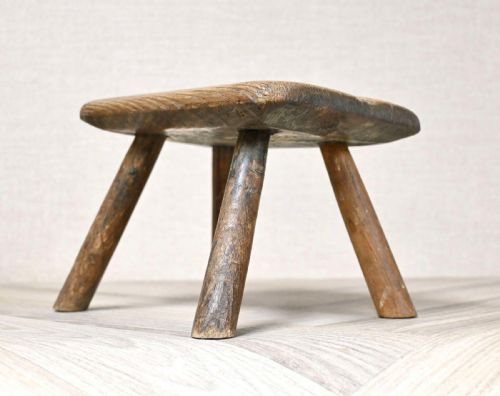
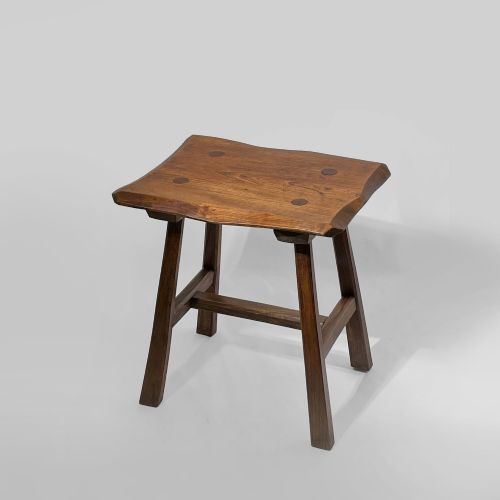
The pieces on this page are most commonly made from solid native timbers, reflecting regional workshops and everyday domestic requirements. You will find simple three-legged milking designs alongside sturdy four-legged oak or elm examples intended for fireside use.
The styling encompasses rustic farmhouse, Arts and Crafts, and Victorian country traditions. Such seats were made to be used hard, resulting in honest signs of age that define their current appeal.
How they were made
Maker construction relies heavily on solid hardwoods like oak, elm, beech and ash, paired frequently with softwoods such as pine. Carpenters and country bodgers selected timbers for strength and local availability, utilising durable pegged joints and turned legs.
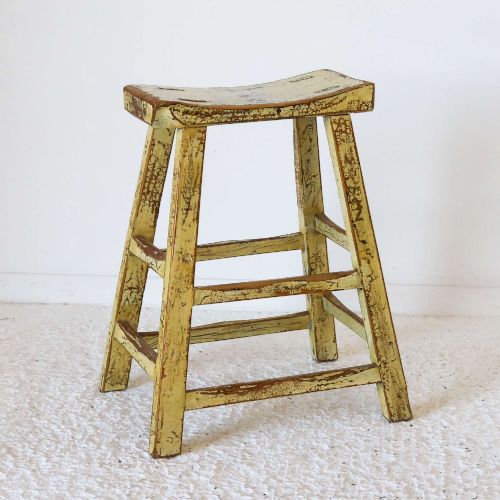
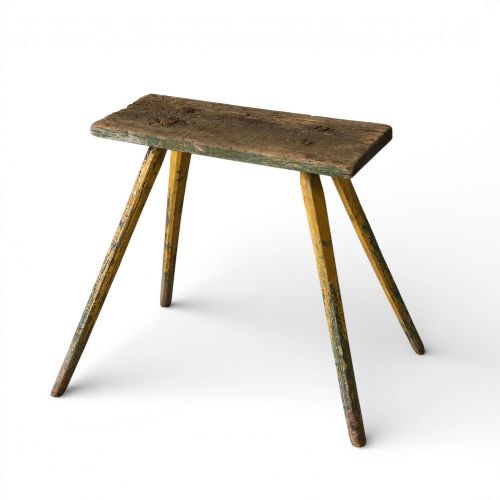
Surfaces often display original paint finishes, whether ochre, yellow, green or lacquered treatments, alongside scrubbed bare wood or traditional rush seating. Construction methods prioritized utility, employing pegged tenons, dovetails and simple saddle seats.
Vintage Rustic Footstool Retail Price Guide 2026
Typical asking prices for vintage rustic footstool among the pieces listed under this phrase on Sellingantiques today, from the lower quarter to the upper quarter. They describe what is for sale here now, not the wider market.
Listings feature periods spanning from the eighteenth century through to the Edwardian era and the 1950s.
What varies in quality
Quality in these vernacular pieces rests on the integrity of the timber and the proportion of the form. A well-proportioned stool with balanced turned legs and tight joints demonstrates superior making compared to clumsy utility items.
The survival of original surfaces, such as early paint layers or time-softened patina on bare elm and oak, distinguishes a superior example. Honest patination earned through decades of daily work holds far more merit than over-restored woodwork.
David Oakleafman Langstaff
The Vintage Rustic Footstool Glossary
- Joint stool
- A low wooden stool constructed with mortise and tenon joints secured by wooden pegs. These sturdy pieces date back centuries and served various domestic seating and table purposes.
- Milking stool
- A simple three-legged or four-legged low seat designed for use while milking animals. Their splayed legs provided stability on uneven farm floors.
- Rush seat
- A seating surface woven from dried marsh rushes or sedges. This traditional craft technique creates a durable, textured pad common in vernacular country chairs and stools.
- Windsor stool
- A seat featuring turned legs and spindles wedged directly into a thick solid timber seat. This traditional construction method ensures robust daily utility.
- Vernacular
- Everyday objects designed for practical local use rather than high-style academic design. These pieces prioritize function and local materials above contemporary fashion.
Vintage Rustic Footstool: Frequently Asked Questions
What is a vintage rustic footstool?
A vintage rustic footstool is a low, utilitarian wooden seat originating from farmhouses, cottages and workshops across the eighteenth, nineteenth and early twentieth centuries.
These pieces were built for practical domestic tasks like milking, fireside sitting or reaching high shelves, utilising local hardwoods and straightforward carpentry.
How were these stools originally used?
Country households utilised these low stools for daily chores, sitting beside the hearth, or resting tired feet after long labour. Their compact size made them easy to move around small rooms as needed.
Farm workers carried milking stools into pastures, while households kept hearth stools near the fire for warmth.
How do I live with a rustic stool?
These versatile wooden pieces suit modern interiors as occasional side tables, plant stands, or subtle low seats in a hallway or living room. Their neutral tones and aged textures complement both contemporary and traditional spaces.
Avoid placing antique rush or painted wood in damp environments or direct sunlight to preserve the historic finish.
How can I tell the age of a stool?
Dating relies on examining tool marks, timber shrinkage, construction methods like hand-cut pegs, and the presence of early paint or natural wear patinas. Georgian and eighteenth-century examples often show hand-adzed surfaces and deep timber softening.
Later nineteenth and twentieth-century versions display machine assistance or simpler vernacular turning patterns.