



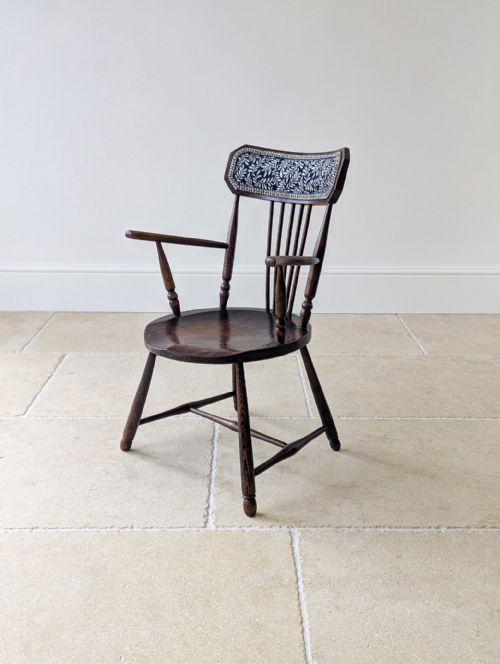
Victorian Country Chair
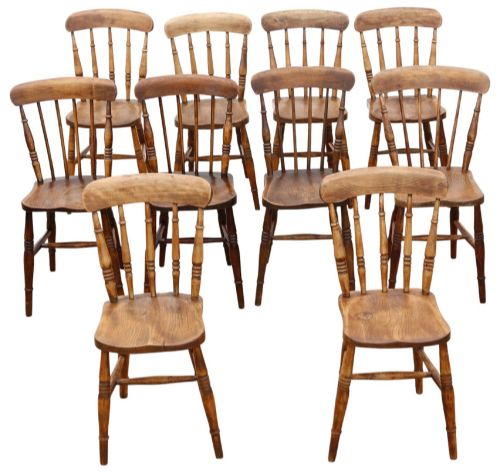
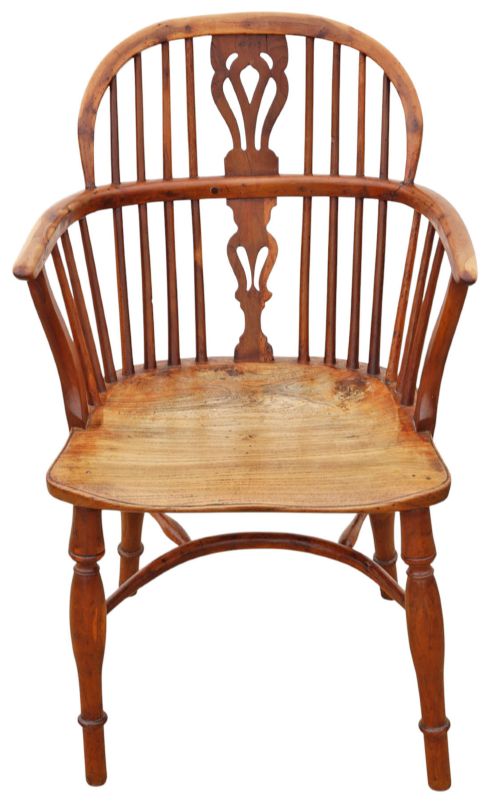
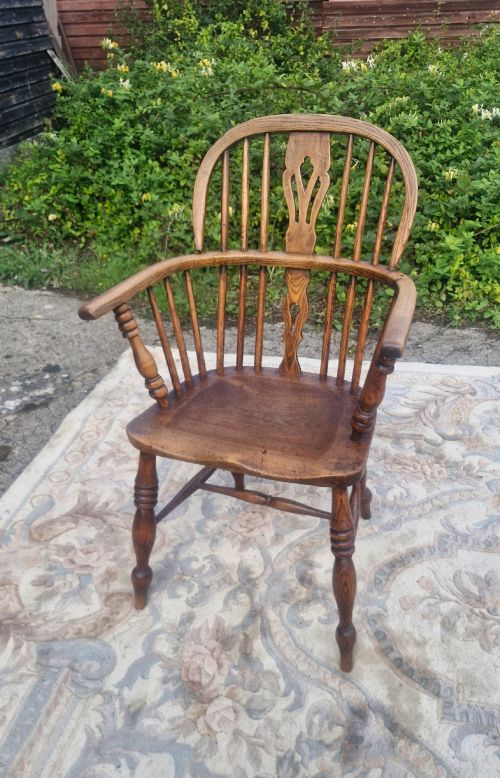
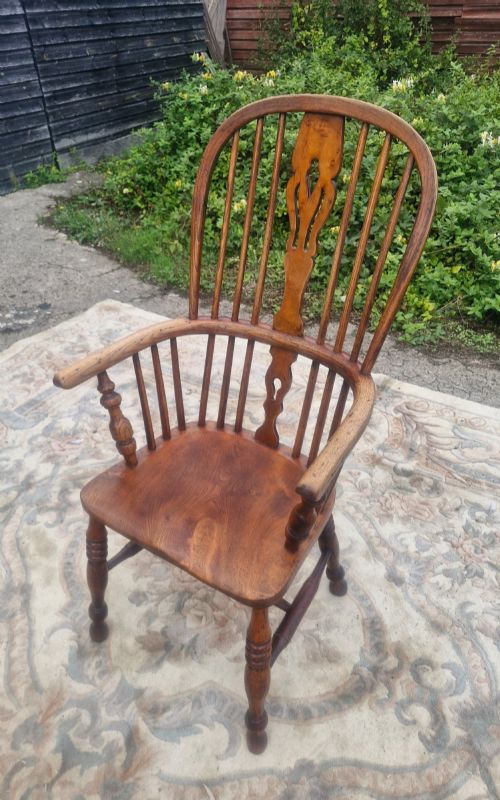
These Victorian country chairs range from Windsor armchairs to ladderbacks, offering sturdy vernacular seating built for daily use.
Victorian country chair
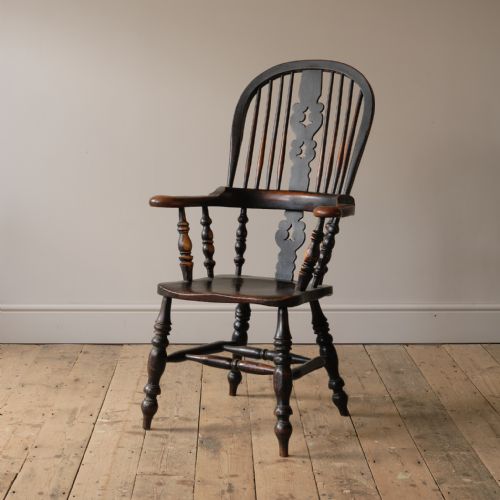
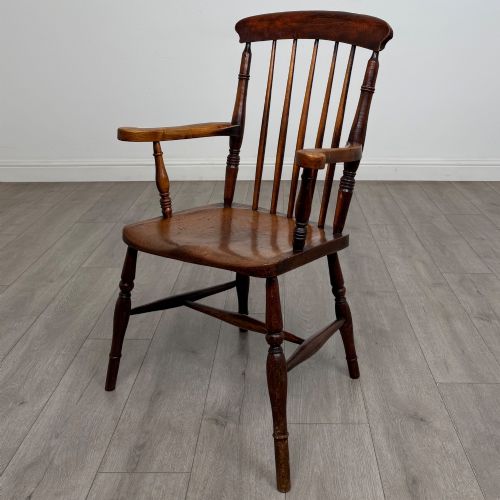
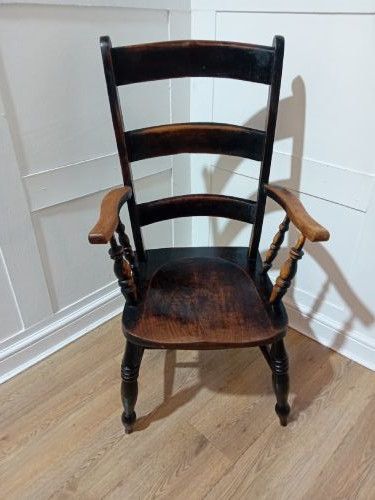
A victorian country chair meets you in many forms, from sturdy Windsor armchairs to ladderbacks and rush seat carvers. These pieces span the nineteenth century, including specific dates like eighteen fifty and nineteen twenty, reflecting both everyday domestic utility and comfortable country house seating.
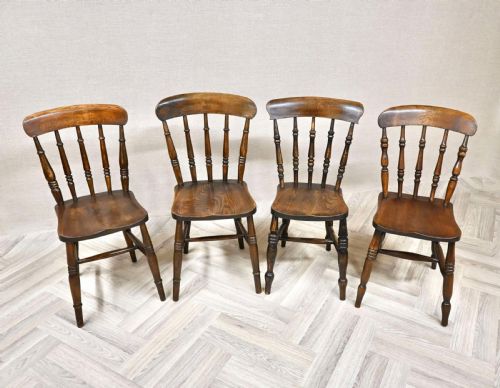
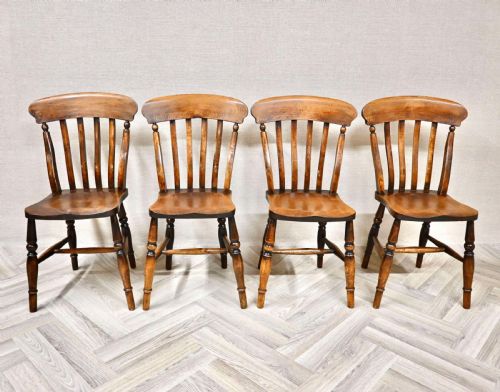
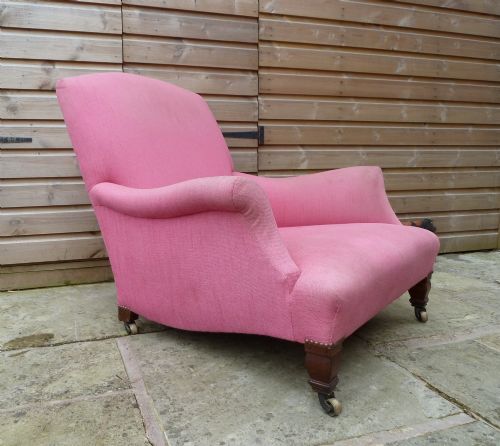
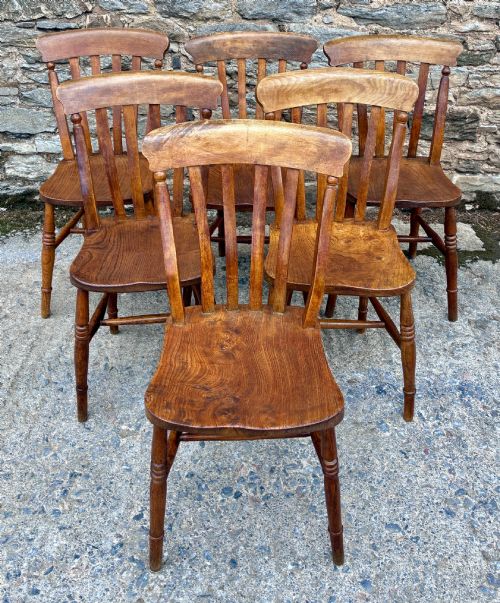
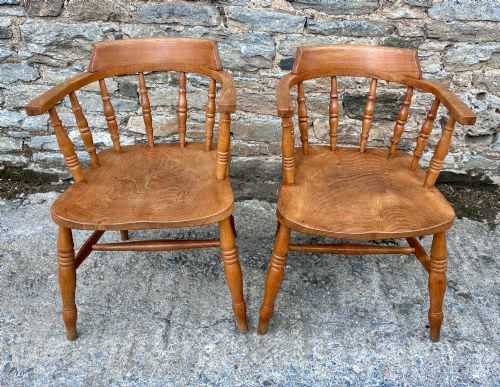
The selection on this page centres on sturdy seating built for kitchens, dining rooms, and libraries. You will find stick backs, smoker's bows, and low rocking chairs alongside deep seated upholstered armchairs in the manner of Gillows or Howard.
Materials and construction
Maker's workshops combined native timbers to handle structural stress, pairing elm seats with ash spindles and beech legs. Yew, fruitwood, oak, and walnut also appear, alongside rush and cane for woven seats.
Joinery relied on traditional methods suited to vernacular furniture, turning solid timber for legs and steam-bending wood for bows and spindles. Upholstered examples employed buttoned backs and heavy fabrics like kilim.
Retail Price Guide 2026
Typical UK retail prices for victorian country chair, calculated from the Sellingantiques database of over a million retail prices indexed since 2003. This retail price guide relies exclusively on Sellingantiques data; no external sources or auction records are used, so the figures do not describe the wider market.
Rocking chairs designed specifically for children bring miniature nineteenth century comfort to the hearth.
Qualities of construction
Quality rests in the choice of timber and the harmony of the turning, where well-figured elm seats and cleanly turned spindles distinguish better examples. Heavier framing and balanced proportions in Windsor bows separate standard kitchen seating from finer parlor pieces.
The integrity of the original construction, including tight joints and uncompromised timber, governs the standing of each piece. Retained surface patination and honest wear from decades of use add further weight to the better chairs.
Gillows·Sopwith·Howard
The Victorian Country Chair Glossary
- Windsor chair
- A wooden chair featuring a solid saddle-shaped seat into which the legs and back spindles are separately bored. This form dominates vernacular seating traditions.
- Smoker's bow
- A low-backed Windsor armchair with a continuous curved arm rail resting on short spindles. These comfortable seats often served in smoking rooms or farmhouse kitchens.
- Ladderback
- A chair style featuring horizontal slats between the rear upright posts. These traditional backs often supported rush or woven seats.
- Carver armchair
- An armchair designed to match a set of dining chairs, typically set at the head of the table. They share stylistic traits with the smaller side chairs.
- Rush seat
- A seating surface woven from dried marsh rushes around a wooden frame. This technique creates a resilient and flexible base.
Frequently Asked Questions
What defines a Windsor chair?
A Windsor chair uses a thick solid wooden seat that acts as the central anchor for all components. The legs are wedged underneath while the back spindles fit into bored holes from above.
This method creates a rigid and resilient frame without requiring complex joinery at the seat level.
Where were these chairs used?
These chairs served across various settings, from farmhouse kitchens and country house libraries to dining rooms and parlors. Everyday vernacular pieces handled heavy domestic tasks.
Upholstered armchairs and library chairs offered comfort in more formal spaces within larger country houses.
How do I care for rush seats?
Rush seats require a dry environment to prevent the natural fibres from dampening and weakening over time. Regular gentle dusting keeps debris from wearing between the woven strands.
Avoid applying liquid polishes or water directly onto the woven surface to maintain the material's structural integrity.
How are different wood types identified?
Elm displays a distinct intertwined grain pattern that makes it ideal for durable, cracking-resistant saddle seats. Ash and beech provide straight, strong grain suited for turned spindles and legs.
Darker woods like walnut and oak appear primarily in formal country house seating rather than basic kitchen chairs.