


Victorian Copper Kettle
These robust victorian copper kettle examples bring warmth and utility to a room, valued for their heavy metal construction and practical hearth history.
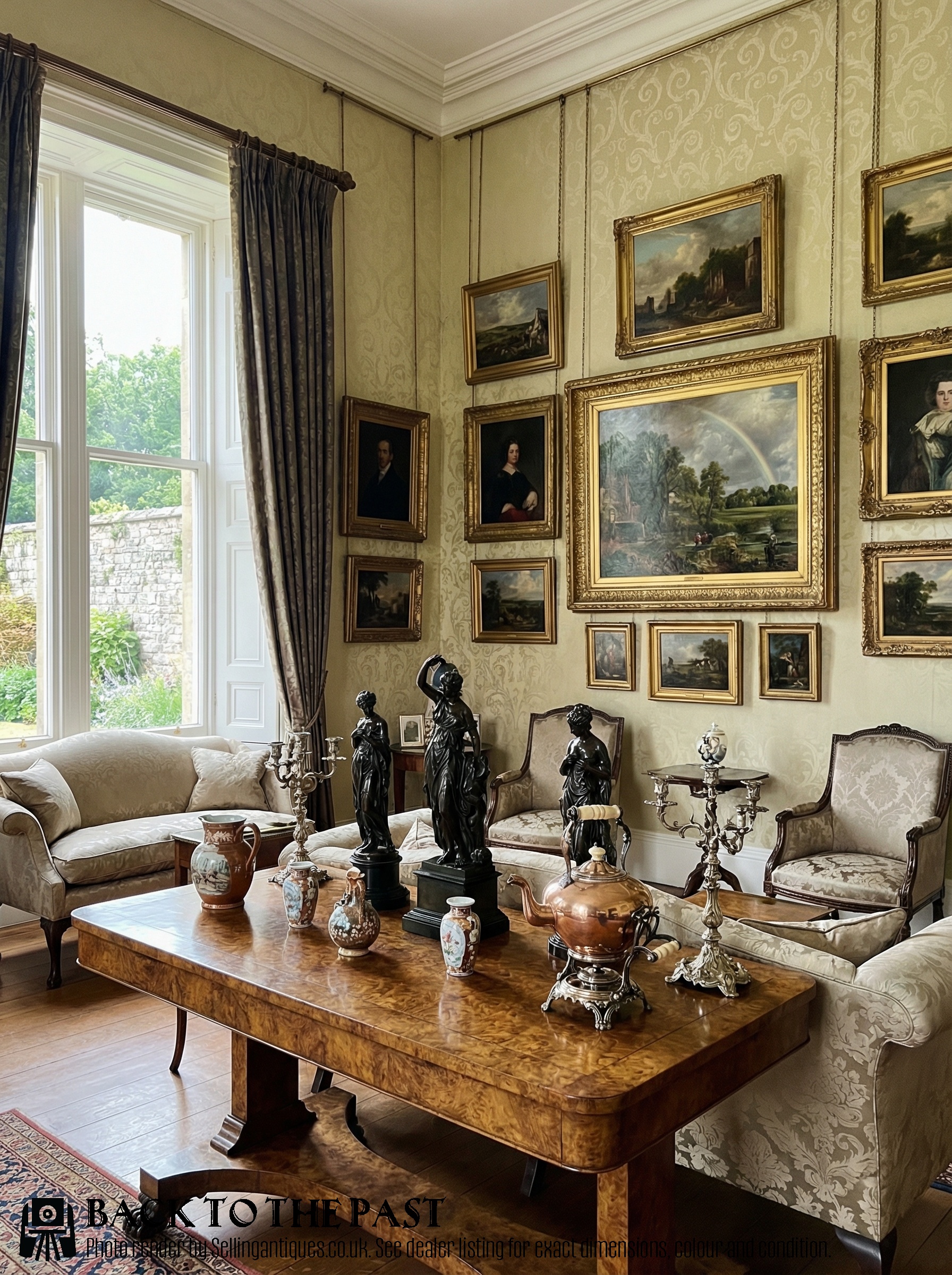
Victorian Copper Kettle
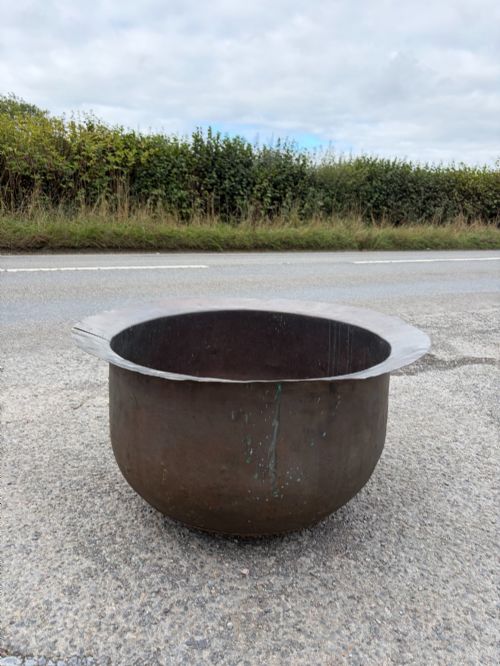
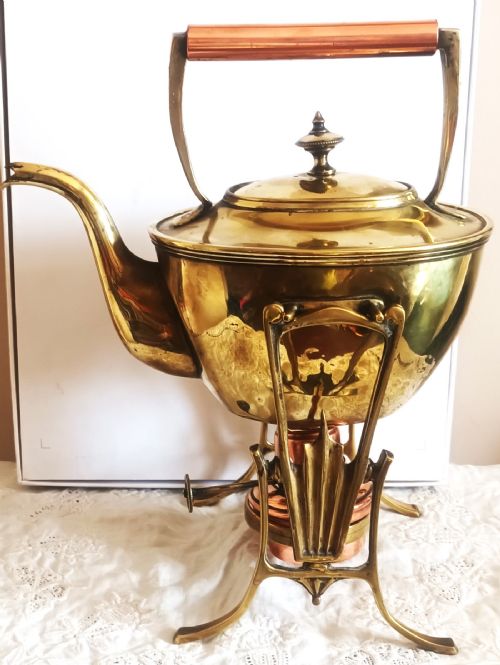
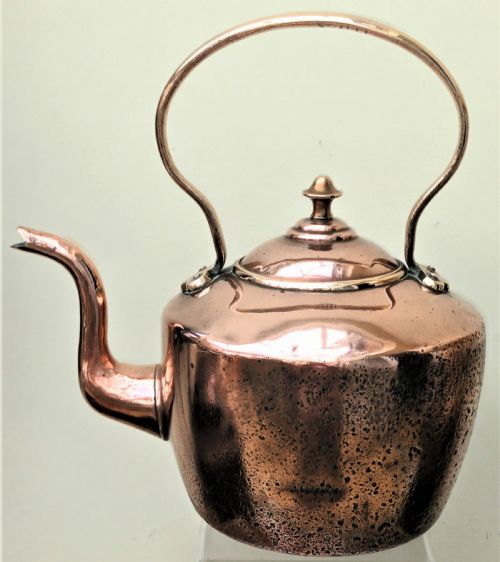
When searching for a victorian copper kettle, buyers encounter domestic vessels originating from the nineteenth century, including standard stove kettles, spirit kettles on stands, and large samovars. The standard domestic kettle dominates the selection, often accompanied by fish kettles and tea urns shaped during the Victorian period.
Makers and manufacturers produced these items in various forms, ranging from simple kitchen teakettles to elaborate hanging varieties and oval shapes. Examples span decades from the mid-nineteenth century through to eighteen ninety, reflecting the changing domestic habits of the era.
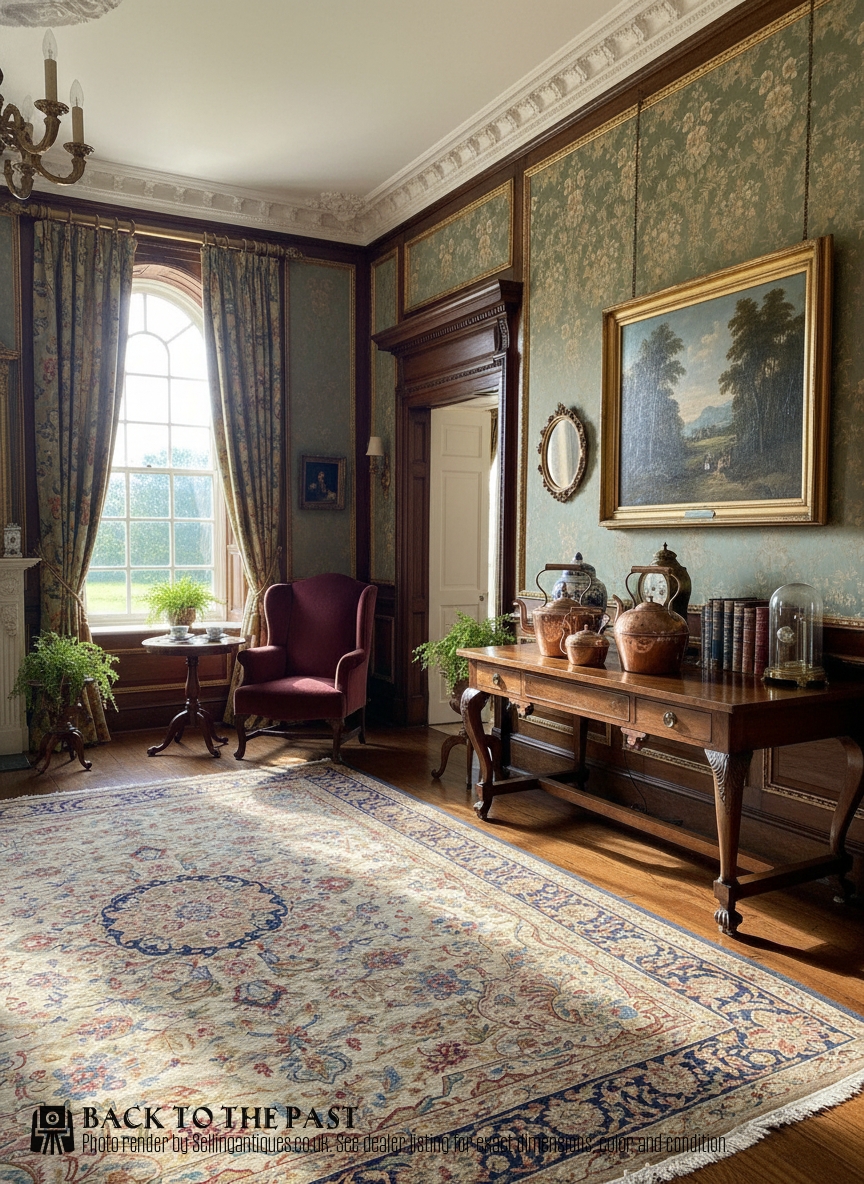
How they were made
The primary material is copper, frequently combined with brass for handles, taps, and stands. Additional elements include wood, tin linings, bone insulators, wrought iron, and ebonised wood.
Construction techniques involve forming the metal bodies, often utilising fishtail joints or seams. Handles and finials incorporate contrasting metals or amber glass, mounted securely to the main vessel.
Victorian Copper Kettle Retail Price Guide 2026
Typical asking prices for victorian copper kettle among the pieces listed under this phrase on Sellingantiques today, from the lower quarter to the upper quarter. They describe what is for sale here now, not the wider market.
Materials recorded on this site include copper, brass, wood, tin, bone, wrought iron, and ebonised wood alongside amber glass.
What varies in quality
Quality rests upon the weight of the metal and the integrity of the construction, such as neatly executed joints and the retention of original stands. Finer specimens display balanced proportions and robust handles made from brass, wood, or amber glass.
Makers such as William Soutter and Sons mark the upper tier with signed brass and copper spirit kettles. Simpler utility vessels show heavier wear, while pieces from the Arts and Crafts style introduce unusual hanging designs.
William Soutter and Sons
The Victorian Copper Kettle Glossary
- Spirit kettle
- A kettle mounted on a metal stand with a small burner beneath to keep water warm at the table. This setup allowed tea service away from the main stove.
- Samovar
- A large heated metal urn used to boil and heat water for tea. These containers often feature spigots and intricate brass fittings.
- Fish kettle
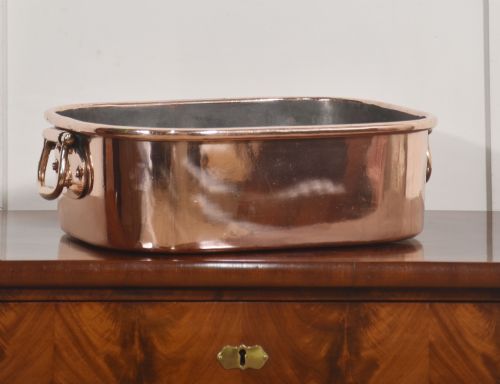
- An elongated metal vessel designed specifically for poaching fish whole. They frequently find a second life as planters.
- Fishtail joint
- A specific method of joining metal panels together securely. It provides both structural strength and a distinct visual line.
- Finial
- A decorative knob or ornament placed on top of a lid. They are often cast in brass or shaped from matching metal.
Victorian Copper Kettle: Frequently Asked Questions
Can I boil water in them?
Many surviving pieces retain their tin linings and structural integrity for heating water. Spirit kettles on stands are designed for tabletop warming using burners.
Evaluate the interior condition before applying direct heat to any vintage vessel. Modern stove use requires caution with soldered joints and older metals.
What is a spirit kettle?
A spirit kettle is a portable vessel mounted on a metal frame above a small fuel burner. This arrangement kept water hot during formal tea gatherings.
These setups often include matching stands and removable lamps. They represent a more elaborate form of nineteenth-century tea service.
Why do some have stands?
Stands elevated the vessel above a heat source or protected tabletops from hot metal bases. They allowed safe operation during social gatherings away from the kitchen hearth.
Many of these elevated pieces incorporate spirit burners for continuous heating. The presence of an original stand adds significant interest to the item.