
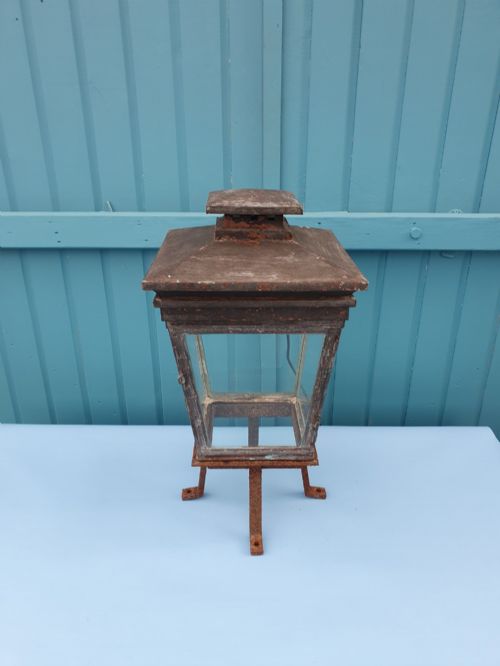


Victorian Converted Lamp
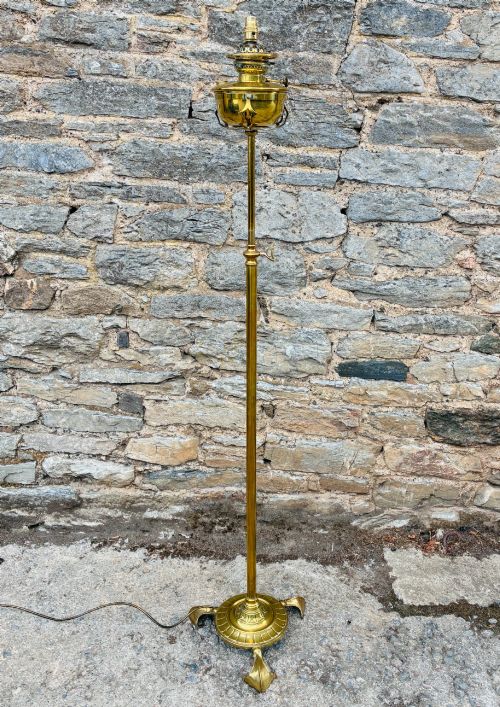
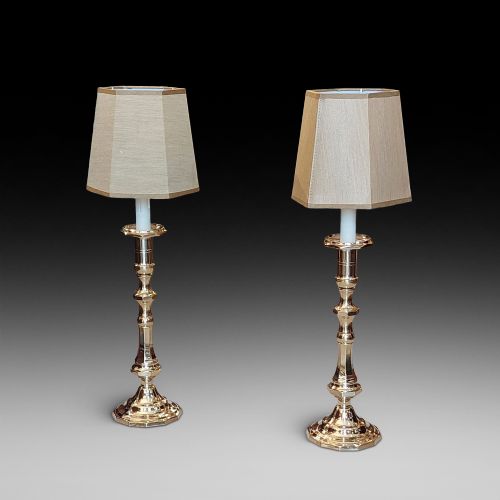
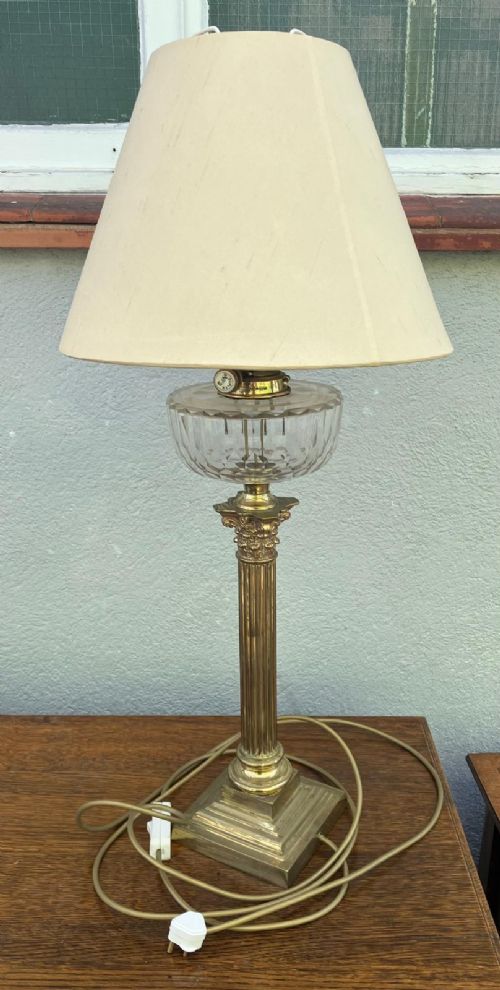
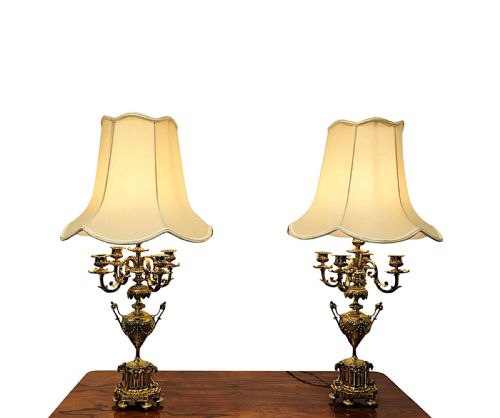
These pieces are a victorian converted lamp, created when older oil or gas fittings are adapted for modern electrical use.
Victorian Converted Lamp
A victorian converted lamp takes historical lighting and alters it for contemporary interiors. These pieces bridge past utility and present function.
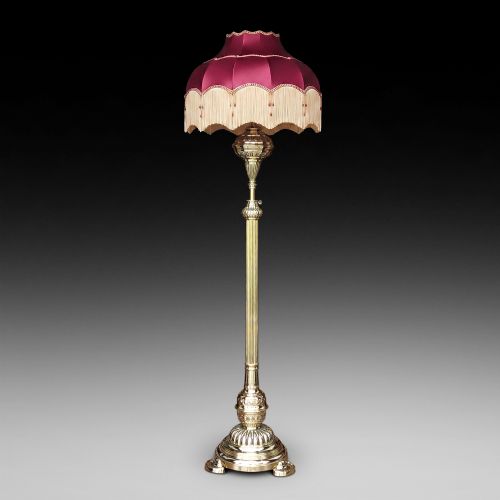
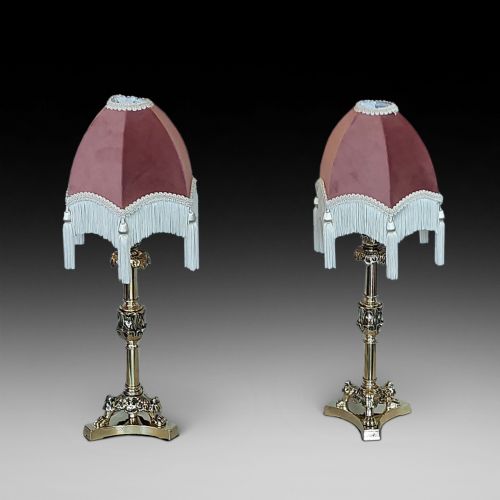
The version most commonly met on this page is a table lamp adapted from nineteenth-century oil burners or candlesticks. Floor-standing standard lamps and wall sconces also appear regularly.
Makers utilised brass, bronze, copper, and glass to construct the original bodies. The nineteenth-century periods and Victorian eras dominate the available forms.
How they were made
Makers constructed these objects using heavy cast brass, spun copper, and moulded glass. Telescopic mechanisms and adjustable standards allowed height changes in oil-burning days.
Artisans combined metalwork with ceramics, porcelain, and opaline glass to form the bodies. Burners by makers such as Hinks were fitted to reservoirs before later electrification.
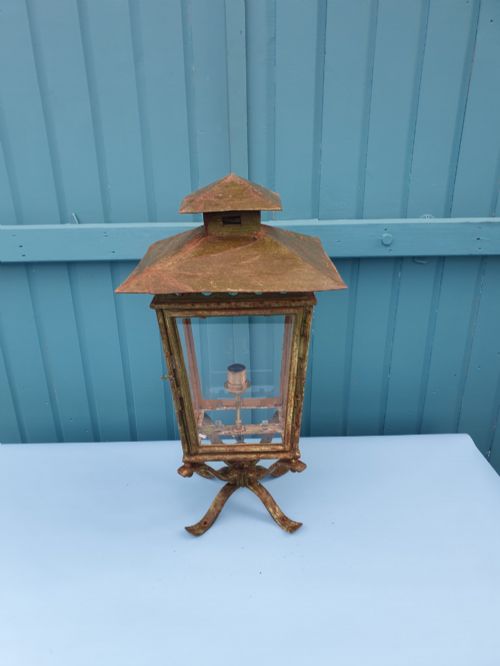
Lanterns and wall-mounted pieces incorporated iron and painted tin. Gas fittings were adapted alongside paraffin and oil reservoirs during later conversions.
Listings feature nineteen-century materials including brass, bronze, copper, porcelain, iron, and opaline glass across table, floor, and wall forms.
What varies in quality
Quality rests in the weight of the metal casting and the crispness of classical detailing, such as Corinthian column capitals. Substantial gauge brass and lead crystal retain better proportion.
The refinement of the conversion work affects the overall integrity. Retaining original burners, fonts, and mounting hardware preserves the historical character of the piece.
Artistry in associated materials, whether hand-painted porcelain or layered glass such as cranberry and milk glass, separates standard production from finer examples.
Hinks of B'ham·Royal Doulton·Osler
The Victorian Converted Lamp Glossary
- Duplex burner
- A double-wick oil burner mechanism popular in nineteenth-century lamps. It provided a brighter flame than single-wick designs.
- Telescopic
- An extendable shaft allowing the lamp height to be adjusted. These mechanisms often utilise internal spring or screw fittings.
- Font
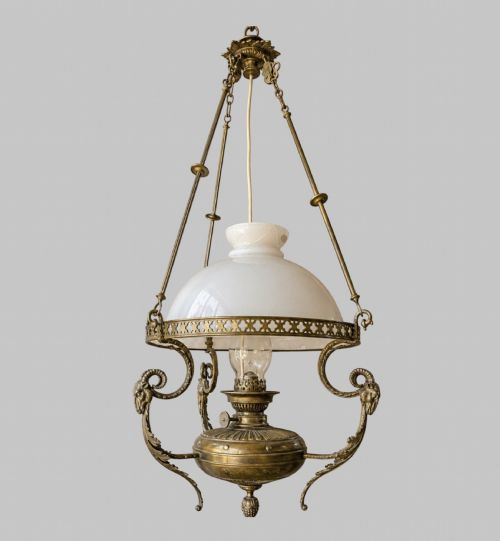
- The reservoir container that held oil or paraffin above the base. In conversions, this part houses the electrical wiring.
- Corinthian column
- A classical architectural order featuring ornate acanthus leaves on the capital. This style frequently appeared on tall brass standard lamps.
- Gasolier
- A multi-burner ceiling light originally designed for gas lighting. Surviving examples are often converted to electricity for modern suspension.
Victorian Converted Lamp: Frequently Asked Questions
What is a victorian converted lamp?
A victorian converted lamp is an original nineteenth-century lighting fixture, such as an oil lamp, gas lantern, or candlestick, that has been wired for electricity.
These pieces retain their original nineteenth-century bases, fonts, and columns while incorporating modern internal wiring to suit contemporary homes.
How are oil lamps converted to electricity?
Conversion typically involves routing electrical flex through the existing burner assembly or central column without destroying the antique housing.
Many conversions preserve the original Hinks burners and collars, allowing the exterior to maintain its historical appearance.
Are these lamps safe for daily use?
Most pieces found on the market are professionally rewired and tested to meet modern electrical standards before sale.
It remains wise to check the wiring age and consult an electrician if any historic components require stabilization.
What styles do these lamps come in?
The inventory spans Victorian, Gothic Revival, Art Nouveau, and Neoclassical styles, reflecting nineteenth-century design trends.
Materials range from polished brass and bronze to moulded glass, porcelain, and painted iron.