
Victorian Column Lamp
A victorian column lamp brings classical proportion and substantial metalwork into a room, offering both period character and warm, ambient illumination.
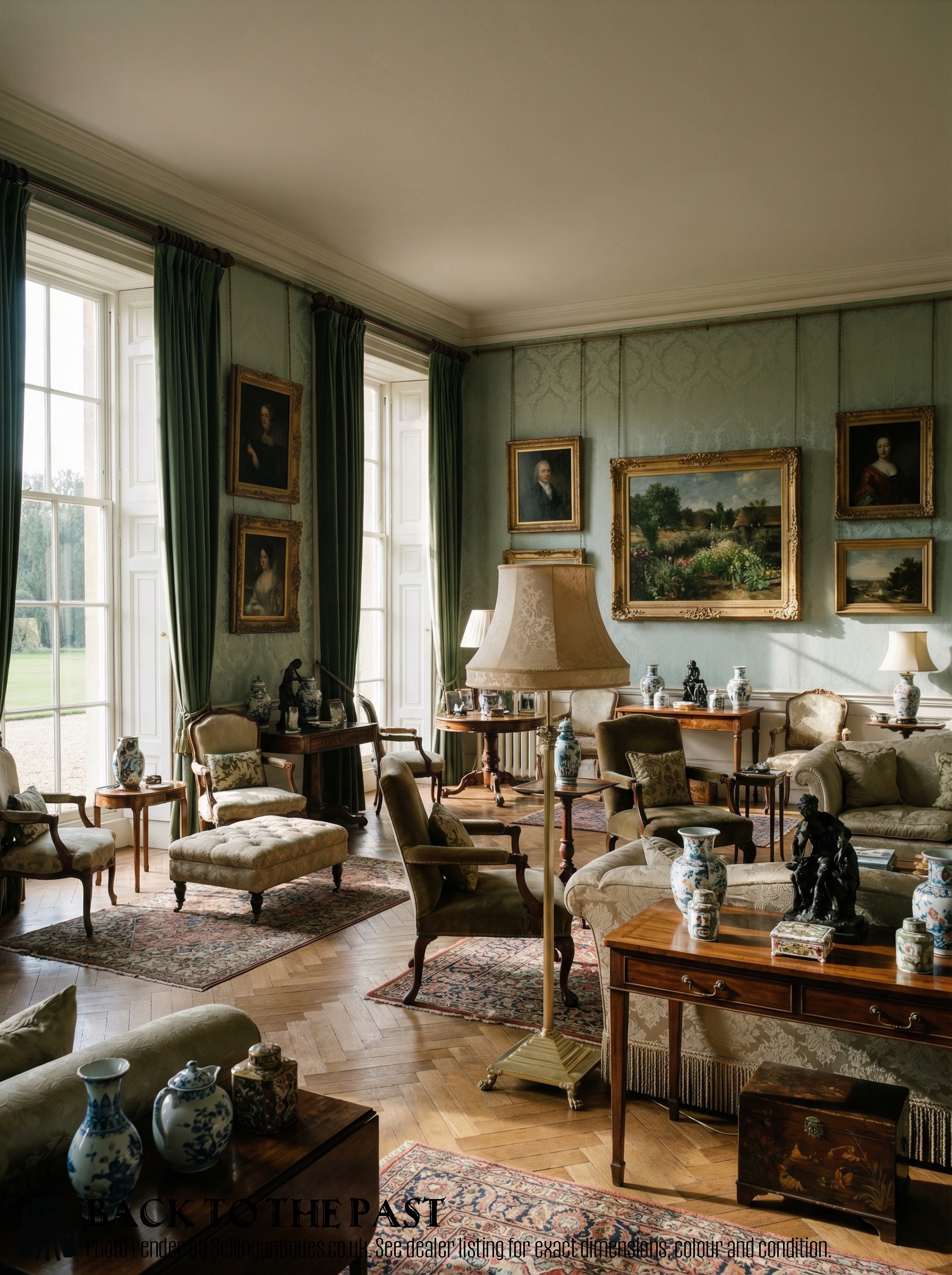
Victorian Column Lamp
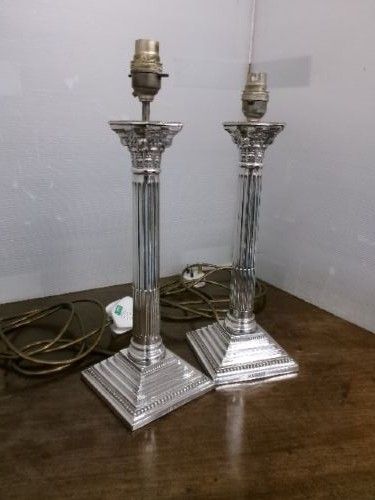
When searching for a victorian column lamp, buyers encounter lighting fixtures originating primarily from the nineteenth century, spanning table models and taller standard floor lamps. These pieces draw heavily on architectural precedents, translating stone temple columns into domestic metalwork and ceramics.
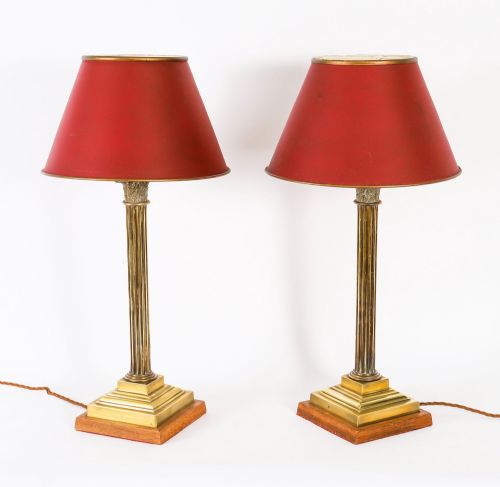
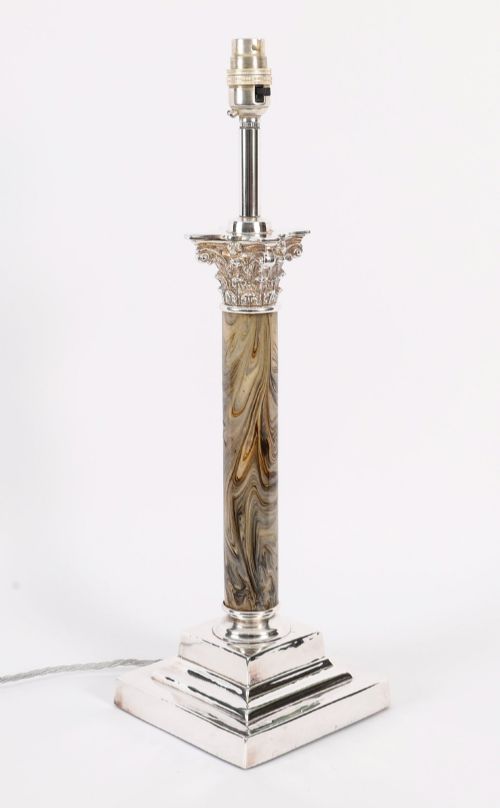
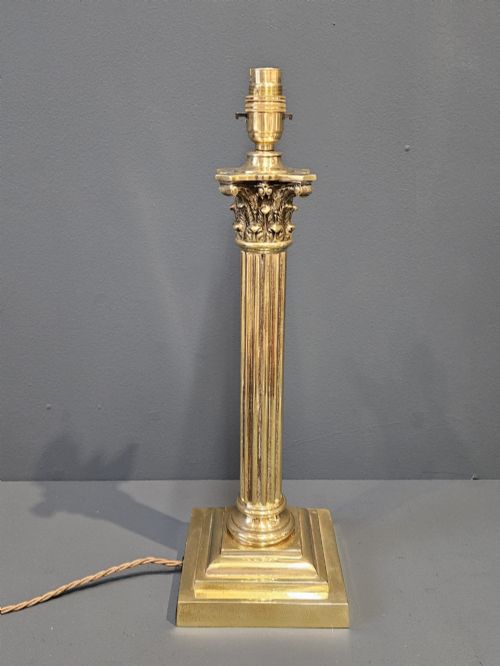
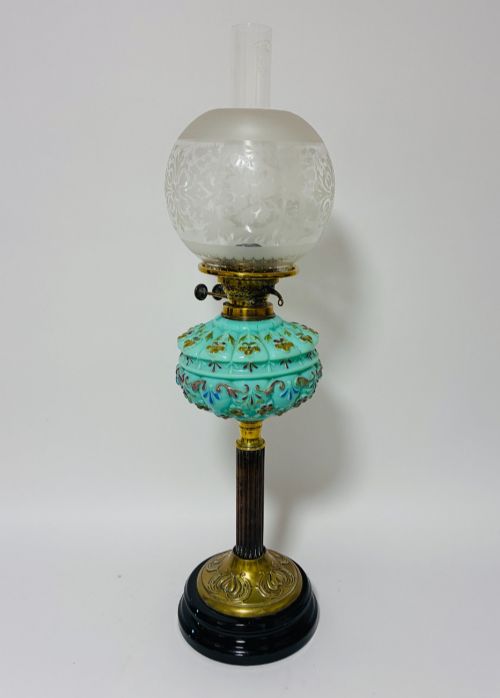
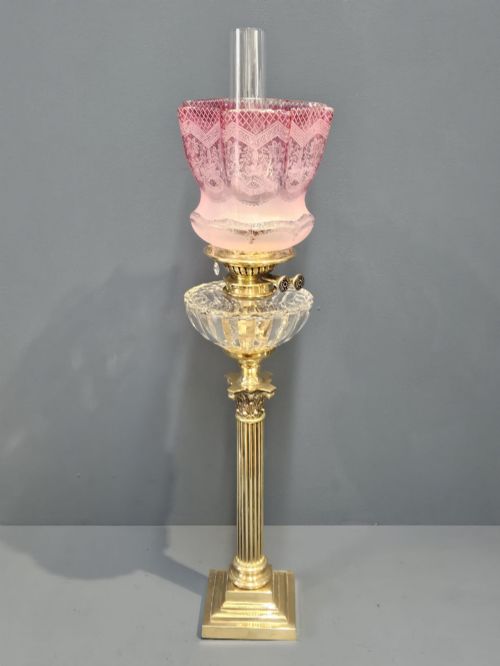
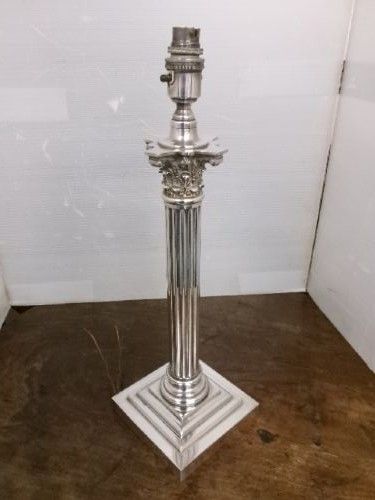
The most common variations on this page combine a cast brass or silver plated shaft with a stepped square base, frequently adopting the classical Corinthian order with detailed acanthus leaf capitals. Many of these examples began life as oil lamps before later conversion to electricity, retaining functional elements such as burner assemblies or reservoirs.
Alongside metal table models, the selection includes standard floor lamps and pieces incorporating ceramic or glass components, such as opaline glass and cranberry shades. The grouping also reflects the broader stylistic vocabulary of the period, incorporating Gothic and neoclassical revival details alongside standard classical forms.
What Varies in Quality
Quality in these pieces is dictated by the crispness of the casting and the weight of the metal utilised in the construction. Finer examples display deeply undercut acanthus leaves on the capitals and heavy, stable bases that prevent tipping, whereas simpler versions rely on shallow stampings and lighter gauge brass.
The standard of finishing marks the difference between standard production and superior workshop output, evident in the uniformity of silver plating and the presence of maker signatures on mechanisms. Integrated details such as ceramic reservoirs, hand-etched glass shades, and structural innovations like adjustable brass columns further elevate the standing of individual pieces.
Victorian Column Lamp Retail Price Guide 2026
Typical asking prices for victorian column lamp among the pieces listed under this phrase on Sellingantiques today, from the lower quarter to the upper quarter. They describe what is for sale here now, not the wider market.
Several examples feature cranberry glass shades etched with cheerful winter snow scenes, ensuring a warm seasonal glow regardless of the weather.
Hinks & Sons·Mc Gary
The Victorian Column Lamp Glossary
- Corinthian Column
- A classical architectural order characterised by slender fluted shafts and ornate capitals decorated with rows of acanthus leaves. This style was frequently adapted for nineteenth-century oil lamps and lighting standards.
- Duplex Burner
- A double-wick burner mechanism popular on nineteenth-century oil lamps designed to provide increased illumination. These burners often bear manufacturer stamps on the thumb wheels.
- Opaline Glass
- An opaque or translucent white glass used for lamp bodies and shades during the Victorian period. It frequently serves as a contrasting backdrop for hand-painted or gilt decoration.
- Silver Plate
- A manufacturing process where a thin layer of silver is bonded to a base metal, typically brass or copper. This technique offered the visual appeal of solid silver at a lower production cost.
- Standard Lamp
- A term historically used in British interiors to describe a tall floor-standing lamp. These fixtures often featured adjustable brass columns to vary the height of the light source.
Victorian Column Lamp: Frequently Asked Questions
Were these originally electric?
The majority of nineteenth-century examples were manufactured to burn paraffin oil using sophisticated brass burner assemblies before being converted to electrical wiring in the twentieth century.
Retaining original burner components or reservoirs is common, though modern wiring and safety testing are necessary for contemporary domestic use.
What is silver plated brass?
Silver plated brass combines a durable base metal core with an outer layer of applied silver, providing a bright reflective surface that mimics solid silver construction.
Over decades of handling and cleaning, the underlying brass may occasionally show through the high points of the plating, indicating genuine age.
Where should I place a standard lamp?
Standard floor lamps were traditionally positioned beside reading chairs or in room corners to provide ambient height and targeted downward illumination.
Their substantial weight and classical proportions make them suited to traditional drawing rooms, studies, or hallways alongside period furniture.