
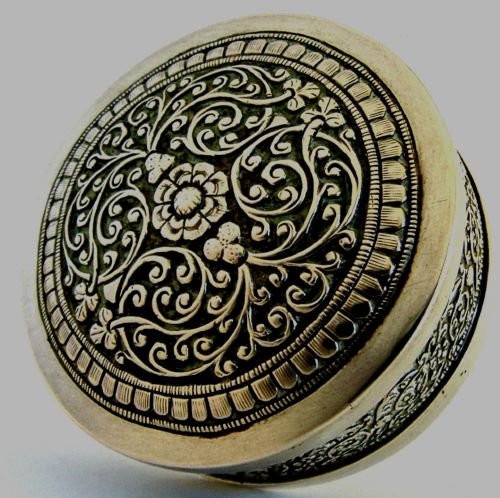
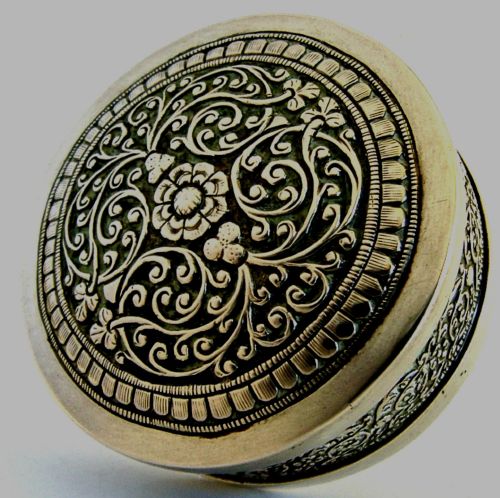
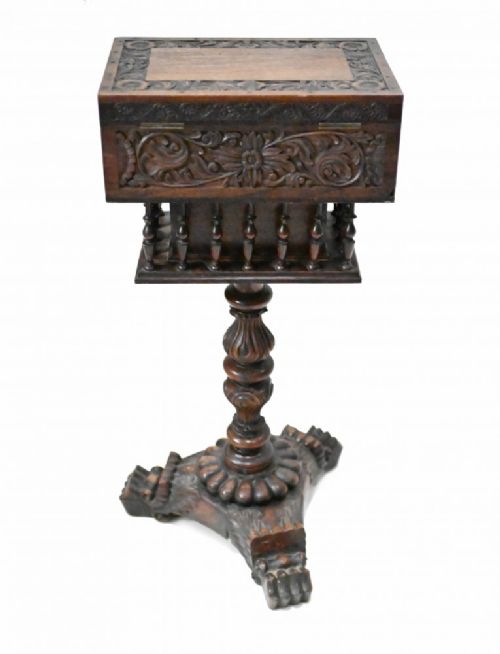


Victorian Colonial Carved Box
These pieces known as victorian colonial carved box items bring intricate craftsmanship and rich timber into the home.
Victorian Colonial Carved Box
Makers shaped these items for officials and travellers operating across South Asia, leading to portable desks and caskets intended for both utility and display. The regional styles bridge British domestic forms with local carving expertise and indigenous materials.
The selection ranges from small desk accessories to substantial chests and trunks in hardwoods, reflecting the varied requirements of colonial households. Each piece demonstrates how cross-cultural exchange influenced nineteenth-century domestic furnishings.
How they were made
Artisans constructed these boxes using dense tropical timbers such as ebony, teak, sandalwood, padouk, and coromandel, often framing the bodies with solid sections or applying decorative veneers. Many examples incorporate brass banding, escutcheons, and corner brackets to reinforce the joints and protect the edges during transport.
Surface ornamentation relies on deep relief carving, pierced work, and micro-mosaic inlay techniques like sadeli work, utilising contrasting materials including bone, horn, ivory, porcupine quill, and tortoiseshell. Interiors frequently feature fitted compartments, secret drawers, and velvet or leather writing surfaces arranged for daily clerical use.
Listings feature nineteenth-century nineteenth-century objects incorporating materials such as brass, ebony, bone, teak, sandalwood, and lacquer across Anglo-Indian styles.
What varies in quality
The standard of a victorian colonial carved box rests upon the crispness of the chisel work and the density of the carved motifs covering the exterior surfaces. Pieces featuring intricate, deep undercut foliage display higher skill than those with shallow, uniform stamping.
Internal arrangement and the survival of original fitted compartments dictate desirability among collectors, alongside the complexity of secondary materials like porcupine quill or bone inlay. The integrity of the timber joints and the retention of working brass locks further separate standard examples from finer specimens.
The Victorian Colonial Carved Box Glossary
- Anglo-Indian
- A descriptive term for decorative objects and furniture made in India by local craftsmen for British residents during the colonial period. These pieces combine Western utility forms with traditional Eastern ornamentation.
- Writing Slope
- A portable desk featuring a slanted lid that opens to reveal a flat surface for writing, alongside compartments for inkwells and pens. They were essential travelling accessories for administrators and merchants.
- Sadeli Work
- A micro-mosaic technique practised in Western India, creating geometric patterns using minute triangles of horn, bone, ivory, and metal. Artisans sliced these assembled rods into thin veneers to decorate boxes.
- Vizagapatam
- A coastal city in India known for luxury boxes and workboxes veneered in ivory and tortoise-shell. The workshops produced distinct items for the export market using sandalwood carcasses.
- Coromandel
- A heavy, dark Southeast Asian timber featuring dramatic dark brown and black grain patterns. Cabinetmakers favoured it for luxury boxes due to its rich colour and ability to take a sharp polish.
Victorian Colonial Carved Box: Frequently Asked Questions
What were writing slopes used for?
These portable desks provided a stable angled surface for writing letters while travelling or sitting away from a standard table. They included internal wells for ink, slots for blotting paper, and hidden compartments for private documents.
Owners locked the wooden lid to secure stationery and valuables when moving between locations. The fitted interior kept necessary writing implements organised in domestic or administrative settings.
How do I identify Anglo-Indian boxes?
Look for dense tropical hardwoods carved with intricate floral and scroll motifs that reflect South Asian craftsmanship. The construction often pairs British forms like tea caddies or slope desks with indigenous decorative techniques.
Materials such as porcupine quill, sandalwood, and bone inlay point directly to regional workshops. Brass mounts and campaign-style handles frequently appear on the larger trunks and chests.
What is sadeli work?
Sadeli work is a complex micro-mosaic technique involving geometric patterns built from tiny slips of horn, bone, and metal. Craftsmen bound these materials together into rods and sliced them into thin tiles for box surfaces.
This painstaking method creates intricate borders and panels on nineteenth-century trinket boxes. The resulting geometric bands contrast with the surrounding dark ebony or sandalwood frames.
How should I clean my box?
Dust the carved surfaces gently with a soft, dry brush to prevent dirt accumulation within the deep recesses. Avoid using liquid polishes or modern chemical cleaners that might damage vulnerable ivory, bone, or quill elements.
Maintain a stable room environment away from direct sunlight and excessive humidity to protect the tropical timbers. Natural wax applied sparingly preserves the finish of dense woods like ebony and teak.