


Antique Carved Box
An antique carved box brings centuries of texture and utility into a room, spanning everything from small tabletop snuff boxes to large oak coffers.
Antique Carved Box
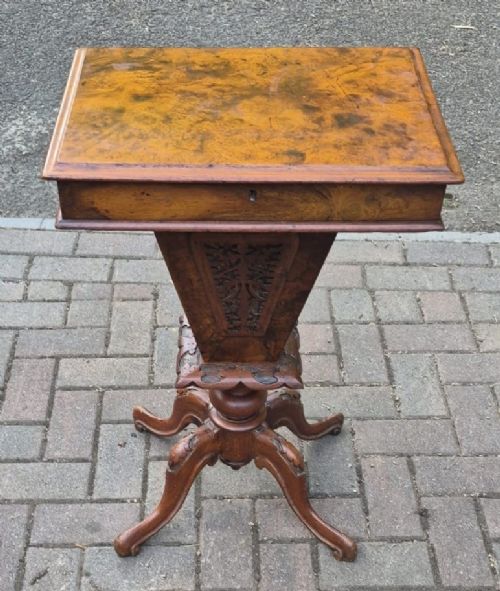
When you search for an antique carved box, you encounter a remarkably diverse group of objects designed for storage, display, and personal use. The selection ranges from diminutive pocket-sized treen and silver pieces to heavy timber coffers, blanket chests, and specialised sewing tables.
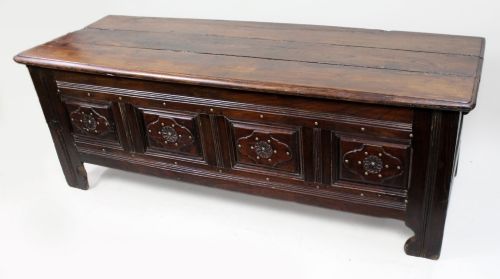
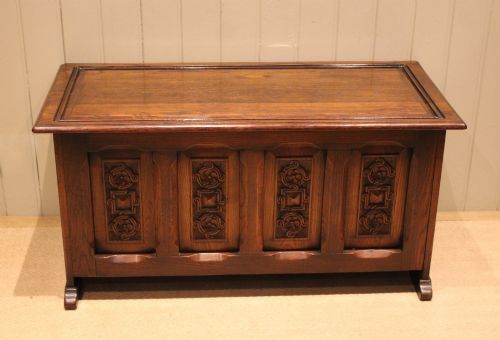
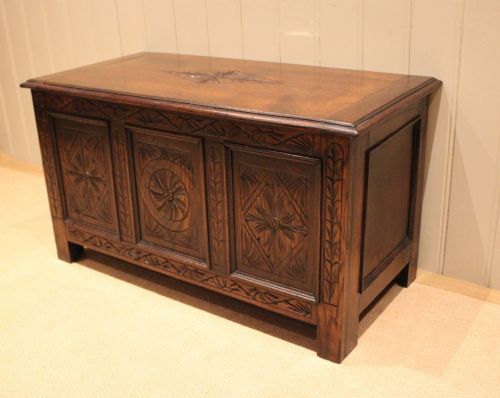
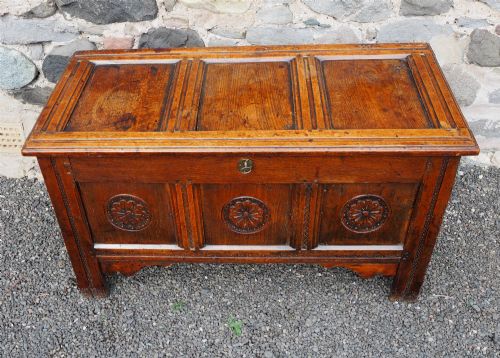
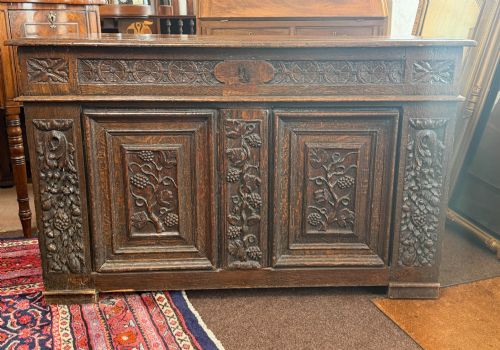
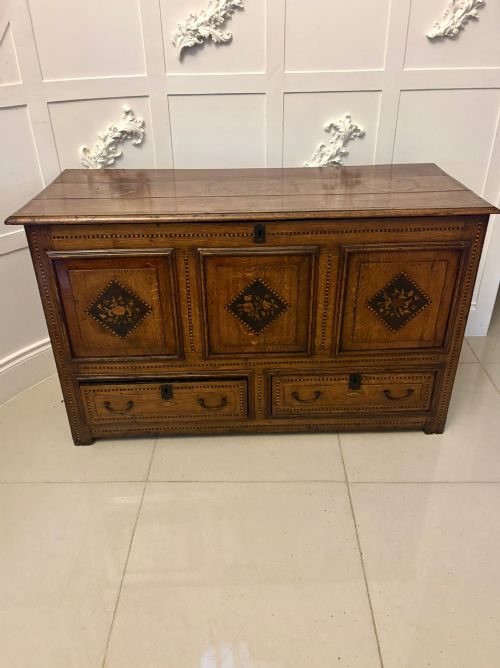
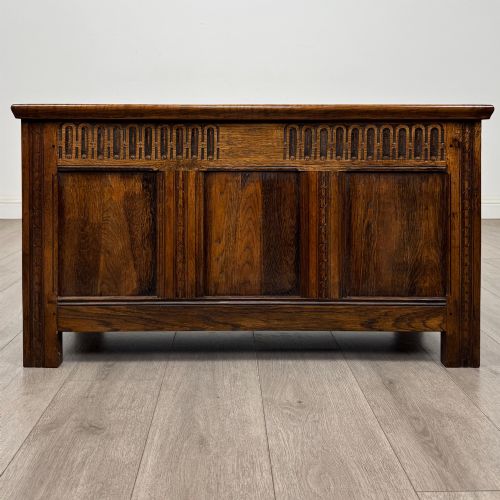
By far the most common version you meet on this page is the oak coffer or chest dating from the seventeenth or eighteenth century. These larger storage pieces feature relief carving along the front panels, reflecting regional vernacular styles and domestic utility.
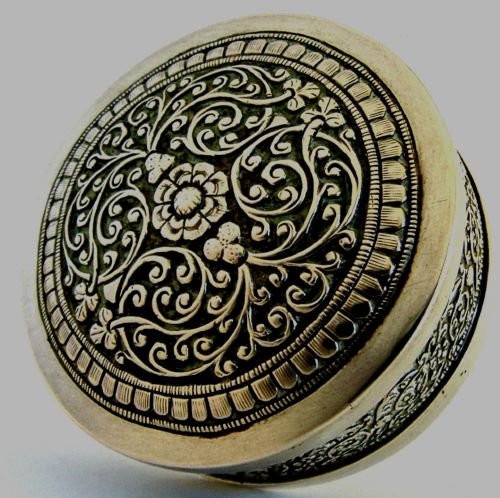
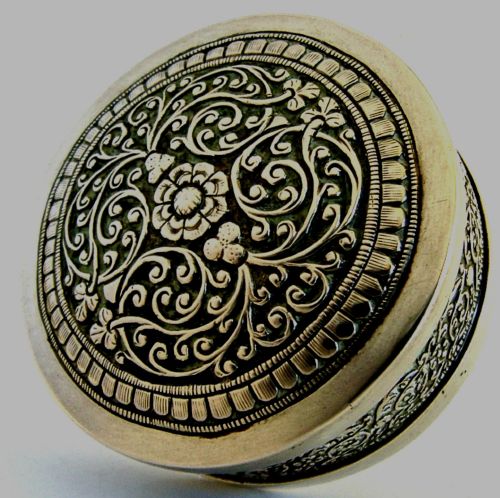
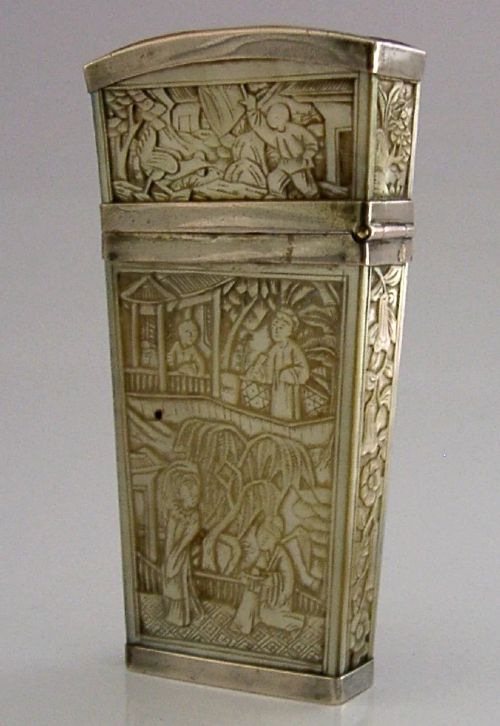
Smaller variants also appear frequently, including nineteenth-century walnut jewellery boxes, Victorian correspondence containers, and intimate wooden snuff boxes carved with figures or floral motifs. Each form tells a specific story about historical storage habits and the decorative arts of its period.
How they were made
The construction of these pieces relies heavily on solid native timbers, predominantly oak in the earlier centuries, supplemented later by mahogany, walnut, and exotic woods like burr walnut and camphor. Joinery techniques for the larger chests involved sturdy pegged frames and panel construction, designed to withstand heavy daily use.
Carving was executed entirely by hand using gouges and chisels directly into the seasoned wood, producing crisp geometrical patterns, stylised foliage, or figural scenes. Smaller items utilise specialised turning, chip carving, or silver smithing techniques depending on whether the primary medium is boxwood, coquilla nut, horn, or solid silver.
Listings feature solid oak, mahogany, and burr walnut across periods ranging from the sixteenth century through the Edwardian era.
What varies in quality
The distinction between ordinary and exceptional examples rests primarily on the depth, fluency, and ambition of the hand carving. Pieces featuring sharp, well-defined relief work and balanced composition command greater attention than those with shallow or repetitive surface incisions.
Integrity of materials and survival of original surface patination also dictate standing within the market. Items retaining their early hinges, locks, and untouched aged finishes represent the pinnacle of historical preservation.
Christopher Dresser
The Antique Carved Box Glossary
- Coffer
- A large sturdy chest, typically constructed from oak, used historically for storing valuables, documents, or textiles. These pieces often form the backbone of early vernacular furniture collections.
- Bible box
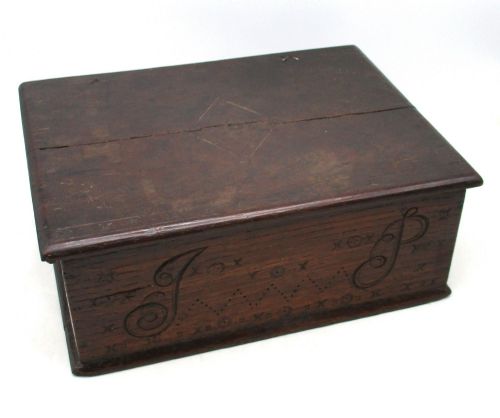
- A small tabletop desk or storage container featuring a sloping or flat lid, designed to hold sacred texts and writing implements. They frequently rest on later stands or tables.
- Treen
- Small handmade wooden household objects and personal items such as boxes, spoons, and snuff containers. The term derives from the old word for tree.
- Bijouterie table
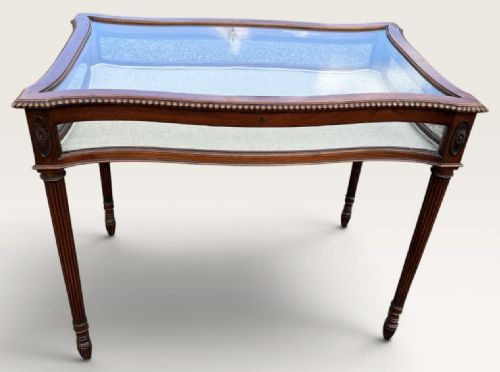
- A glass-topped display case on legs, popular in the Victorian and Edwardian eras for showing small ornaments and curiosities. They utilise glazed panels to protect delicate objects from dust.
- Marquetry
- The art and craft of applying decorative pieces of veneer to a structure to form intricate designs. This technique appears on high-status storage chests and cabinets.
Antique Carved Box: Frequently Asked Questions
What were antique oak coffers used for?
Oak coffers served as secure household repositories for valuable textiles, church vestments, dry goods, and important family documents. Their heavy construction and robust locks kept contents safe from theft and dampness in early homes.
Over time, these versatile chests also functioned as impromptu benches, tables, or beds in modest dwellings before evolving into dedicated display and storage furniture.
How do I date an antique carved wooden box?
Dating relies on examining the construction joints, timber species, tool marks, and stylistic motifs present in the carving. Seventeenth-century pieces typically show hand-split oak panels, pegged framing, and geometric strapwork or lunette carving.
Later Victorian and Edwardian examples utilise machine-sawn timber, different secondary woods, and softer walnut or mahogany surfaces combined with revival aesthetic styles.
What is the difference between a coffer and a blanket box?
A coffer is traditionally a heavily constructed, panelled chest dating from the medieval to seventeenth-century periods, often associated with architectural linenfold or geometric carved decoration. These pieces were multi-purpose furniture items in early households.
Blanket boxes generally refer to later iterations from the eighteenth century onwards, which prioritized simpler interior storage for linens and bedding rather than heavy architectural framing.
How should I care for a carved wooden box?
Keep wooden boxes away from direct sunlight, heat sources, and damp environments to prevent timber from splitting, warping, or shrinking. Stable indoor humidity protects the original wood fibres and old wax finishes.
Apply a light coat of high-quality beeswax occasionally and buff gently with a soft cloth to maintain the surface sheen without building up heavy residues.