
Victorian Coat Tree
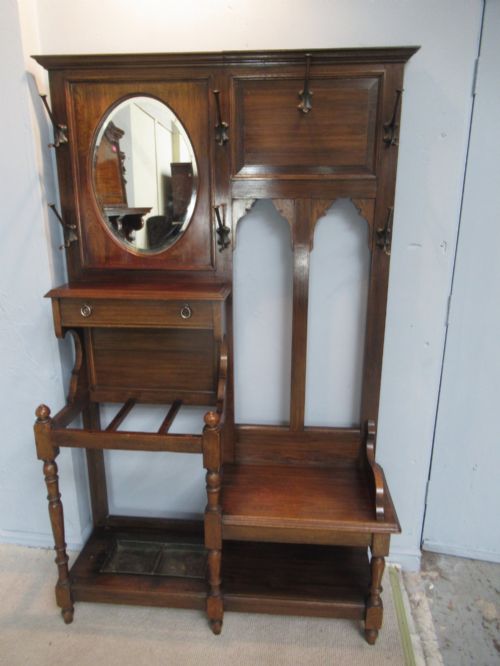
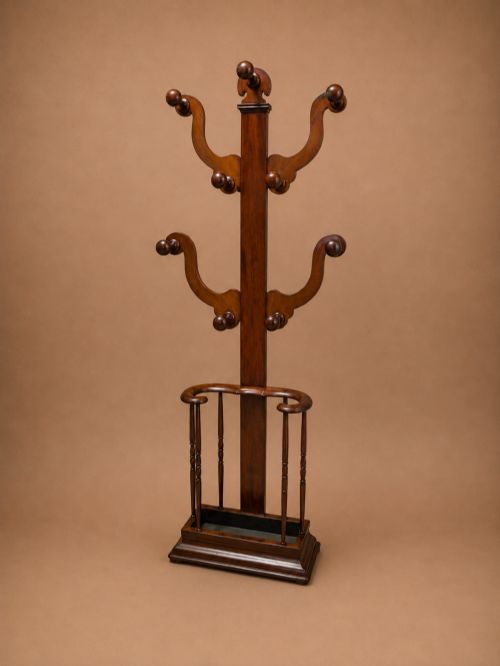
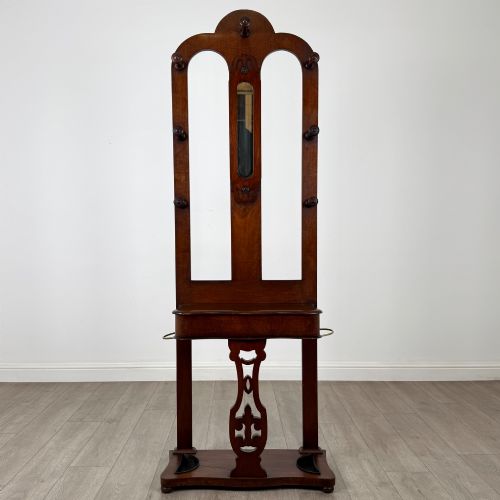
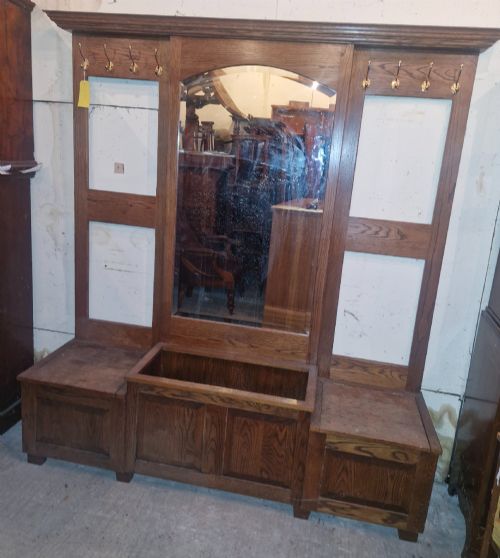
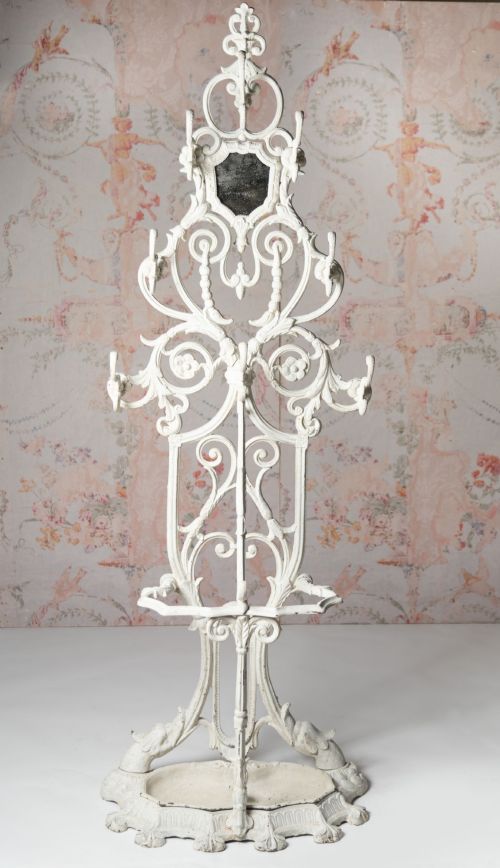
A victorian coat tree is a grand hallway essential designed to hold outdoor garments, and mahogany and oak versions dominate this selection.
Identifying a victorian coat tree
A victorian coat tree stands ready in the entrance hall to receive hats, coats and umbrellas with practical architecture. The pieces met here span the nineteenth century into the early twentieth century, showing periods such as 1880, 1890, 1900 and 1910.
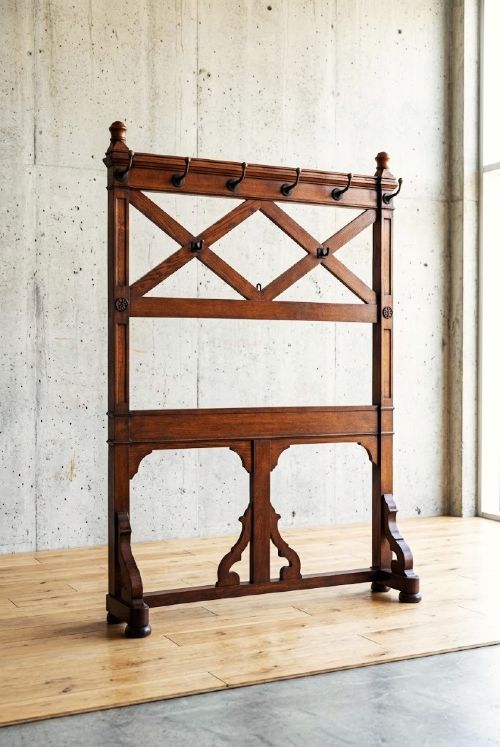
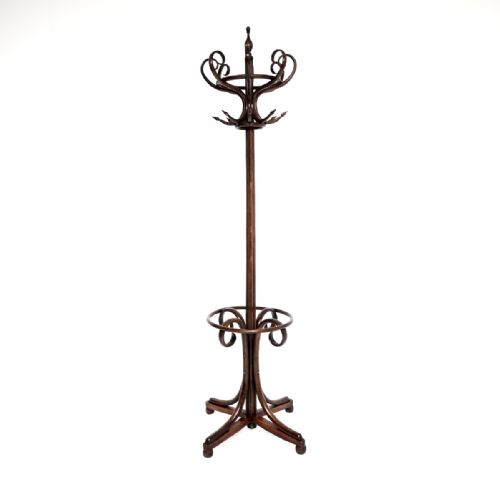
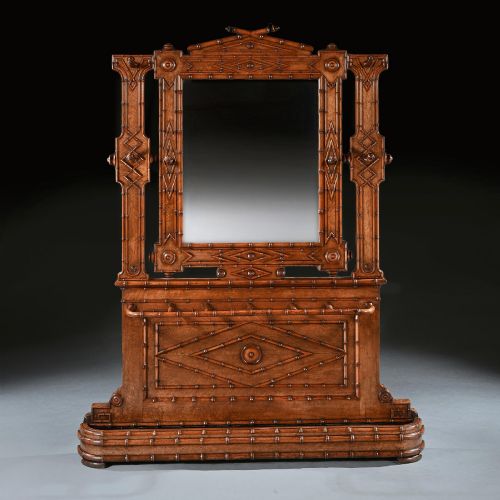
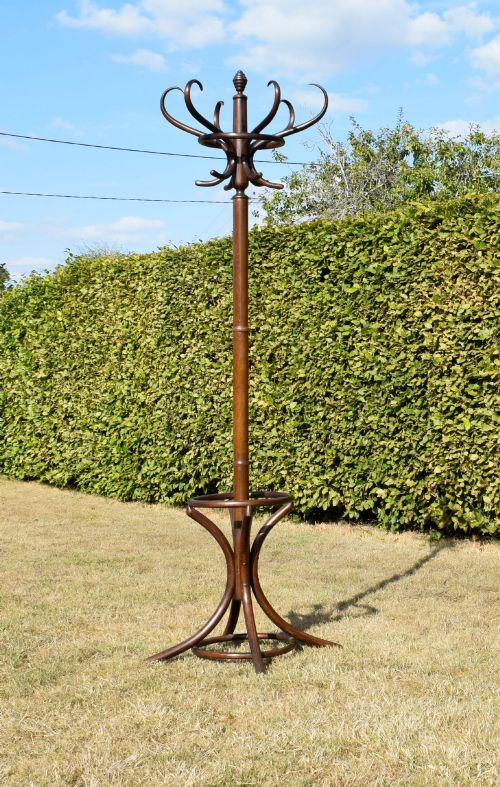
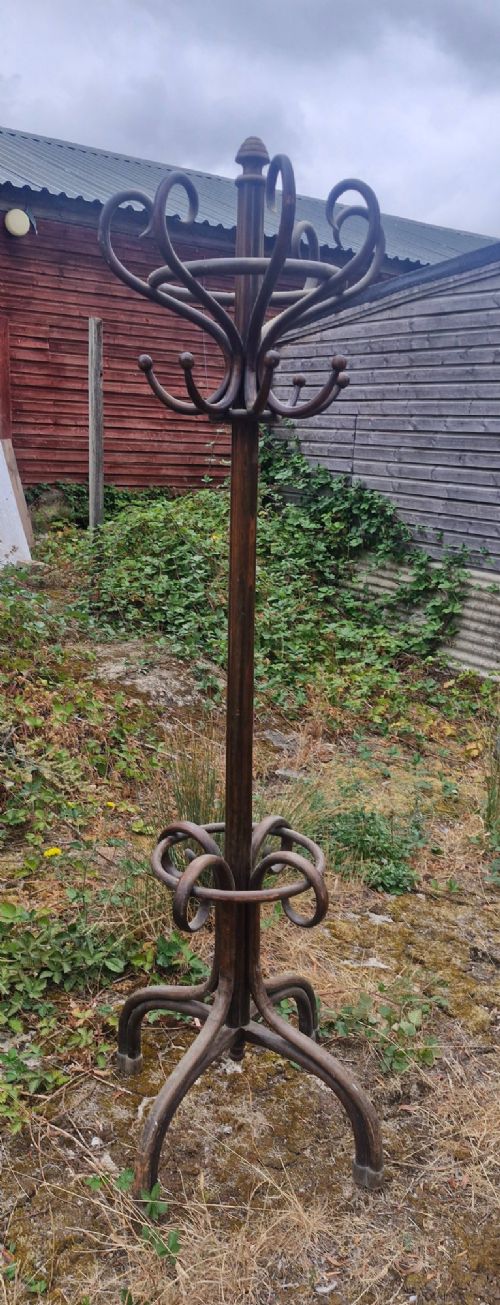
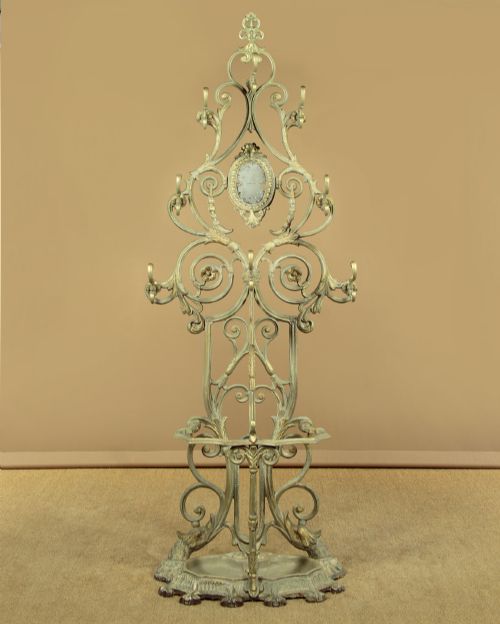
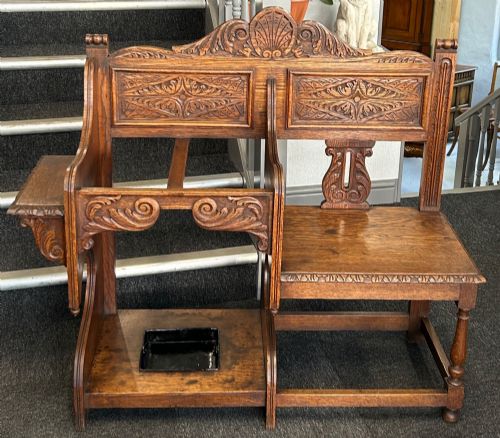
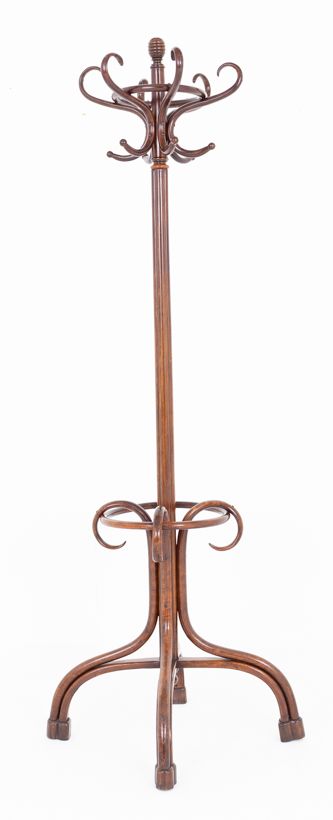
Forms range from sturdy mahogany and carved oak hall stands to lightweight bentwood designs. Gothic Revival examples appear alongside revolving hat and coat stands, reflecting the diverse domestic needs of the period.
Materials and construction
Craftsmen built these coat stands using solid hardwoods including oak, mahogany and beechwood, often enhanced with cast iron, metal, brass and glass. Bentwood techniques created curved wooden frameworks that offered both flexibility and strength.
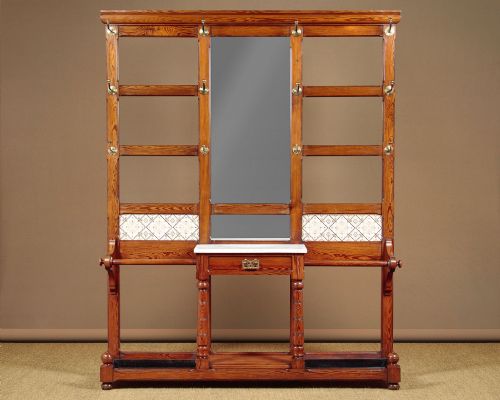
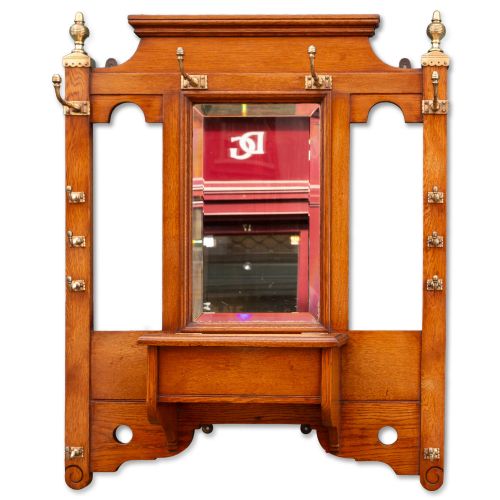
Carving and architectural detailing defined pieces like the Gothic Revival oak stands, while larger iterations incorporated functional elements such as mirrors and key boxes.
Retail Price Guide 2026
Typical UK retail prices for victorian coat tree, calculated from the Sellingantiques database of over a million retail prices indexed since 2003. This retail price guide relies exclusively on Sellingantiques data; no external sources or auction records are used, so the figures do not describe the wider market.
Judging quality and design
The distinction between standard hall furniture and superior examples lies in the depth of timber carving and the sophistication of the joinery. Elaborate Gothic Revival detailing or the fluid execution of bentwood forms elevates an ordinary coat stand into a striking focal point.
Thonet·William Whiteley
The Victorian Coat Tree Glossary
- Hallstand
- A piece of hallway furniture combining coat hooks, umbrella storage and frequently a mirror or small compartment. These fixtures greeted visitors in the entrance of a home.
- Bentwood
- Wood softened by steam and bent into curved structural shapes. This technique produced lightweight yet resilient hat and coat stands.
- Gothic Revival
- A nineteenth-century architectural and decorative style inspired by medieval forms. Pieces in this style feature pointed arches, heavy carving and solid oak construction.
- Mahogany
- A durable, reddish-brown tropical hardwood favoured for formal Victorian furniture. Its stable nature allowed for smooth finishes and refined detailing.
Frequently Asked Questions
What is a victorian coat tree?
A victorian coat tree is a tall hallway furnishing designed to hold outdoor wear like hats, coats and umbrellas.
They stand near the entrance of a home to keep garments organised and accessible.
How were they used historically?
These pieces served as the primary drop-off point for outer garments when arriving at a Victorian residence.
Built-in trays caught rainwater from umbrellas while hooks and mirrors accommodated hats and coats.
Which woods were commonly used?
Maker workshops utilised sturdy timbers such as oak, mahogany, beechwood and pine for structural stability.
Some examples also incorporated bentwood components to achieve curved silhouettes.
How do I date a coat stand?
Dating relies on stylistic clues, construction methods and the recorded materials spanning the nineteenth and early twentieth centuries.
Details like Gothic Revival carving or bentwood steam-forming point to specific periods of manufacture.