



Victorian Church Painting
These pieces for a victorian church painting bring architectural devotion and rural nineteenth-century atmosphere straight into domestic interiors.
Victorian Church Painting
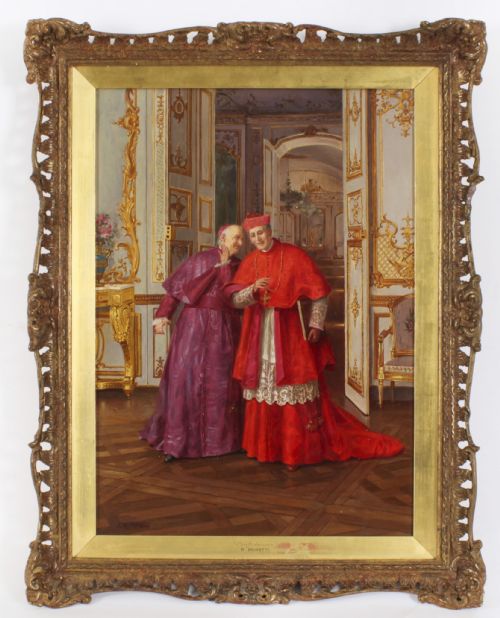
A victorian church painting typically depicts ecclesiastical architecture, local parishes, or religious scenes rooted in nineteenth-century British life. You will encounter oil paintings on canvas or board, watercolours, and occasionally illuminated texts sourced from tin tabernacles or chapels.
The objects span periods from the mid-nineteenth century through to the Edwardian era, often framed by Gothic Revival aesthetics. Landscapes featuring village churches, churchyards, and moonlight vigils dominate the selection available.
Works range from detailed watercolours by named artists recording specific local parishes to naive folk art and decorative painted windows. Buyers seek these pieces to capture historical character and architectural heritage on a wall.
Materials and construction
Painters used oil and watercolour mediums applied to stretched canvas, paper, or wooden boards, frequently incorporating lead and glass for structural window elements. Frames often utilise pine and other traditional timbers.
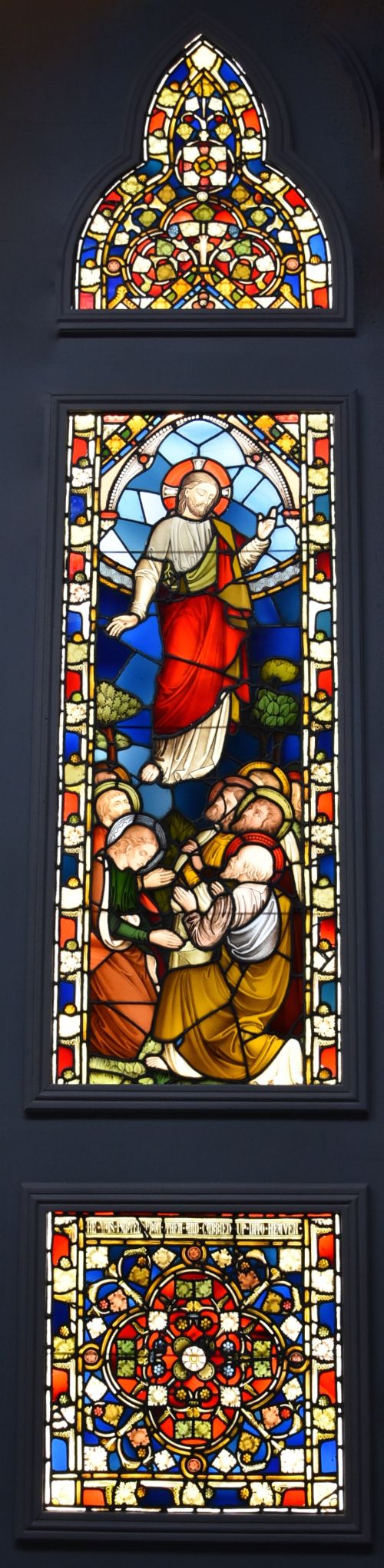
Stained glass panels and leaded windows combine painted glass with lead cording, while illuminated texts utilise paper and paint on wall-mounting boards. Architectural salvage pieces integrate wrought ironwork alongside original painted pine.
Listings feature works from the nineteenth century and Edwardian era, utilising paint, canvas, pine, glass, and lead.
Assessing quality in religious art
Quality rests upon the skill of the brushwork, the depth of composition, and the condition of the canvas or paper support. Finer works display accomplished handling of light, shadow, and architectural perspective.
Provenance and attribution to documented nineteenth-century artists elevate pieces above anonymous school works. Original frames, undisturbed painted surfaces, and intact lead work on glass panels also distinguish superior examples.
Renato Moretti·Alfred George Morgan·John Edward Bale·Walter Meegan·William Greaves·David Bates·Daniel Sherrin·G E Egerton
The Victorian Church Painting Glossary
- Gothic Revival
- An architectural and artistic style popular during the nineteenth century that revived medieval forms, pointed arches, and ecclesiastical motifs.
- Tin Tabernacle
- A prefabricated corrugated iron church or chapel building erected widely during the Victorian period for rural and growing communities.
- Diptych
- A painting or altarpiece consisting of two hinged or paired flat panels.
- Triptych
- A work of art divided into three sections, commonly seen in stained glass panels and altarpieces.
- Naive Art
- Visual art created by a person without formal training, often characterised by a whimsical or simplified perspective.
Victorian Church Painting: Frequently Asked Questions
What periods do these paintings cover?
The listings span the nineteenth century, the Victorian period proper, and stretch into the Edwardian era around nineteen hundred.
Most items date from the mid-Victorian decades onward, reflecting church building and artistic output of that time.
How were church paintings displayed originally?
Many oil paintings and watercolours hung in domestic Victorian homes, while illuminated texts and stained glass originated inside chapels and tin tabernacles.
Stained glass and painted panels served as windows or architectural dividers within religious spaces before entering the antique market.
How do I hang a large canvas securely?
Heavy nineteenth-century canvases and framed oils require robust picture wire and wall fixings anchored directly into masonry or studs.
Consider the weight of the wooden frames and architectural panels when selecting suitable hardware for your wall space.
Are watercolours sensitive to light?
Nineteenth-century watercolours on paper are susceptible to fading if exposed to direct, strong sunlight over prolonged periods.
Protect works by Alfred George Morgan or David Bates by placing them away from bright windows and using UV-filtering glass.
What is a tin tabernacle?
A tin tabernacle is a corrugated iron temporary church building constructed across Britain during the late Victorian era to serve new congregations.
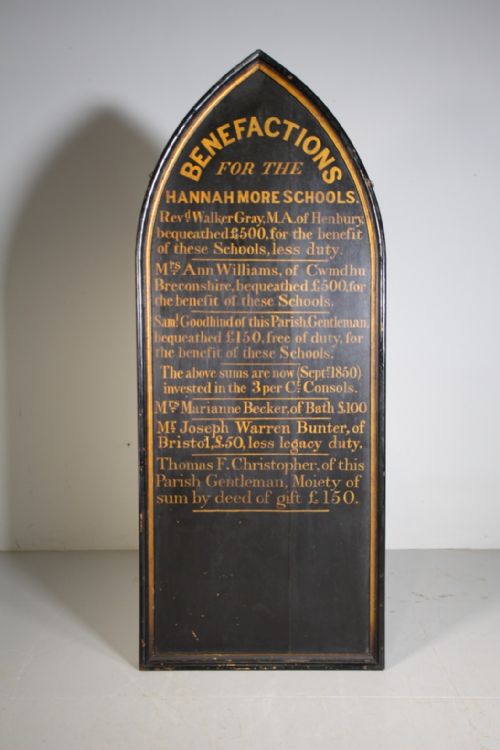
Illuminated religious texts found on this page were salvaged directly from the walls of these corrugated structures.