



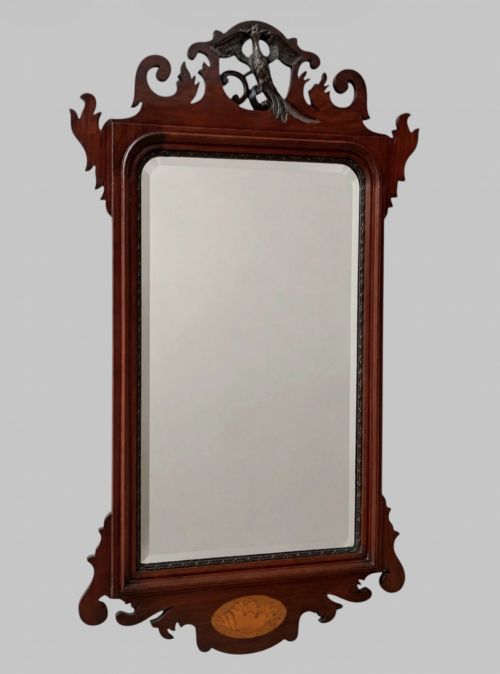


Victorian Chippendale Mirror
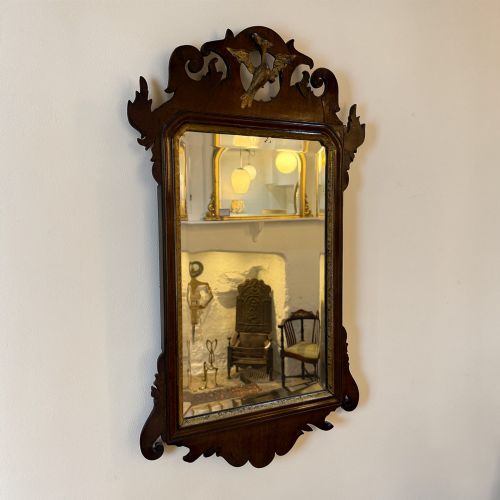
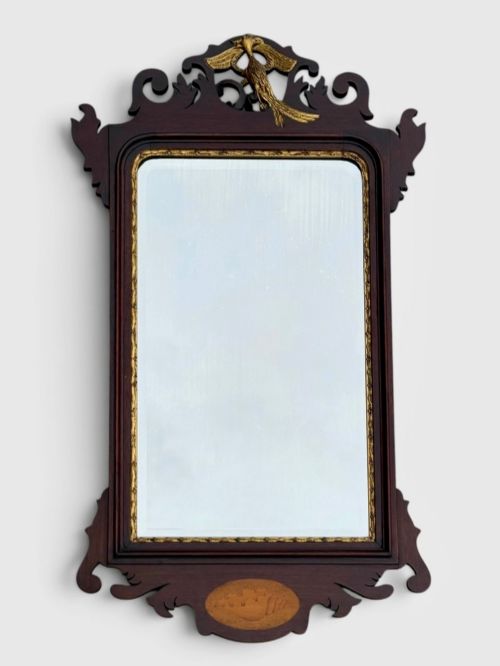
A victorian chippendale mirror brings eighteenth-century carving back into nineteenth-century rooms with lively fretwork and striking birds.
Victorian Chippendale Mirror
When you search for a victorian chippendale mirror, you encounter pieces that revive earlier Georgian forms during the nineteenth century. These wall mirrors and overmantel mirrors draw heavily on revival styles, adopting the vocabulary of mid-eighteenth-century design.
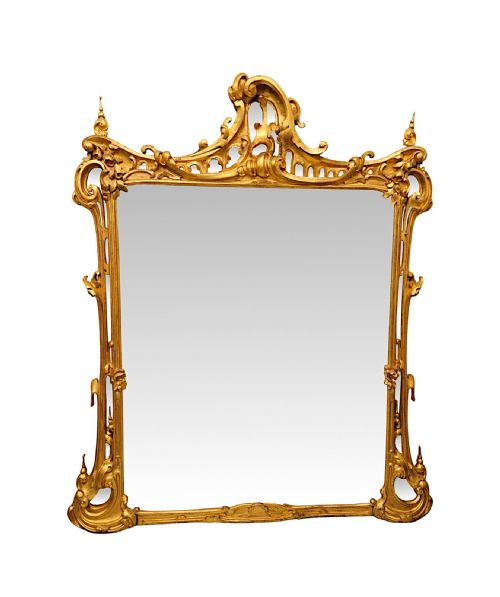
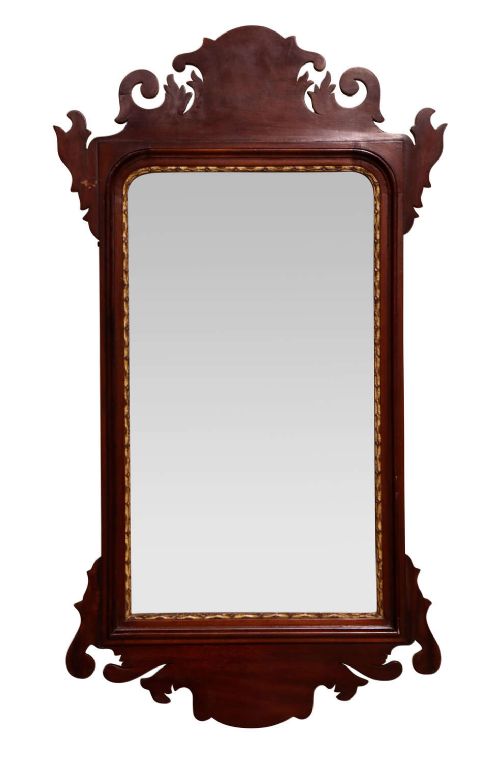
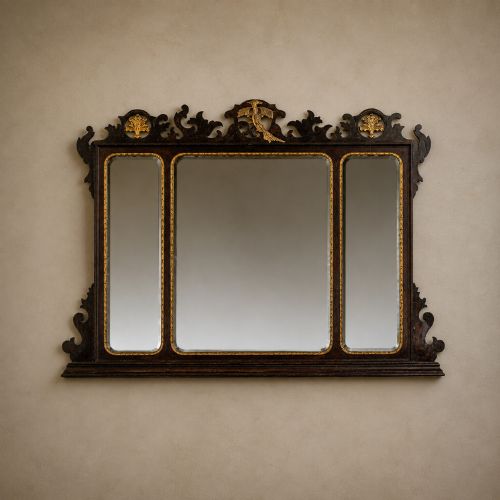
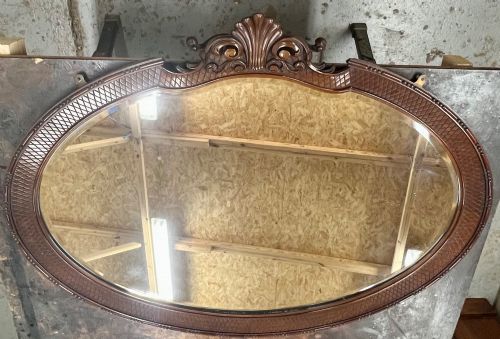
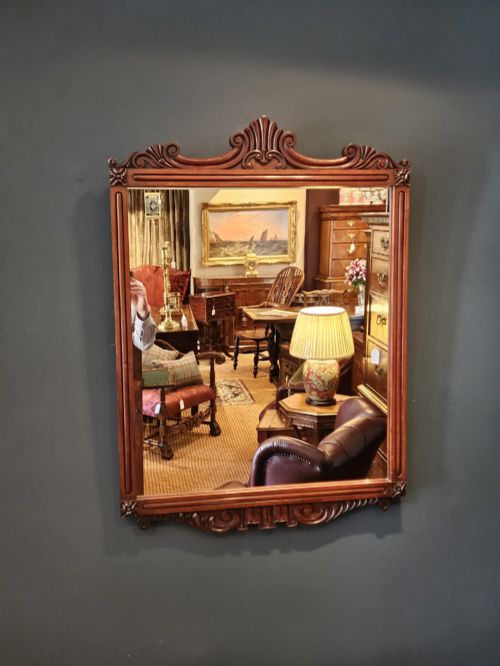
The versions you meet most often on this page take the form of mahogany fretwork wall mirrors and large overmantel mirrors. Makers applied styles such as Chinese Chippendale and Rococo Revival to walnut, mahogany, and giltwood frames.
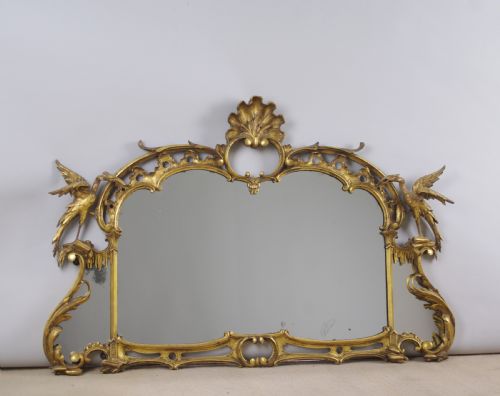
Many examples incorporate traditional motifs like the Ho-Ho bird cresting, scroll ears, and pierced silhouettes. They range from compact wall-hanging glasses to grand triptych overmantels designed for nineteenth-century parlours.
Materials and construction
Frames rely primarily on solid mahogany, walnut, and yew wood, often shaped with intricate fretwork pier glass panels. Cabinetmakers utilised fine hardwoods that allowed for delicate pierced scrolls without splitting along the grain.
Giltwood and gold leaf finishes appear on carved wooden frames, bringing a bright metallic sheen to Rococo and Chinese Chippendale designs. Bevelled glass adds depth to the mirror plate, set within frames constructed during the nineteenth century.
Victorian Chippendale Mirror Retail Price Guide 2026
Typical asking prices for victorian chippendale mirror among the pieces listed under this phrase on Sellingantiques today, from the lower quarter to the upper quarter. They describe what is for sale here now, not the wider market.
Listings feature mahogany, walnut, and yew wood frames paired with bevelled glass and giltwood finishes across various nineteenth-century periods.
Distinctions in quality
The refinement of the fretwork carving separates the standard pieces from the exceptional ones. Crisp, deep relief work on the Ho-Ho bird cresting and delicate pierced side scrolls indicate a more skilled hand at the bench.
The choice of primary timber and the application of gold leaf or parcel-gilt details also set examples apart. Uniform grain in the mahogany and walnut, paired with well-preserved original gilding, elevates the presence of the mirror on the wall.
The Victorian Chippendale Mirror Glossary
- Fretwork
- Thin panels of wood pierced with decorative patterns using a fretsaw. This technique creates lightweight, intricate frames for wall mirrors.
- Overmantel mirror
- A large horizontal mirror designed to hang above a fireplace mantelpiece. These often feature triptych glass plates and elaborate cresting.
- Ho-Ho bird
- A mythical Chinese bird, similar to a phoenix, frequently carved onto the crest of Chippendale and revival mirrors.
- Pier glass
- A tall, narrow mirror designed to hang on the wall between two windows, often reflecting light into darker Victorian rooms.
- Giltwood
- Timber that has been coated with a thin layer of gold leaf or gold paint. It defines the more ornate Rococo and Chinese revival frames.
Victorian Chippendale Mirror: Frequently Asked Questions
Where should I hang a large overmantel mirror?
These large horizontal mirrors find their natural home directly above a fireplace mantelpiece. They command attention and reflect light across the room.
Alternatively, position one above a substantial sideboard or low console table in a dining room to create a sense of expanded space.
What is Chinese Chippendale style?
This style incorporates Asian-inspired motifs such as pagodas, lattice work, and exotic birds into traditional eighteenth-century furniture forms. Makers revived these whimsical designs during the Victorian era.
Frames often feature complex fretwork silhouettes and gilded highlights that catch the eye.
Are these mirrors from the eighteenth century?
The majority of pieces date from the nineteenth century, built during periods of revival such as the Victorian and Edwardian eras. They interpret the earlier Georgian designs of Thomas Chippendale.
Cabinetmakers of the late eighteen hundreds adopted these classic styles while using nineteenth-century manufacturing methods.