





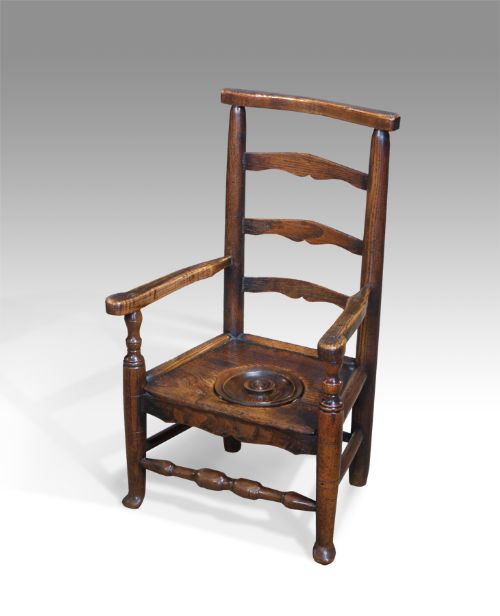

Victorian Childrens Chair
These robust victorian childrens chair examples offer miniature scaling of adult seating forms built for domestic life across the nineteenth century.
Victorian Childrens Chair
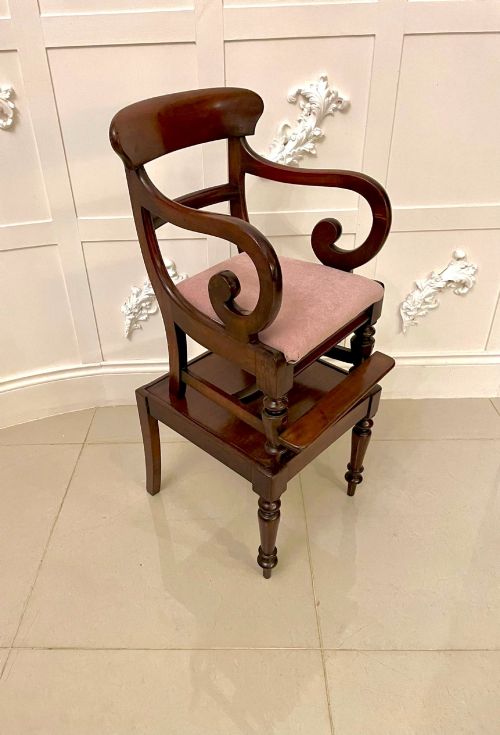
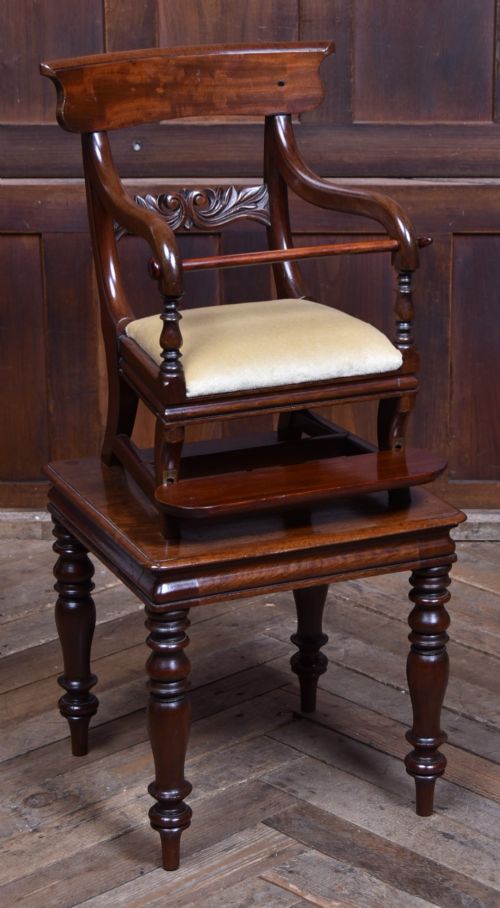
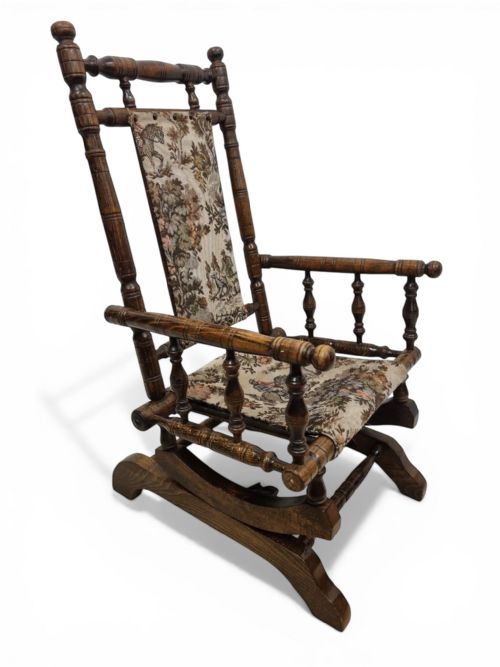
A victorian childrens chair brings domestic seating down to a smaller scale, taking the form of rocking chairs, armchairs, commodes and highchairs. These pieces mirror adult furniture styles from the Georgian, Regency and Victorian periods while accommodating smaller occupants.
Most examples found here date from the nineteenth century, utilising regional vernacular designs as well as formal mahogany and walnut structures. Buyers encounter everything from rustic elm windsors to upholstered rocking chairs.
Makers often adapted standard seating types, including Windsor armchairs and tub chairs, into miniature proportions for domestic nurseries and parlours.
Materials and construction
Timbers such as elm, ash, yew and oak form the structural framework for vernacular country chairs, often employing traditional stick-back and Windsor joinery. Craftsmen selected these local woods for their strength and flexibility.
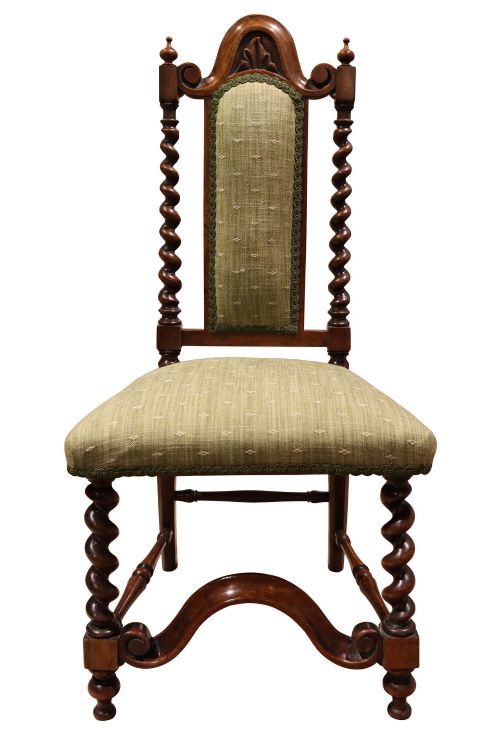
More formal pieces utilise mahogany, walnut and fruitwood, sometimes incorporating turned barley twist supports or ebonised finishes. Caning, rush seating and tapestry upholstery provide the sitting surfaces across various styles.
Specialist forms integrate cane and bergere panels, alongside specialised hardware for commode seats and highchair trays.
Victorian Childrens Chair Retail Price Guide 2026
Typical asking prices for victorian childrens chair among the pieces listed under this phrase on Sellingantiques today, from the lower quarter to the upper quarter. They describe what is for sale here now, not the wider market.
Materials recorded across the inventory include elm, ash, yew, oak, mahogany, walnut, cane and fabric upholstery.
Distinguishing quality
Superior quality rests in the selection of timber, such as highly figured yew or dense old-growth elm, and the precision of the turning on spindles and legs. Better proportioned miniatures maintain the structural integrity of full-size seating rather than looking clumsy.
The integrity of the construction, whether through pegged joints in Windsor chairs or clean joinery in mahogany frames, dictates longevity. Original seating materials like rush, cane or tapestry also elevate an example.
Refined surface patination and minimal structural alteration separate standard utilitarian seating from pieces retaining their original finish and integrity.
The Victorian Childrens Chair Glossary
- Windsor
- A chair built with a solid wooden seat into which the legs and back spindles are directement inserted. This vernacular construction provides sturdy support.
- Commode chair
- A seating item fitted with a concealed chamber pot beneath a removable seat or lid. These were essential nursery furnishings before modern plumbing.
- Barley twist
- A decorative turning technique resembling the spiral shape of barley sugar. It appears frequently on the legs and stretchers of mid-nineteenth-century chairs.
- Bergere
- A type of woven cane panel work used for seats and backrests. It offers a light, flexible surface for the occupant.
- Rush seat
- A seating surface woven from dried marsh rushes twisted into cords. This traditional method provides a resilient and comfortable base.
Victorian Childrens Chair: Frequently Asked Questions
How were children's chairs used?
These chairs served daily domestic functions in nurseries, dining rooms and parlors, giving youngsters their own seating at table or fireside.
High chairs and commode variants provided specialised utility for feeding and hygiene, while rocking chairs offered entertainment and soothing motion.
How do I clean a wood chair?
Dust the timber regularly with a soft, dry cloth to prevent dirt buildup in carved or turned crevices.
Apply a microcrystalline wax occasionally to nourish old wood surfaces without damaging historic finishes.
Are these chairs safe for children?
Many antique pieces function primarily as decorative collector items or display objects rather than sturdy modern play furniture.
Check joinery and stability carefully before allowing any child to sit in them.
How do I date a chair?
Examine the timber species, tool marks and construction methods to establish the likely period of manufacture.
Stylistic cues such as barley twist turnings or specific regional Windsor designs help narrow the decade.